Week 4 – Teething troubles and the first accident
Countries: Greece – Turkey
In Thessaloniki we made the most of the opportunity and checked into a holiday flat to do laundry and have a bit of physical distance from each other. In the city centre I also had my first accident of the trip: in the narrow streets, while looking for a parking space, I clipped a small car. It got a scratch and – absurdly – I also gave it a flat tyre. I can't explain how that happened, as I only touched its folded-in mirror … Anyway, the police took the details and I met the owner the next day. He was very nice and understanding, and spoke pretty good German too. The bus only has a light scratch, which I was able to remove.
When checking the timing belt earlier, I had noticed that the fuse holder for the charging booster had partly melted. I'd sized the fuse at 60 A. I think moisture in the holder caused it to melt. I quickly found a new, better holder in a hi-fi shop. In almost every shop or restaurant, the very first thing we were asked for was our vaccination certificate or test result – only then could you even say what you wanted.
We used the good internet connection and the quiet of the flat to keep working on our visa options. We still hadn't heard back about the Iran visa – after four weeks. So we decided to apply for the transit visa via the express procedure. On top of that, it seems impossible for me to enter India overland, because all visas are only issued for arrival by air or sea …
One way to get the vehicle to India would be for my companion to import it into India while I fly from Pakistan to India – there's an agreement between India and Nepal that lets citizens of both countries cross into the other without a visa. But we found out that in all likelihood the only crossing between India and Pakistan – the Wagah border – is closed on the Pakistani side, so you can't enter India there without a special permit.
After some research and contact with other travellers, another solution came up: it's possible to ship the vehicle from Karachi in Pakistan or from Dubai in the United Arab Emirates to Mumbai. In Pakistan, as with the embassy in Islamabad, we couldn't reach anyone by phone or email. From Dubai, however, we got sailing dates and a quote. So one solution is to drive through Iran, put the vehicle on a ferry in Bandar Abbas and then load it onto a roll-on/roll-off freighter in the UAE. We'd just have to collect it again in Mumbai. Unfortunately that's the only – and not very adventurous – solution we've found so far. We'll keep at it.
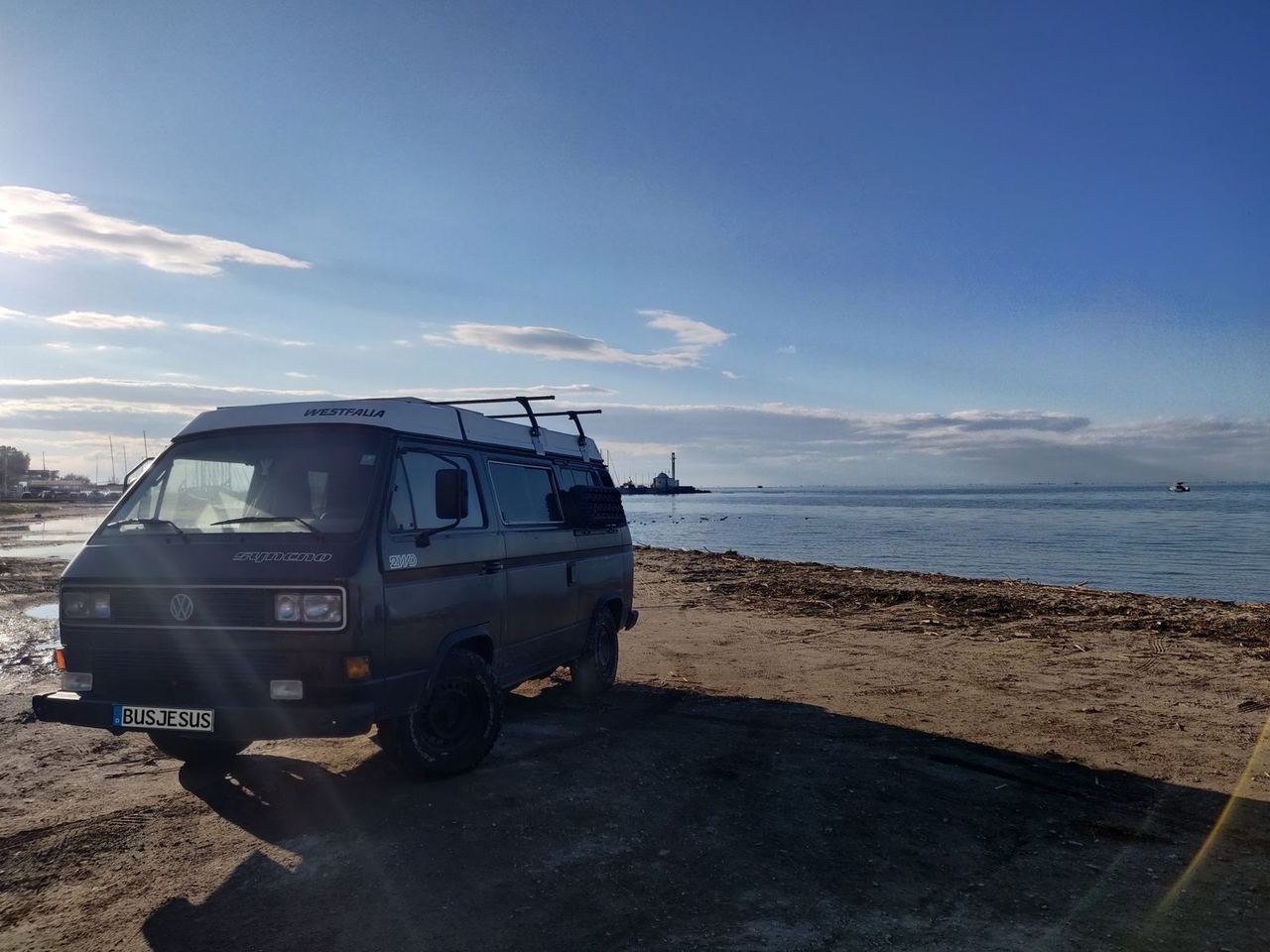
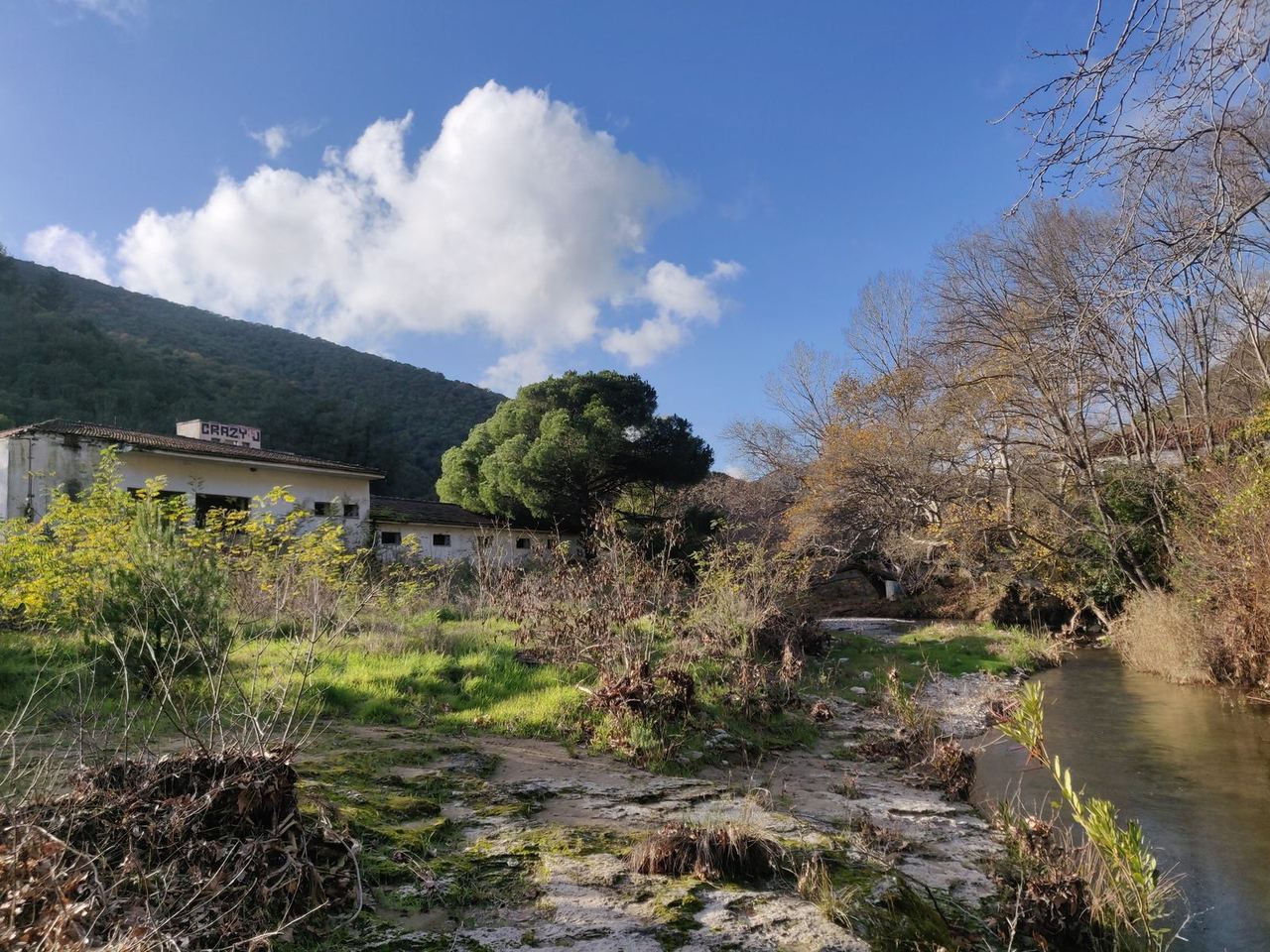
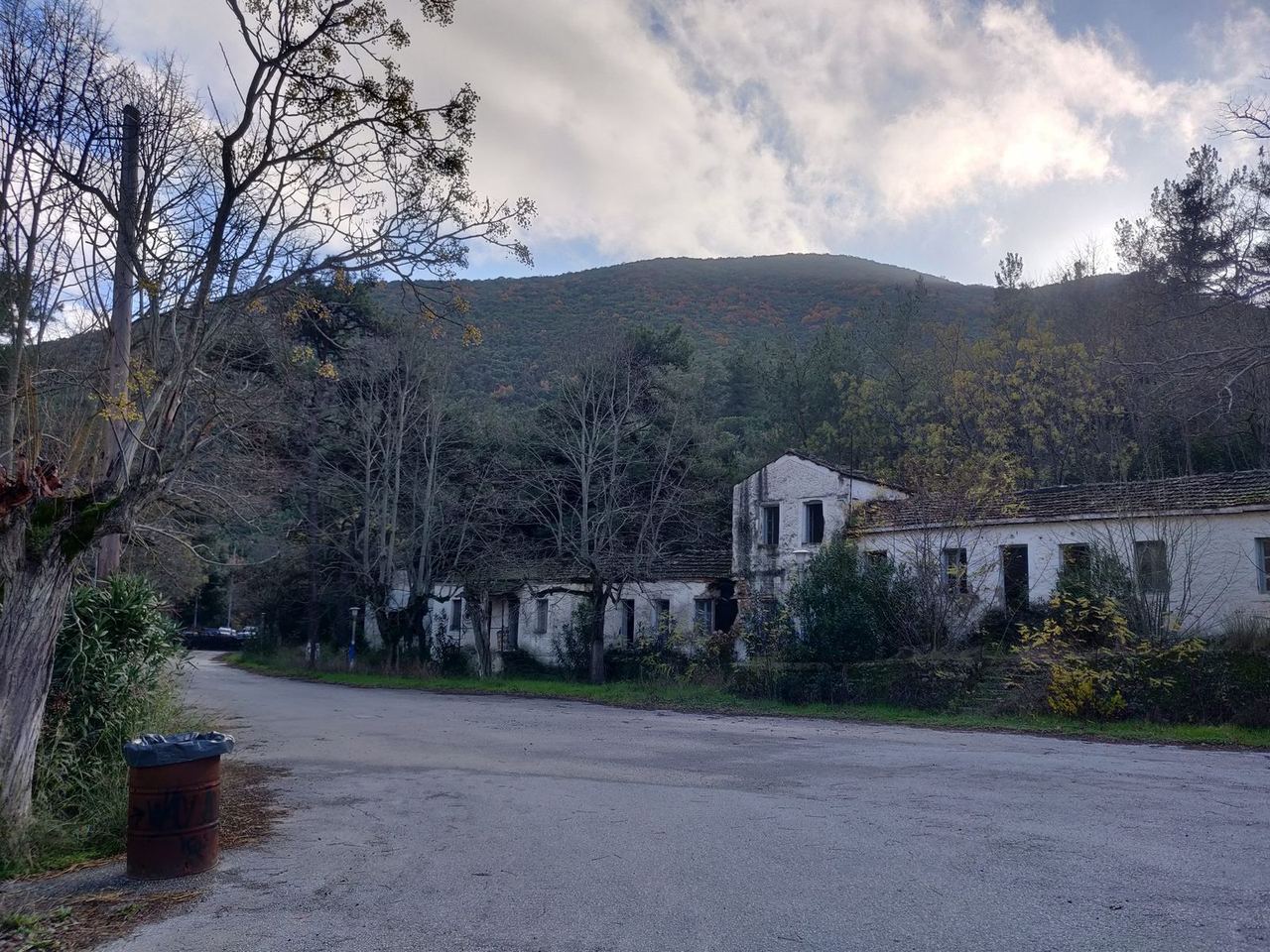
We spent five days in Thessaloniki altogether. We met up with other travellers we'd got to know to eat together or go to bars. On Monday we left the Greek city and set off for Istanbul, where we wanted to meet more travellers in a similar situation to ours, with visa or route problems. On the good 500 km drive we spent one night at Loutra Eleftheron, an abandoned Greek village that also has hot springs. It was hard to stay overnight there, though, so we slept on the beach 2 km away.
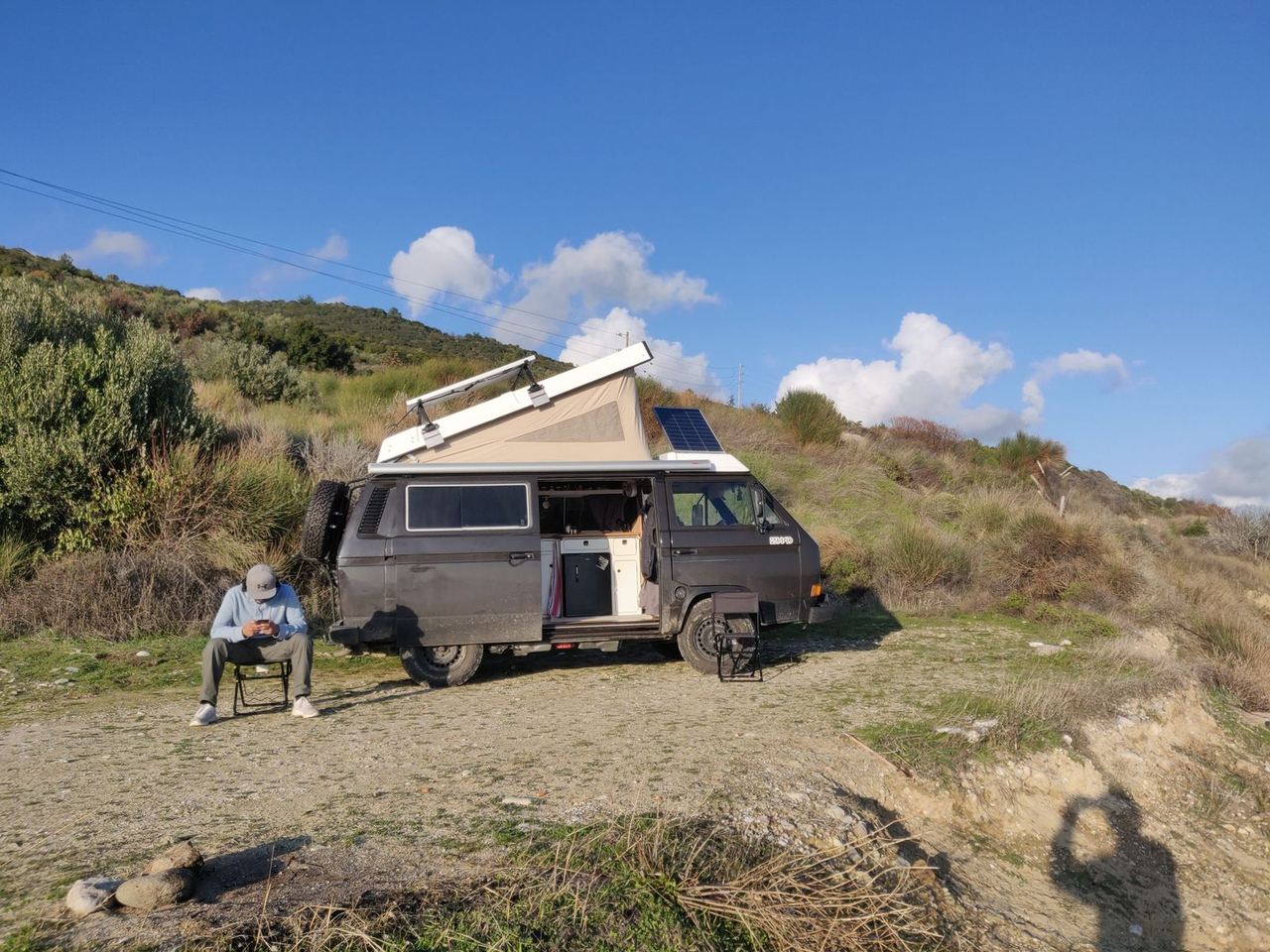
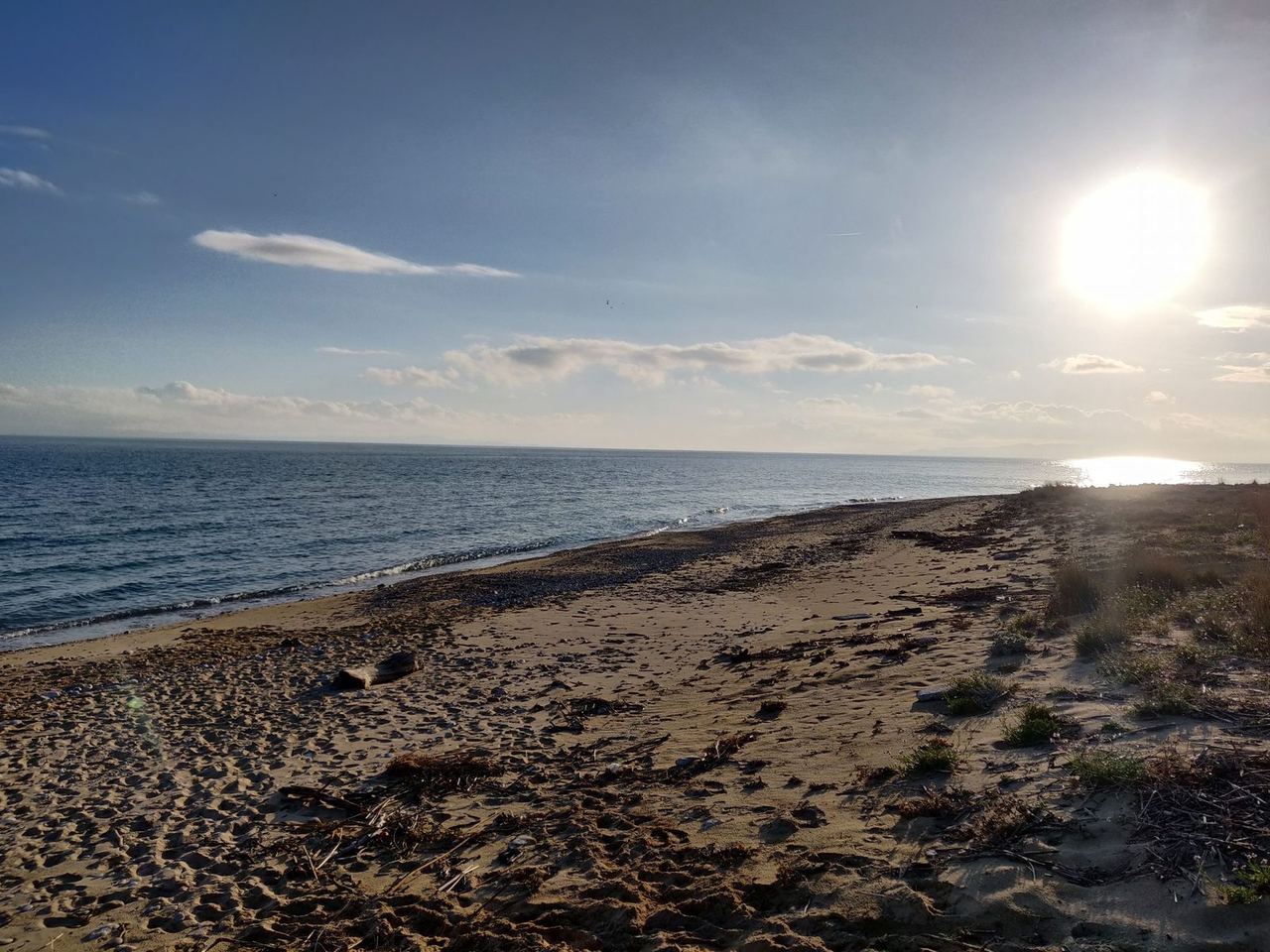
When we set off the next morning, after a good 10 km the bus only responded to the throttle sporadically, even though the tank was full. The problem seemed to depend on engine speed, as it didn't happen at low revs. When we stopped at a car park near Kavala, I quickly found that the engine stop cable was loose. On closer inspection it turned out that the drive shaft bolts were loose too – you could undo them by hand. The Albanian roads had left their mark after all. I took all the bolts out, cleaned them and we screwed them back in with thread locker.
Crossing the border into Turkey went smoothly. The first impression, though, was very authoritarian: the border stretched for several kilometres, we were checked several times and greeted by huge, ornate gates, giant Turkish flags and armed soldiers. Since we were meeting those other travellers in Istanbul that evening, I thought it would be a good idea to buy some beer in the duty-free shop. Unfortunately you could only buy one container of alcohol per person 😀
On the way to our spot near the water in the European part of Istanbul, we drove through the modern part of the city in the dark, with a skyline that can rival New York's. The city of 15 million was bigger, more organised and more western than I'd expected.
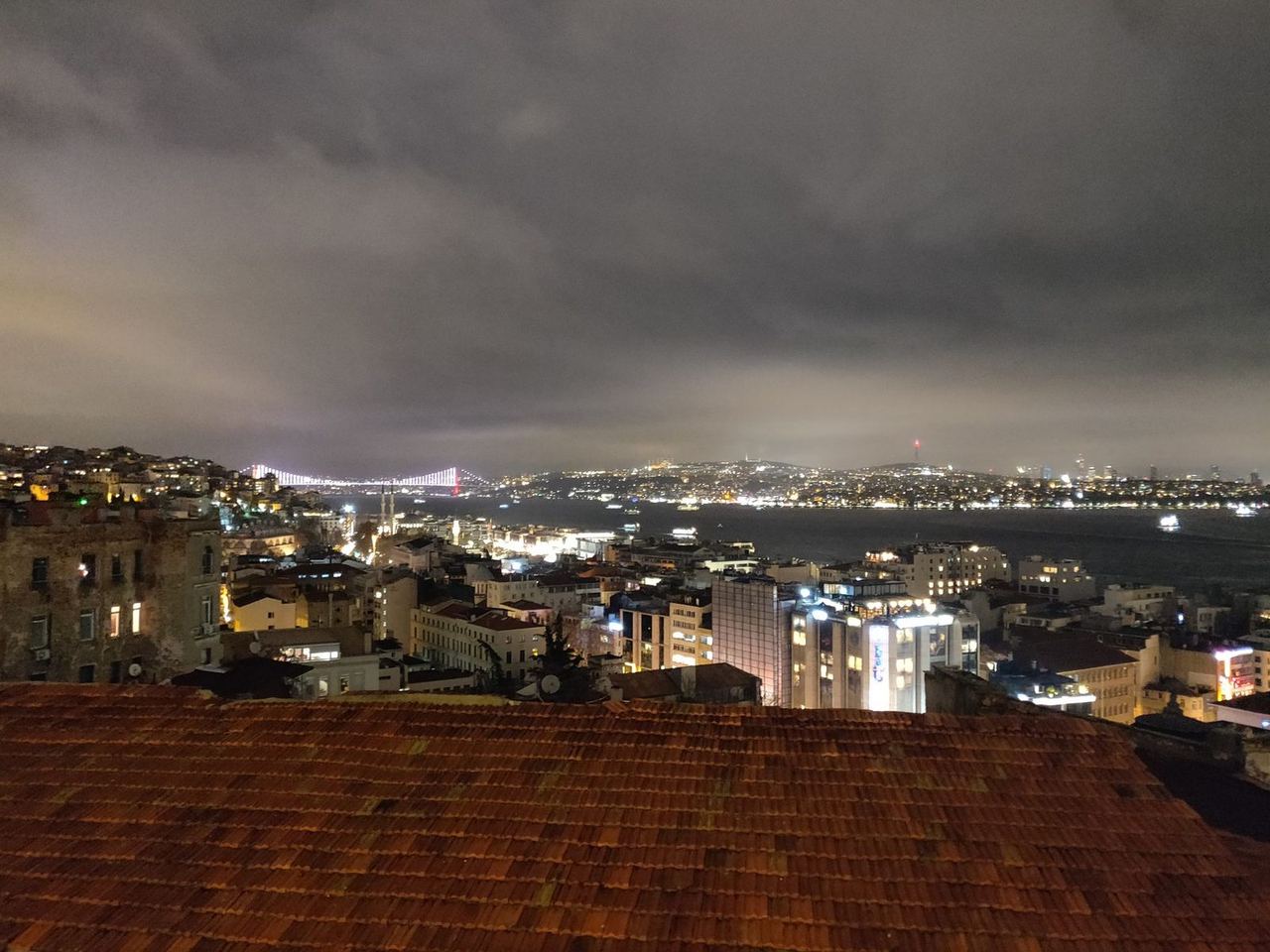
In Istanbul we were woken the next morning by the muezzin. Five times a day the muezzin calls to prayer from the mosques over loudspeakers in a chant. The first call is always at sunrise – around 6:30 am … The first night we parked in a hospital car park, as it was secure and cheap. The mosque was on the university hospital grounds too. State and religion are far more intertwined here than I'd thought.
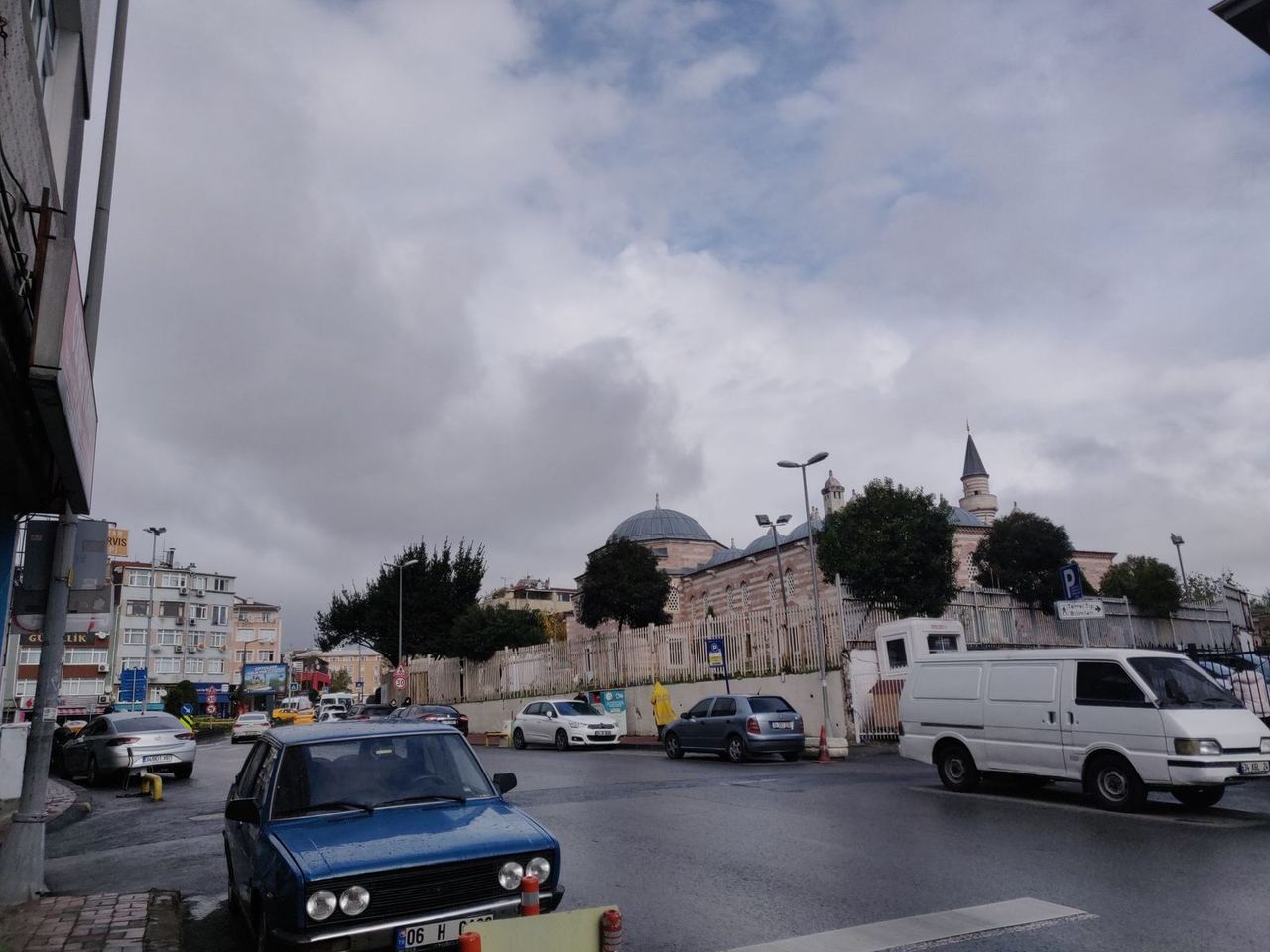
In Istanbul I discovered that the gearbox was leaking a little: the shaft seal at the drive shaft was slightly leaky. The good thing about oriental cities is that similar shops are always close together, so I found the parts I needed for the repair fairly quickly. Communicating in German often worked better than in English.
In Istanbul we joined a free walking tour too – and were the only participants. Istanbul basically consists of three parts: the old European part, the new European part and the Asian part. They're separated by the Bosphorus and the Golden Horn, another waterway. We mostly got around by public transport or by the very cheap taxis. Istanbul has the second-oldest metro network in the world, after London's.
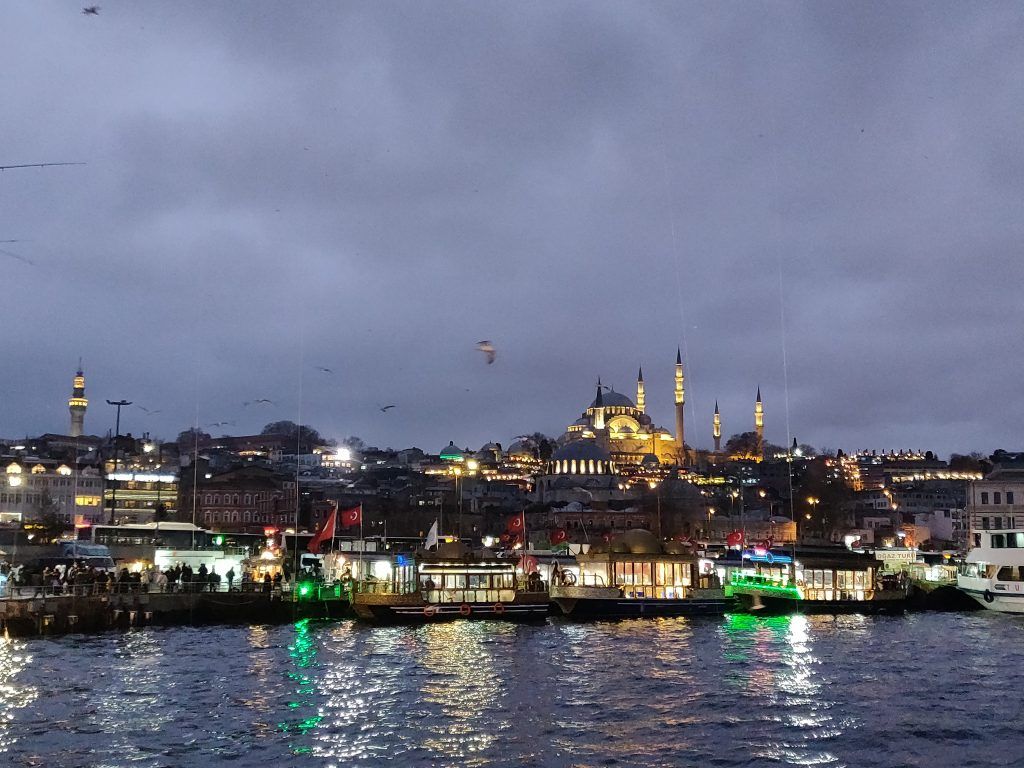
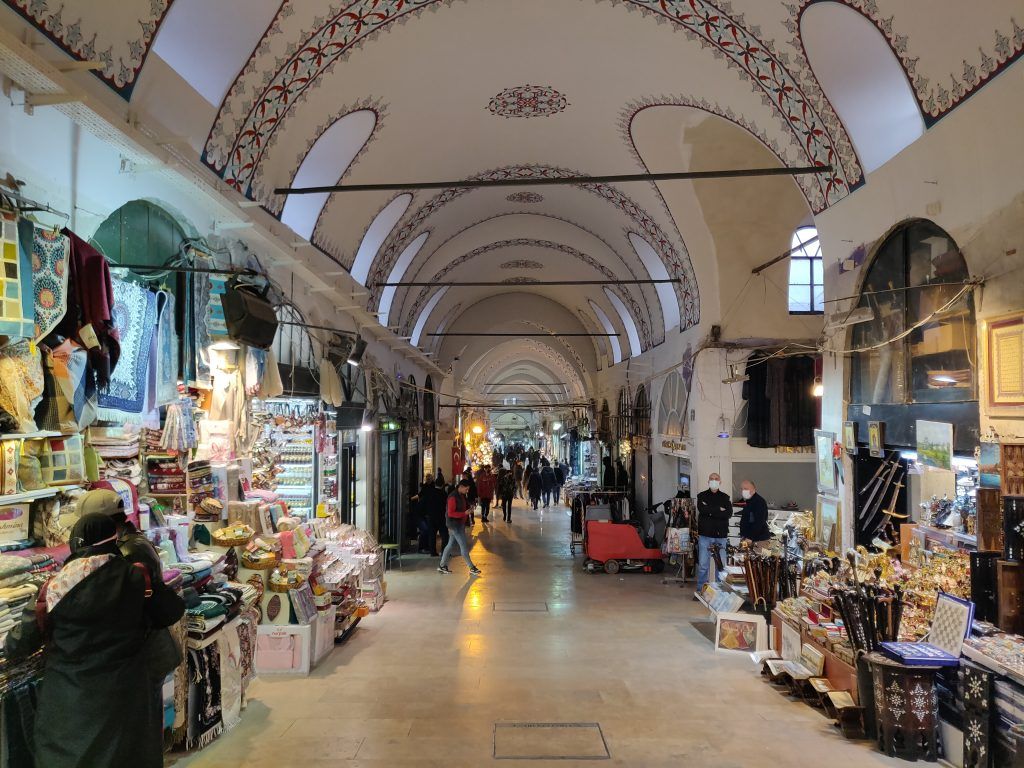
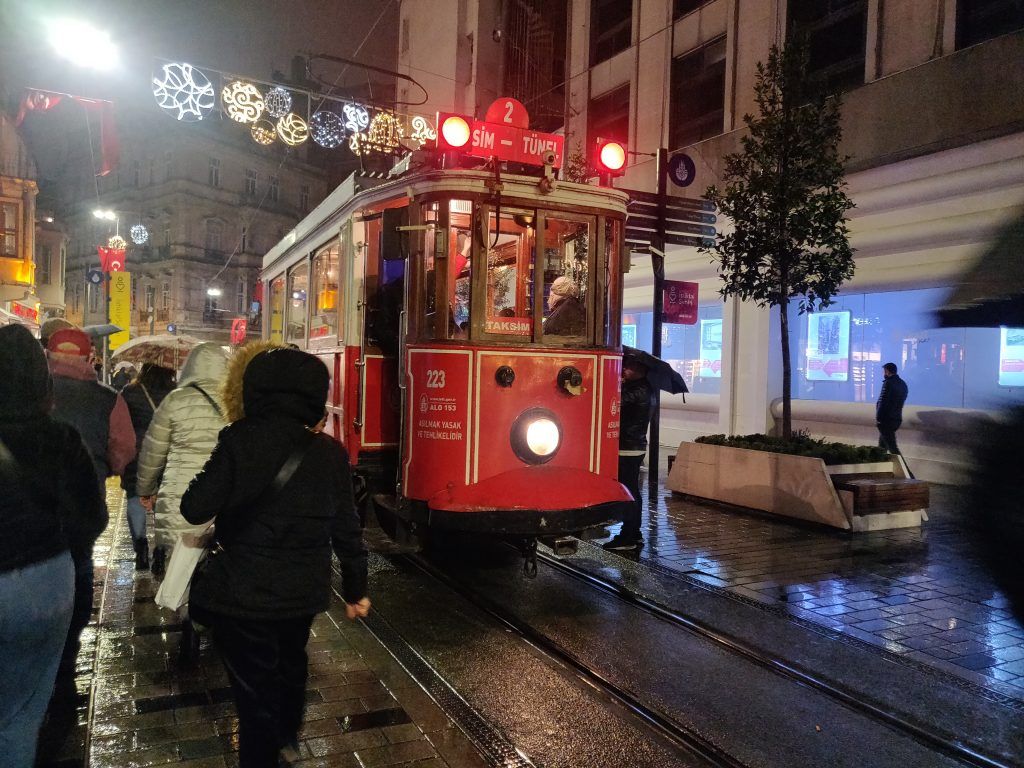
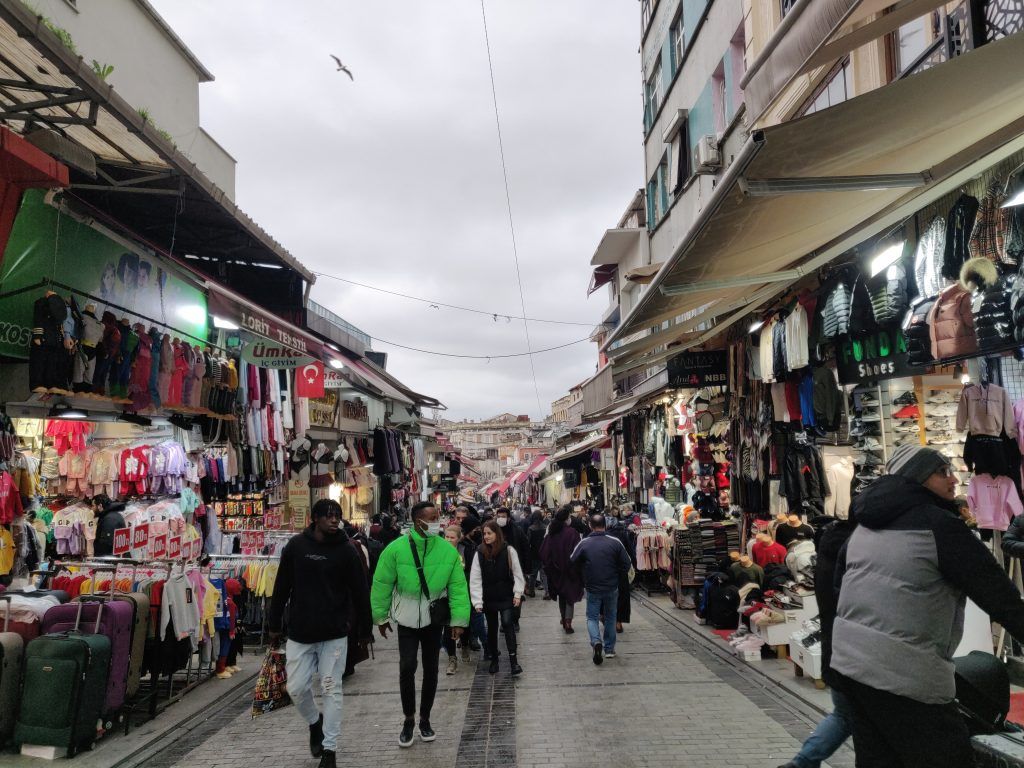
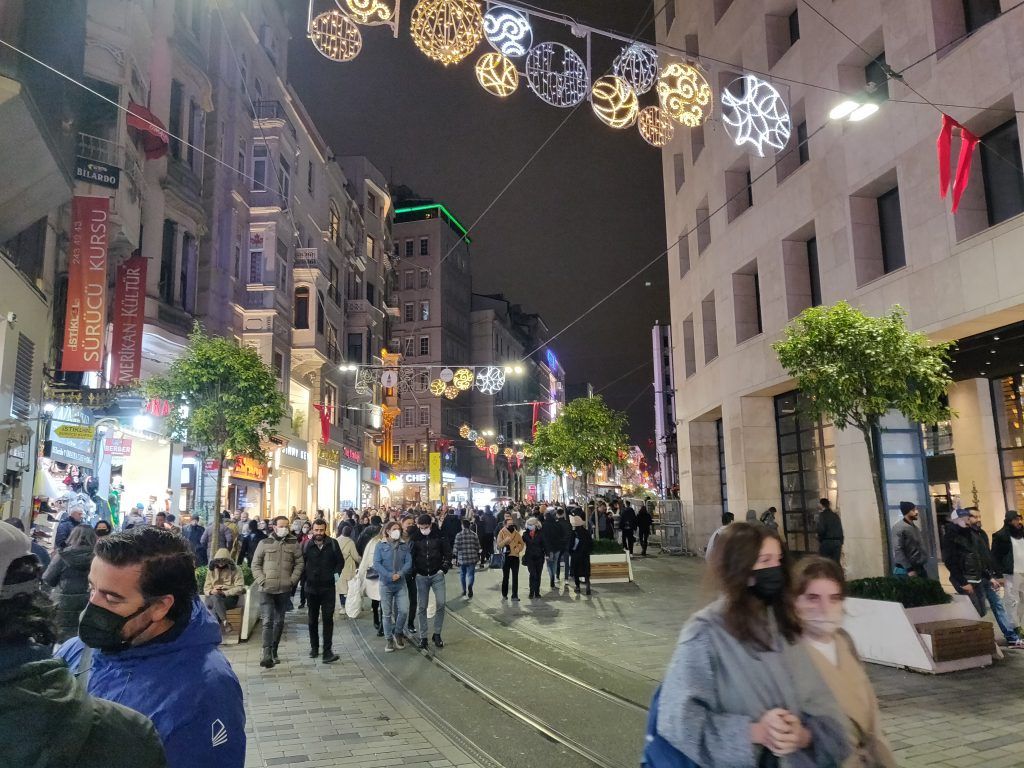
The city is really beautiful and extremely diverse. Many ethnic groups live here at the gateway to Europe; there's the ultra-modern, more western city in the west and the conservative, historic city in the European centre, while the newer European part is very young and liberal. The food you can buy here is very cheap by European standards, partly because the Turkish lira's exchange rate is currently poor. So the week ended in a typical Turkish restaurant with the sweet traditional pastry, baklava.
We'll stay here a little longer, then it's on to the capital, Ankara. Inshallah (God willing) 😉
Journey from Germany to Nepal - VW T3 - Week 4 - Greece TurkeyWatch the video on YouTube