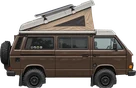
Week 7 – Between the borders
Turkey – Georgia – Armenia
On the morning that began week seven, Turkish hospitality surprised us once again. We were parked at a restaurant near the Georgian border, where we could use all the facilities. While I was servicing a windscreen wiper, they brought us tea and asked whether we'd like to stay another night – in a hotel room, for free. Sadly we had to say no, because we wanted to be in Tbilisi that evening. Crossing into Georgia was uneventful. The drive to the capital, though, was all lorries, snow and the incredibly chaotic Georgian driving style. If a car tailgates you closely, it means you should move as far right as possible and oncoming traffic as far left as possible, so a third lane opens up. That takes some getting used to for a German driver spoiled by order.
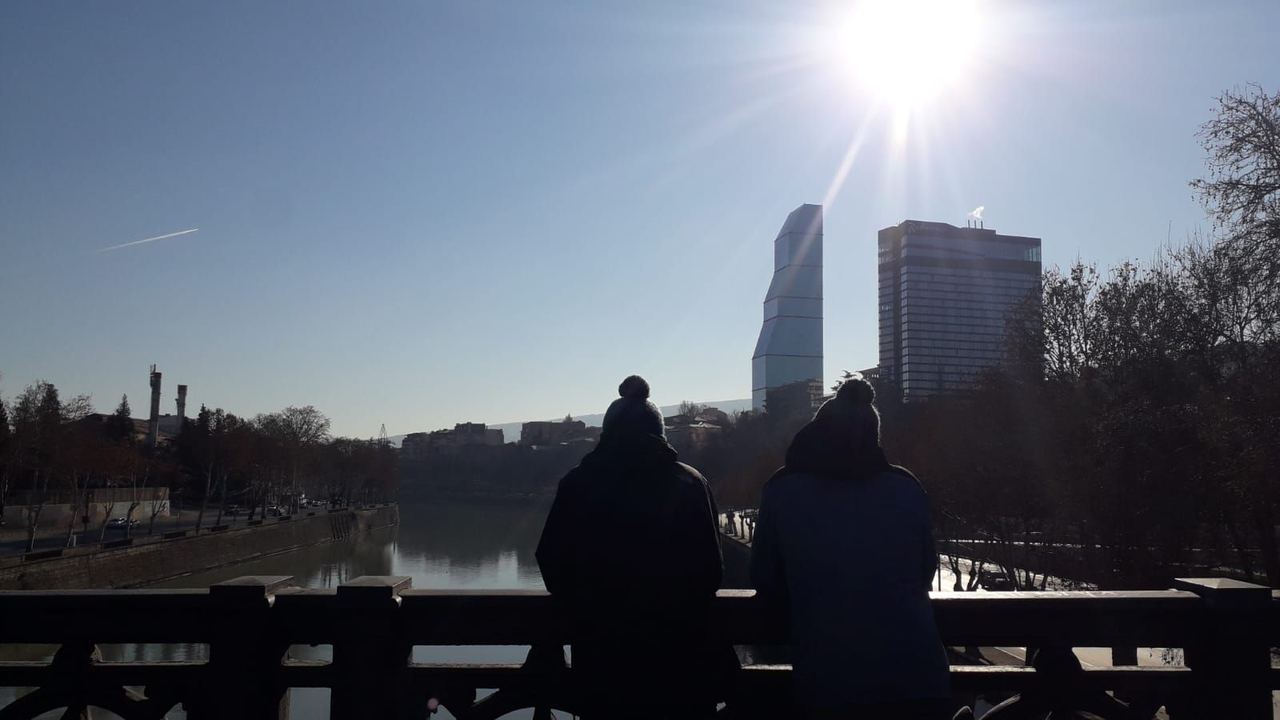
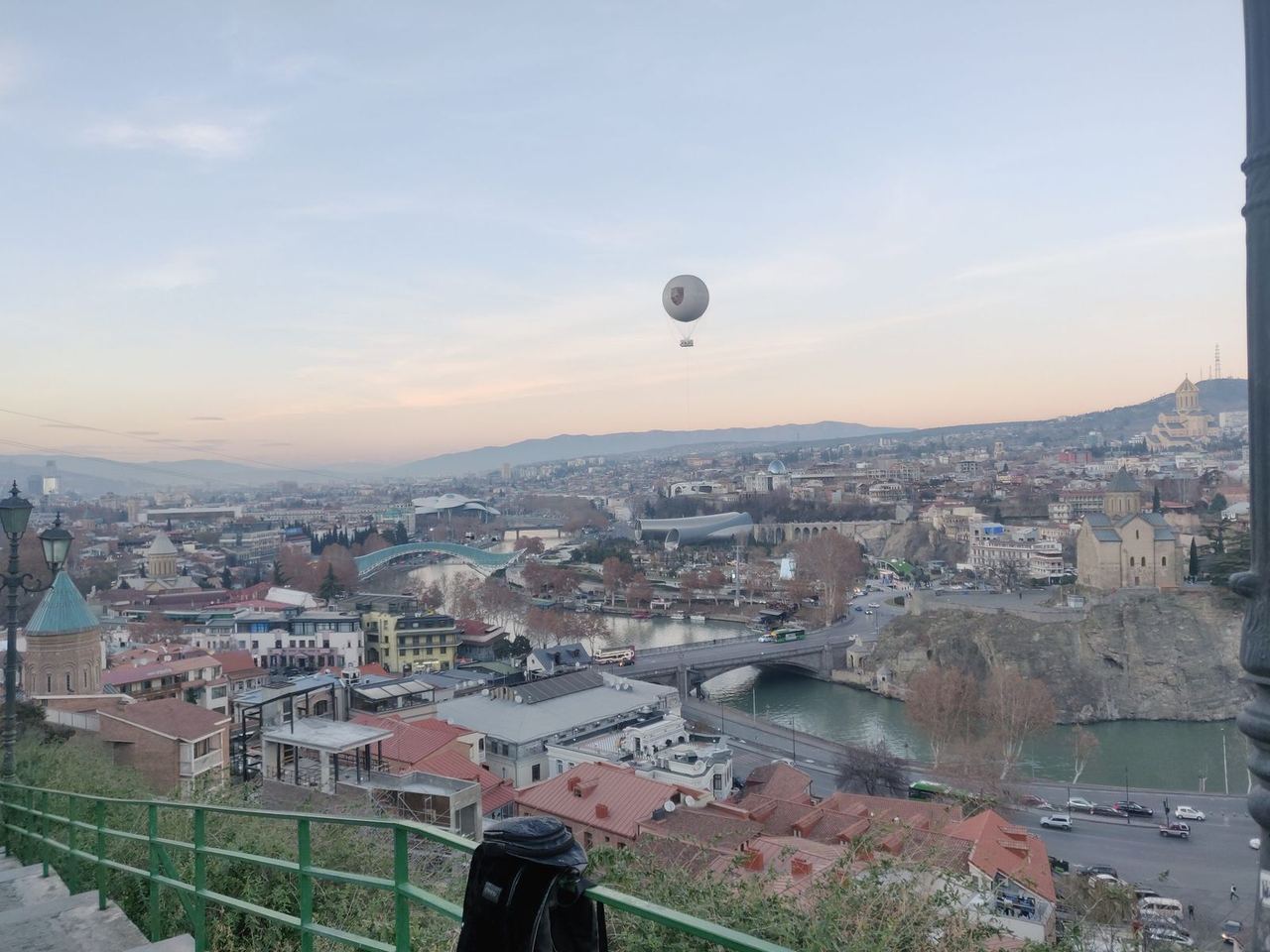
About 25% of Georgia's population lives in the capital, Tbilisi – and the whole country has about as many inhabitants as Berlin. The city is very beautiful and modern; the countryside we crossed seemed rather poor and marked by its Russian past. In Tbilisi, too, we joined a city tour. Later we explored Tbilisi on our own and went to the Museum of Illusions and up the hill that towers over the city.
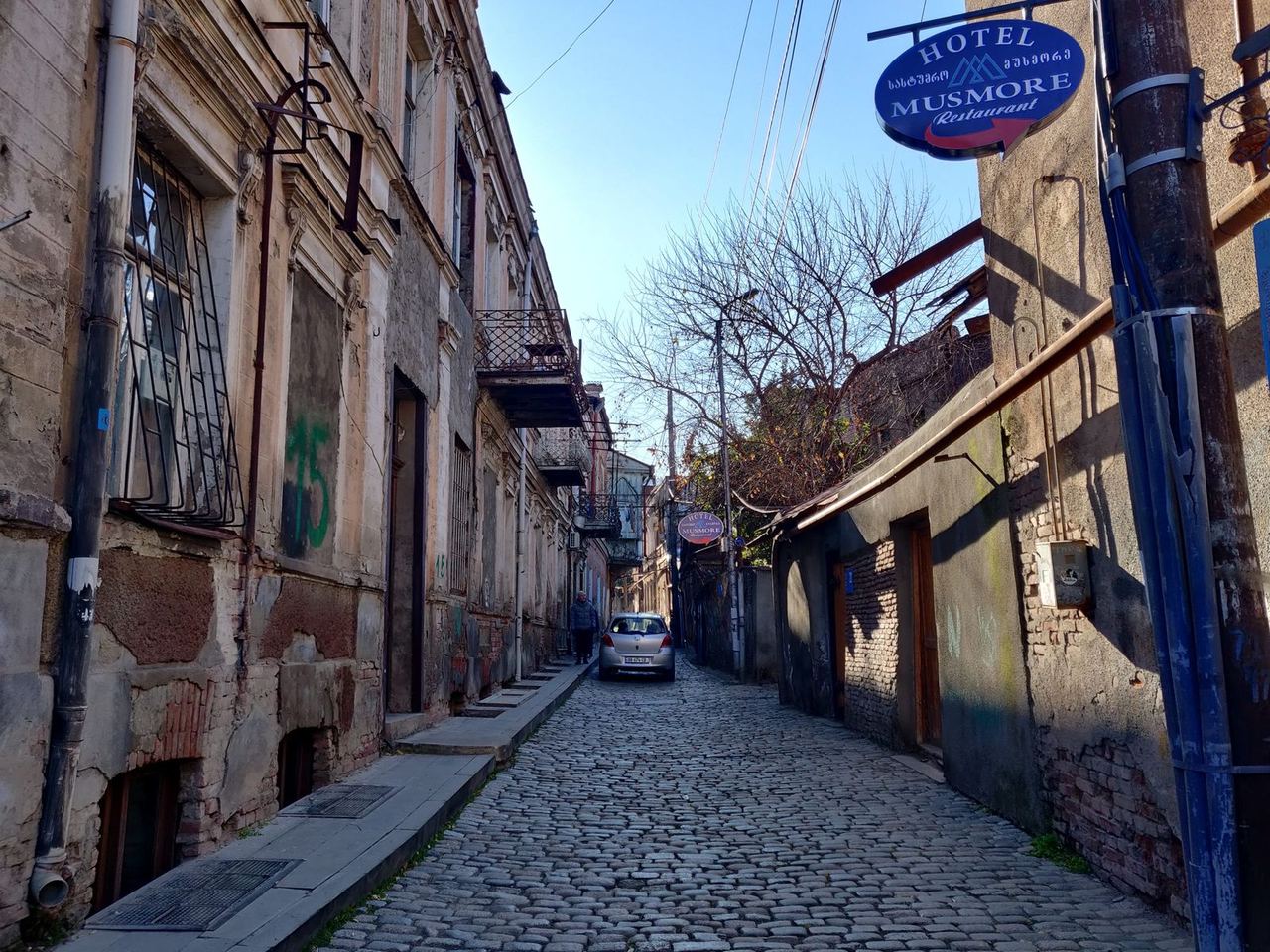
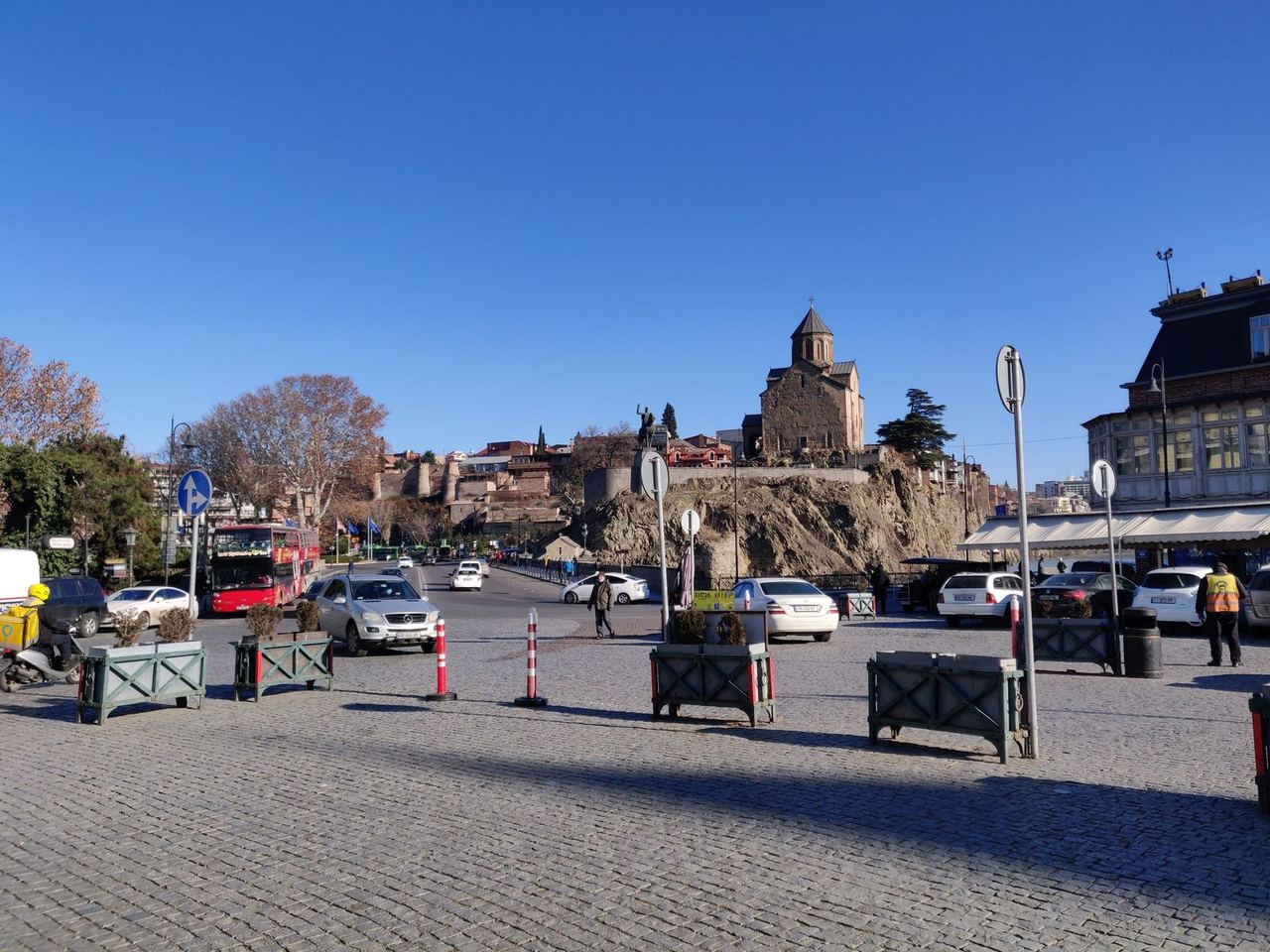
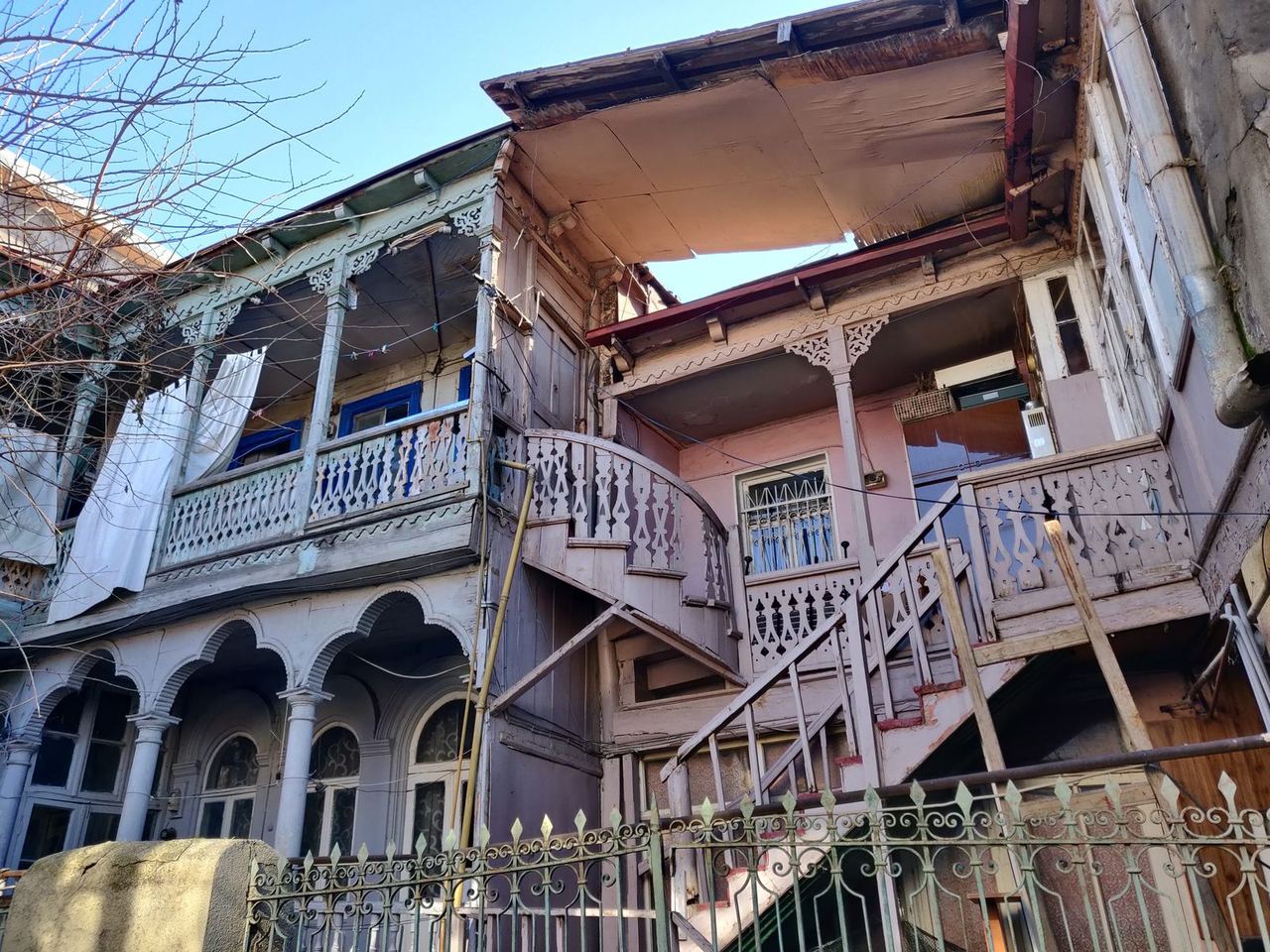
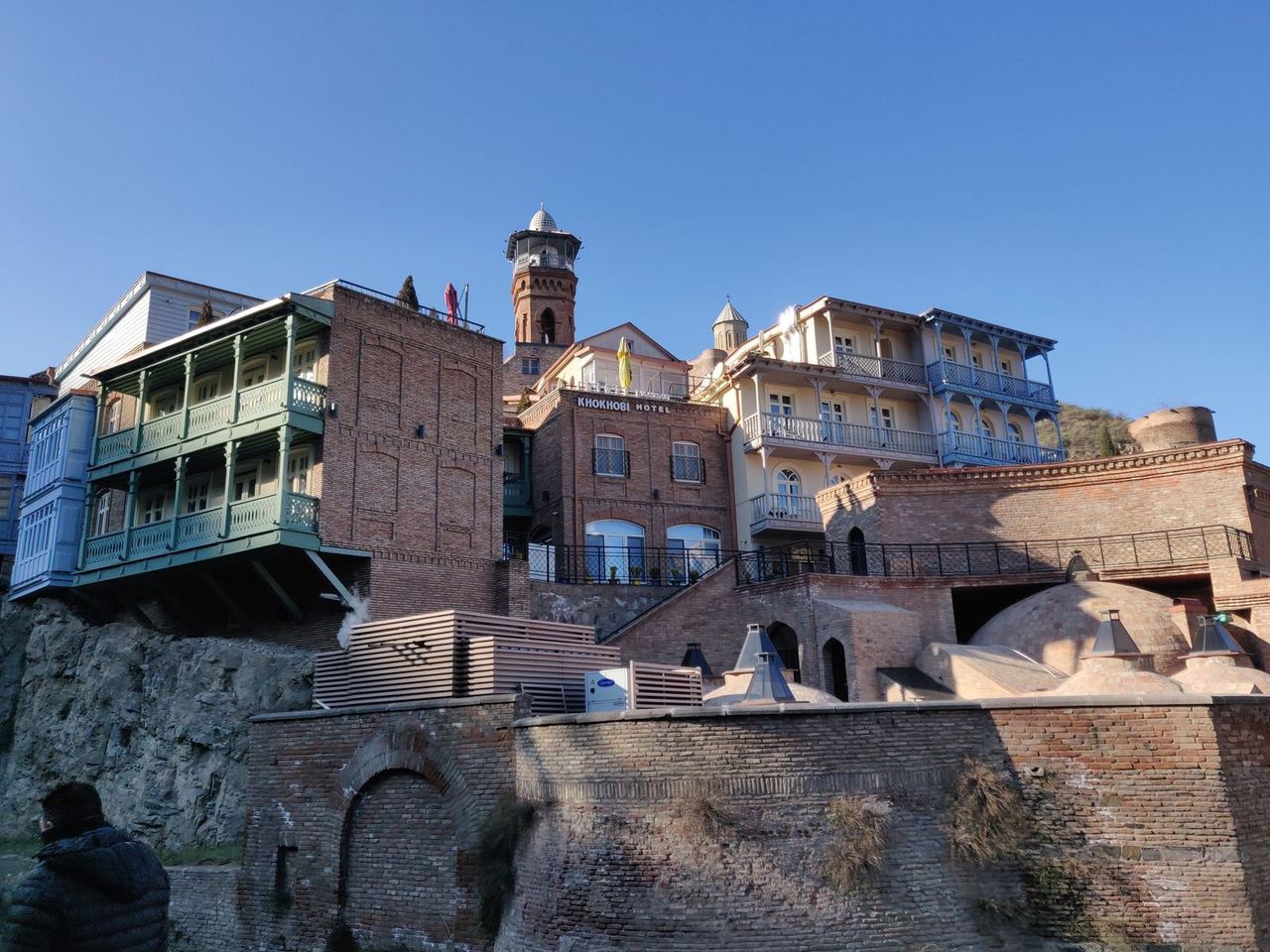
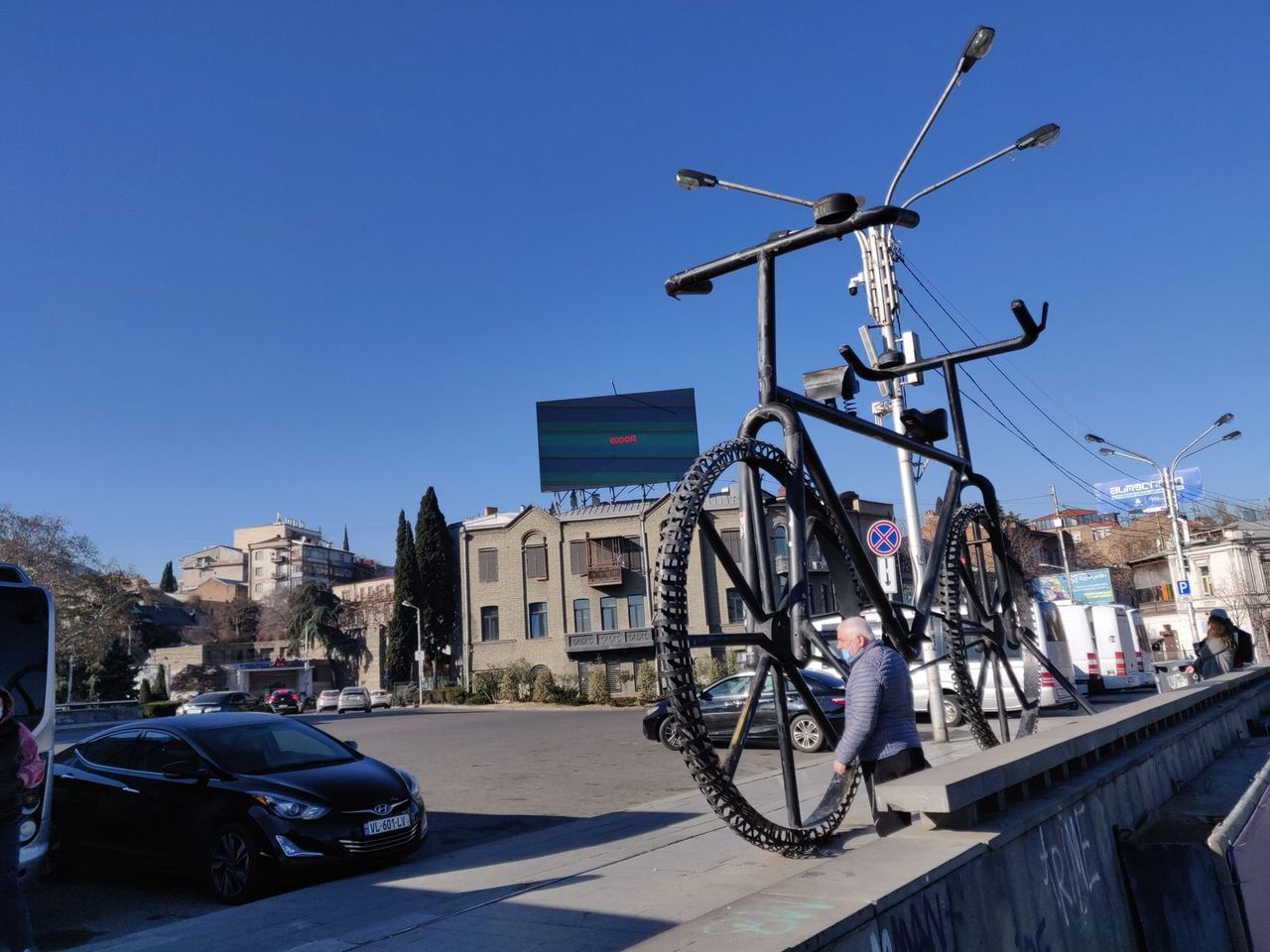
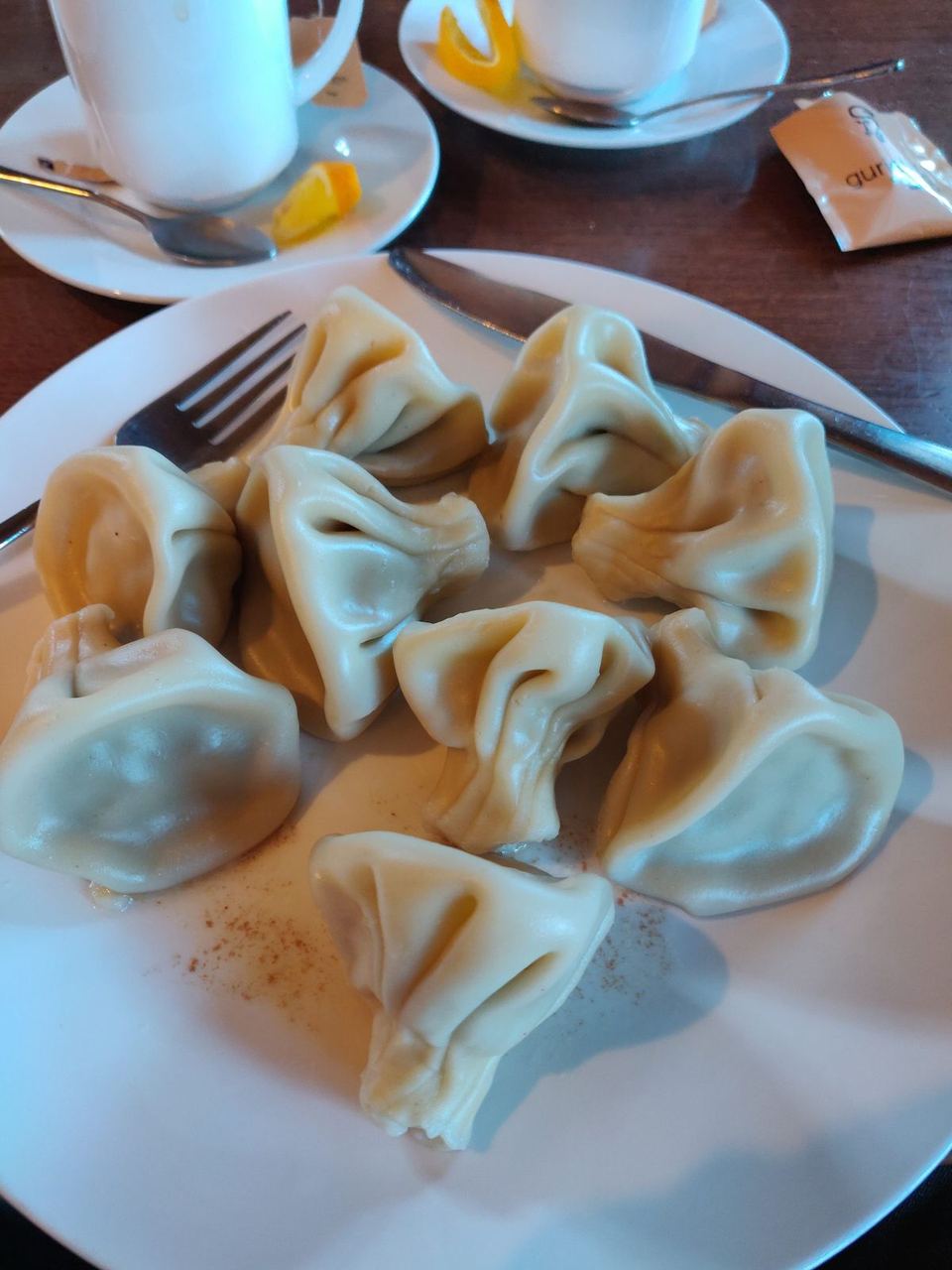
Georgians identify strongly with their wine and with the culinary specialities khinkali and khachapuri – typical dumplings and a cheese bread filled with egg. The streets were full of the familiar Christmas bustle. The main roads were lavishly decorated, and there were small clusters of stalls a bit like Christmas markets. We spent Christmas Eve the three of us, and on Christmas Day we drove to some other overlanders near the capital who had invited us.
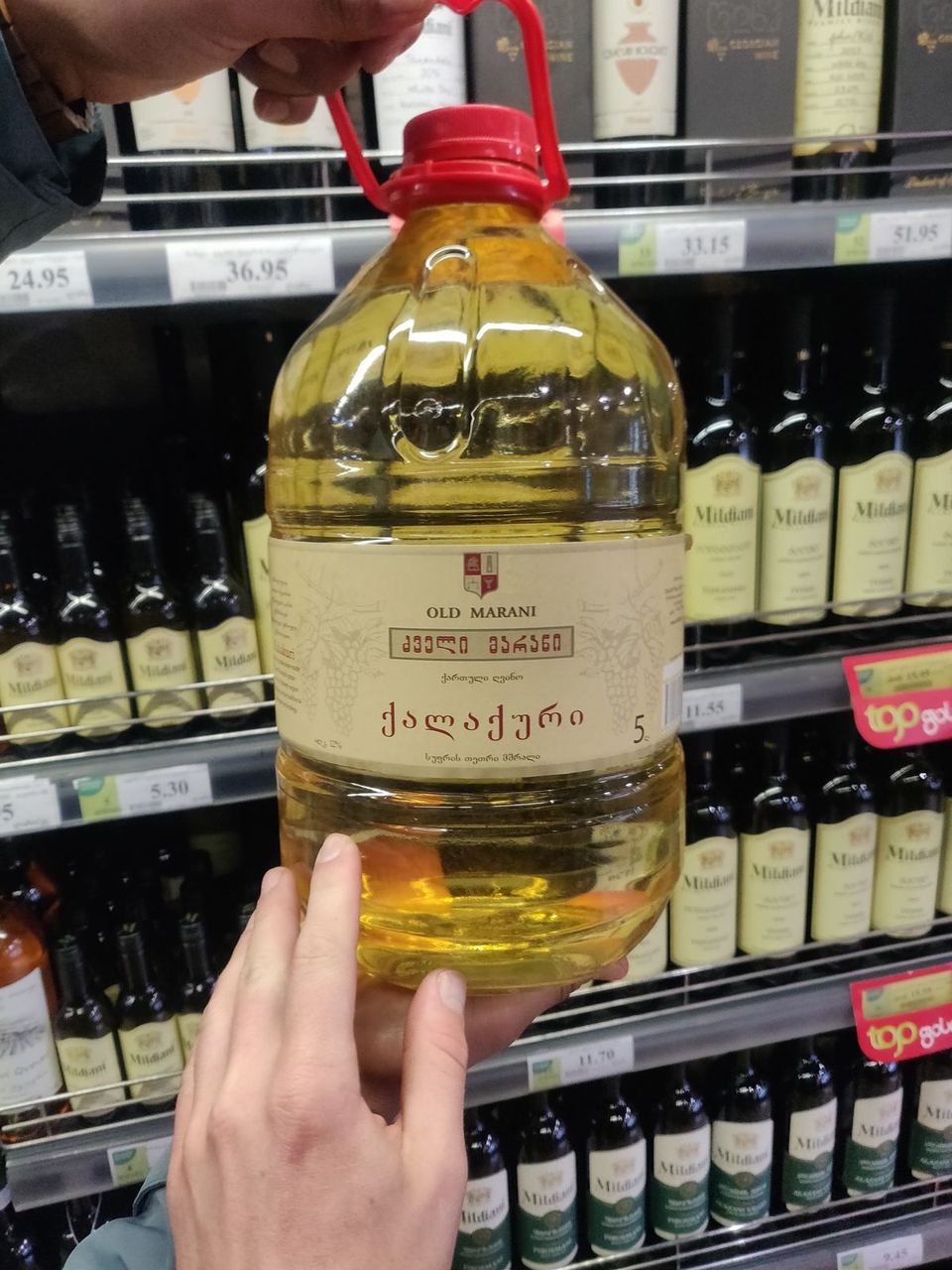
So Christmas Day was very diverse: we were 12 people from 10 different countries. Here we also got to know the Georgian way of drinking home-made wine. It's poured into small glasses (about 8 cl), and after a toast has been made, the glass is emptied in one go. Every now and then the grape brandy chacha joins in. Because of this, the wine isn't bottled in 1-litre bottles but in 5-litre containers. It was a completely different Christmas, with dates wrapped in bacon alongside lamb, turkey and chicken. As a thank-you we got a bag of churchkhela, a sweet also known as the "Georgian Snickers": a candle-shaped string of walnuts coated in a dough made from grape juice and flour – not very sweet, but packed with energy.
After the holidays there were two of us again, and we set off for the Armenian border. At the first of the three crossings, a border soldier told us it was a problem to cross there as tourists, because during the pandemic it was only open for commercial traffic. Of course this wasn't on the official website, and there were no signs saying so either. So we had to drive three hours to the next border, where the next problem awaited. After I had left the Georgian side with the bus, my companion was told that, despite his German residence permit, he needed a visa. The official Armenian website, however, says that holders of a German residence permit don't need one. So we were separated at the border: I wasn't allowed back into Georgia, because – vaccinated or not – you have to show a negative PCR test. At that point we were standing between the borders with a border official, and still a test was required …
So I had to import and clear the bus through customs in Armenia and officially enter the country. After the hour-long entry process, getting a SIM card and buying vehicle insurance, I found out that the earliest test result would be available the next morning. With the help of a police officer, my Nepali friend found out that he had to apply for the visa in person at the embassy. So it was clear we now had to go separate ways. Once we both had internet to communicate, we decided that my companion would try to get into a hotel, while I'd travel alone to Yerevan and then re-enter Georgia and come to the hotel. No sooner said than done: with nothing but his passport, phone and wallet, my companion found a hotel, and I set off at night for the Armenian capital, keeping in mind that the PCR test could be at most 48 hours old to get back into Georgia.
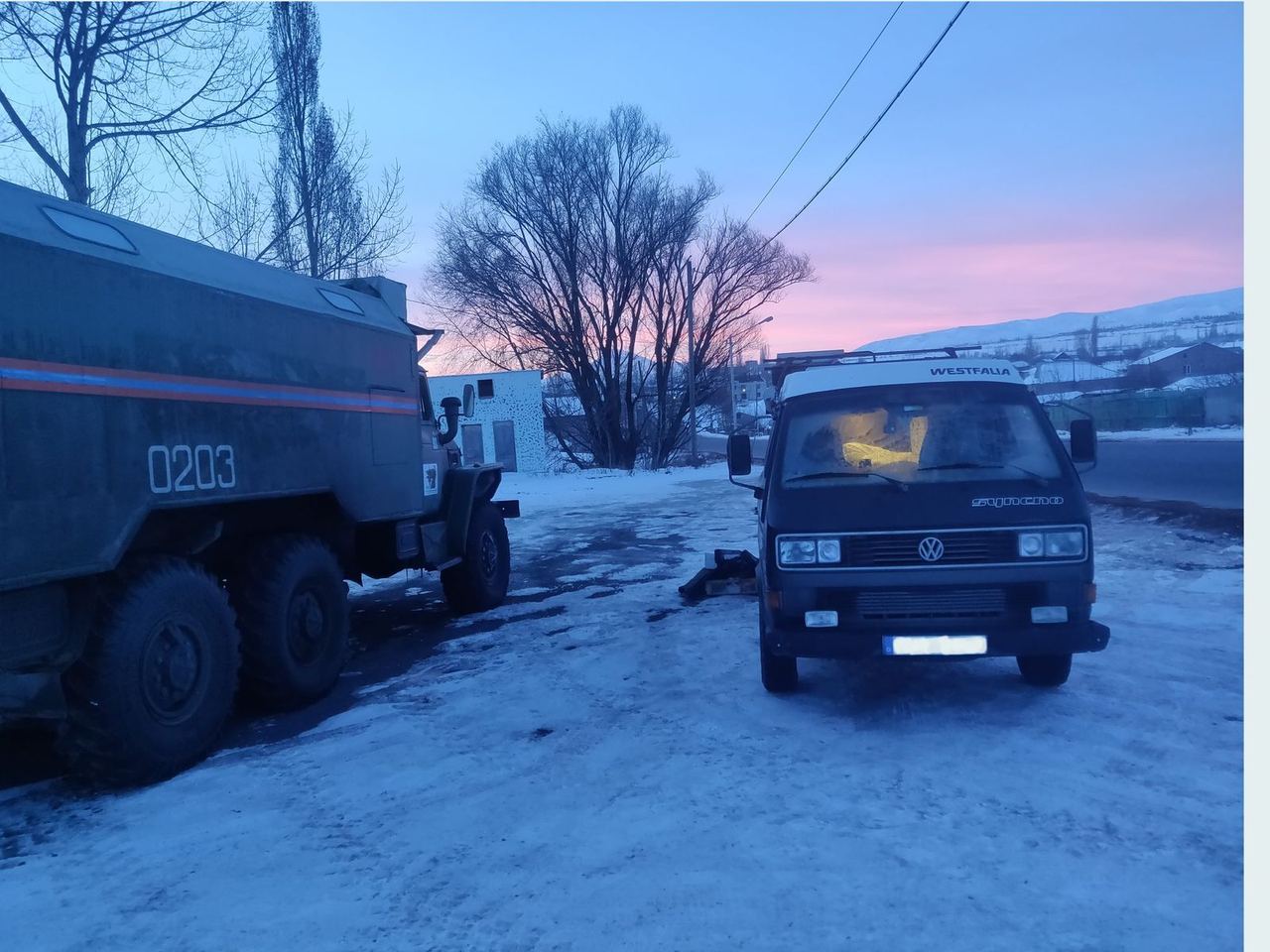
On the four-hour drive over some very poor roads and across the Lesser Caucasus, the engine got quite hot despite an outside temperature of -15 °C. Both oil and coolant temperature rose sharply, and I had to make an emergency stop. The next morning I wanted to get to the bottom of it – and realised I'd slept next to a military vehicle and a container, which I hadn't noticed when I arrived. At a still crisp -10 °C, soldiers invited me into their container for tea. Despite the communication difficulties I tried to explain the problem. One soldier was a mechanic but couldn't help either; there was nothing obviously wrong with the cooling system from the outside. Without the cold-start device (it had frozen), I drove on towards Yerevan. After a short while the problem came back. I bled the cooling system, and then it seemed to work again. Later it turned out that the coolant in the radiator had probably frozen on the night-time descent, so it couldn't circulate. The coolant should have been good down to -30 °C – apparently it wasn't.
The reason I drove to Yerevan was that I wanted better protection against the fast-spreading Omicron variant, and that went smoothly. On the way back to Georgia I was able to print out my PCR test: I found someone at a bank who spoke English and asked him to call the test centre and have the result emailed to me, which normally isn't possible. They kindly printed it out for me at the bank too.
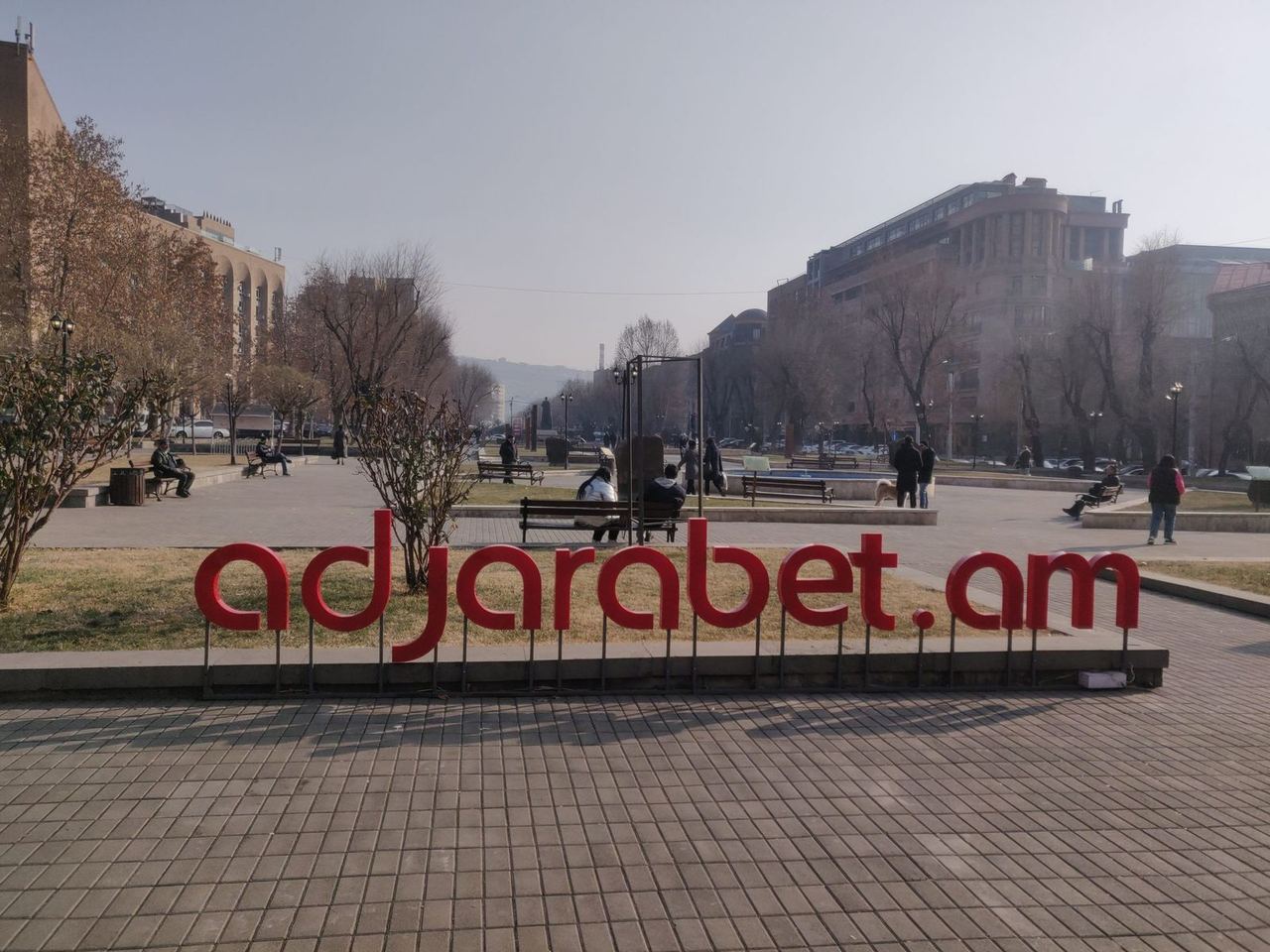
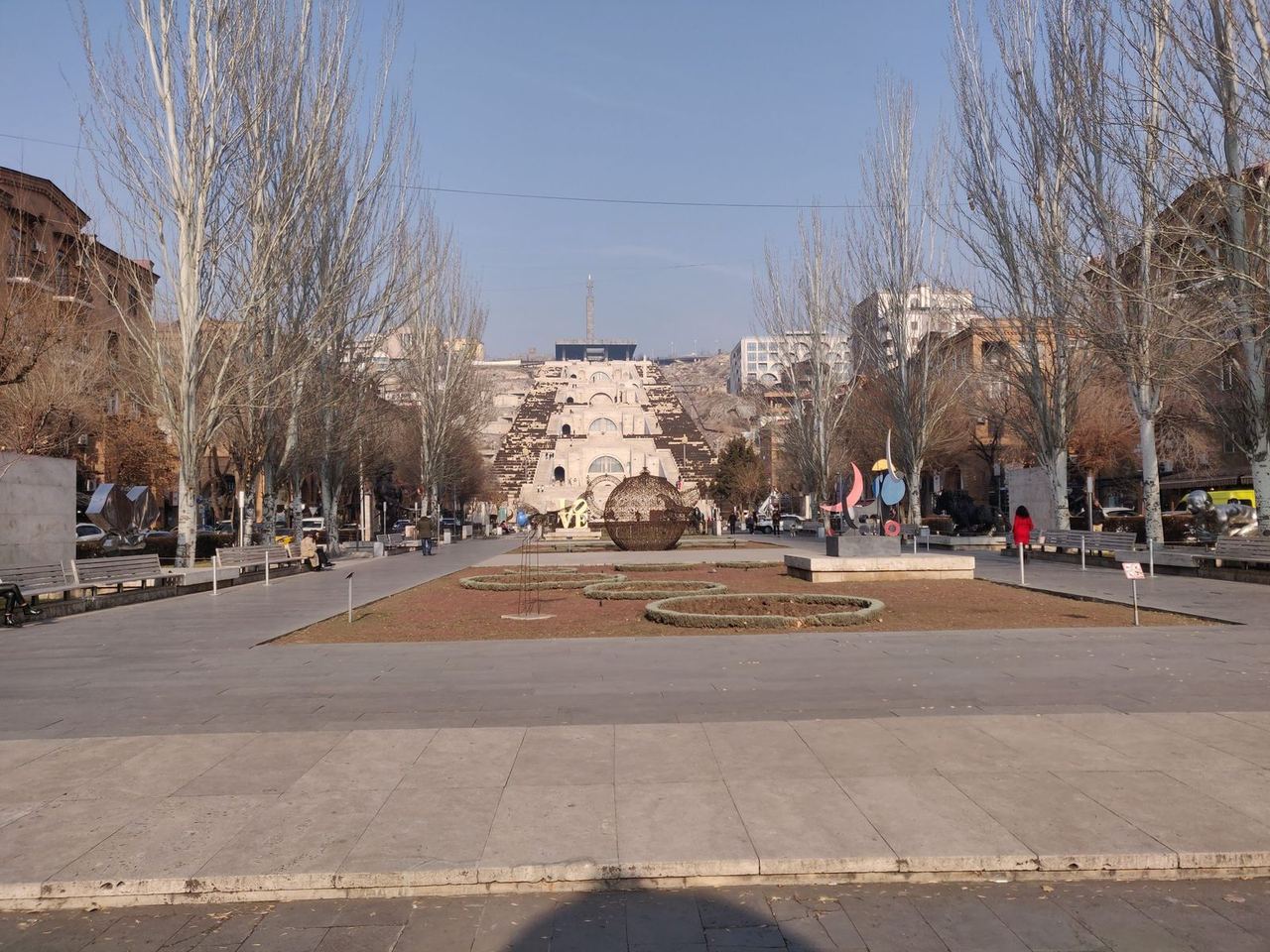
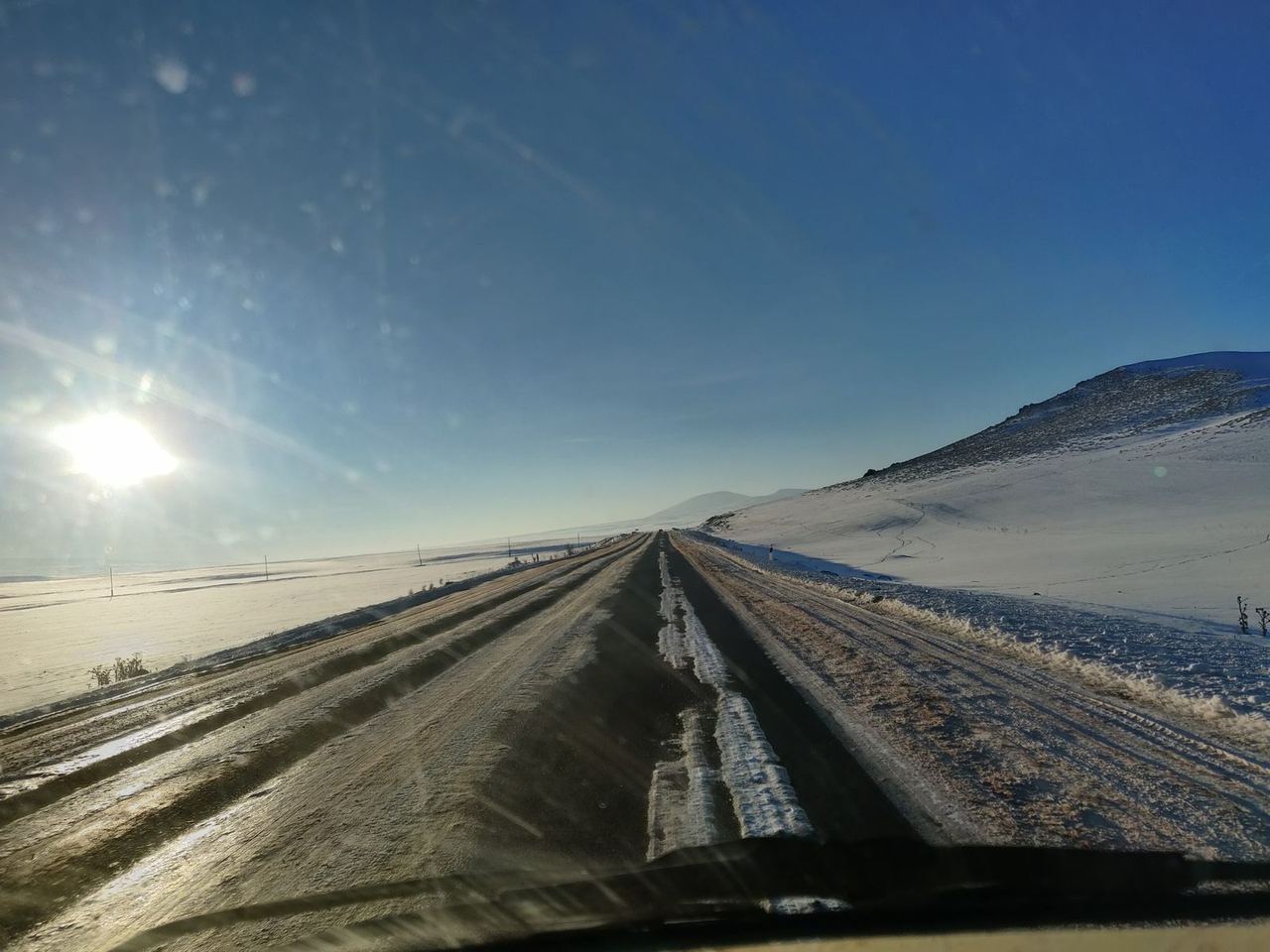
About 100 km before the border, unfortunately, the gear lever broke. The actually solid metal tube snapped at the point where the spring for engaging reverse gear is fixed. A screw that had been tightened too hard had left several notches in the tube, which then acted like a predetermined breaking point. Using tent pegs, the awning and duct tape, I fixed the lever temporarily and was able to drive to the hotel. The border crossing went without incident, and after a good 34 hours apart I saw my travel companion again. Worn out by the vaccination and everything that had happened in Armenia, I was glad to arrive at a hotel.
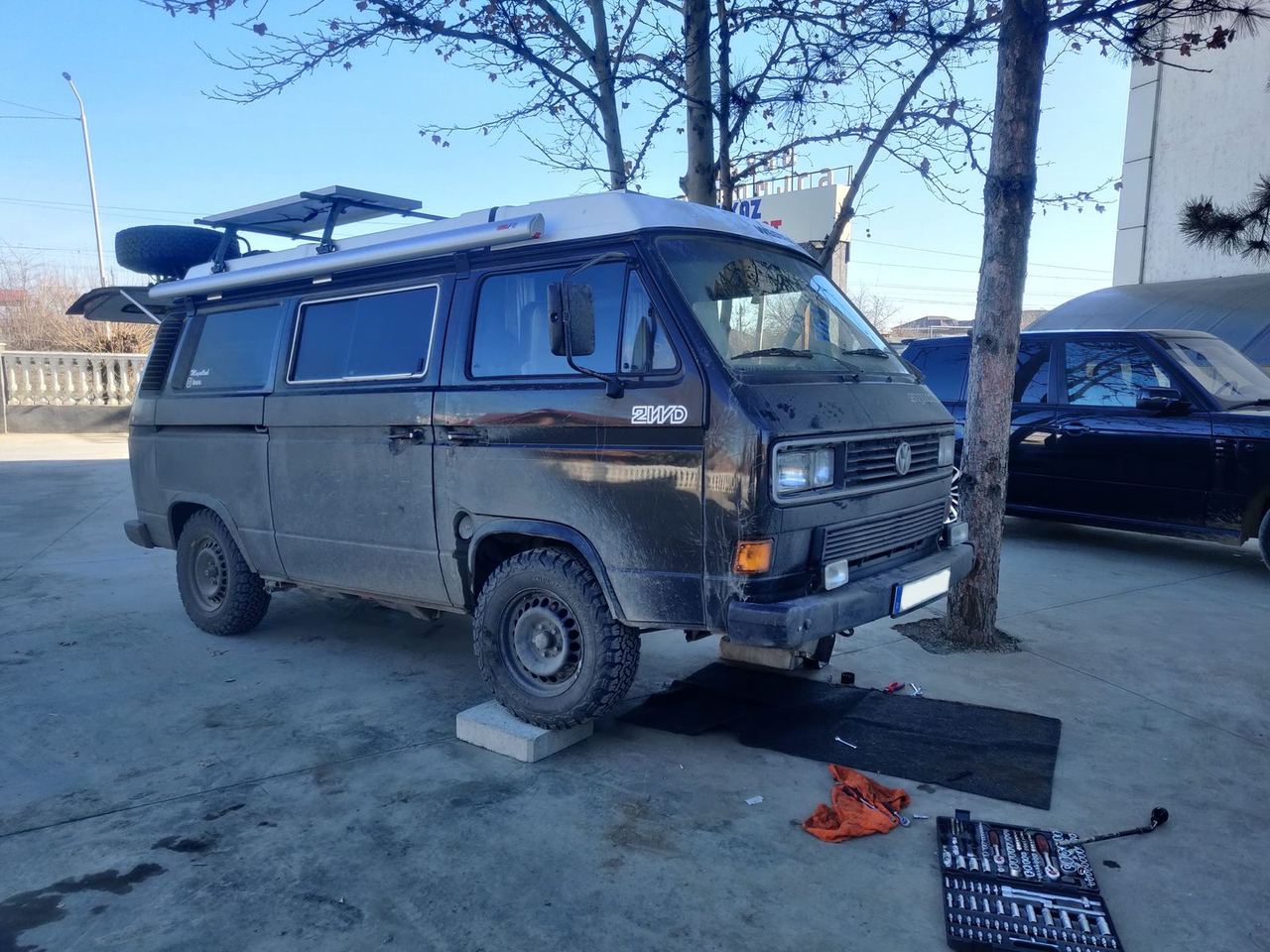
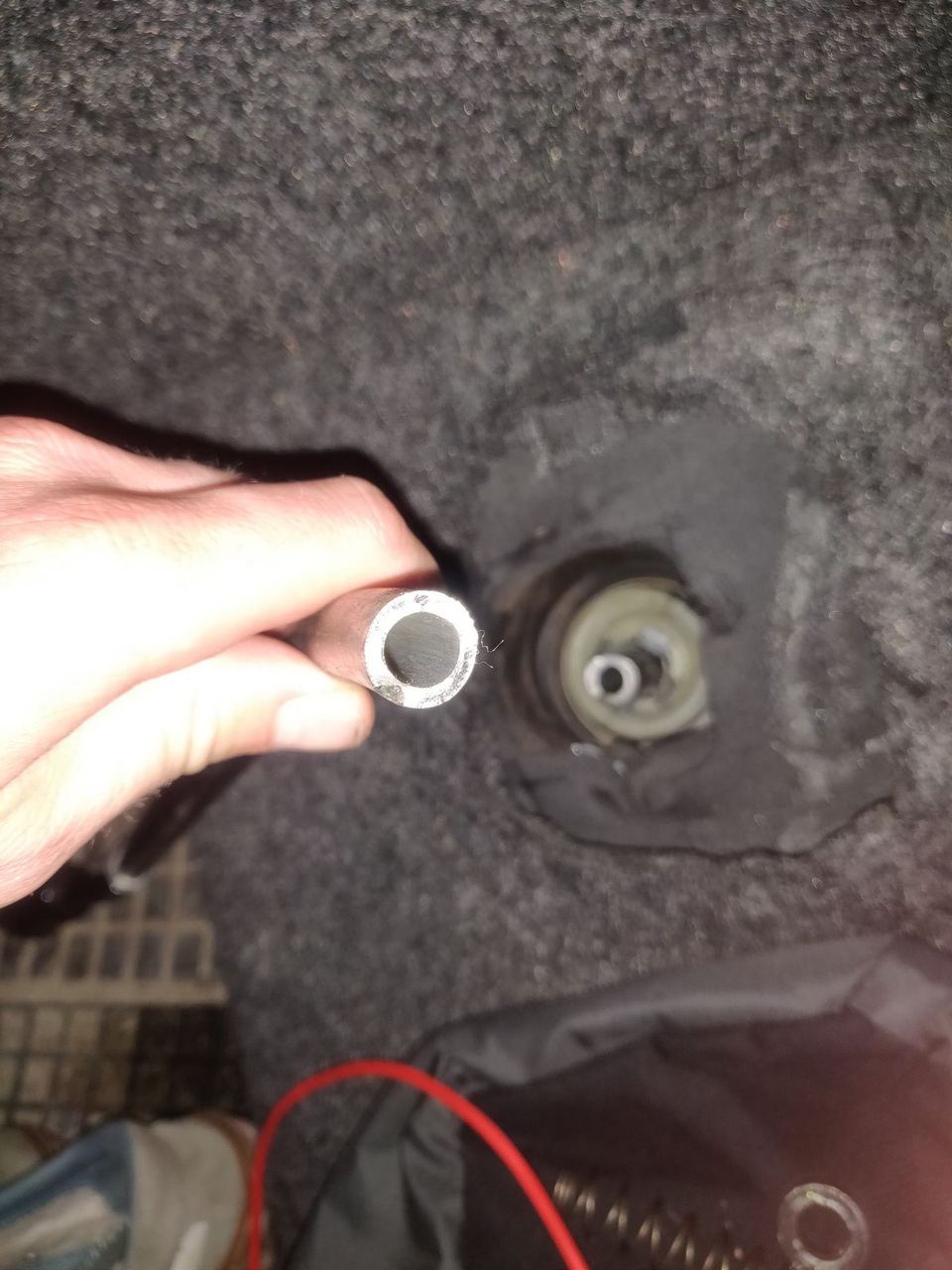
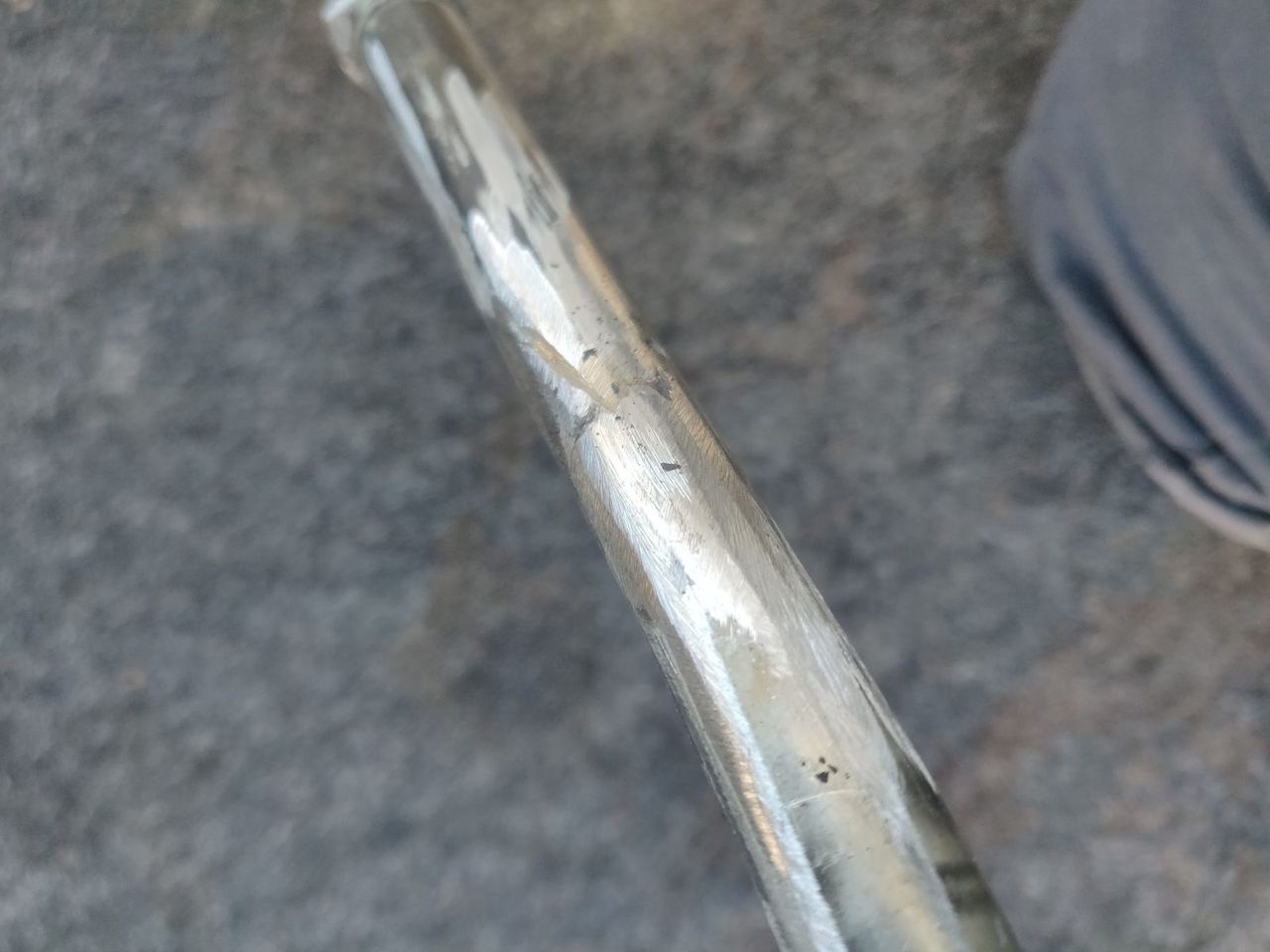
On the last day of week seven I removed the gear lever and had it welded at a garage next to the hotel. Then I serviced the brakes, as they squeaked now and then, and filled the cooling system with plenty of antifreeze.
We'll now head back to Turkey to try to get into Iran from there.
Journey from Germany to Nepal - VW T3 - Week 7 - Georgia - ArmeniaWatch the video on YouTube