Central Asian adventure – travelling through Kazakhstan and Kyrgyzstan
After our time in Iran, a friend and I headed on to Central Asia: Kazakhstan, Kyrgyzstan and possibly Uzbekistan were on the plan. At the beginning of the year the idea had been to drive back from Nepal via the 'Stans and Russia. Of course, the war in Ukraine put an end to that at the latest. Still, my dream of travelling to these parts in the bus remained. There were two problems, though: first, it was very difficult to get there by car, and second, my time was limited, as I had to be back in Germany in October – my trip would be over then, and I'd be continuing my education.
There are three ways to get to the 'Stans: by ferry from Azerbaijan to Kazakhstan, via Turkmenistan to Uzbekistan, or via Russia to Kazakhstan. The ferry across the Caspian Sea does run, but all of Azerbaijan's land borders have been closed since mid-September 2021. Many other travellers I met had even tried to enter overland through diplomatic channels, but it seems impossible. Going via Iran and then Turkmenistan is just as difficult, as there are currently no transit visas – let alone tourist visas – for Turkmenistan. And the route through Russia was already heavily restricted in time and regulated for Europeans before Covid; since the war, visas are almost unobtainable.
On top of that, we'd only have had four weeks at most to travel around Central Asia.
So after Iran we flew from Tbilisi to Nur-Sultan (formerly and now again Astana), where we were expecting another friend from Berlin.
Our plan was to use two weeks to travel parts of Central Asia: one week in Kazakhstan, and for the other we wanted to rent a vehicle in Kyrgyzstan.
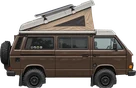
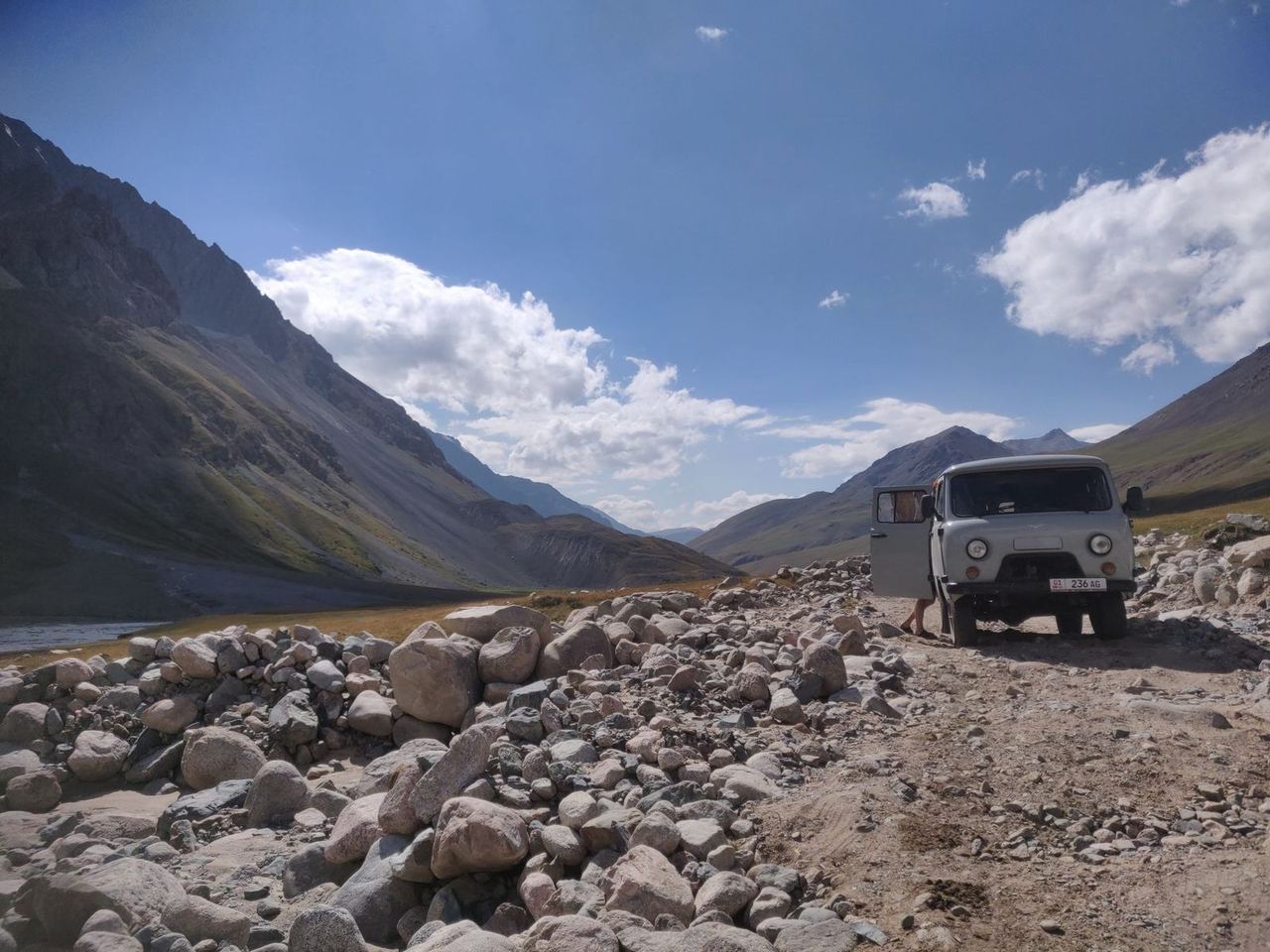
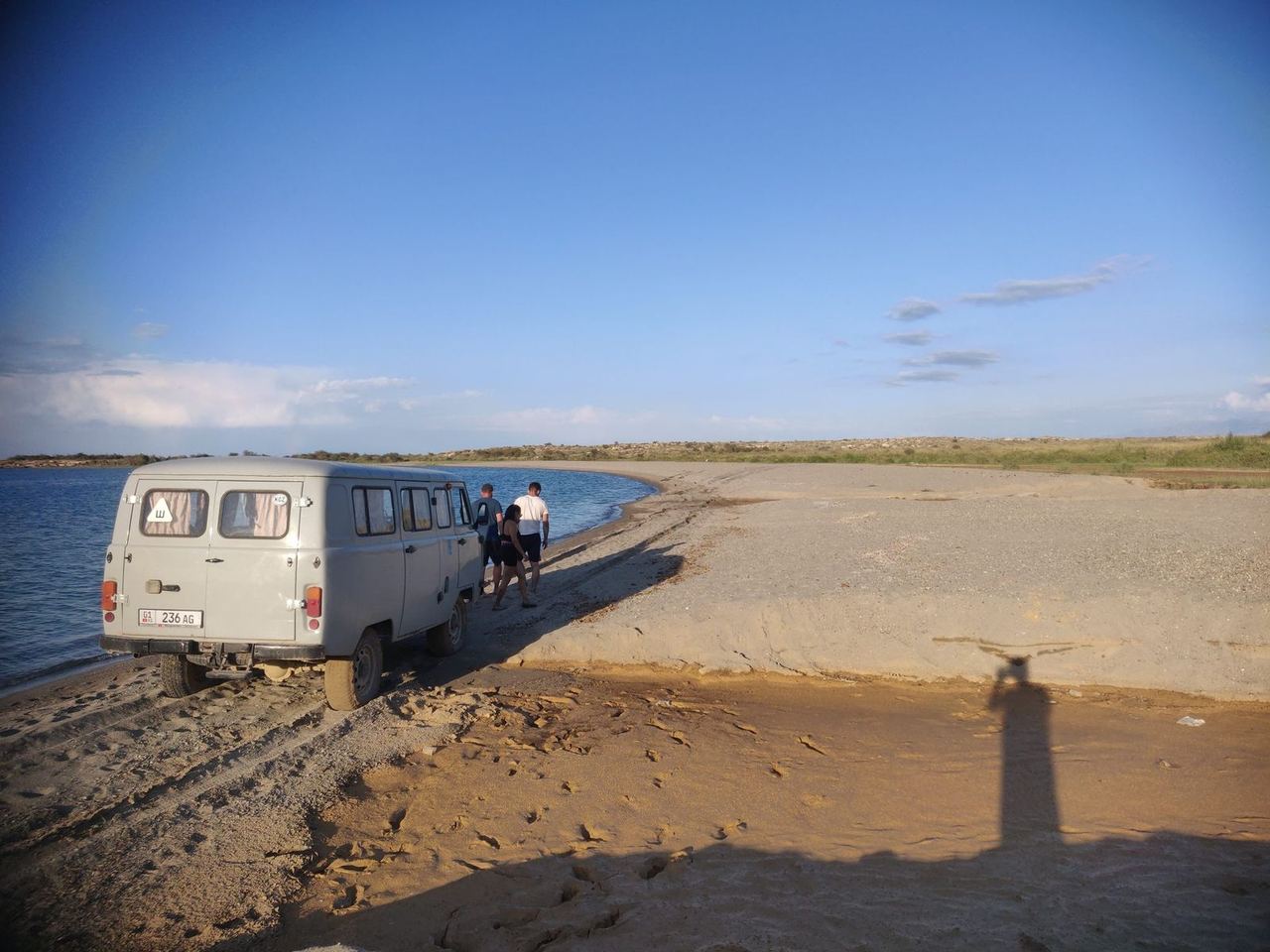
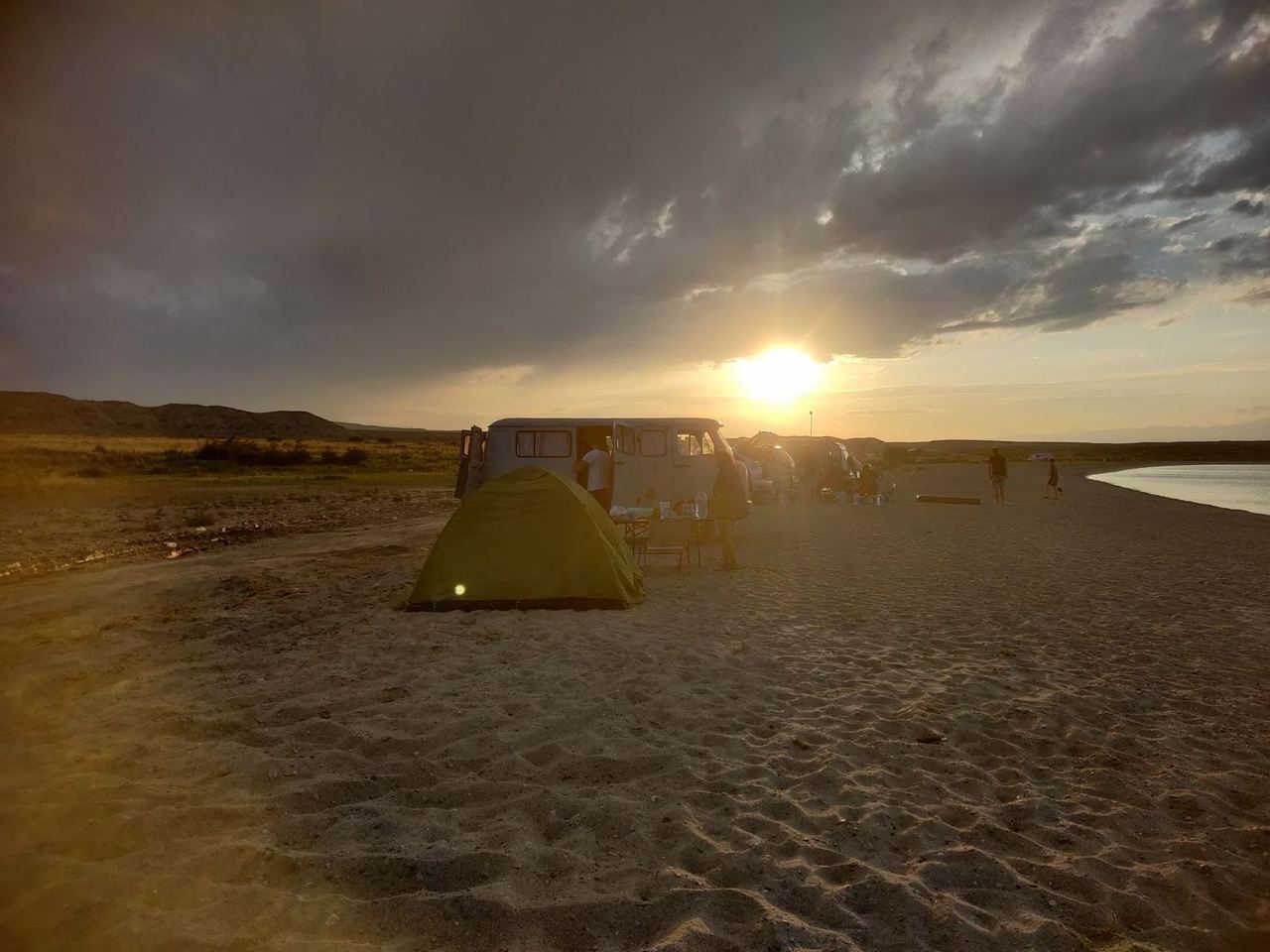
I didn't want to give up on the camper experience, so I rented a UAZ 452 in Bishkek, the capital of Kyrgyzstan. It looks a bit like a VW T2 but is a Russian four-wheel-drive minibus. It has been built practically unchanged since the 1960s and is popularly known as "Bukhanka" or "Tabletka" – meaning "loaf of bread" or "pill".
So at the beginning of August we travelled to Astana, planning to take the night train after two days to the old capital, Almaty, about 1,200 km away. We wanted to book the ticket at the main station on our first day in the country, as other travellers had told us it was enough to buy it on the spot a few days before departure. Unfortunately that wasn't the case: the night train we'd planned to take was fully booked – for the next five days. So we booked a flight to Almaty.
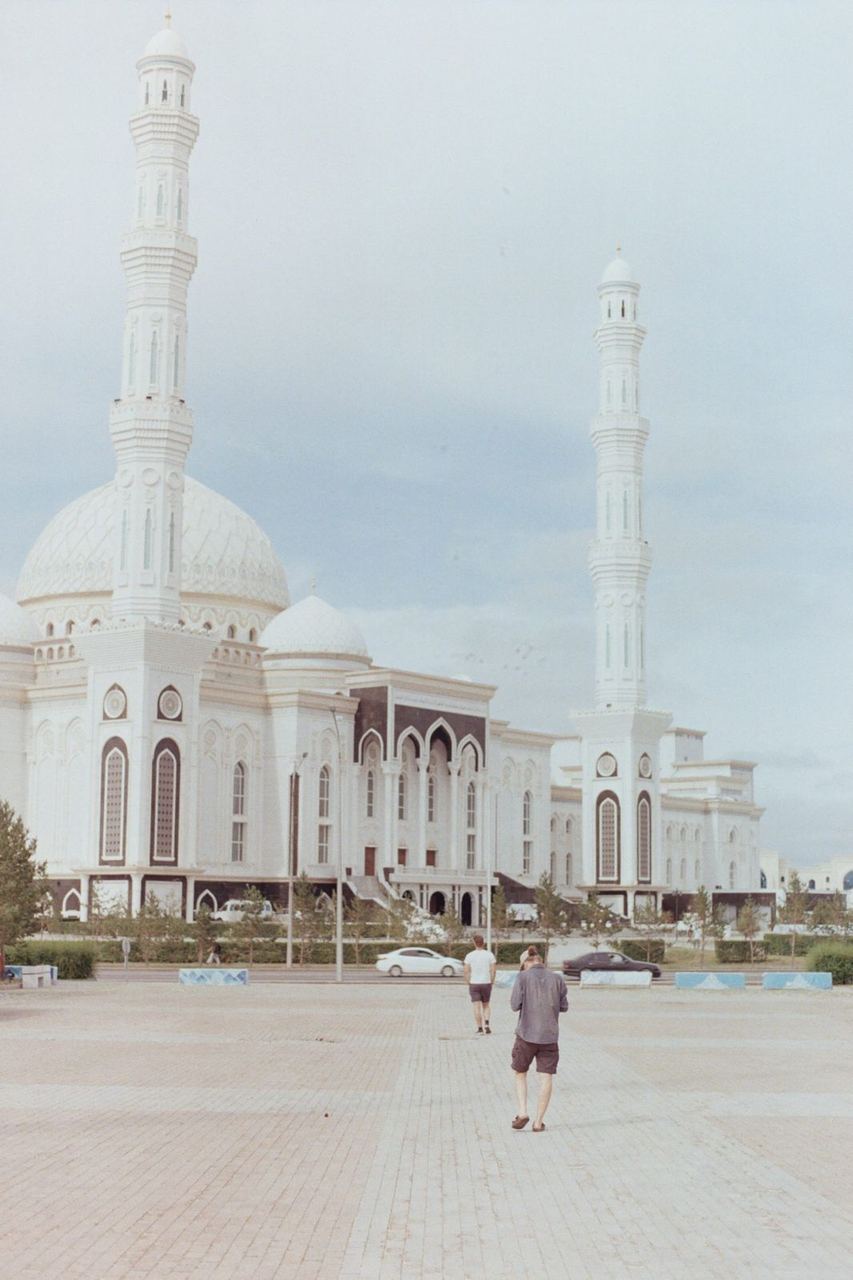
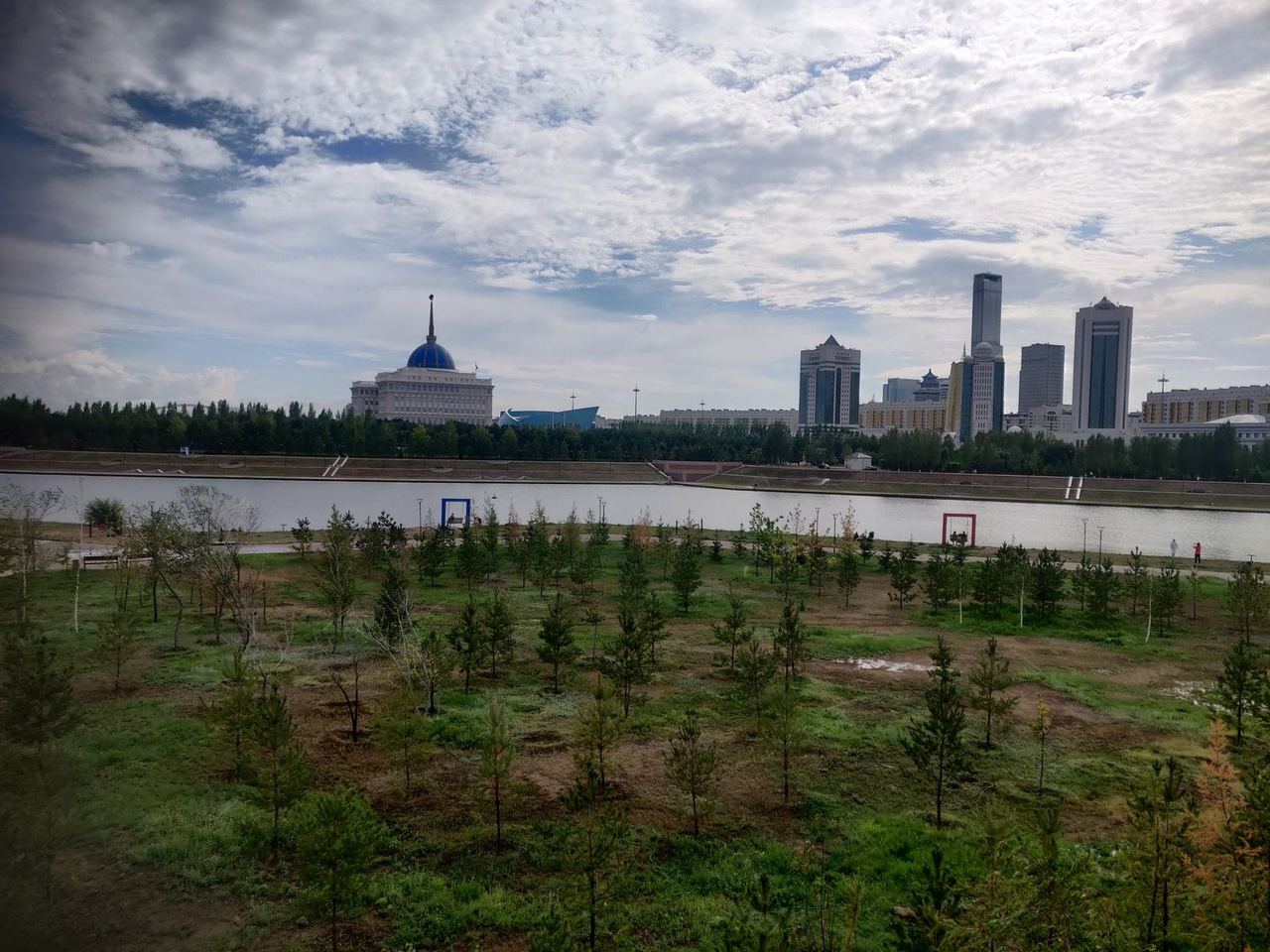
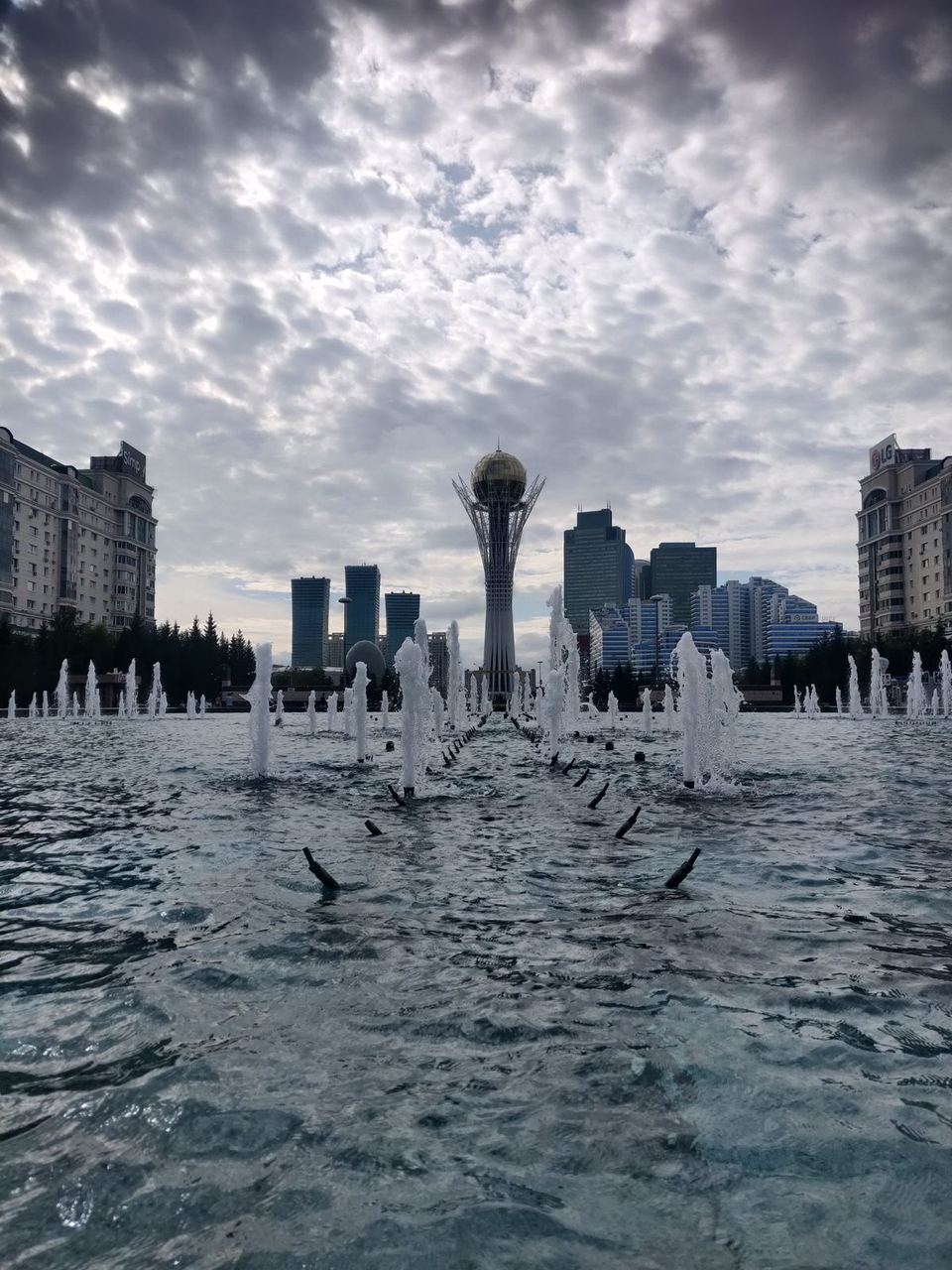
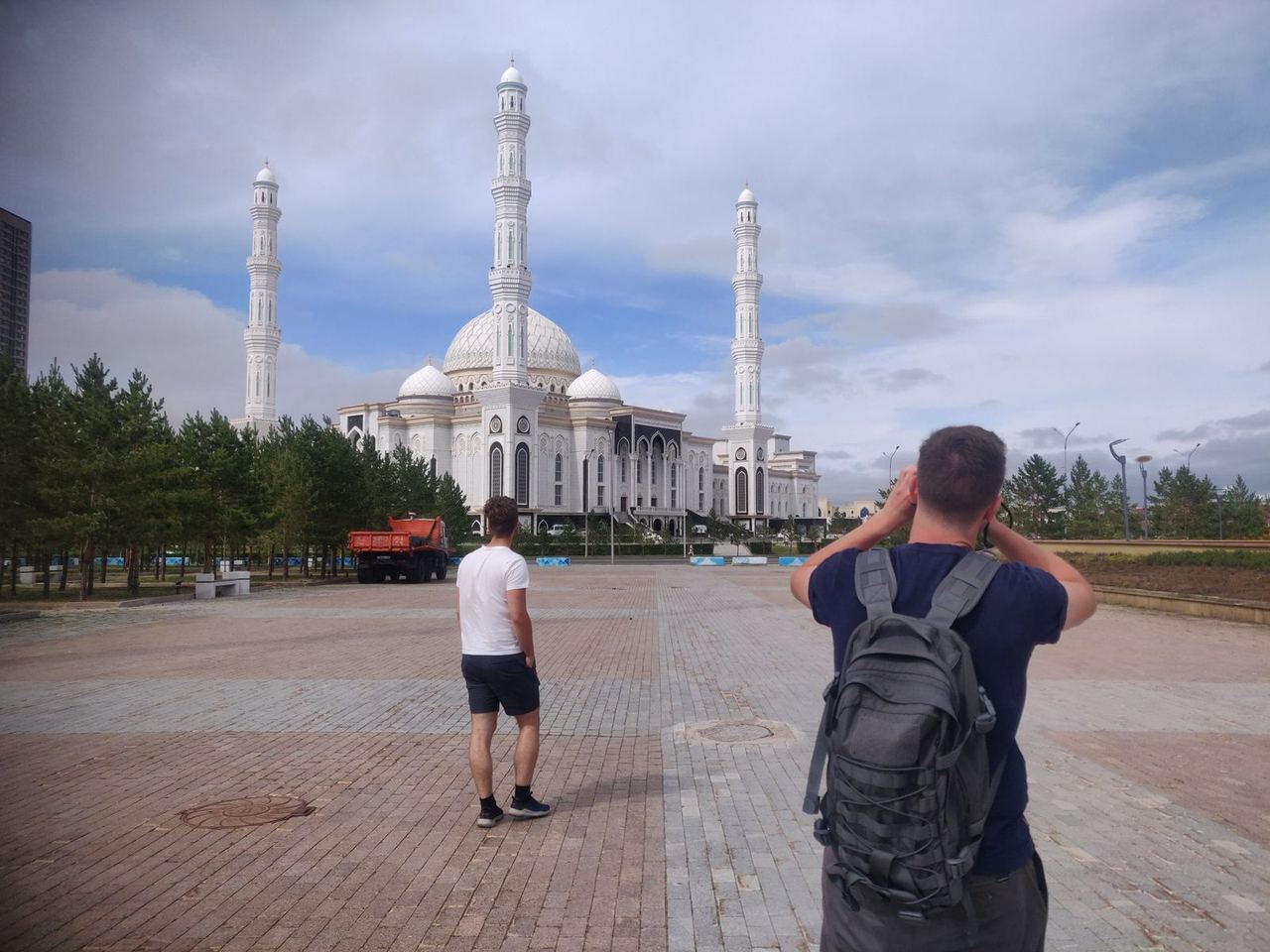
In the capital we visited museums and looked around the city. We also met people from Russia, Kazakhstan, Brazil and Kyrgyzstan in a bar – a meet-up we'd organised via Couchsurfing. The city became the capital after the fall of the Soviet Union. It lies in the middle of the Kazakh steppe and was planned entirely on the drawing board. Walking around it felt eerie: for its size the city is too empty, and the pavements, roads and shopping arcades seem oversized.
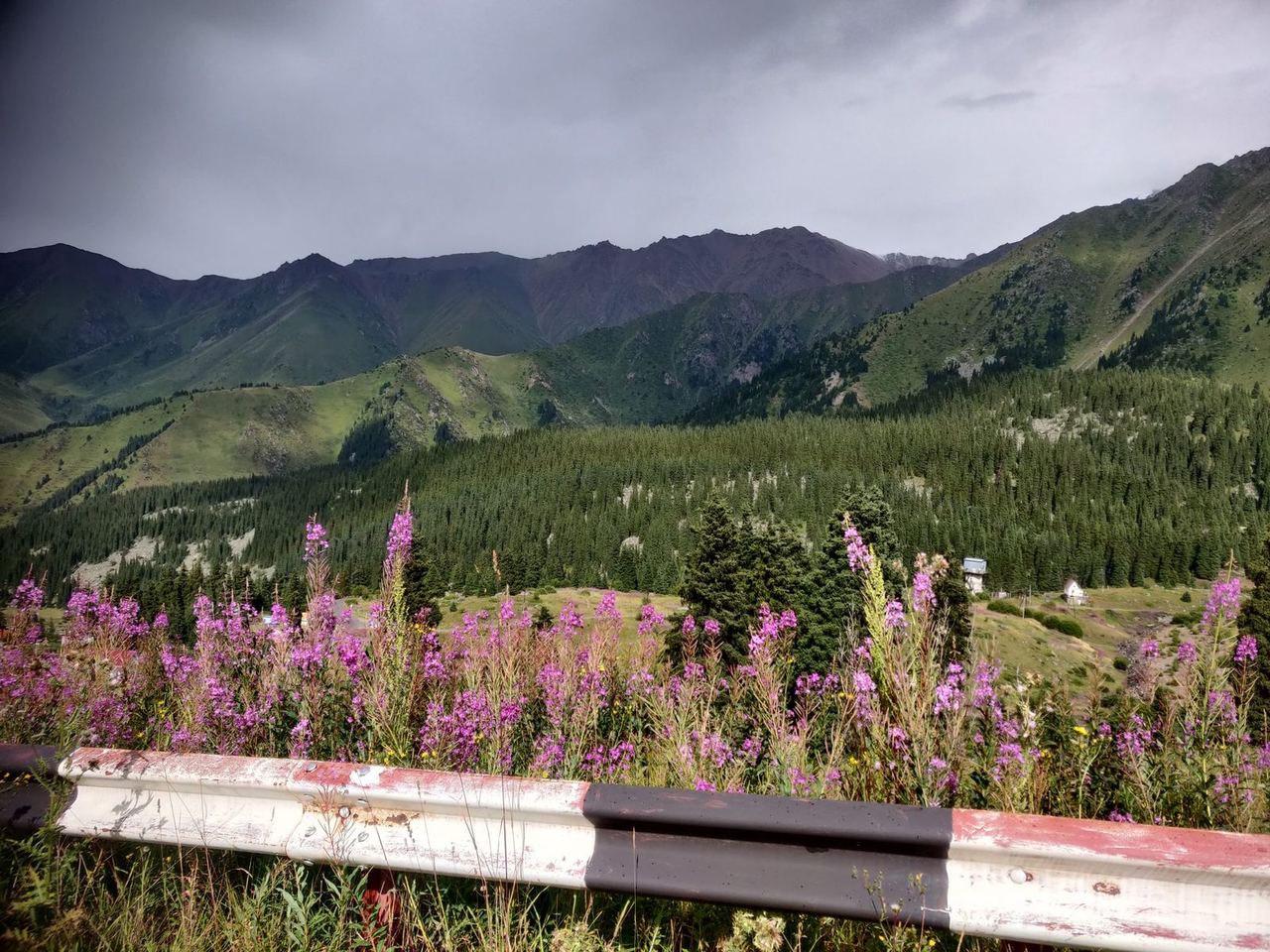
Almaty, on the other hand, feels more normal – the city has grown organically and is as cosmopolitan as it is traditional. We made day trips to Big Almaty Lake, at 2,511 m, and to Shymbulak, a mountain at 2,200 m. Besides these hikes we explored the city a bit and organised another international meet-up in a bar. We spent a lovely evening with all sorts of people from Almaty and Kazakhstan over Kazakh snacks and drinks.
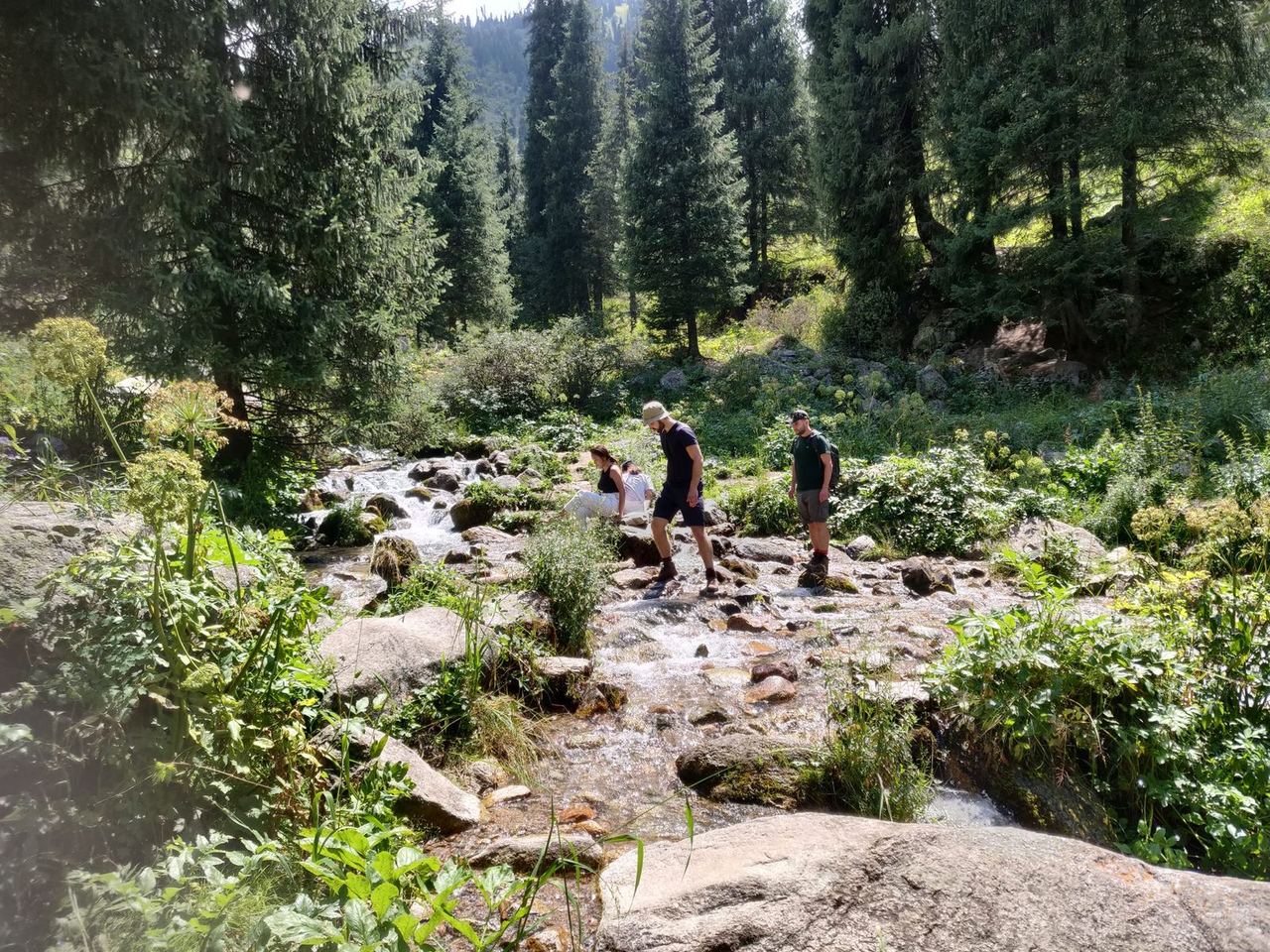
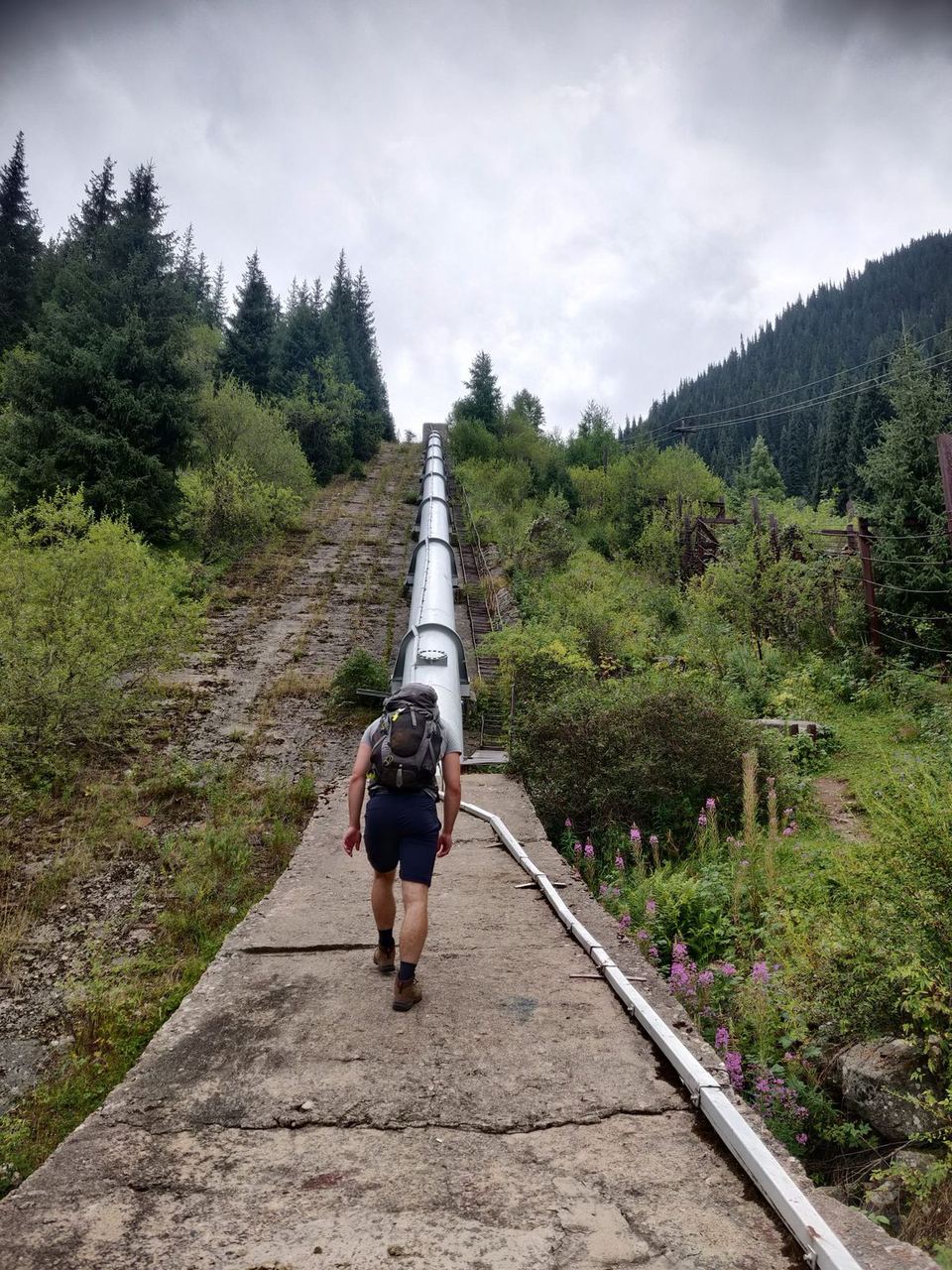
Kazakh is a Turkic language and similar to Kyrgyz. We learned that later in Kyrgyzstan, as a Kazakh woman joined our trip and travelled with us to Bishkek, so from there on there were four of us in the UAZ Bukhanka. That was a stroke of luck, as she made communication enormously easier – she spoke very good English, Russian, Kazakh and Kyrgyz.
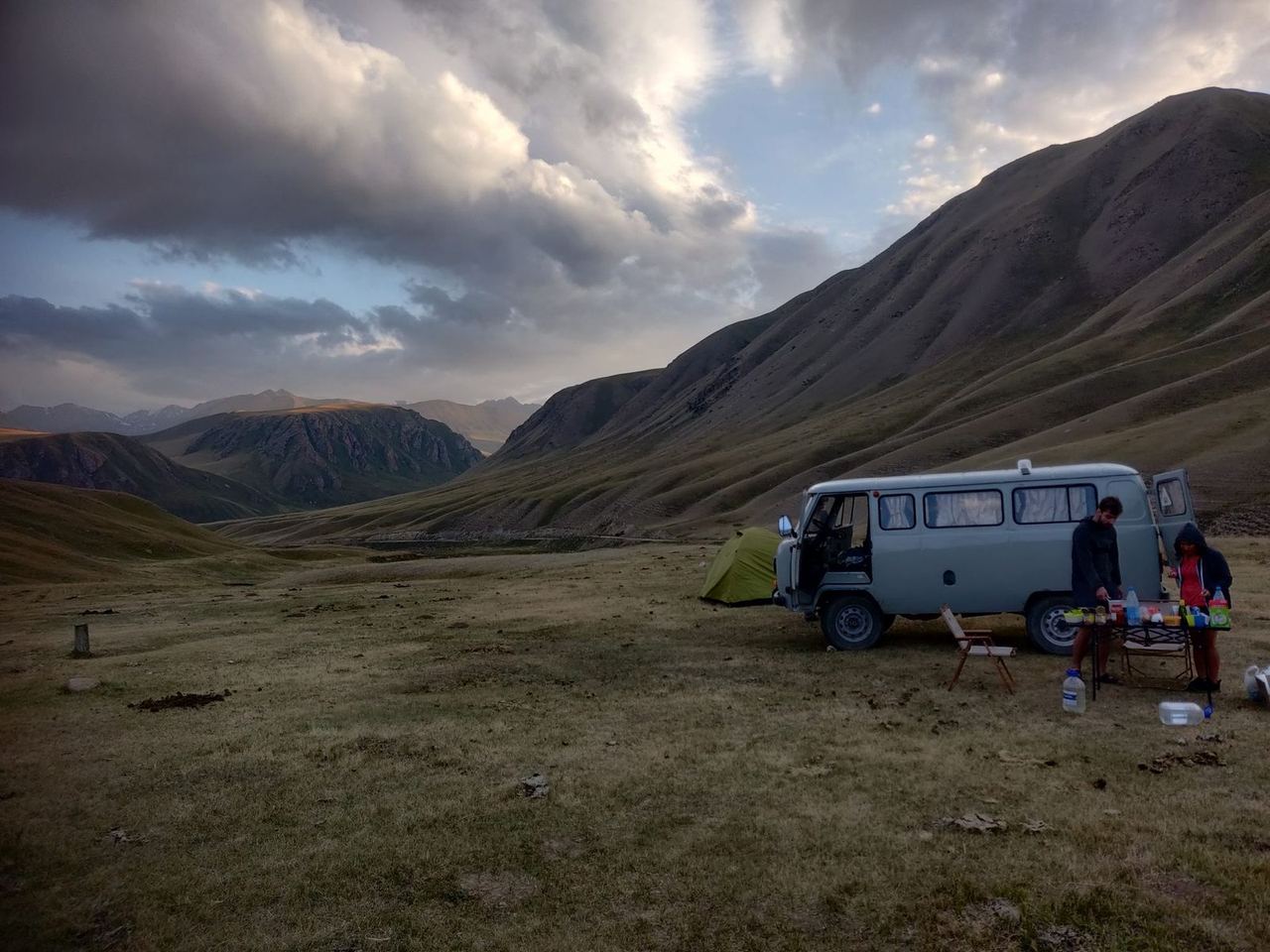
We had the UAZ for six days and covered about 1,300 km in total with this four-wheel-drive vehicle. Its fit-out was basic: a large fixed bed, a table and a few USB sockets. So two people slept in the UAZ and two in the tent. We also rented camping furniture and warmer sleeping bags.
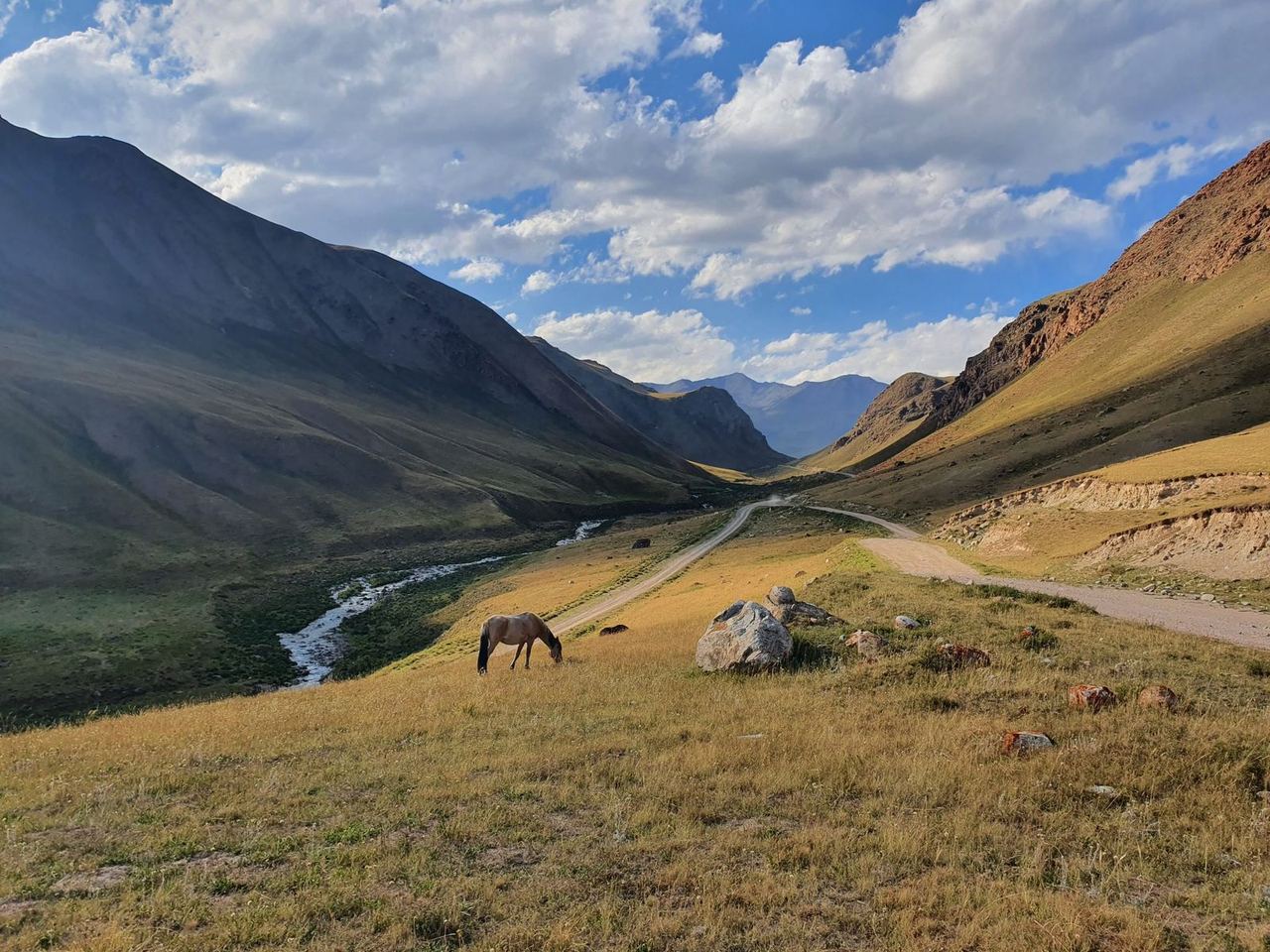
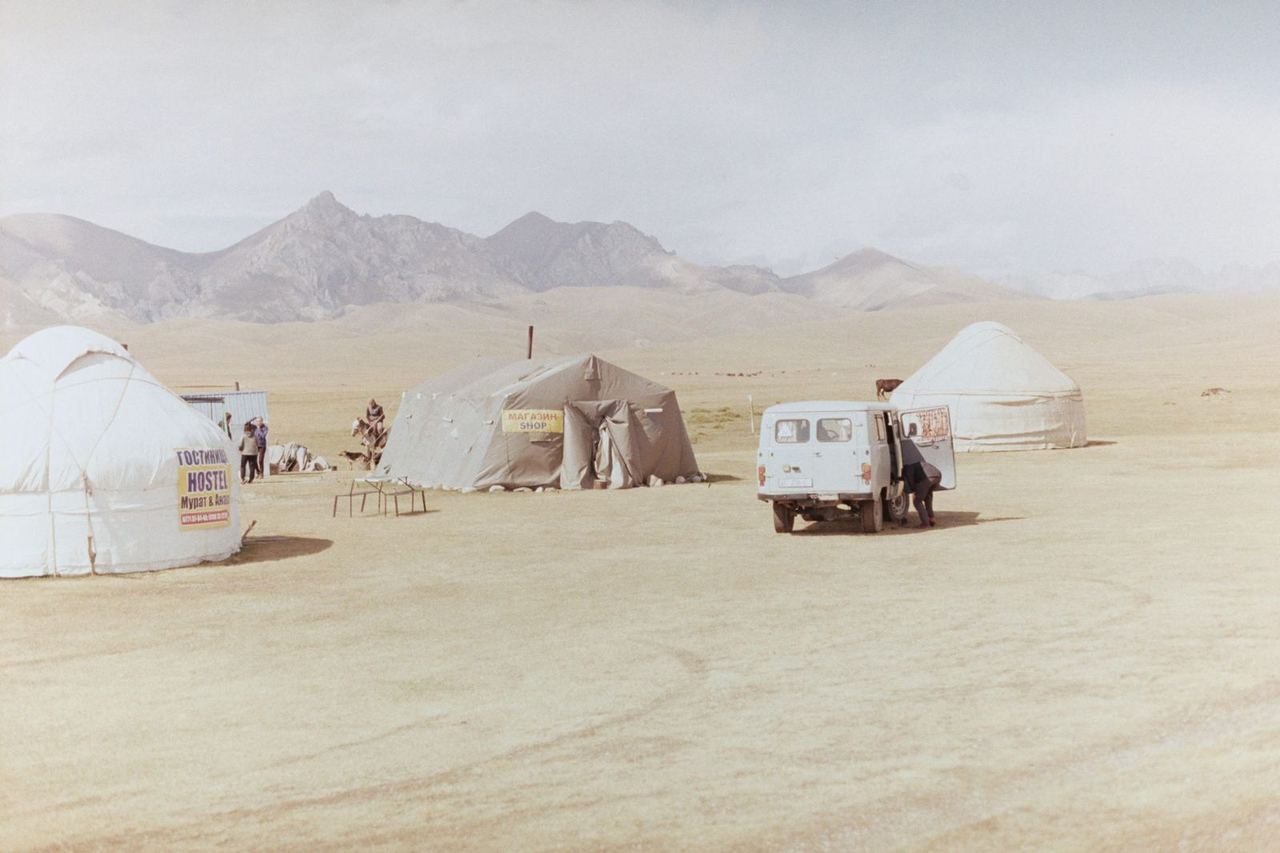
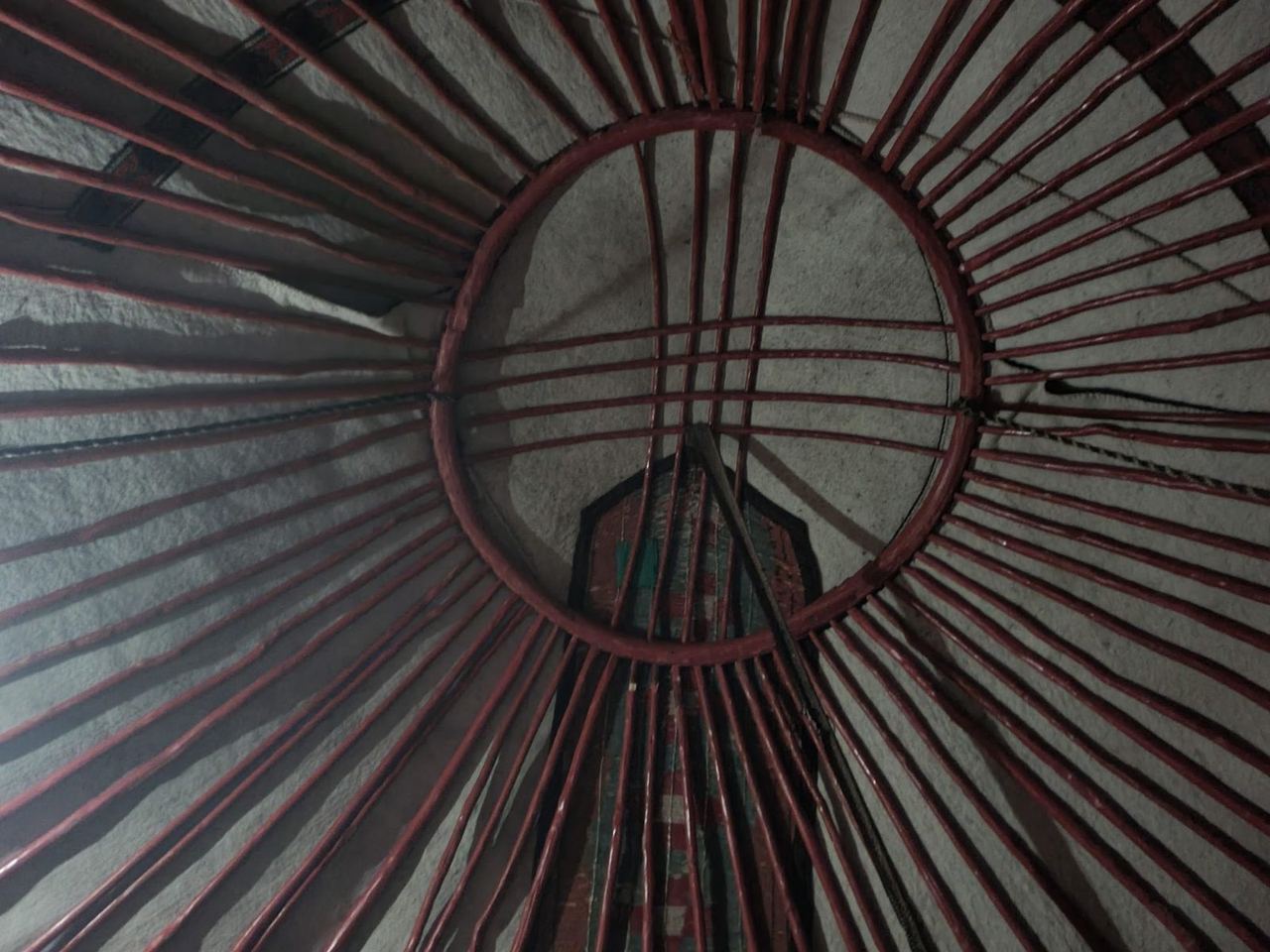
That's because we drove to Song-Kul, a mountain lake at 3,000 m, where we spent a night in a yurt – and those sleeping bags came in very handy. Compared with Issyk-Kul the lake is smaller and harder to reach, but we didn't want to miss it. Besides the night in a traditional yurt, we had another authentic experience: the four of us went out riding. Despite little riding experience it went pretty well. Horses really are everywhere in Kyrgyzstan. After a nice encounter with a farmer, we were invited to his place and got to try mare's milk and horse butter.
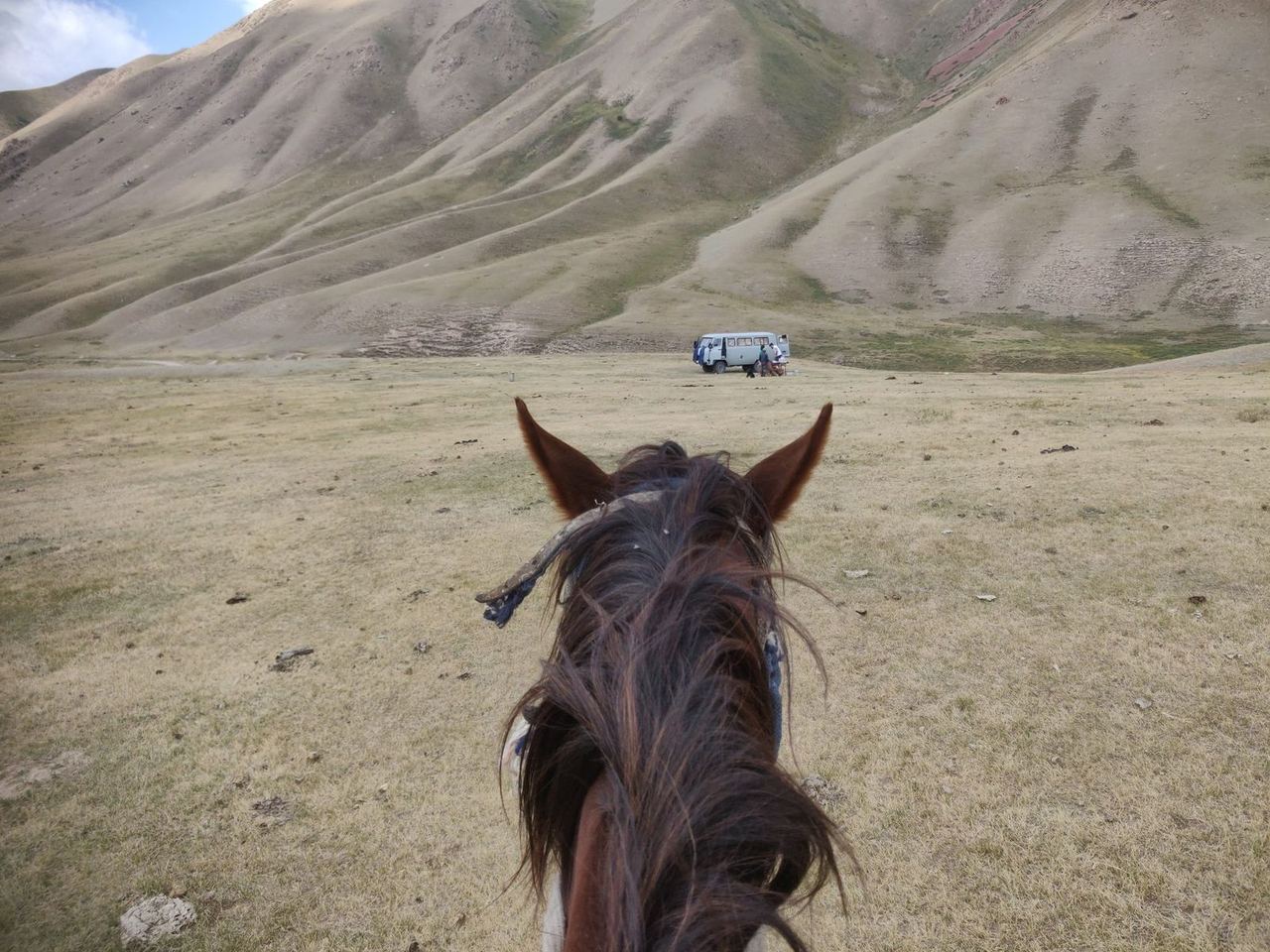
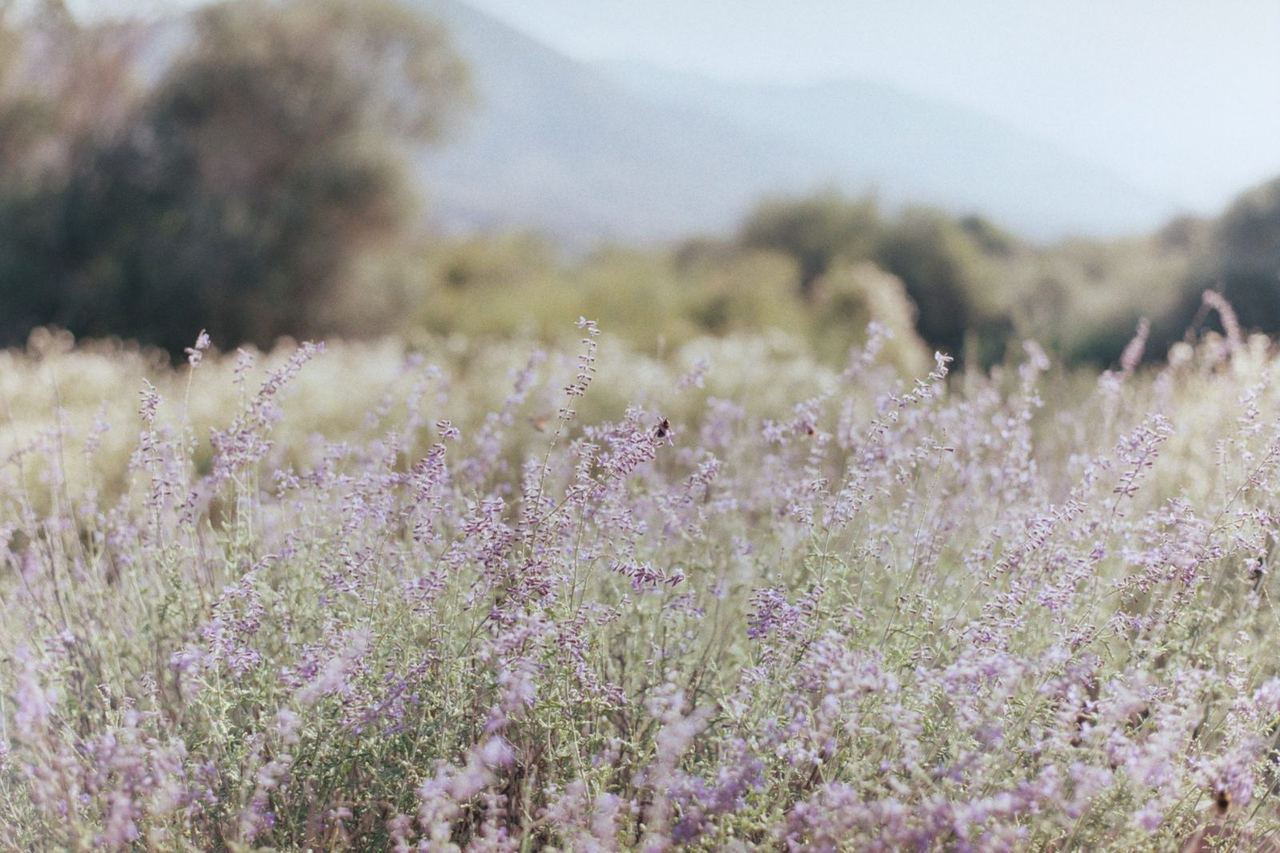
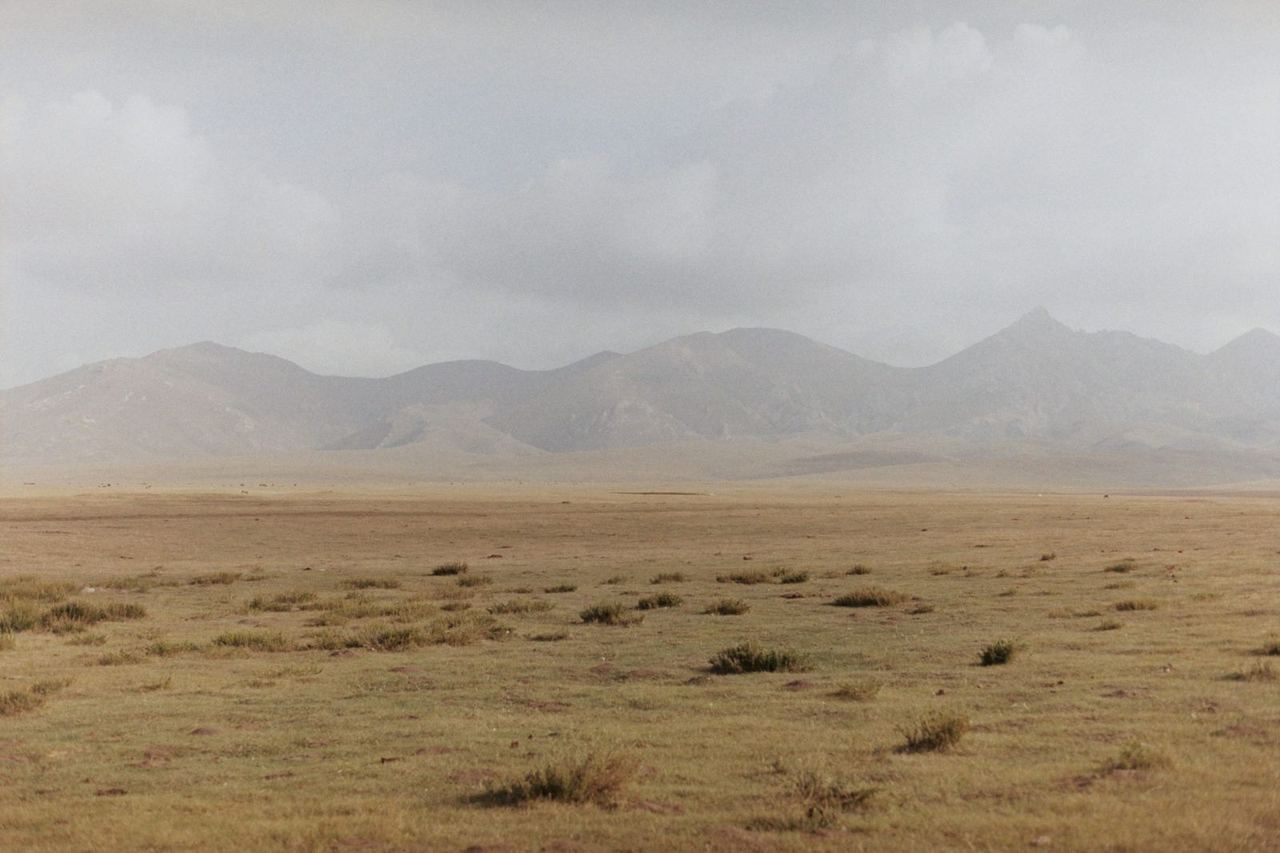
On the way to Issyk-Kul we slept one night near the mountain road at about 2,500 m, and the next morning we were woken by that farmer, who after a short chat invited us to go riding and took us to his friends. In this very remote area there aren't many people, and the few you find, far apart, are shepherds or farmers. On the way to the world's second-largest mountain lake we saw lots of goats, horses, sheep and finally yaks.
The route to Issyk-Kul included an unexpected river crossing and a 3,900 m pass. We were completely alone on this road, and with the bad surface, the altitude and not knowing whether our fuel would last, the drive became a real adventure.
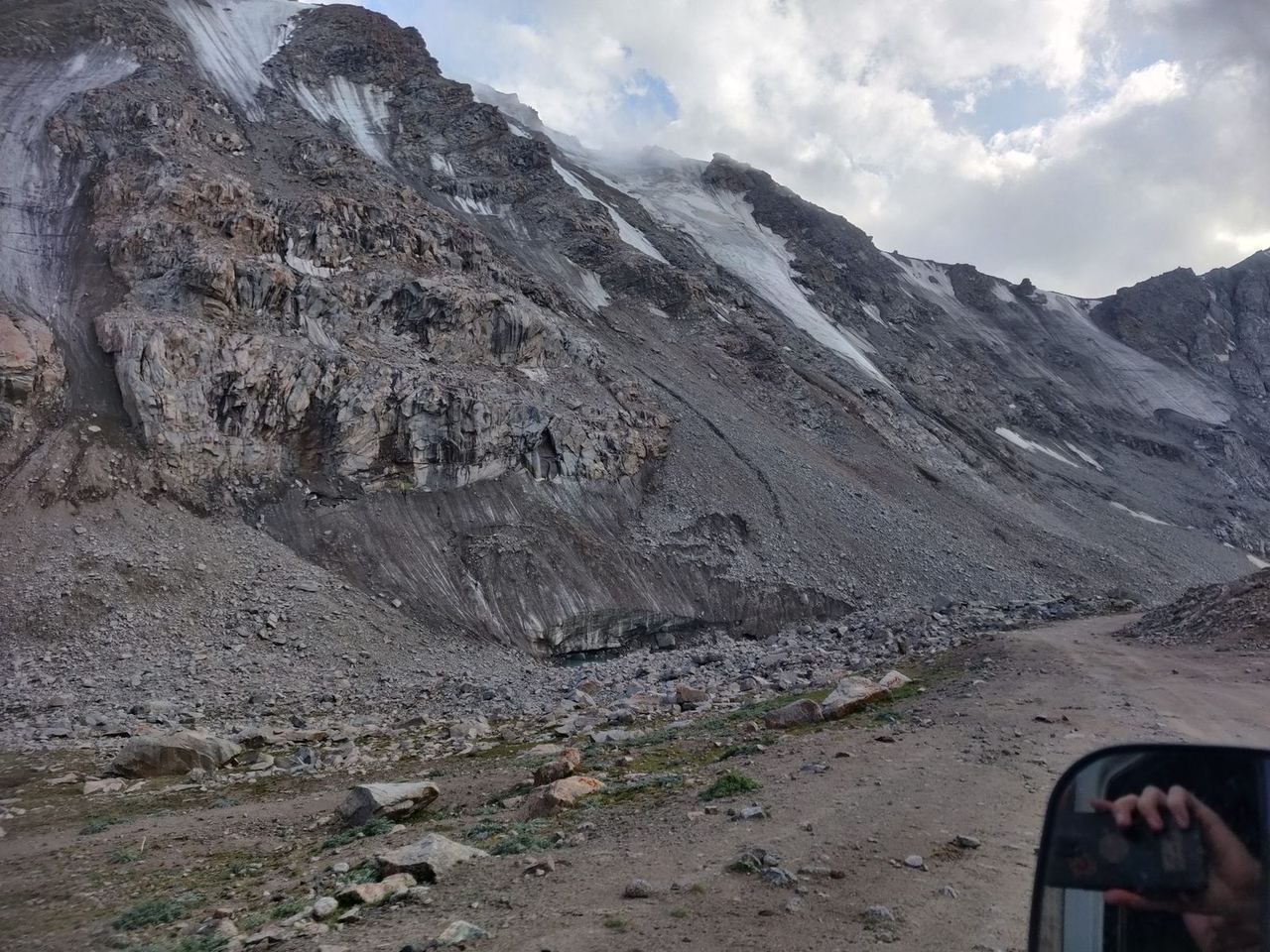
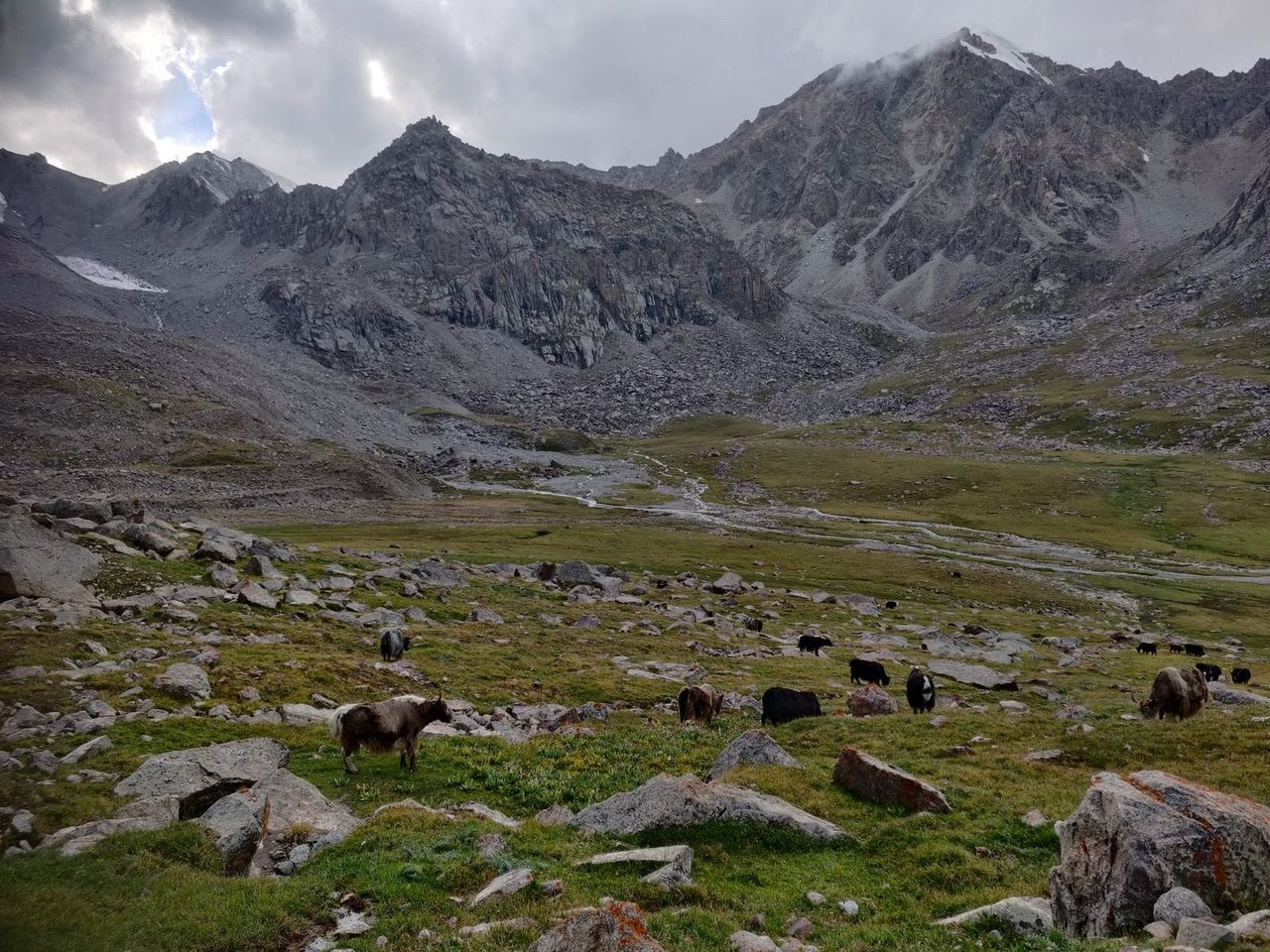
Everything went without problems. At the lake we stayed a few nights on the beach, which we reached easily thanks to four-wheel drive. The low-range gearbox didn't work, though, so we got stuck in a section of very fine sand and only got out of the predicament by pushing and with a lot of clutch wear.
On the lake's southern shore, which gets fewer visitors than the north shore, there's a salt lake that's also called the Dead Lake because of its high salt content. As in the Dead Sea, you can float in it without moving – quite an interesting experience.
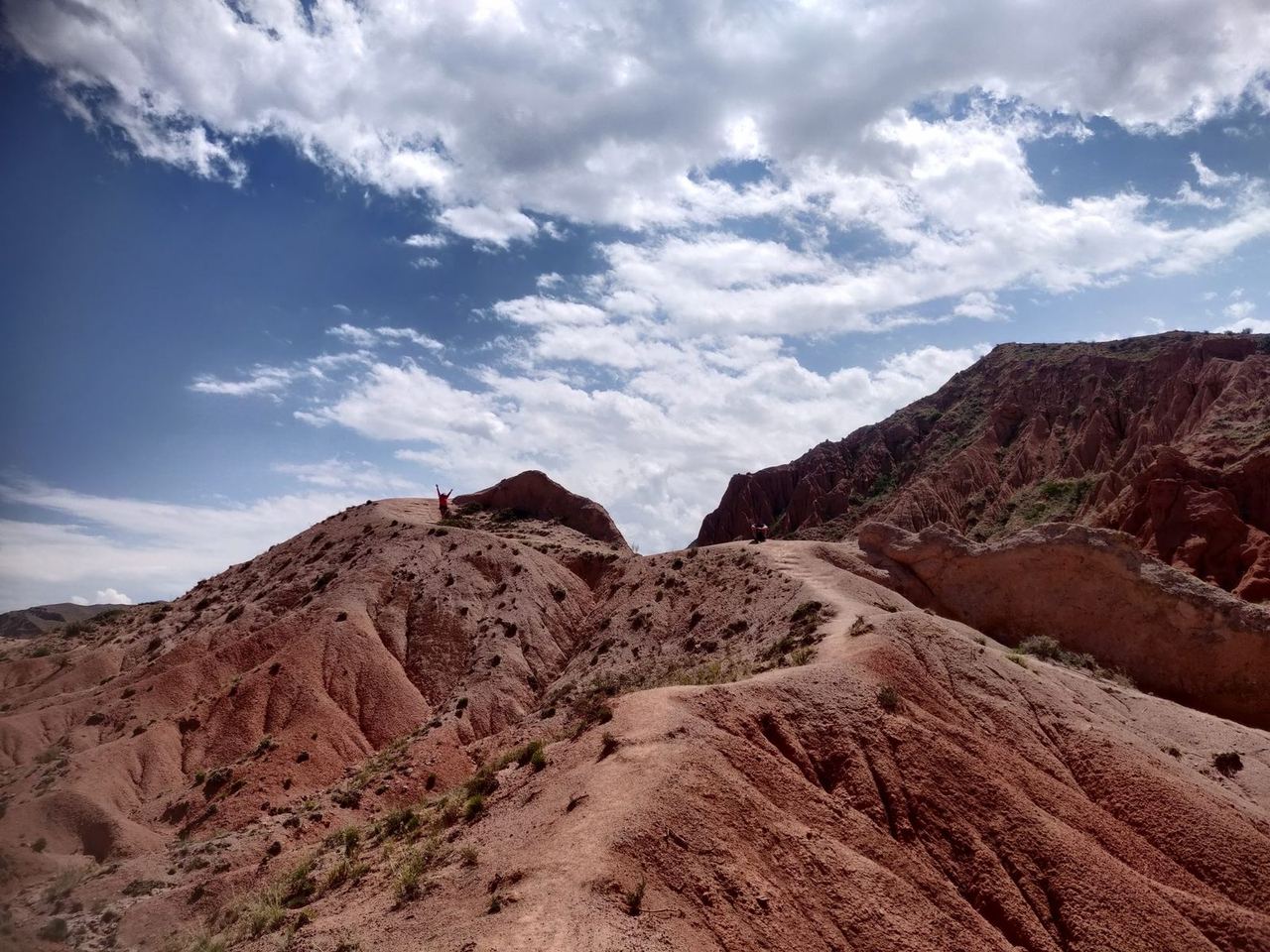
Our adventure in Kyrgyzstan and Kazakhstan ended in Bishkek, where we all went our separate ways. My friends flew back to Germany, the Kazakh woman travelled back to Almaty, and I flew back to Tbilisi to start the journey home overland.
Kyrgyzstan - UAZ 452 Buchanka - Issyk Kul - CamperWatch the video on YouTube