The way home – the end.
After Kazakhstan and Kyrgyzstan I went back to my temporary home in Rustaveli, Tbilisi. My dear Georgian friend, whose family I'd been a temporary part of from May to August, picked me up at the airport. But I didn't head back into central Tbilisi alone: my sister and my mother came with me – they were visiting me in Georgia for five days.
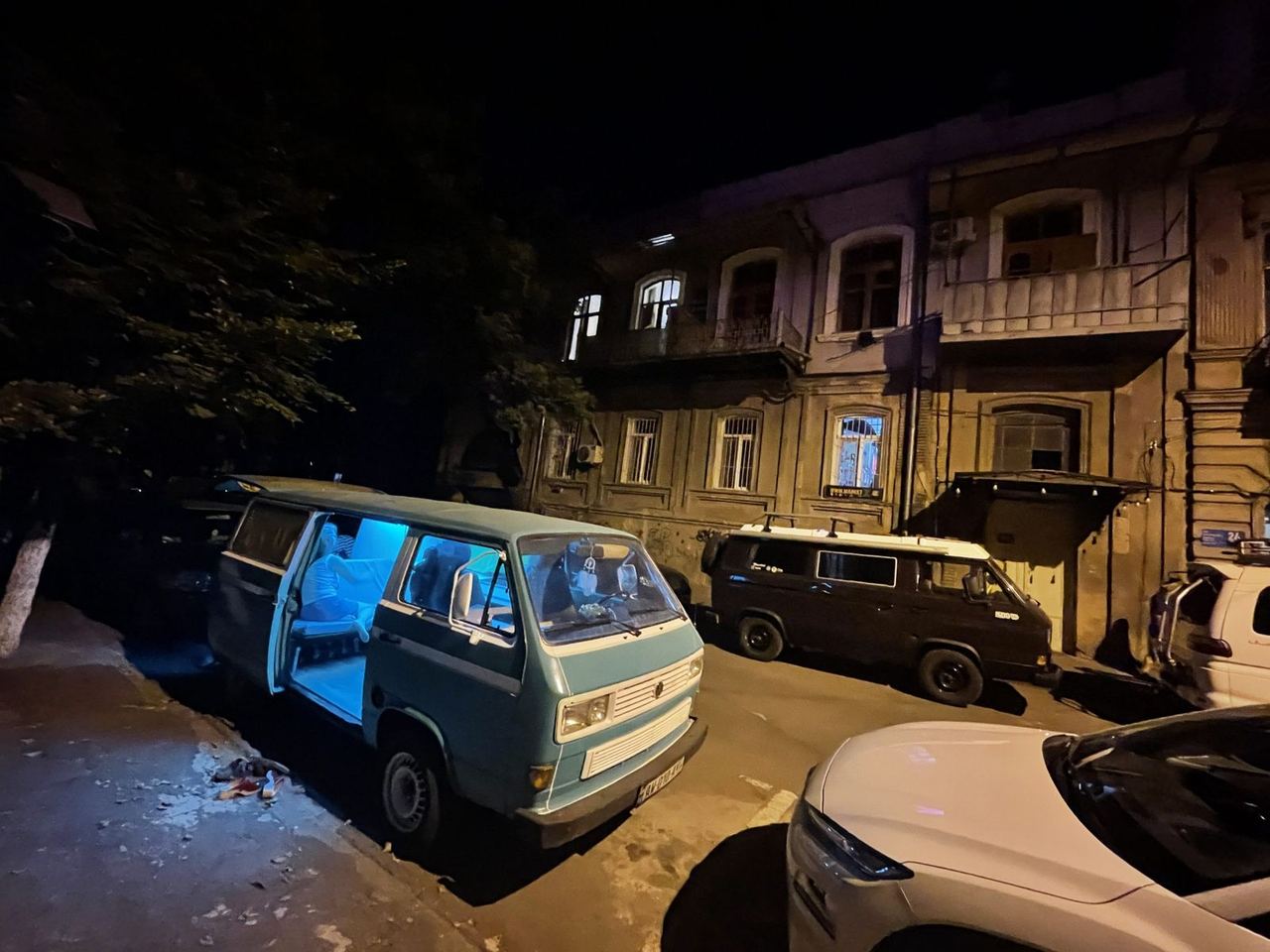
Together with part of my family and part of my local friend's family, we spent one last evening together. Over typical Georgian dishes such as lobio, khinkali, khachapuri and sulguni, with traditional Georgian wine and chacha, we talked about the time we'd spent together.
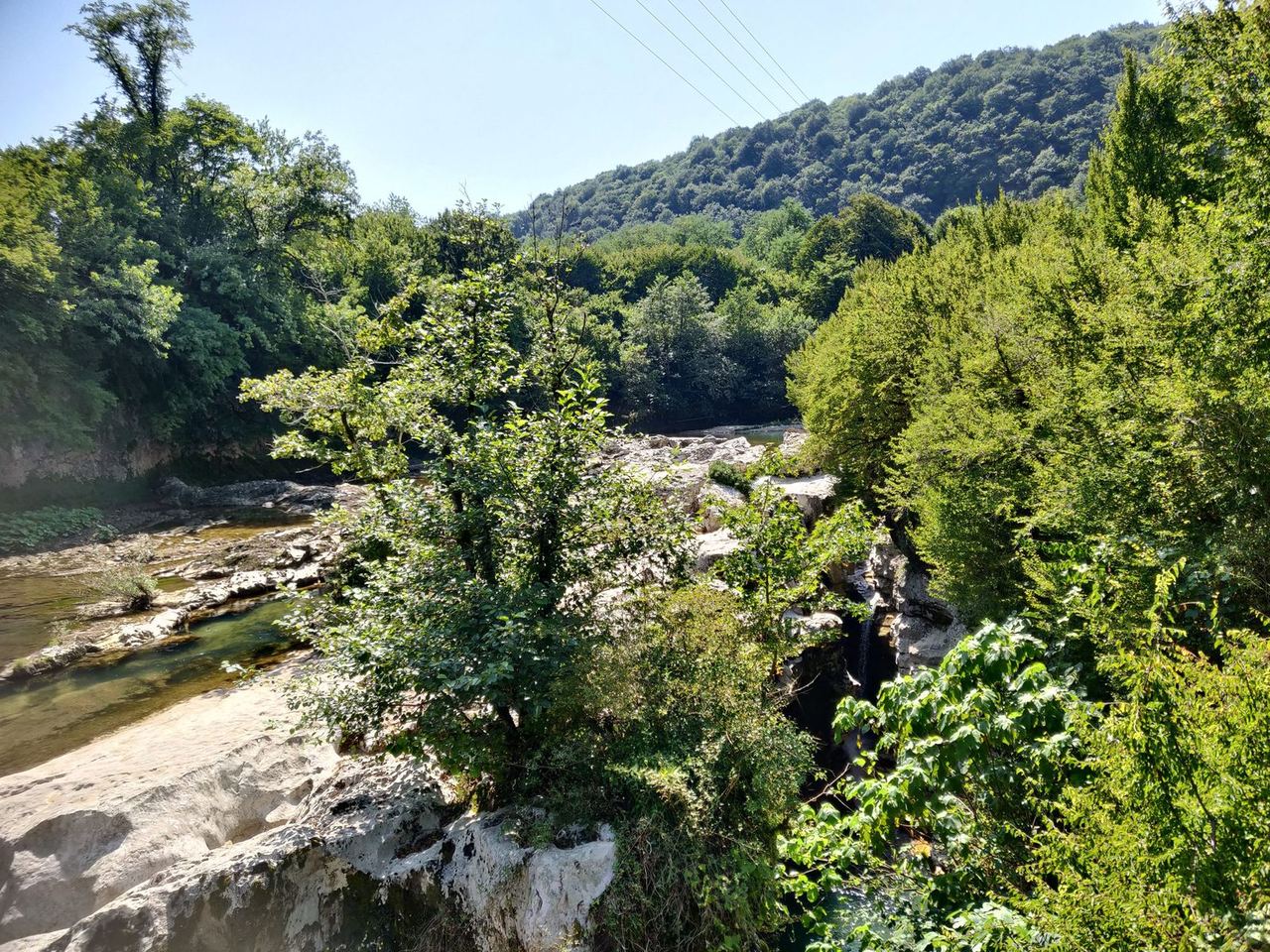
My sister and mother were heading for Batumi, the city on the Black Sea from which they flew home. On the way to Batumi we drove via Gori, Kutaisi and Martvili, seeing the sights. Of course this part of the trip had its incidents too: there was the shock of suddenly not being able to brake, as the brake pedal went down with almost no resistance. So we had to slow down using engine braking and finally stop with the mechanical handbrake. No big deal, as the road was neither steep nor busy. The cause of the brake failure was a wheel brake cylinder that had overheated because I'd been driving with the handbrake half on.
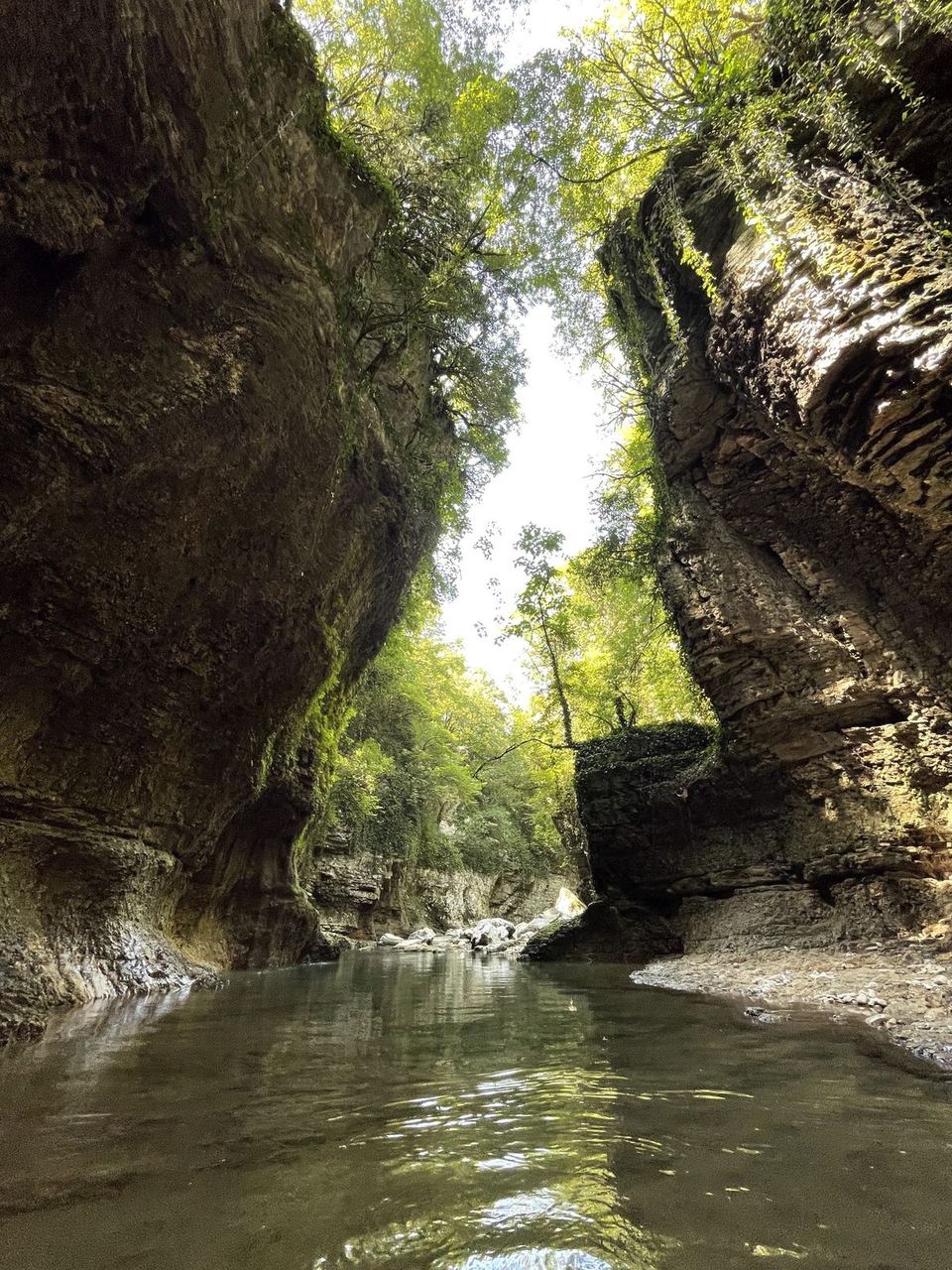
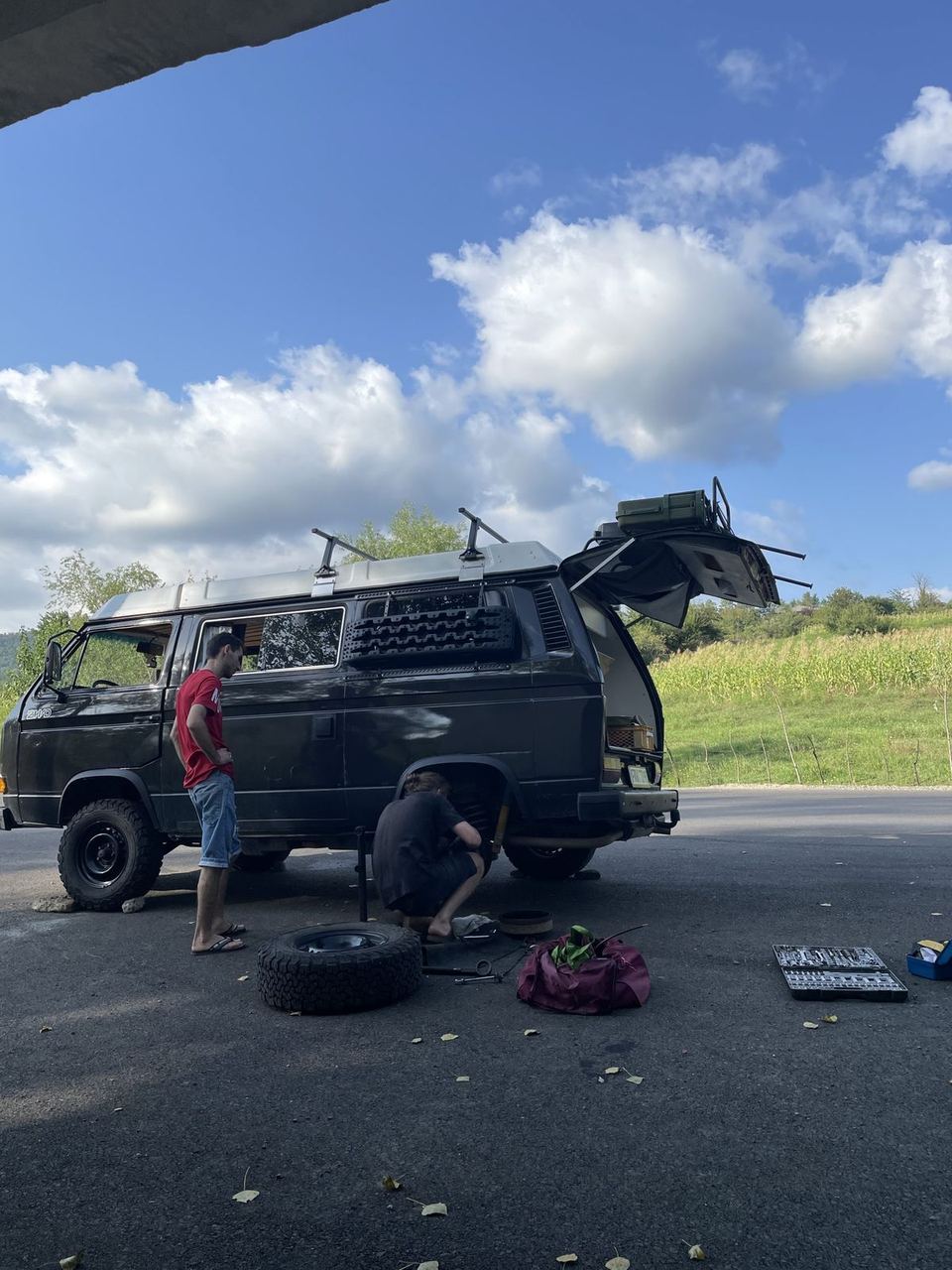
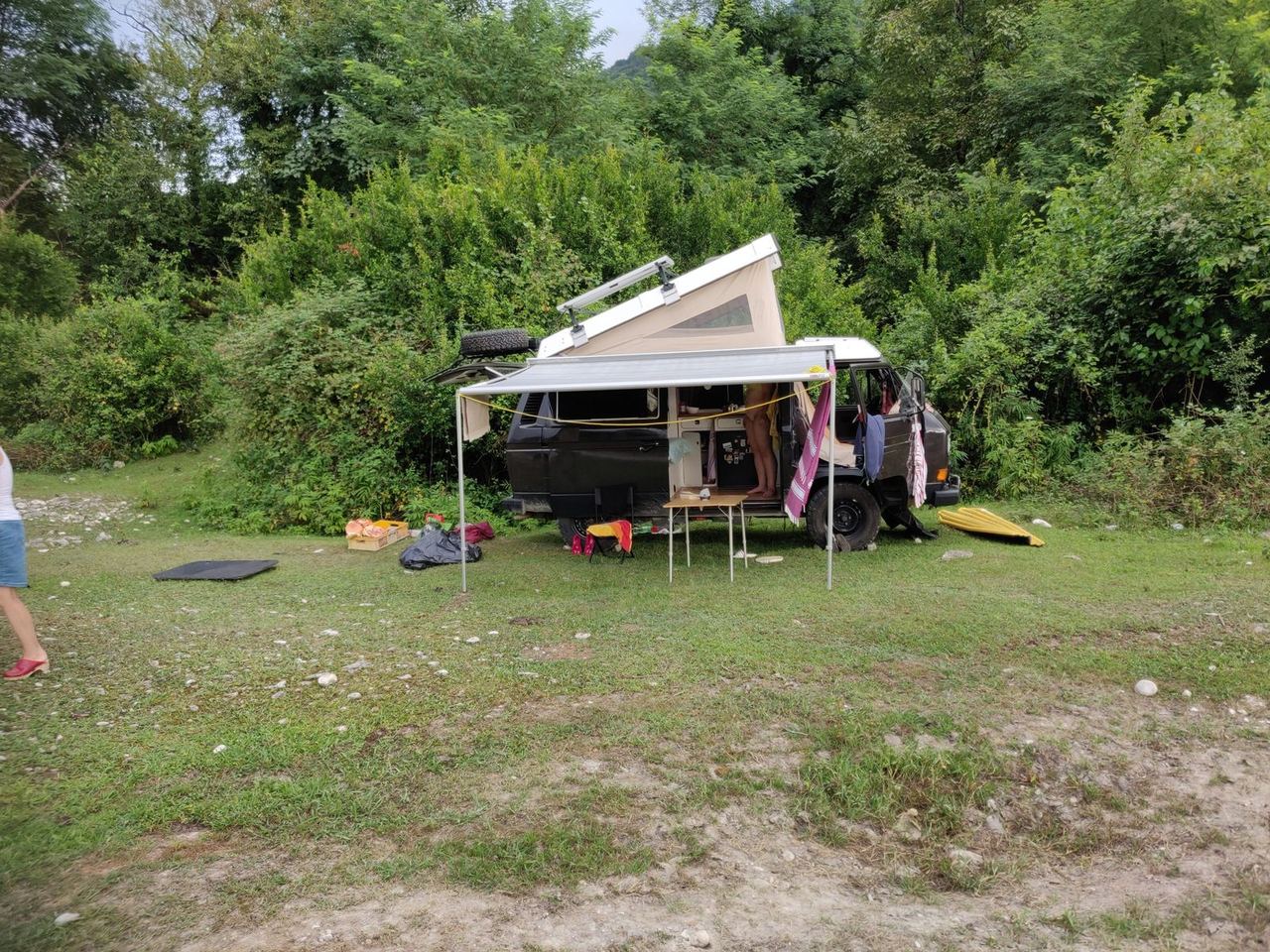
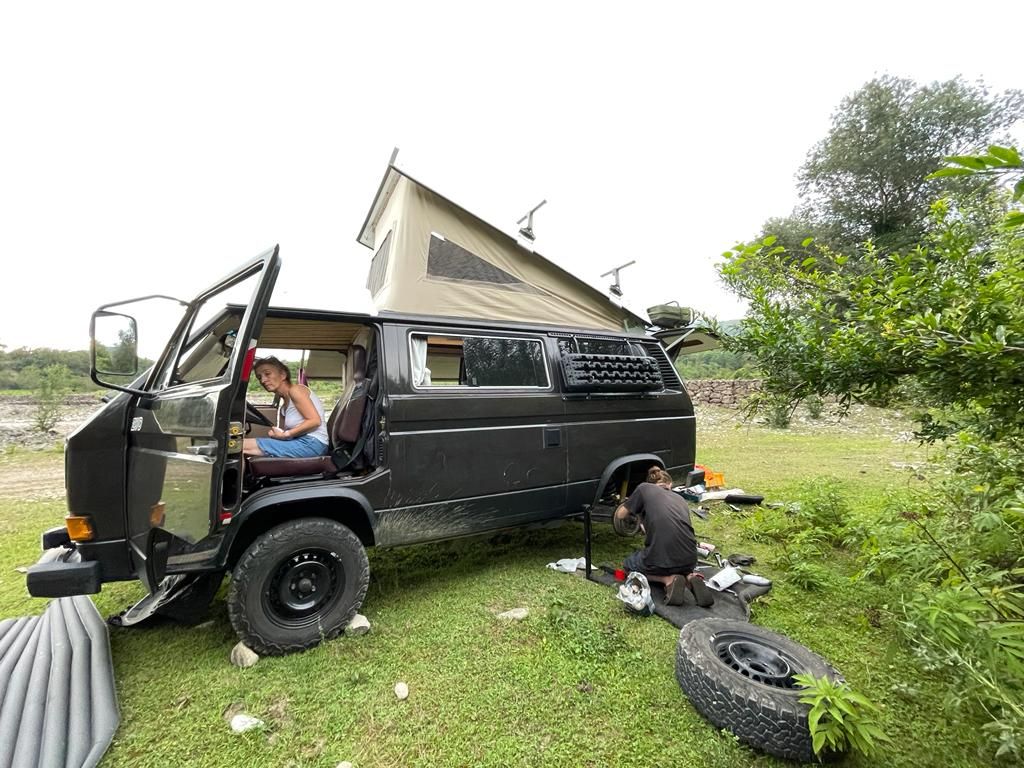
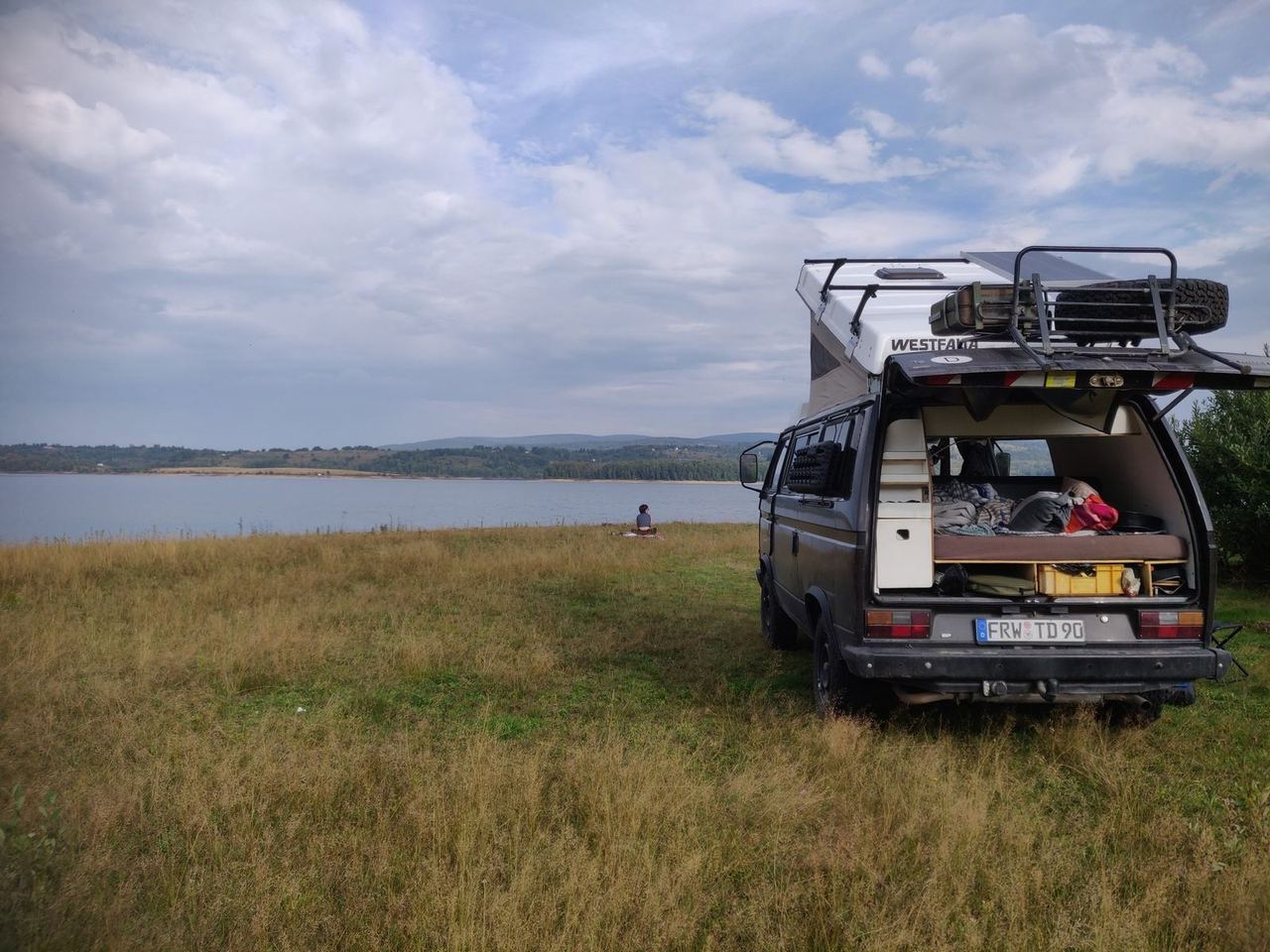
Once the cylinder had cooled down, everything worked again and the system didn't leak. We drove to a reservoir near Kutaisi, where we spent the night. My family had once again brought spare parts from Germany, meant for my Georgian friend – including that very wheel brake cylinder. He sent it to me, along with a used radiator, by marshrutka (minibus taxi) to Kutaisi, where I collected the parts. The radiator mattered, as my bus had been running quite warm since Iran, probably because of the still watertight but 32-year-old radiator. I planned to swap it on the way through Turkey.
The time with my family was lovely, and the weather was gloriously warm right up to Batumi. Then I drove on alone through Turkey to Bulgaria. The ferry from Poti to Burgas, which I'd first planned to take, was too expensive at 450 USD and would have taken just as long.
In Turkey I met up again with the friend I'd met in Ankara in December on the way out, and we drove together via İzmir to Istanbul. Before that, though, a wheel bearing gave up, which I replaced in a car park in Samsun. The one fitted new in June had been of poor quality, which is why it failed so quickly.
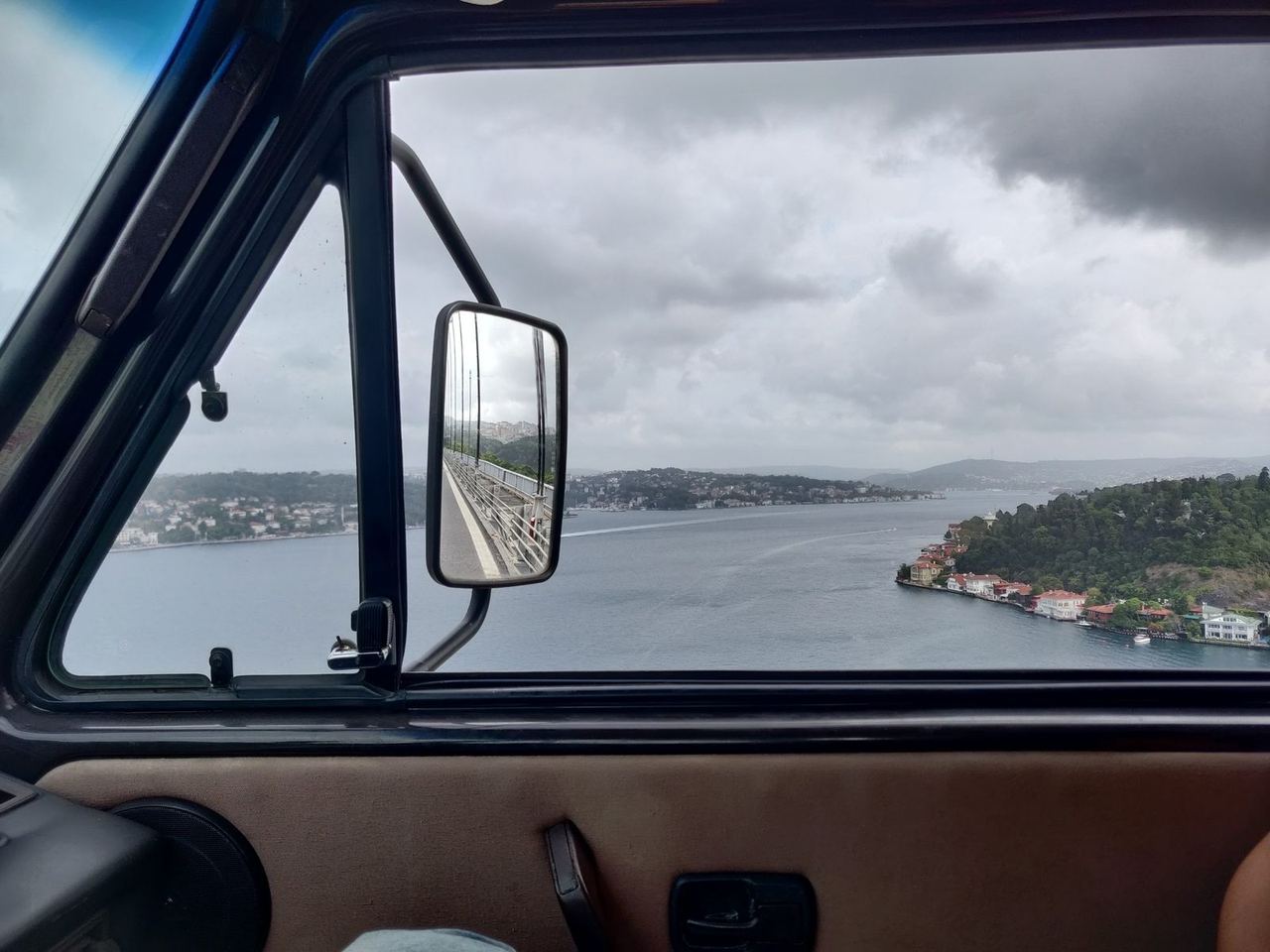
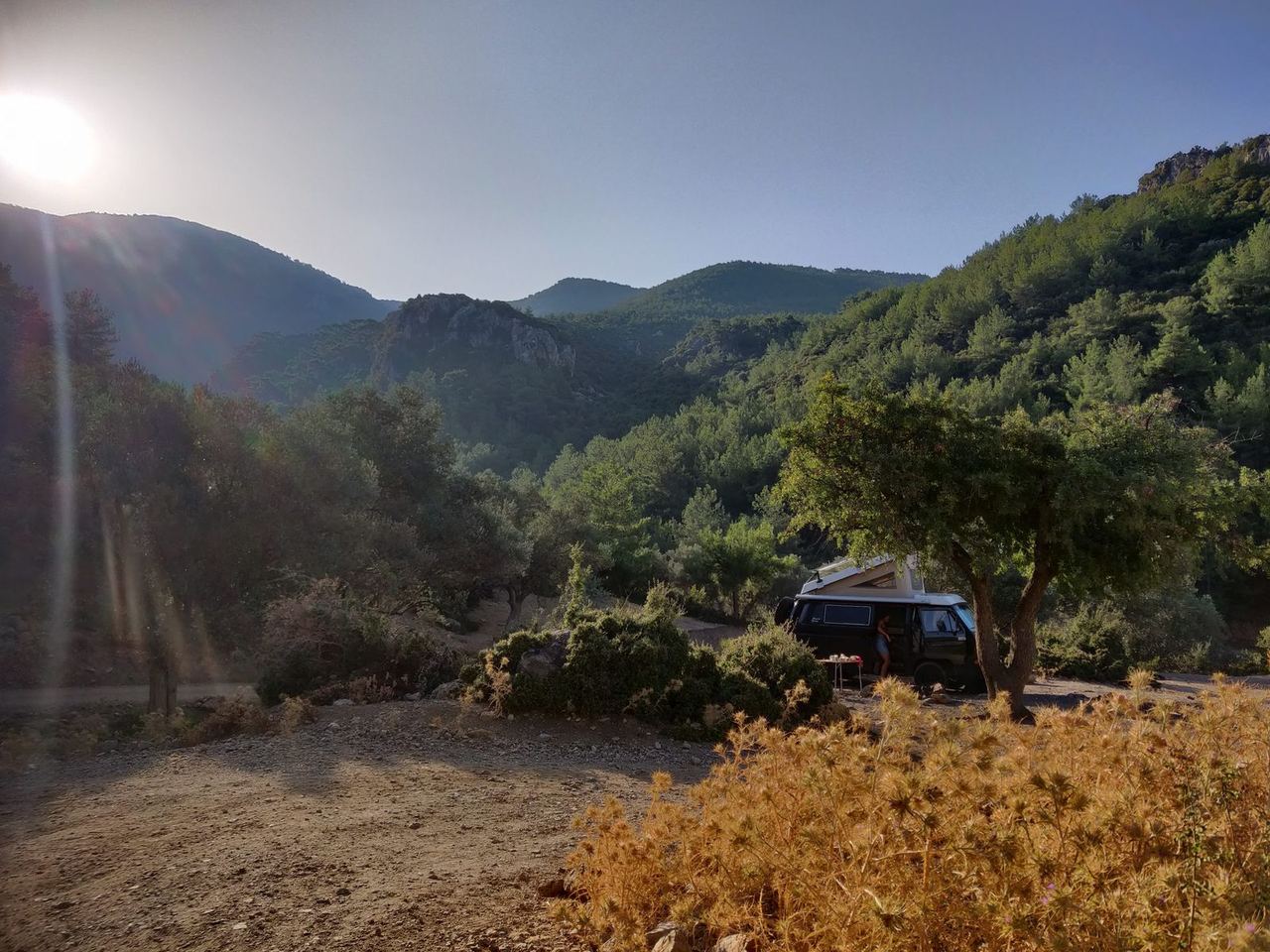
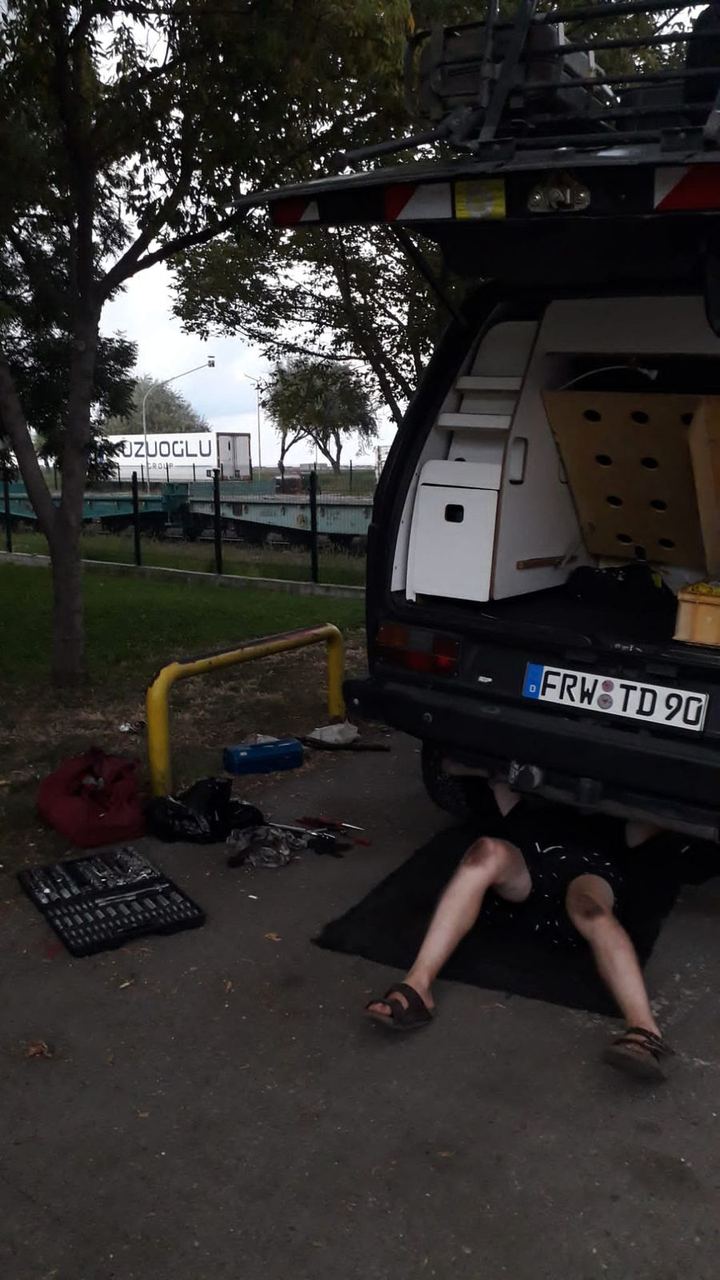
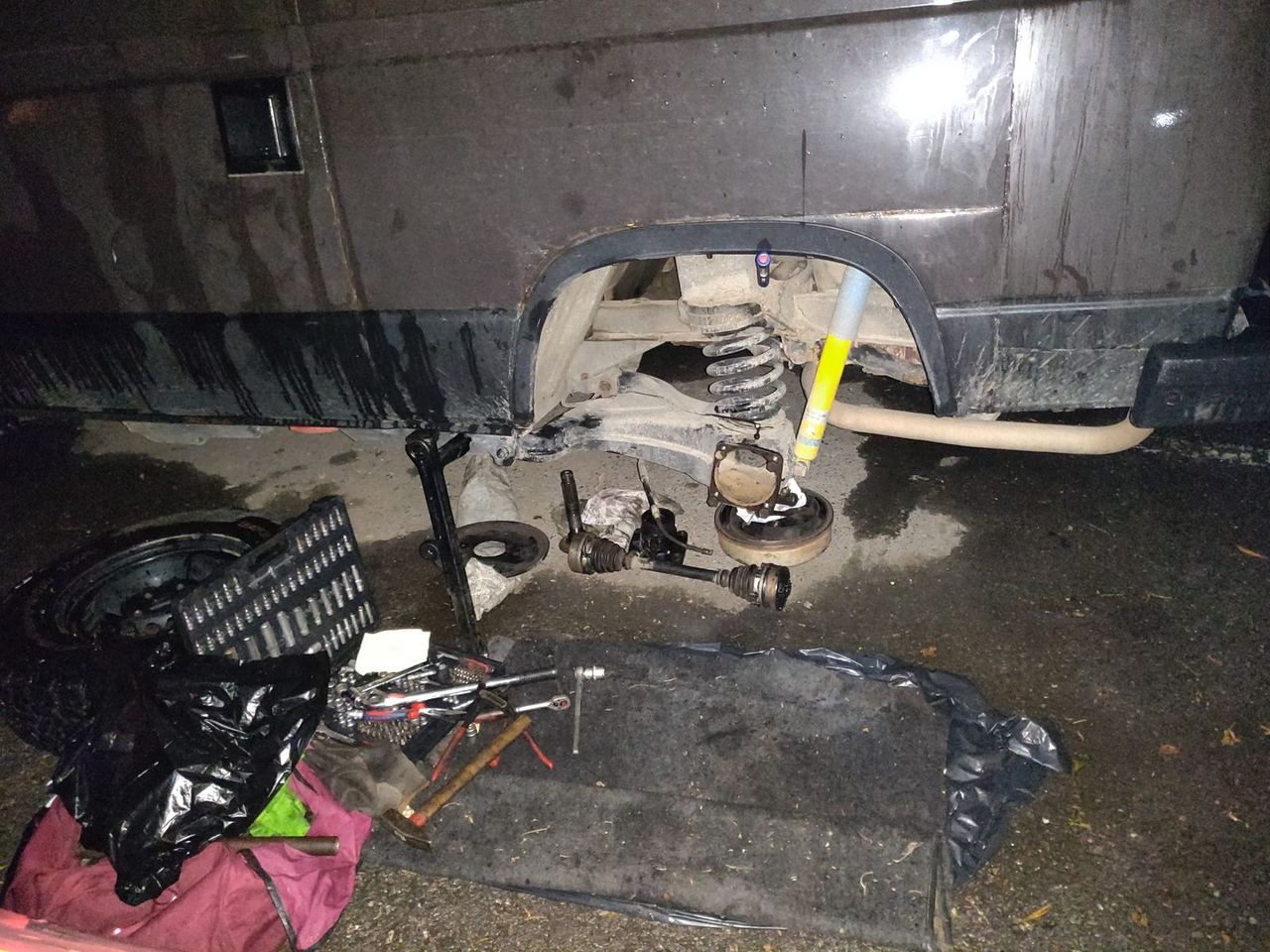
In İzmir I had the radiator and the water pump with its sensor replaced (the parts had been brought from Germany). So we spent a day in this Mediterranean coastal city before heading to Istanbul, where our paths split.
On the way to Bulgaria the starter motor played up once or twice, so the bus didn't start straight away. And exactly that happened right at the Bulgarian border. At the chaotic crossing, after a three-hour wait, the bus wouldn't start – literally 15 m in front of the border post. Of course the crossing was single-lane, so I was blocking the approach like a cork. A quick check showed the battery had enough voltage, so it was the starter. A soldier wanted to help but didn't know what to do either. So I asked a Bulgarian in front of me whether he could tow me across the border. We couldn't really talk, as I don't speak Bulgarian and he spoke neither German nor English. So he towed me first out of Turkey and then into Bulgaria, where various officials asked me what the problem was. A demonstration with the ignition key made the misery clear to everyone. Pretty strange to be towed through customs and border control on your own. The bus was also sprayed with disinfectant in a container – supposedly to fight the coronavirus; doubtful whether it really helps.
After the border checks the road sloped slightly downhill, so I could let the bus roll and bump-start it in third gear.
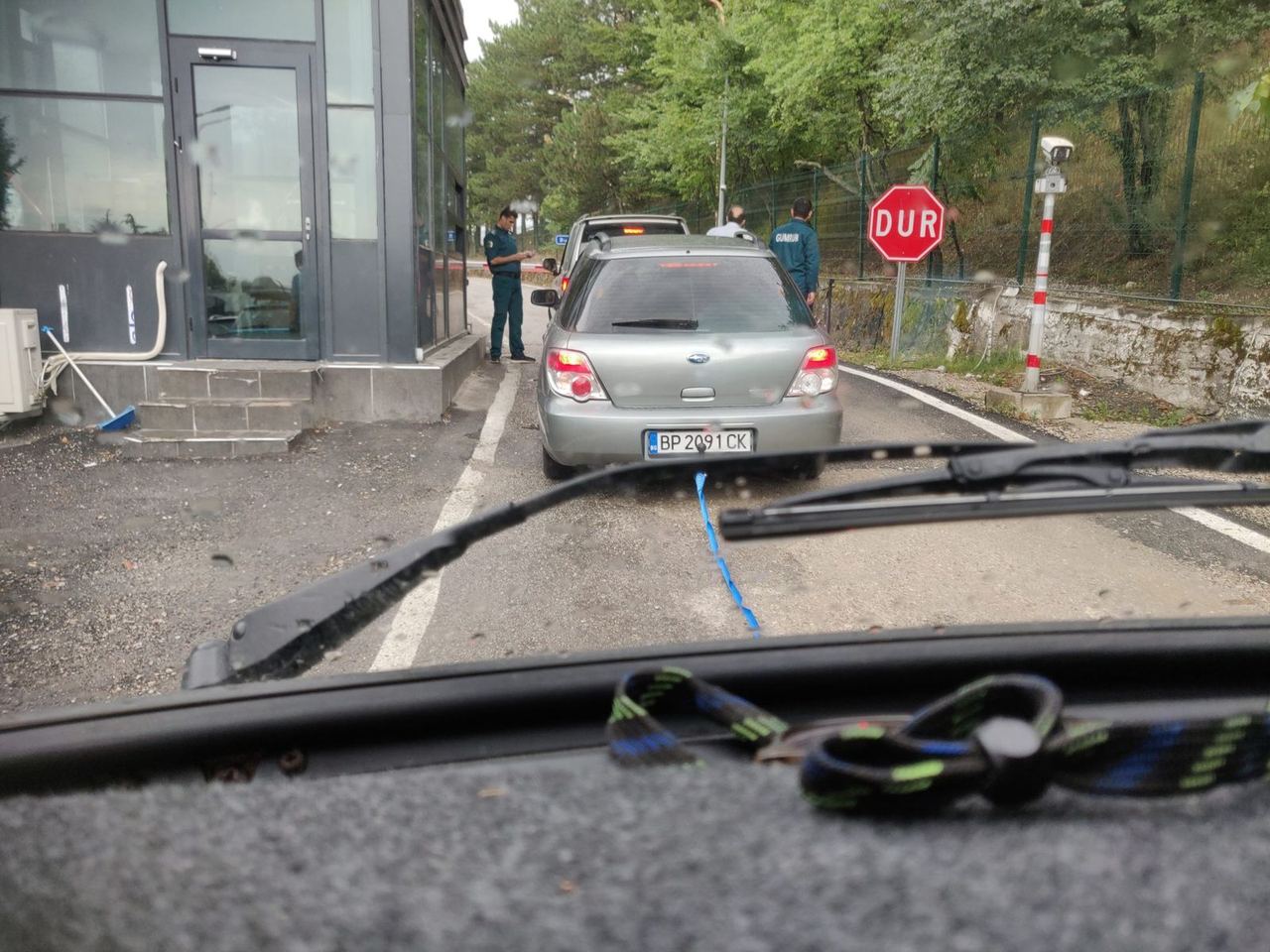
In Burgas I met a friend who travelled with me all the way to Germany. There were lots of German tourists in the coastal city; it felt strange to be back in the European Union, but I felt safe and knew that from now on everything would be easier. I removed the starter motor and had it rebuilt at a specialist workshop. After that the bus ran without a hitch all the way home.
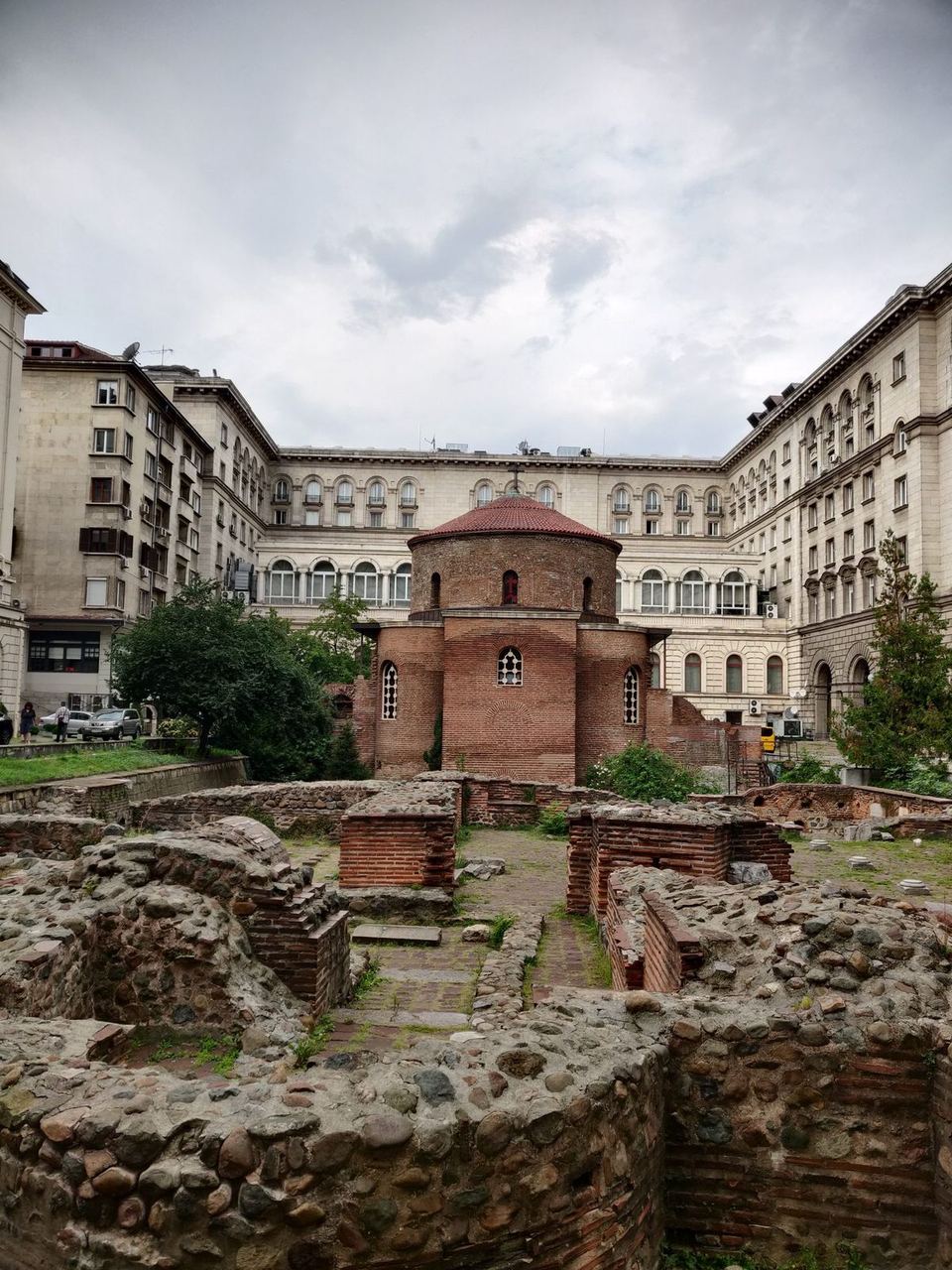
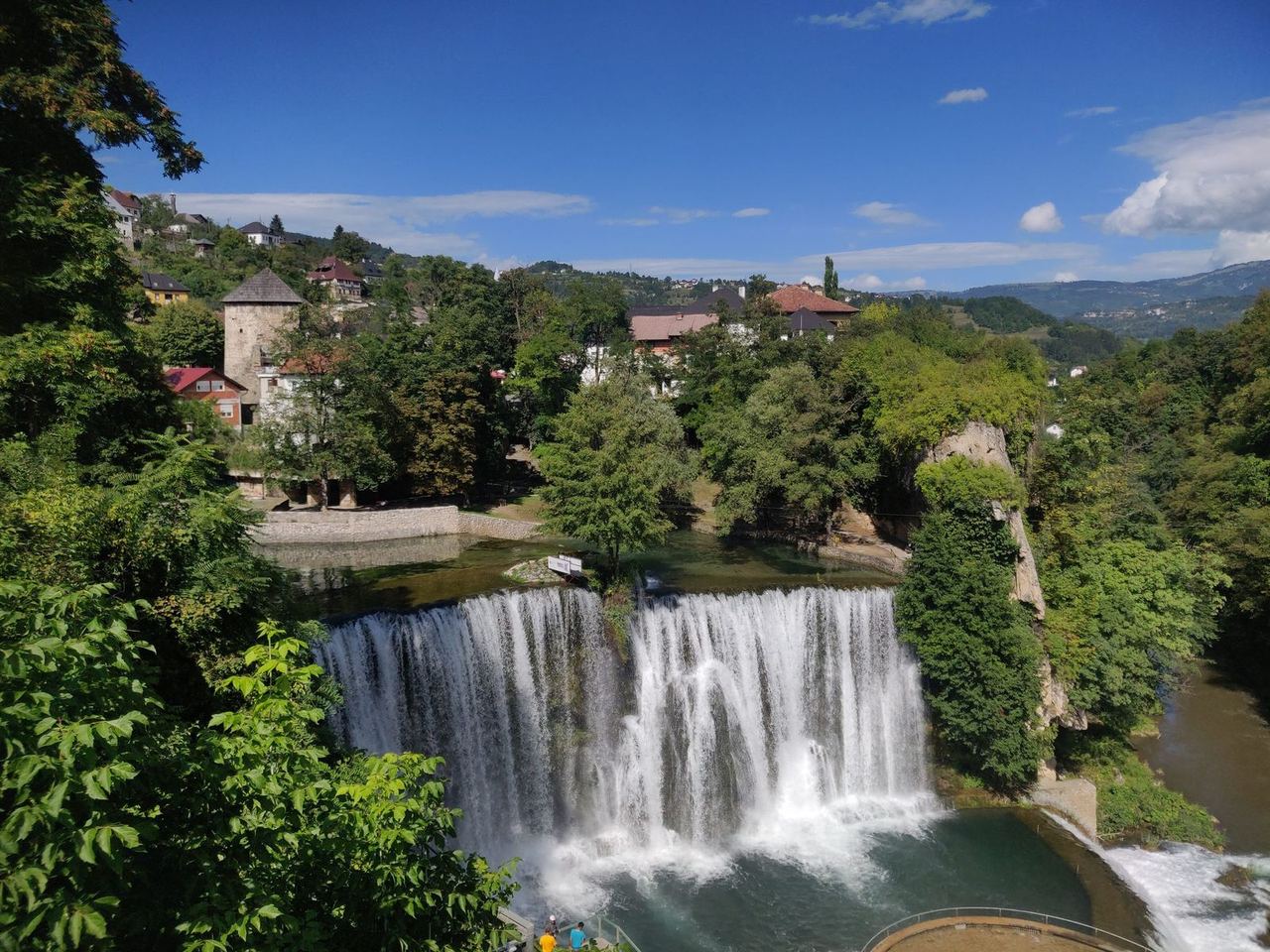
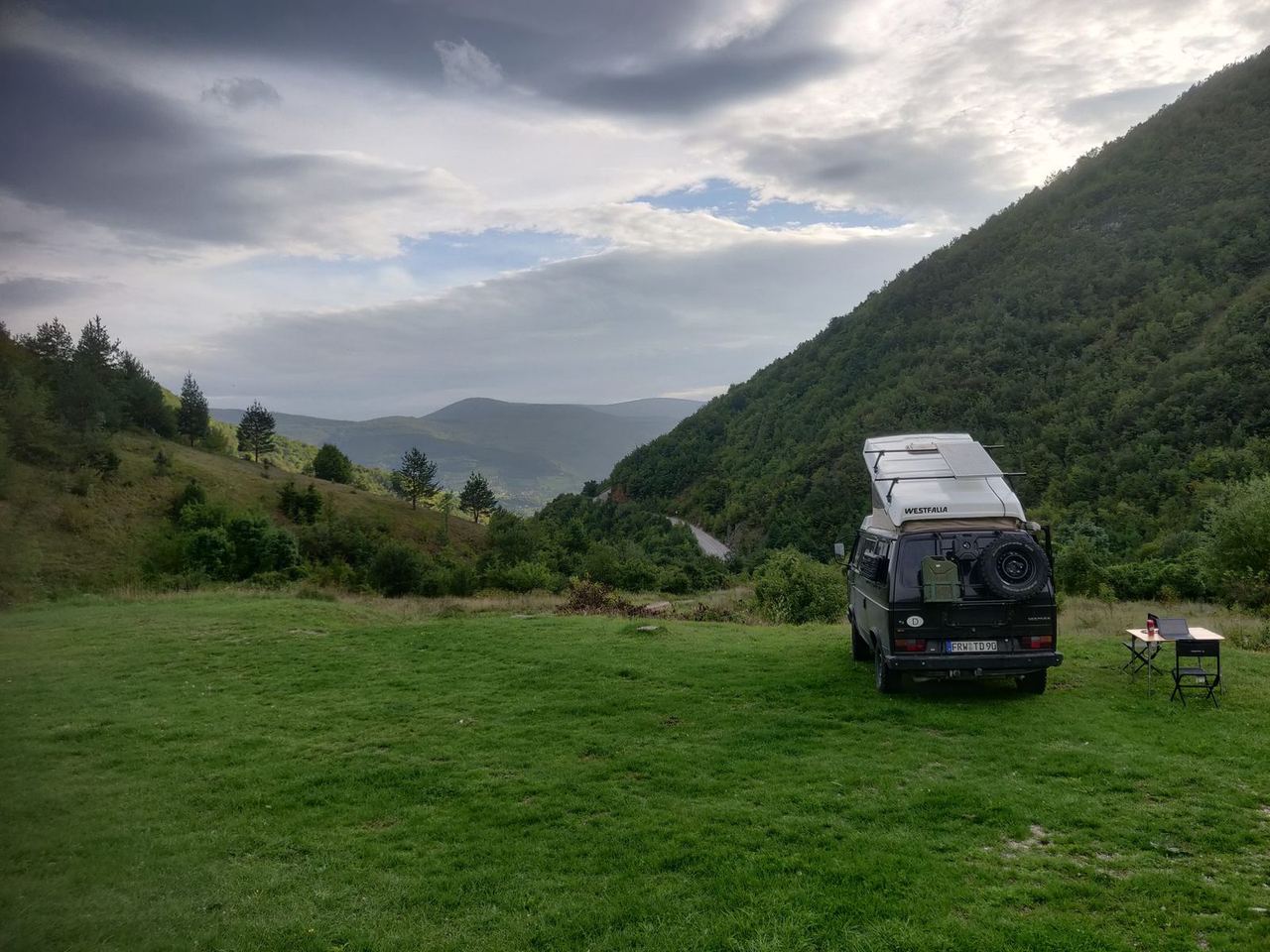
We drove through Bulgaria, Serbia, Bosnia and Herzegovina (BiH), Croatia, Hungary and Austria to Germany. I'd expected a much hotter, drier climate, but thanks to the high regions in Bulgaria and Serbia it was really pleasant, sometimes even fresh. Altogether we spent three and a half weeks travelling through south-eastern Europe.
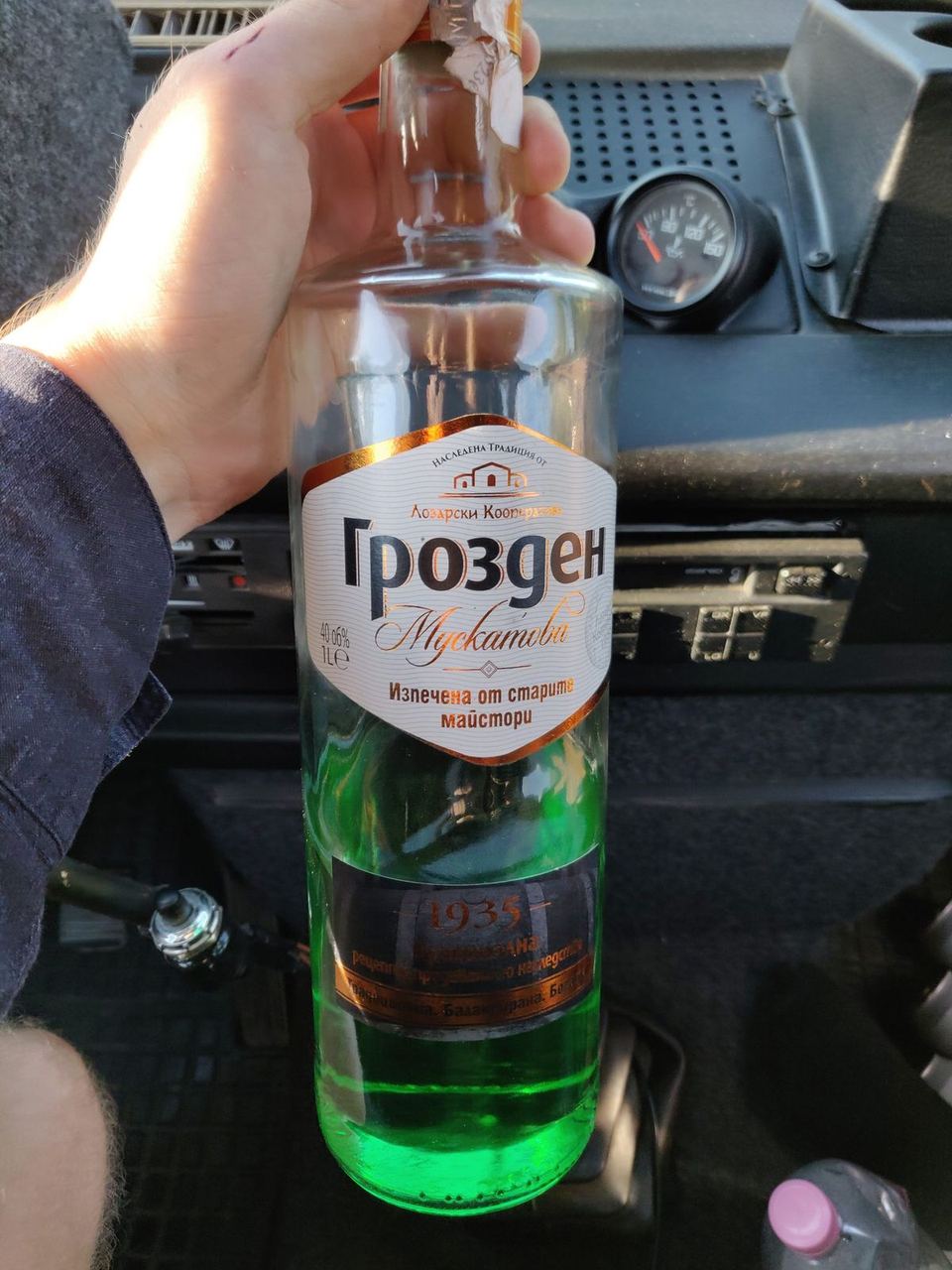
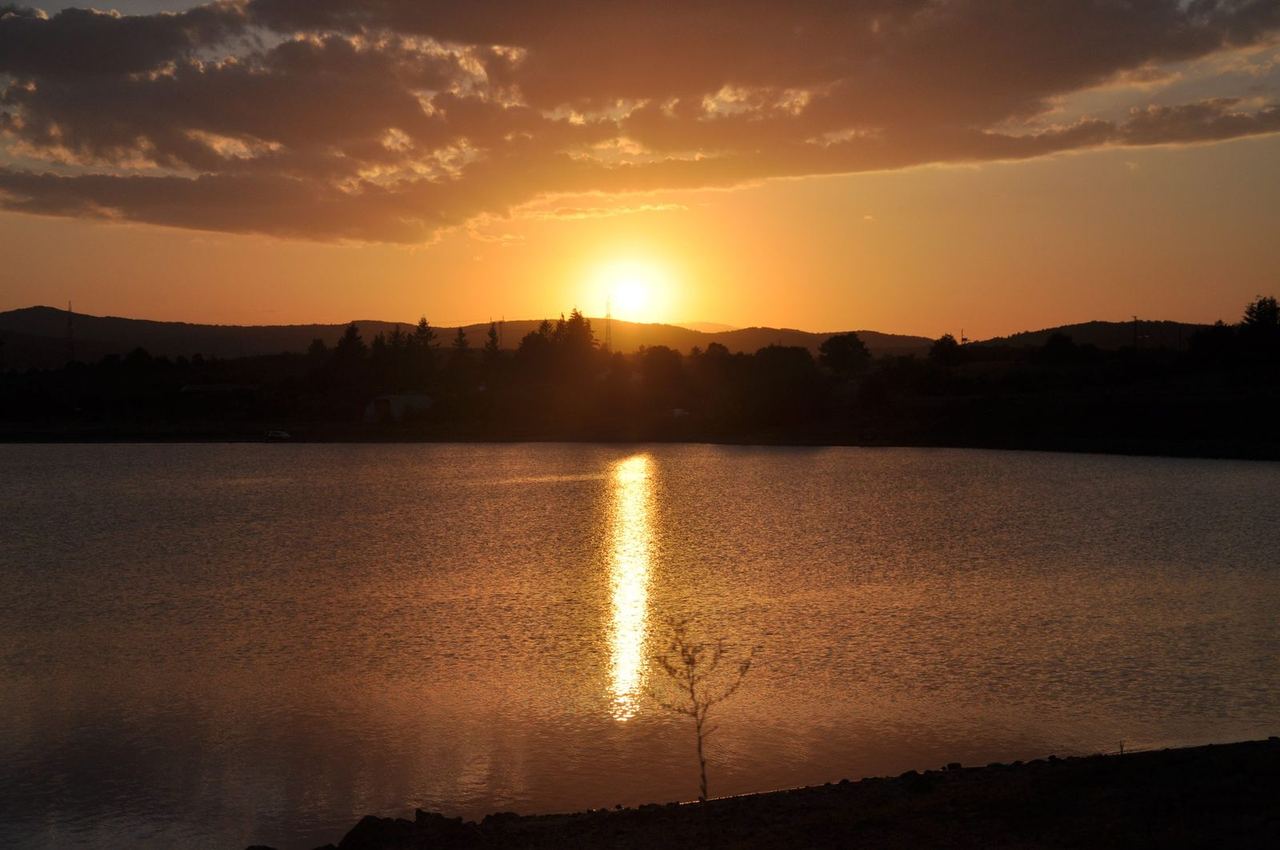
In Bulgaria we drove along a dirt track to get to a lake where we wanted to stay for two days. Several cars came towards us, which seemed unusual for that kind of road. An older man tried to explain to us in Bulgarian that the party back there was over. He gave us cigarettes, beer and samagon (home-distilled spirits), as he didn't need them any more. Thanks to my companion's knowledge of Russian, we understood afterwards – once we'd driven past a party site in the middle of nowhere – what he'd meant. We didn't drink the samagon, as you can go blind if it hasn't been made properly.
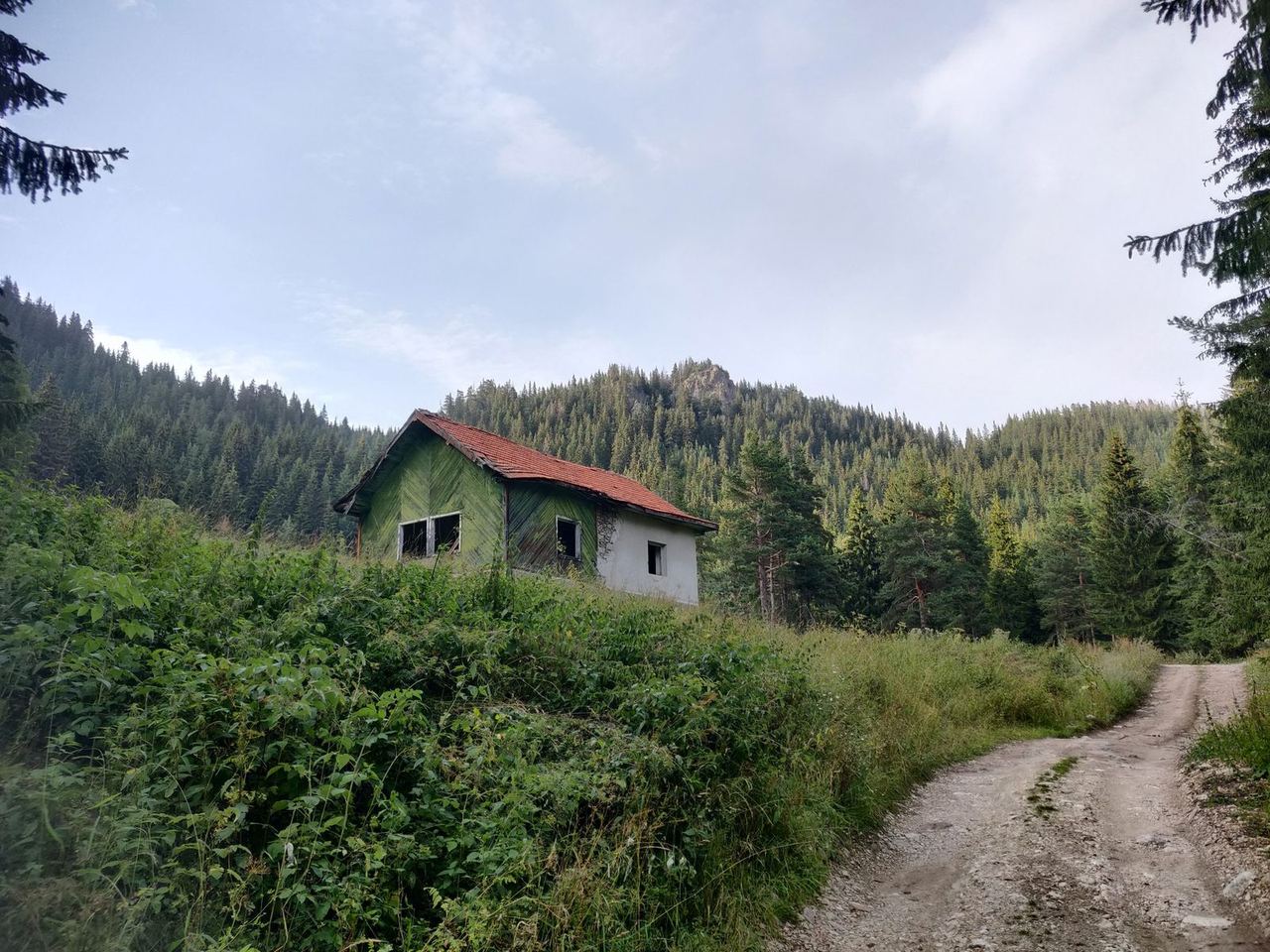
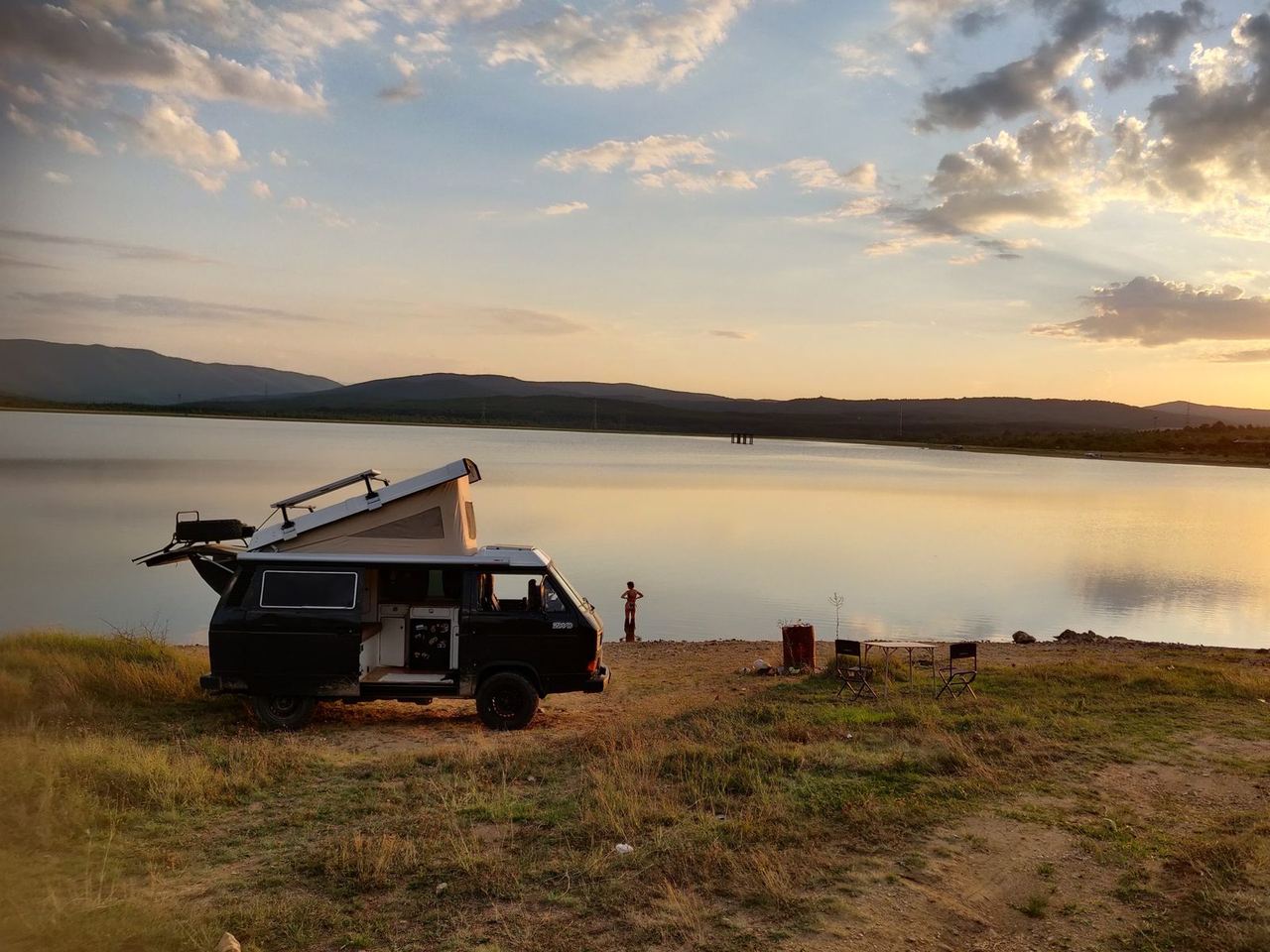
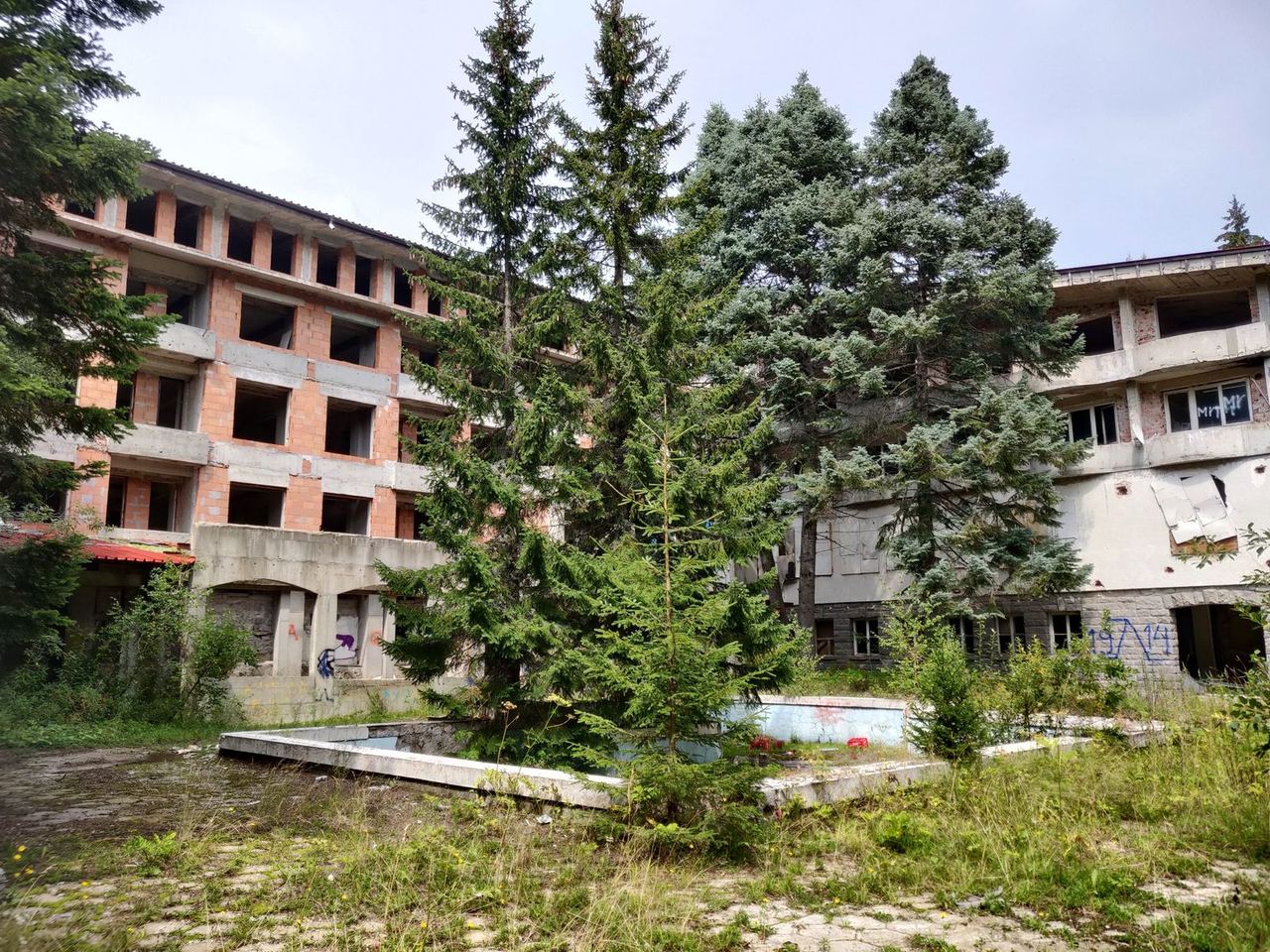
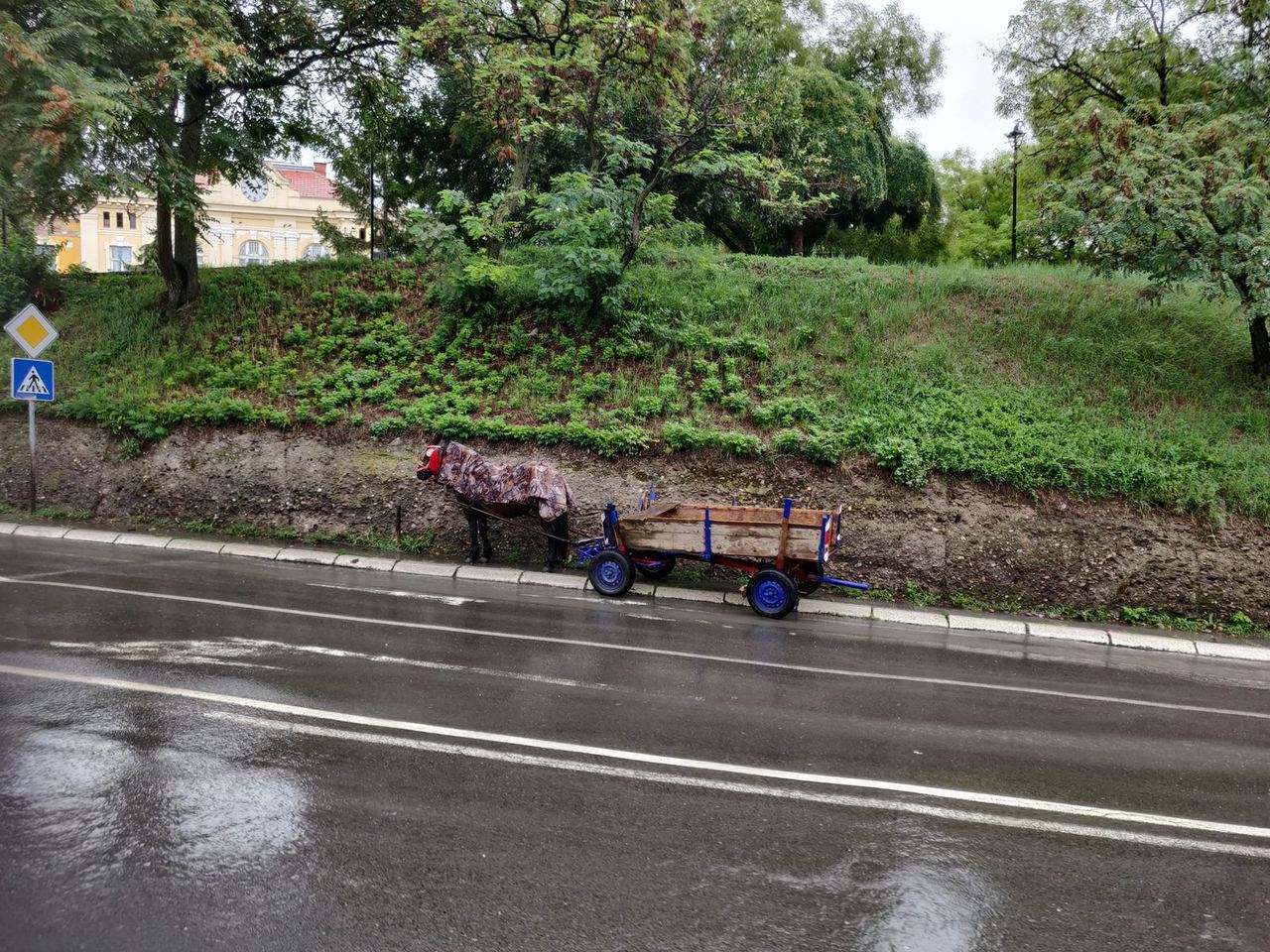
In Serbia we didn't go to Belgrade but stayed south of the capital, visiting various national parks and parking by lakes. The last town was Zlatibor, an up-and-coming ski resort – very touristy, but also quite pretty. From there we went to Višegrad, where we spent the night at an old thermal spa. The spa was still open, but the banya (Russian steam bath) you'd expect had closed.
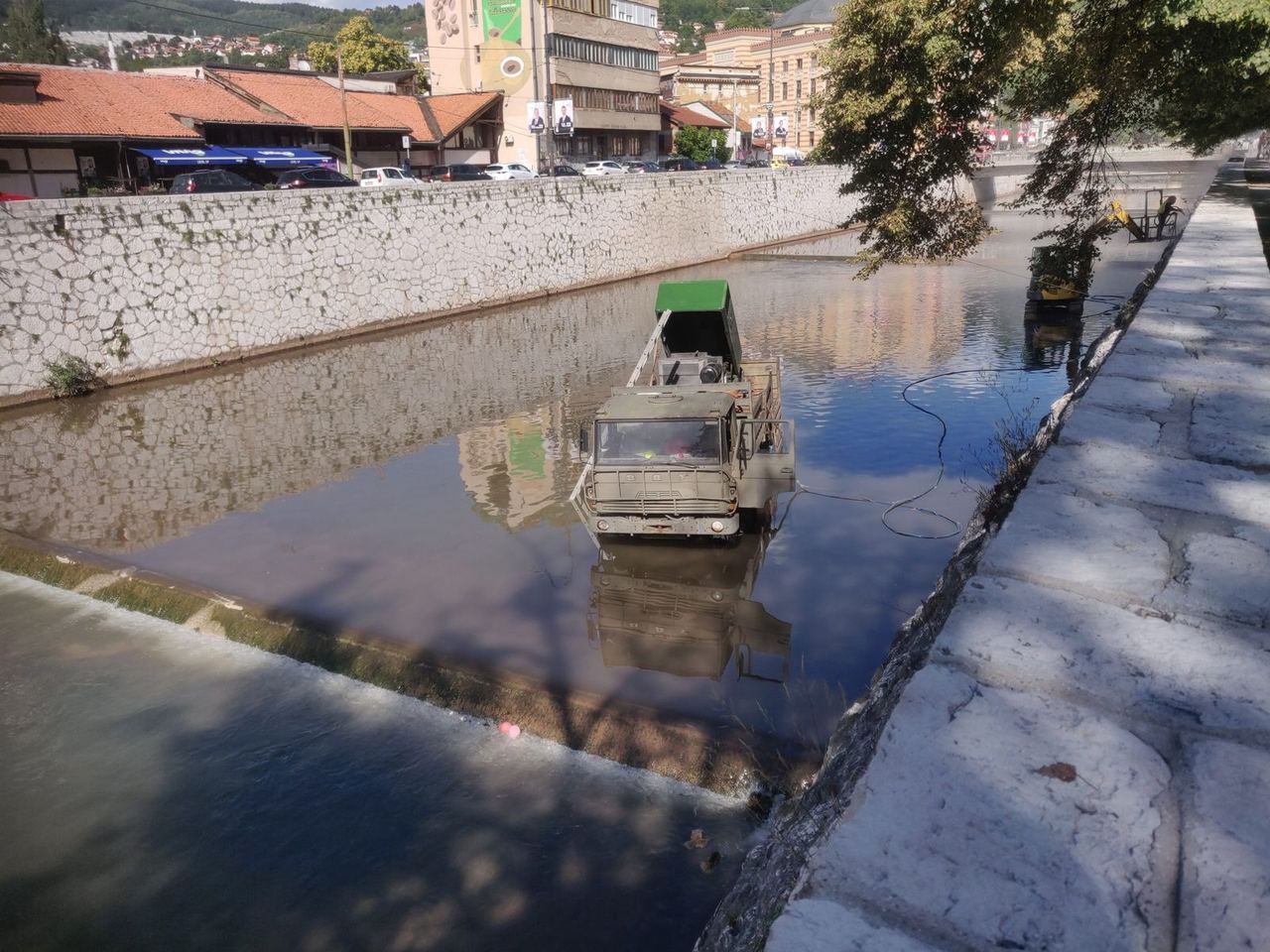
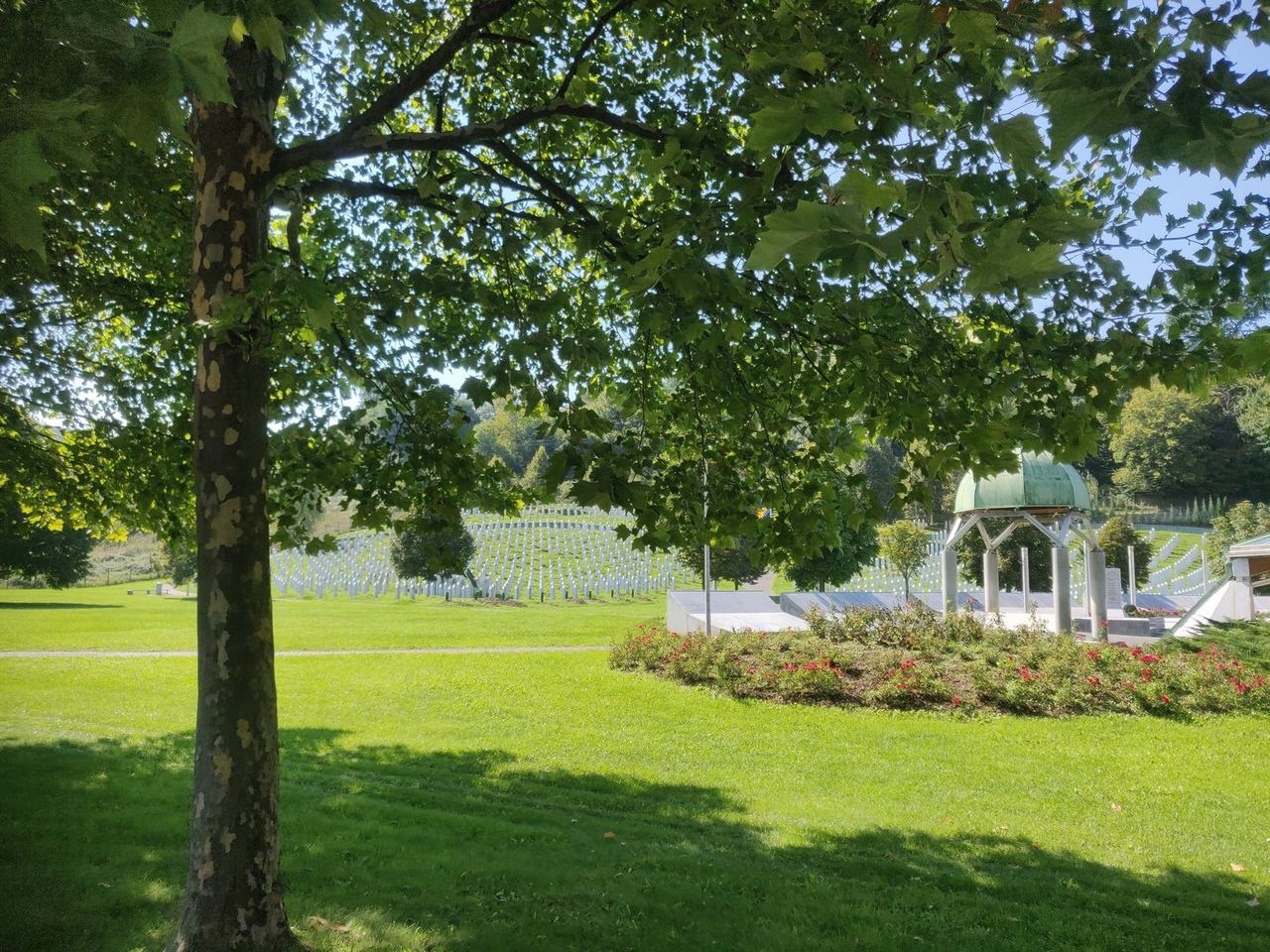
We also went to Srebrenica, a small town in north-eastern BiH. In July 1995 the largest genocide in Europe since the Second World War took place there: more than 8,000 Muslims were systematically murdered. Until then I had never consciously heard of it. As we also stayed in Sarajevo, we looked more closely into the wars in the former Yugoslavia that followed the end of the Cold War. Many traces can still be seen in the capital. I also didn't know that the country is paralysed by deep, ongoing tensions, as a large part of its territory belongs to the Republika Srpska entity, which is pro-Serbian and whose government denies or downplays the genocide. The entity's de facto capital is Banja Luka, which we passed through on the way to Hungary.
Despite the wars of the 1990s, and although Serbia and BiH aren't part of the European Union, I was very surprised how well developed and prosperous the parts of the countries we drove through are. All these countries are definitely worth a trip and still largely untouched by Westerners. Contrary to my expectations, we didn't see a single central European camper until Hungary.
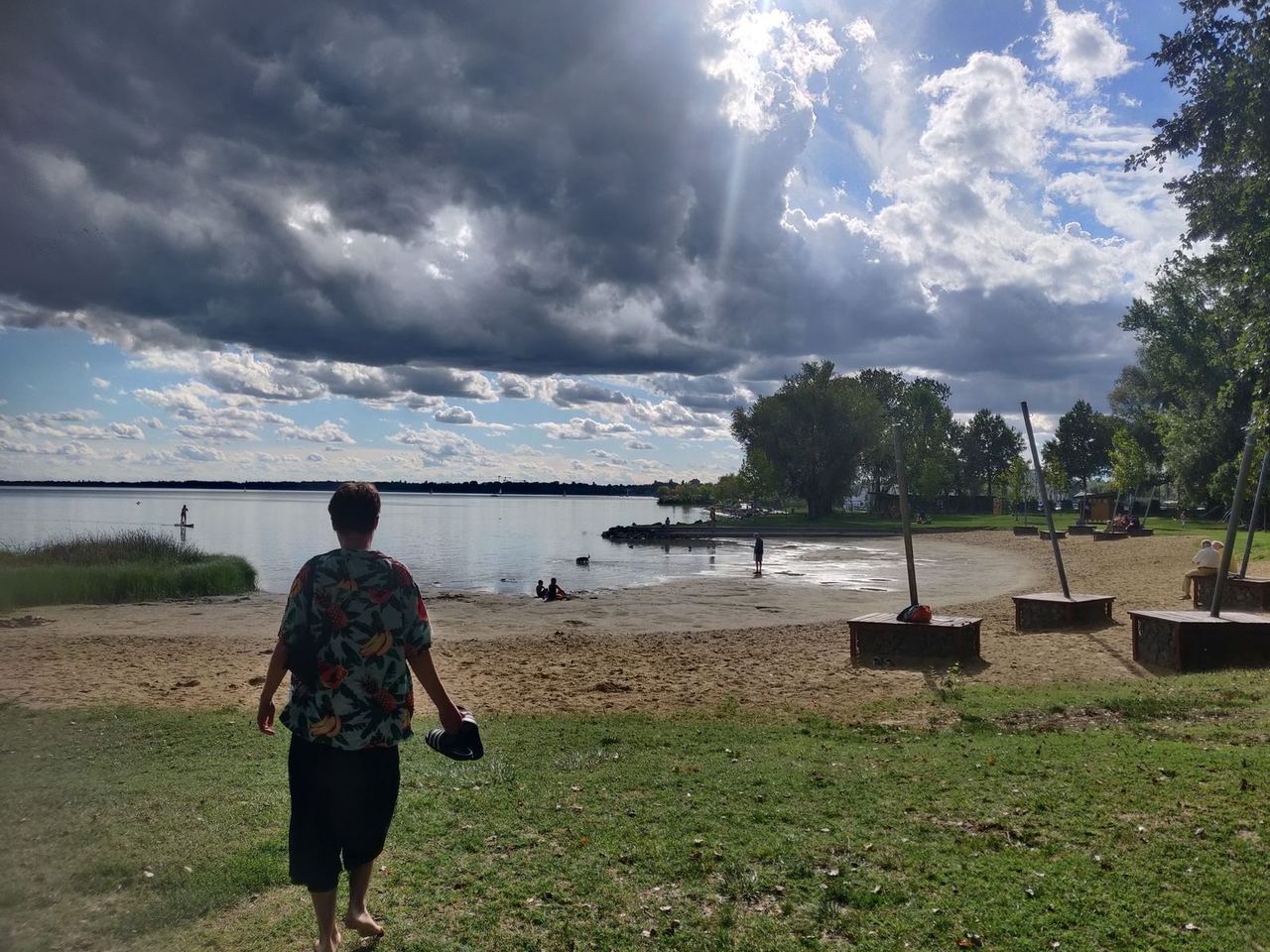
At Lake Balaton in Hungary, where we spent three days, there were lots of Germans with huge motorhomes. But we were lucky to park on a stretch of beach that had already closed for the off-season, where it was quiet and the toilets and showers were still open.
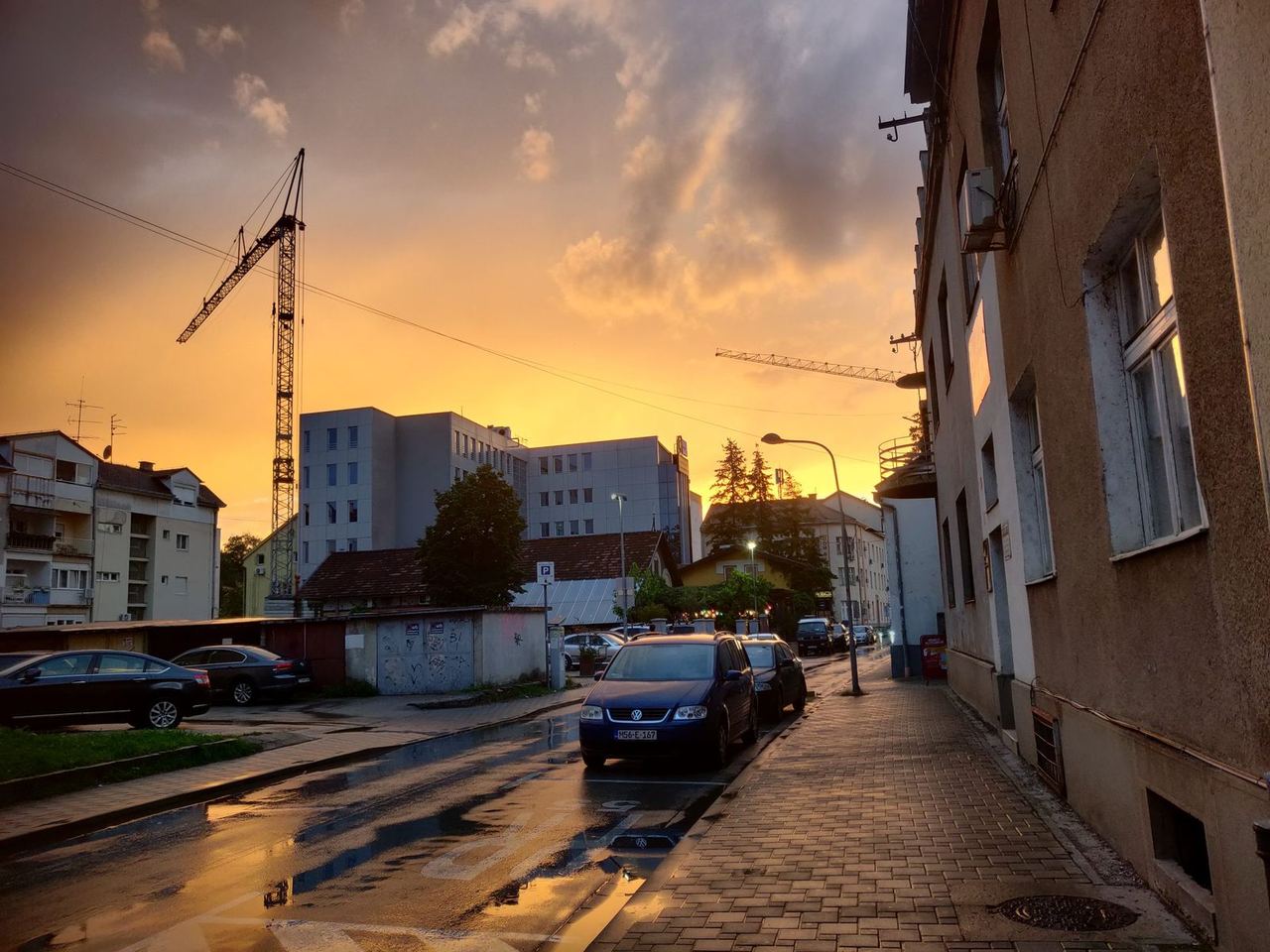
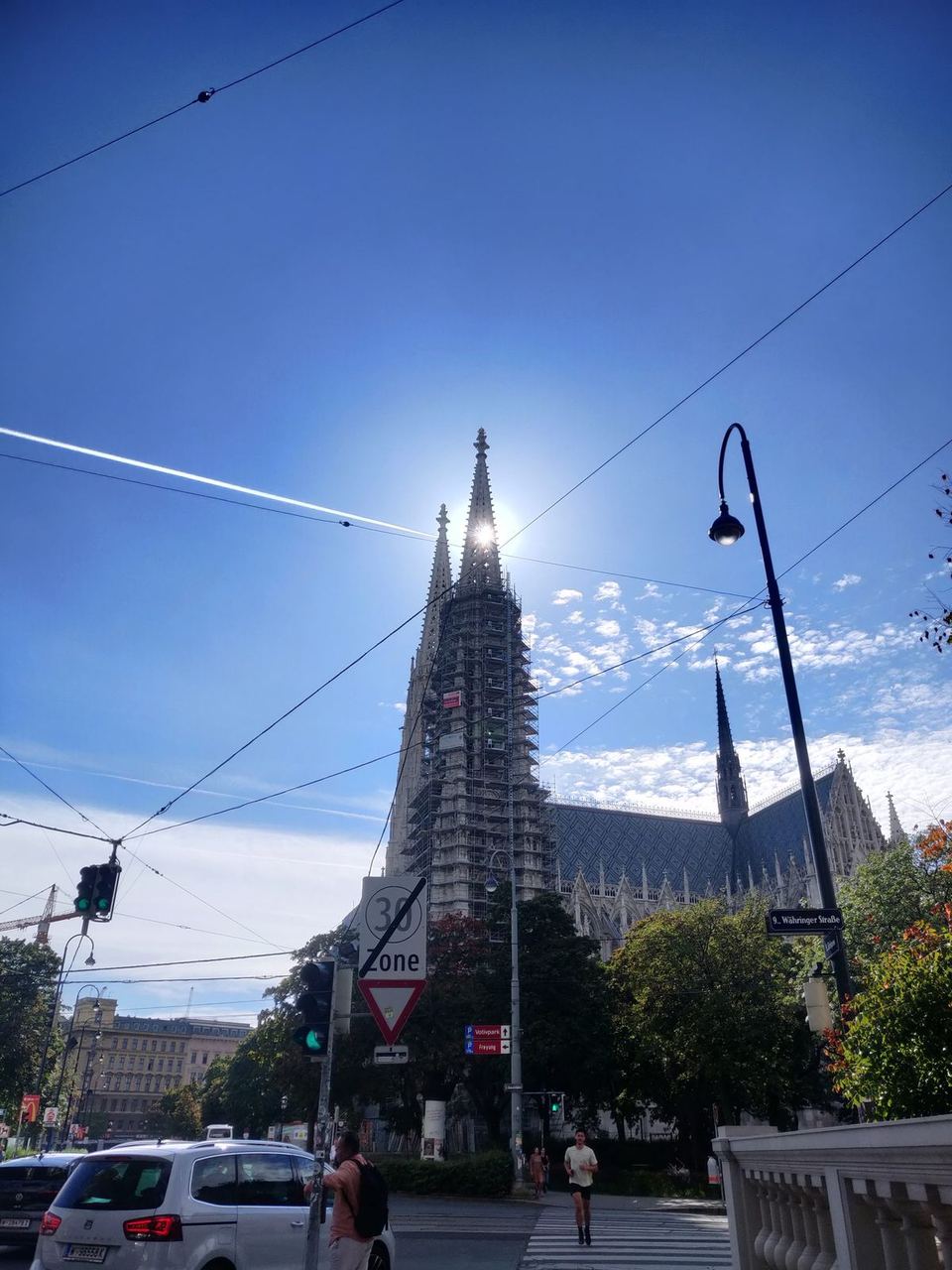
Then we drove via Vienna to Leipzig, where I visited some friends.
And so, at the end of September 2022, my roughly 11-month journey ended where it had started, with my family giving me a happy welcome. At times I didn't think I'd make it home in the bus, but somehow everything could be solved.
Looking back, I have to say that the trip – through 21 countries – gave me a lot, but it also challenged me. In hindsight there were an enormous number of different impressions. In the end it would have been better to see a bit less and invest more time in preparing and reflecting on countries, sights and stories. Hiking and ice climbing in Turkey, teaching in Nepal, couchsurfing in India, driving a UAZ in Kyrgyzstan, living in Georgia and discovering Iran in midsummer were extremely varied – and so simply a bit too much. Still, I wouldn't want to miss any of these experiences, and I'm looking forward to a regular daily routine and new intellectual input in my master's degree.
I don't think this will have been my last big journey. The UAZ Bukhanka has somehow got under my skin … We'll see – maybe it'll become a new project, to explore the north-east more and perhaps reach Kazakhstan overland after all. In the end, though, it doesn't matter how, in what or where you travel; what counts are the experiences you have with people. Beautiful nature, buildings and scenery are all the better when you share the experience.
A short summary of the trip (in German) can be read here.
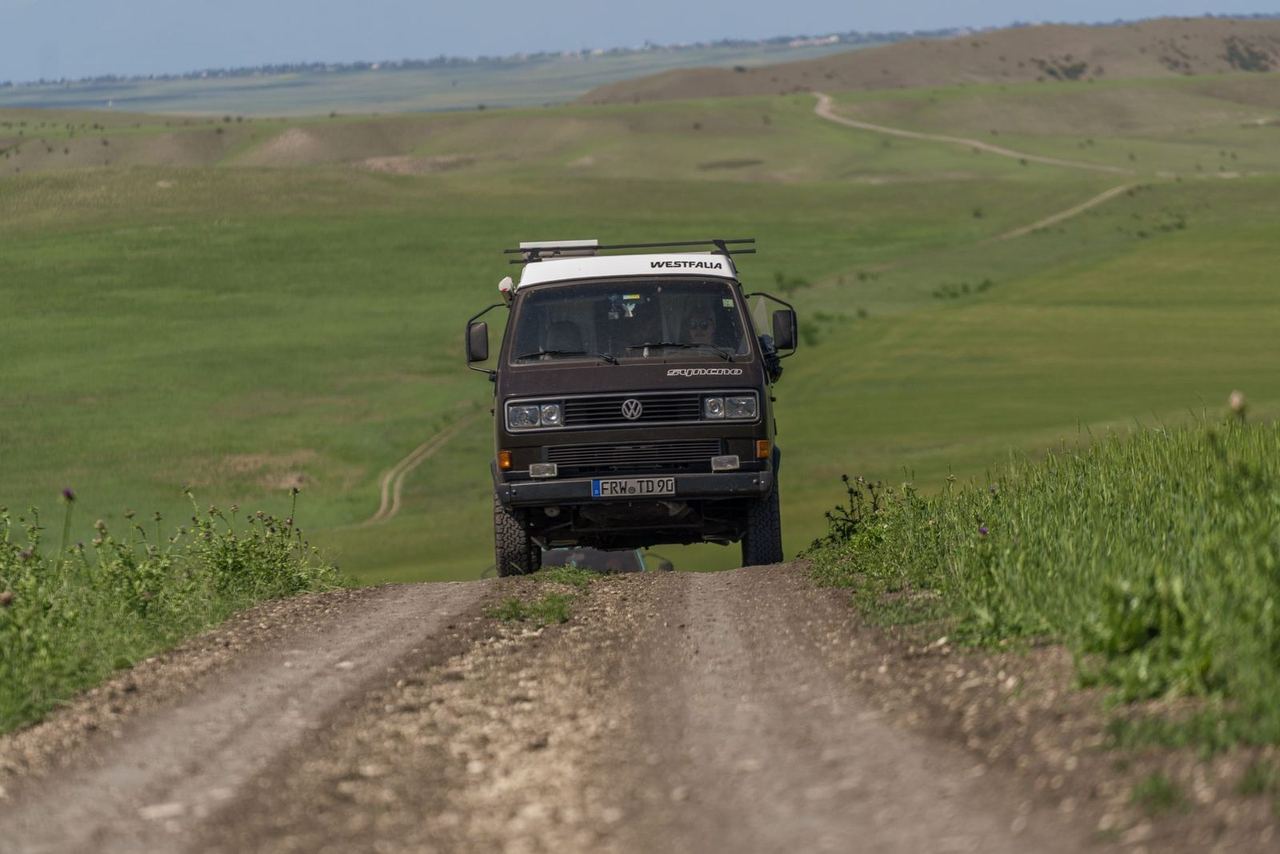
The last video.