
Volunteering at a technical school
One reason I travelled to Nepal was to dig a bit deeper into a particular field through volunteer work – and to help a little, if you can call it helping.
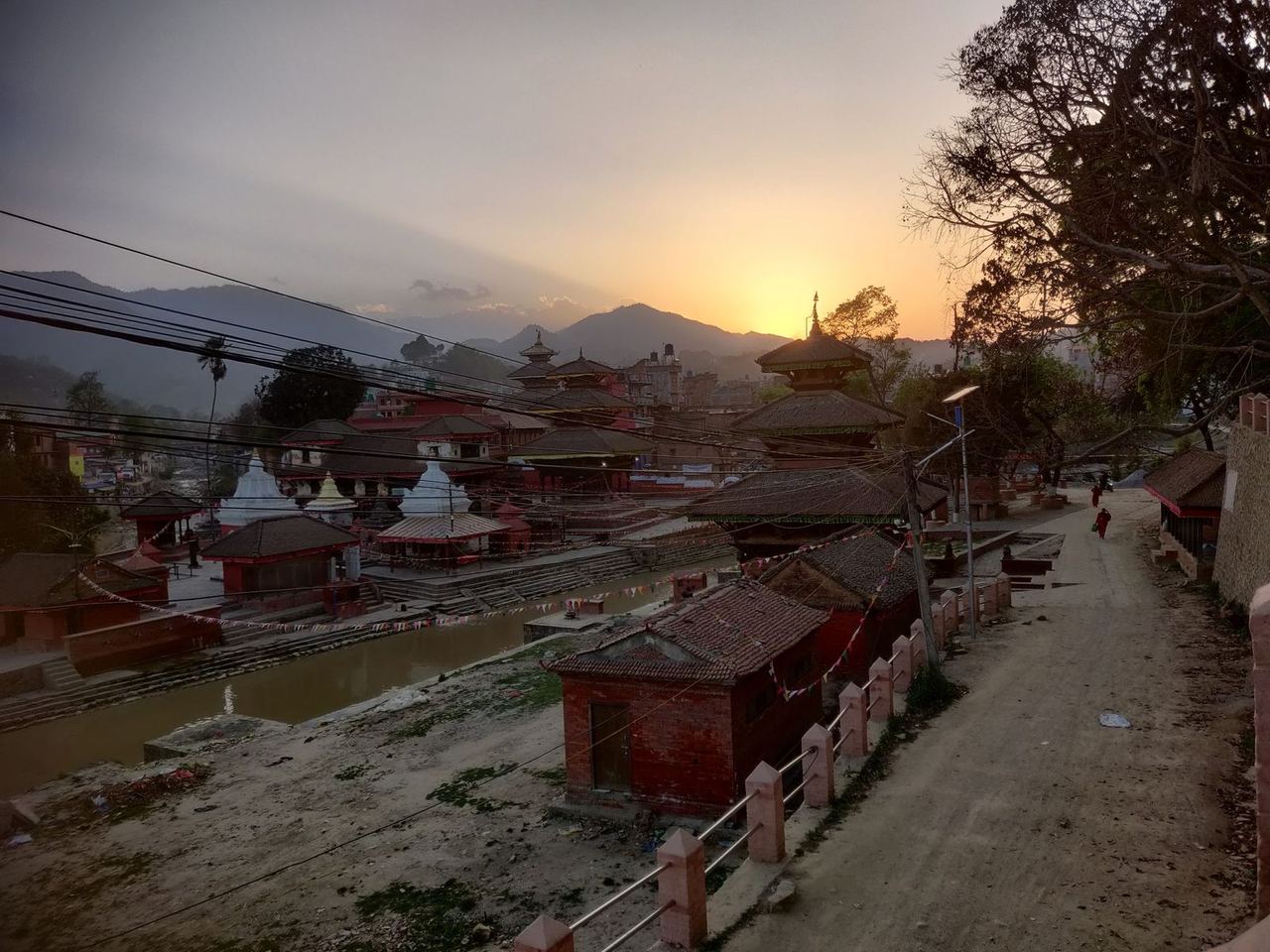
There are many organisations that offer this – and of course charge for it. There are even companies that arrange a homestay with a family for a comparatively large sum. I met several volunteers who'd done it that way.
If I'm giving my time and skills without pay, I wanted to be able to stay – and ideally eat – for free, as is usual on bigger platforms like Workaway or WWOOF.
Through a local mechanical engineer I made contact with a government school. It's set up like a training centre and mainly trains car mechanics.
The school is 40 km east of Kathmandu. It offers training programmes of different lengths – 1.5, 2 or 3 years – as well as further training courses and driving lessons.
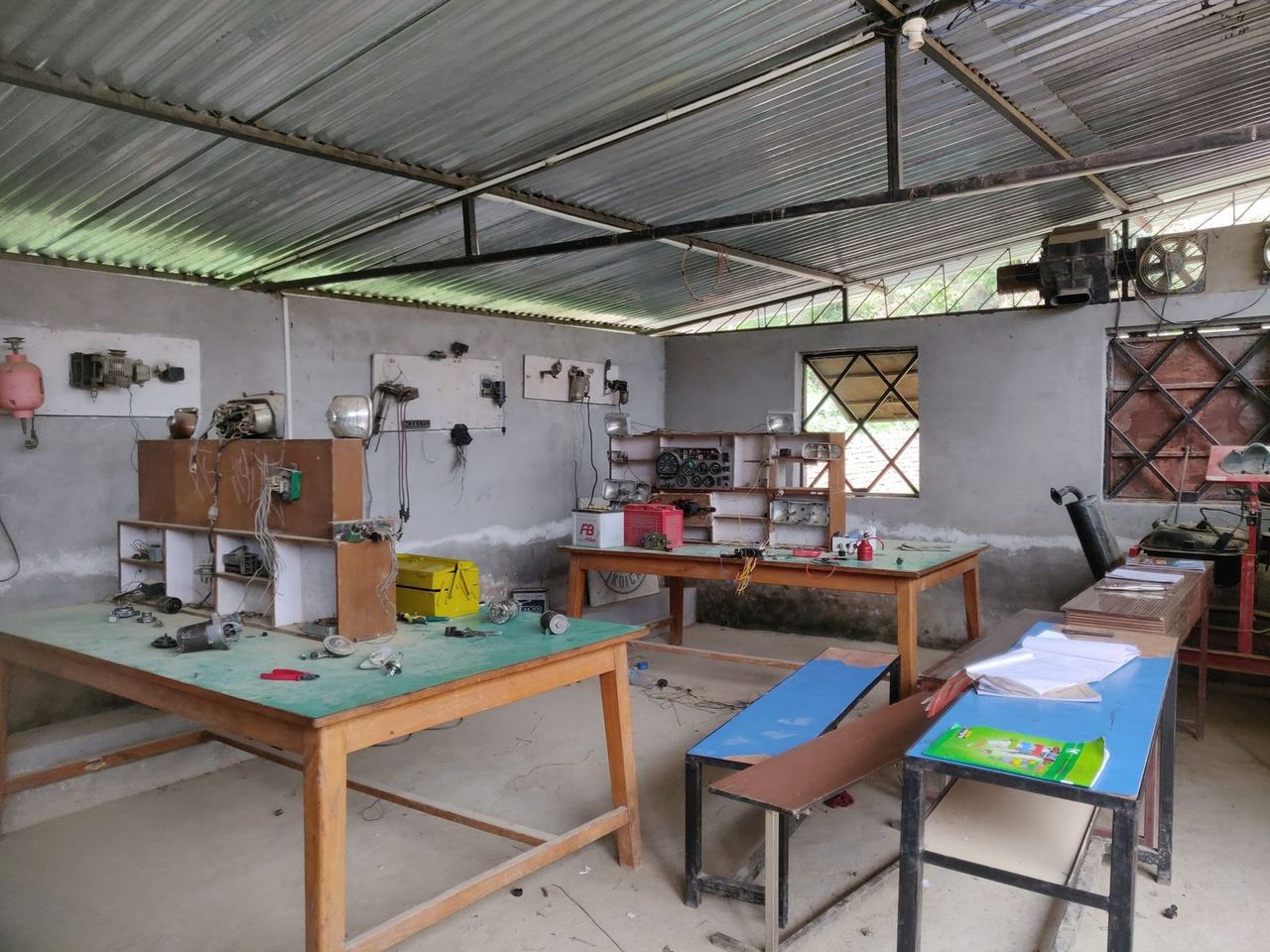
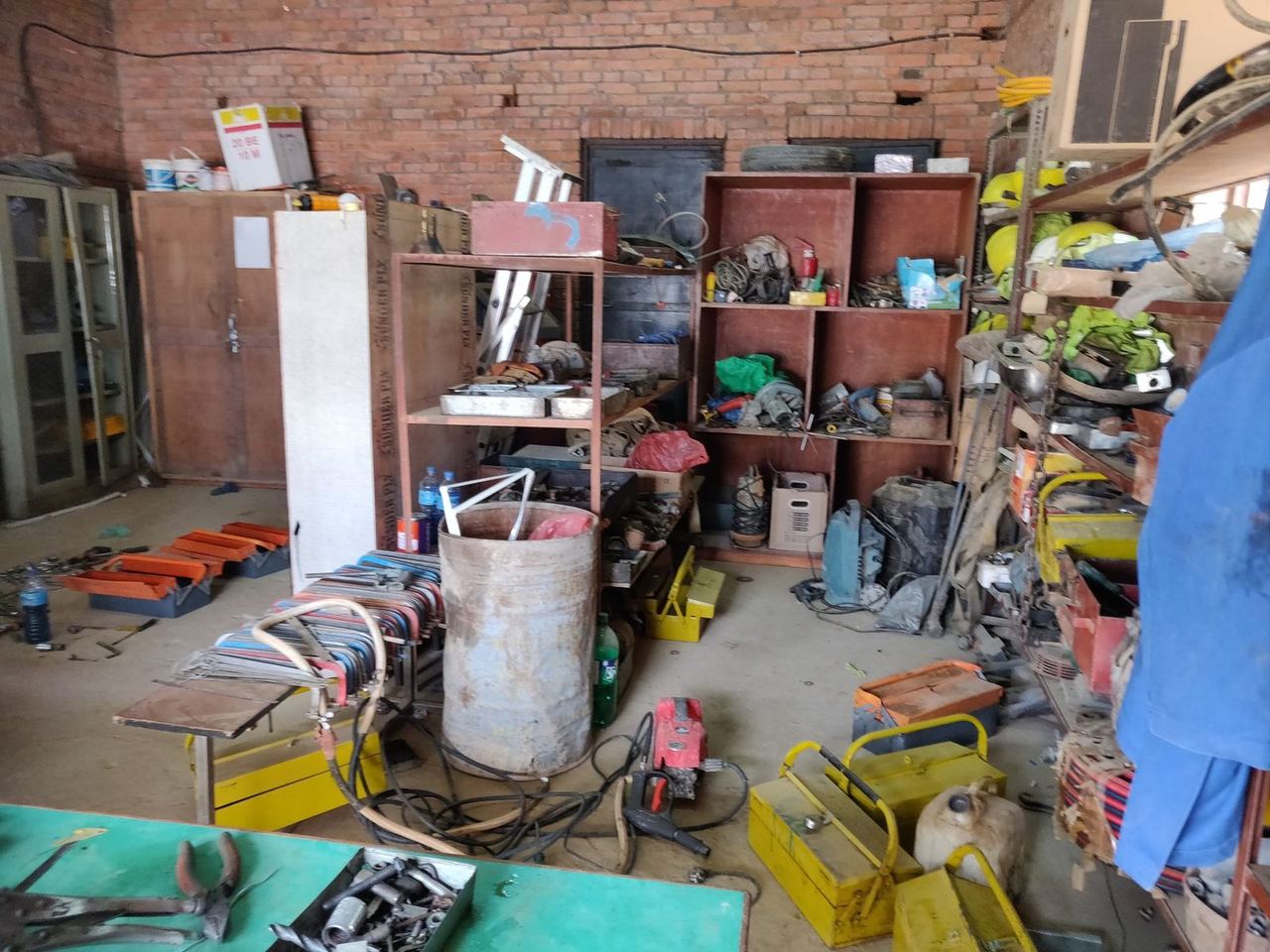
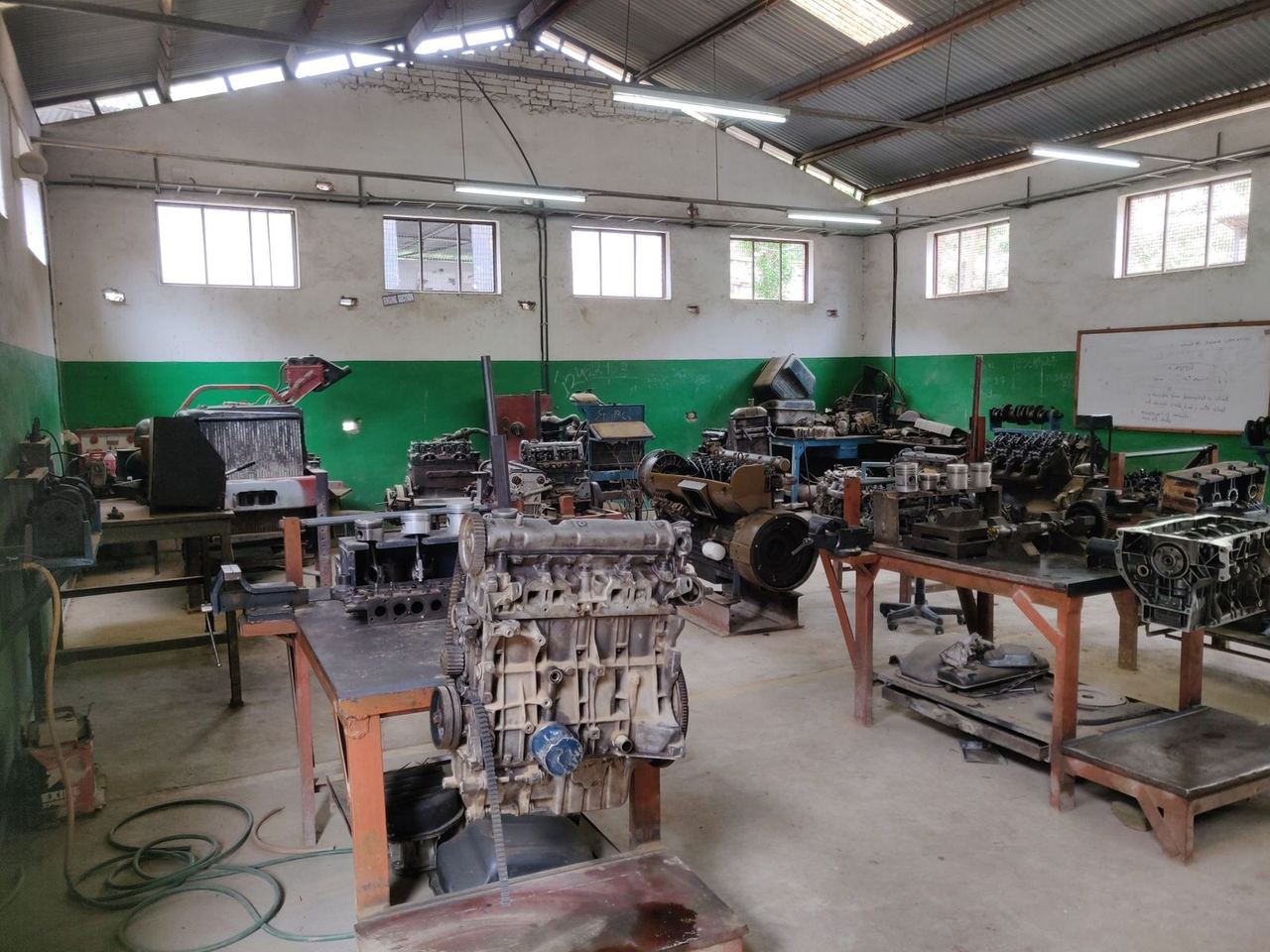
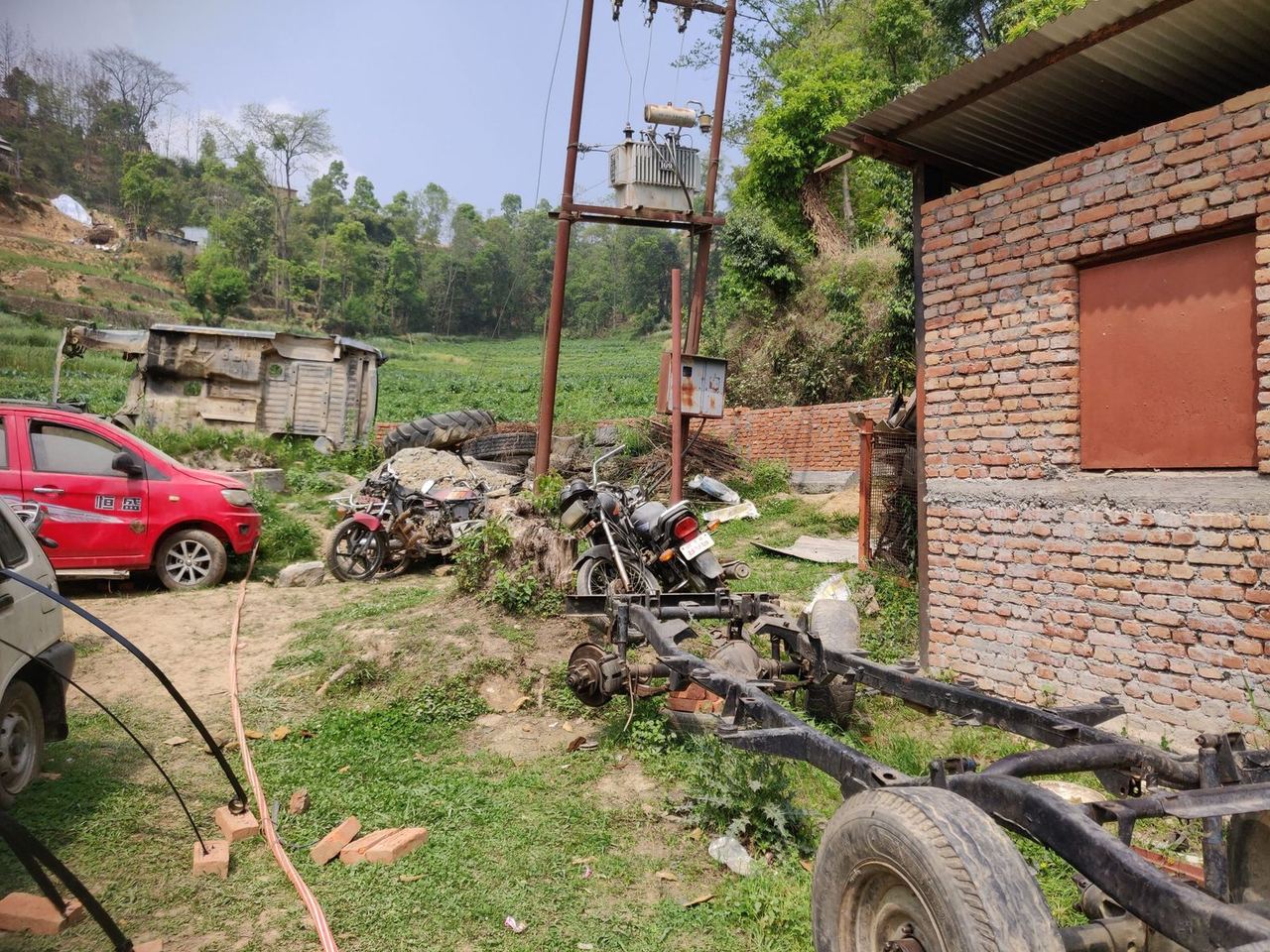
After getting in touch, I visited the school to get an idea of it. The director showed me around and explained the different training programmes. When he asked what I could do, I said I could help wherever needed – teaching, preparing or repairing. In return I could sleep on the grounds: an office building had a room with a bed and a bathroom next door. Food couldn't be provided, as the ministry wouldn't approve the money for it. A meal in the canteen only costs around 60 cents anyway.
Later I sent the school the required documents – CV, certificates and a motivation letter. I started there in March and ended up working until the end of April.
How I organised the work was up to me. At first I sat in on a few lessons. Later I repaired a lathe that had been out of action for two years: a teacher who didn't know better had completely destroyed a gear by engaging reverse while the machine was running at full speed.
I put a lot of time into servicing and improving the machine. It only came with a four-jaw chuck, which makes clamping round stock awkward, because the four-jaw chuck doesn't self-centre and the part has to be measured. Luckily there was a small old three-jaw chuck in the stores, which is more convenient to use. Unfortunately there was no mount for it, so I made one myself. There were no turning tools either, so those were made from blanks too.
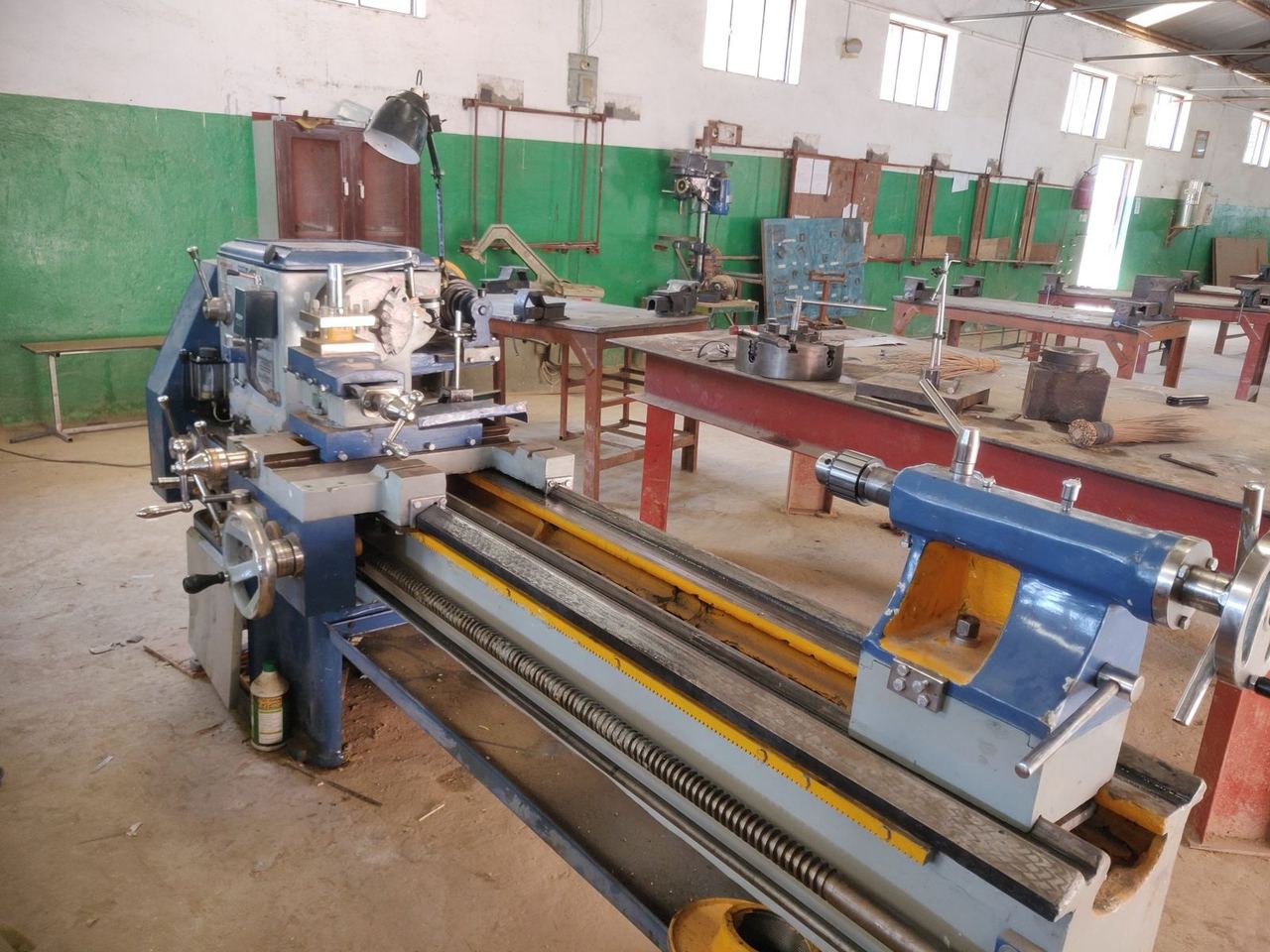
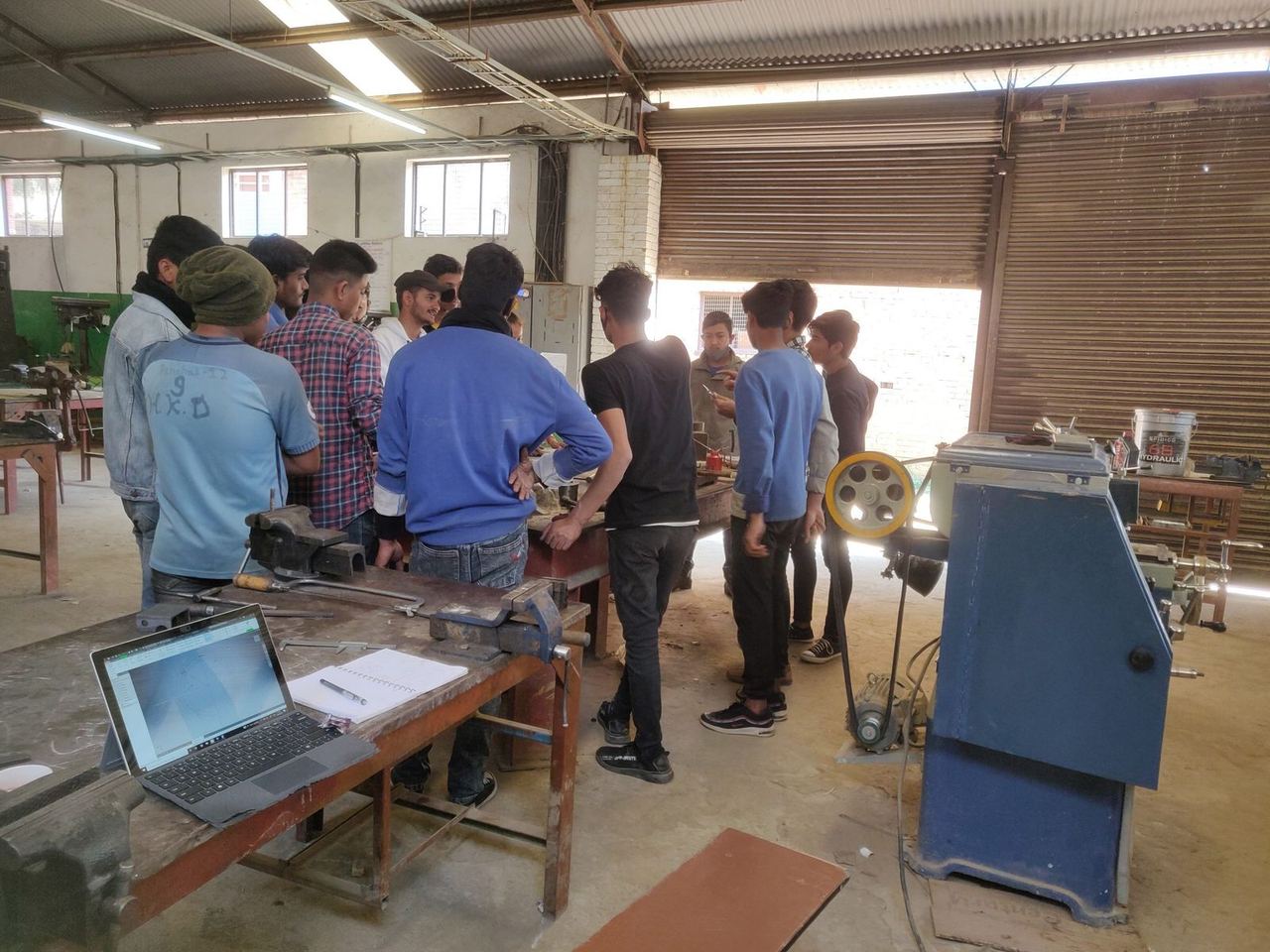
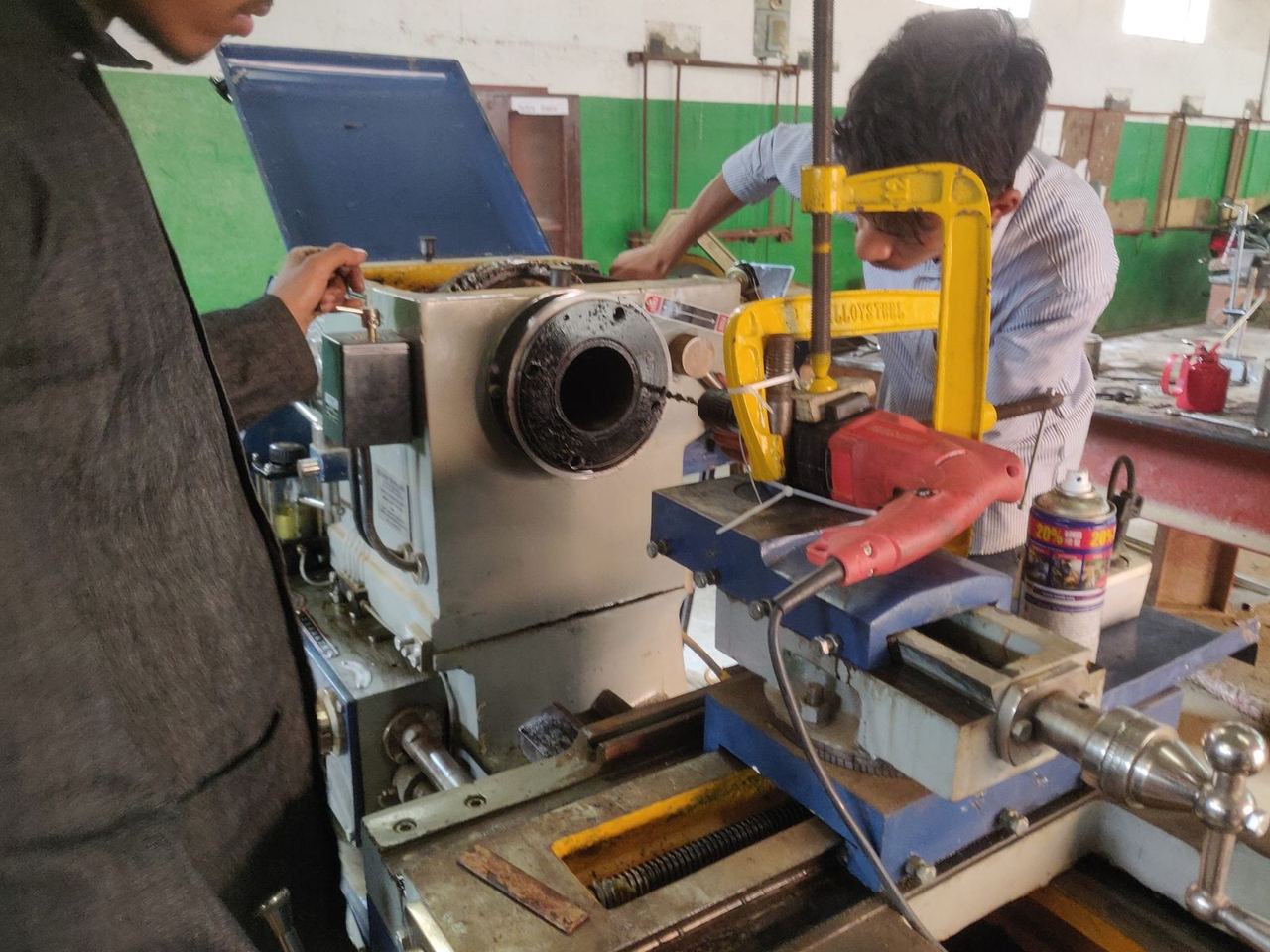
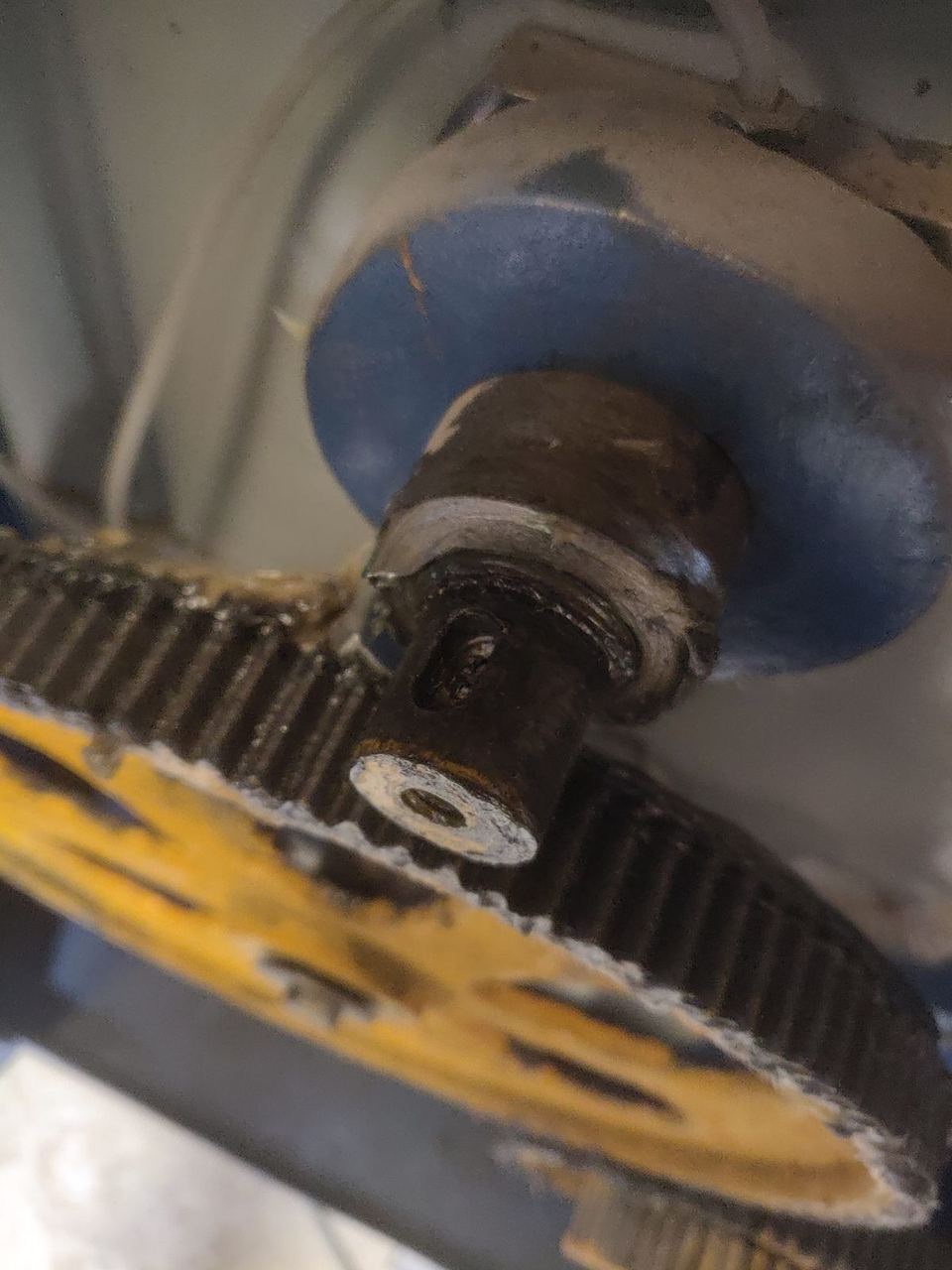
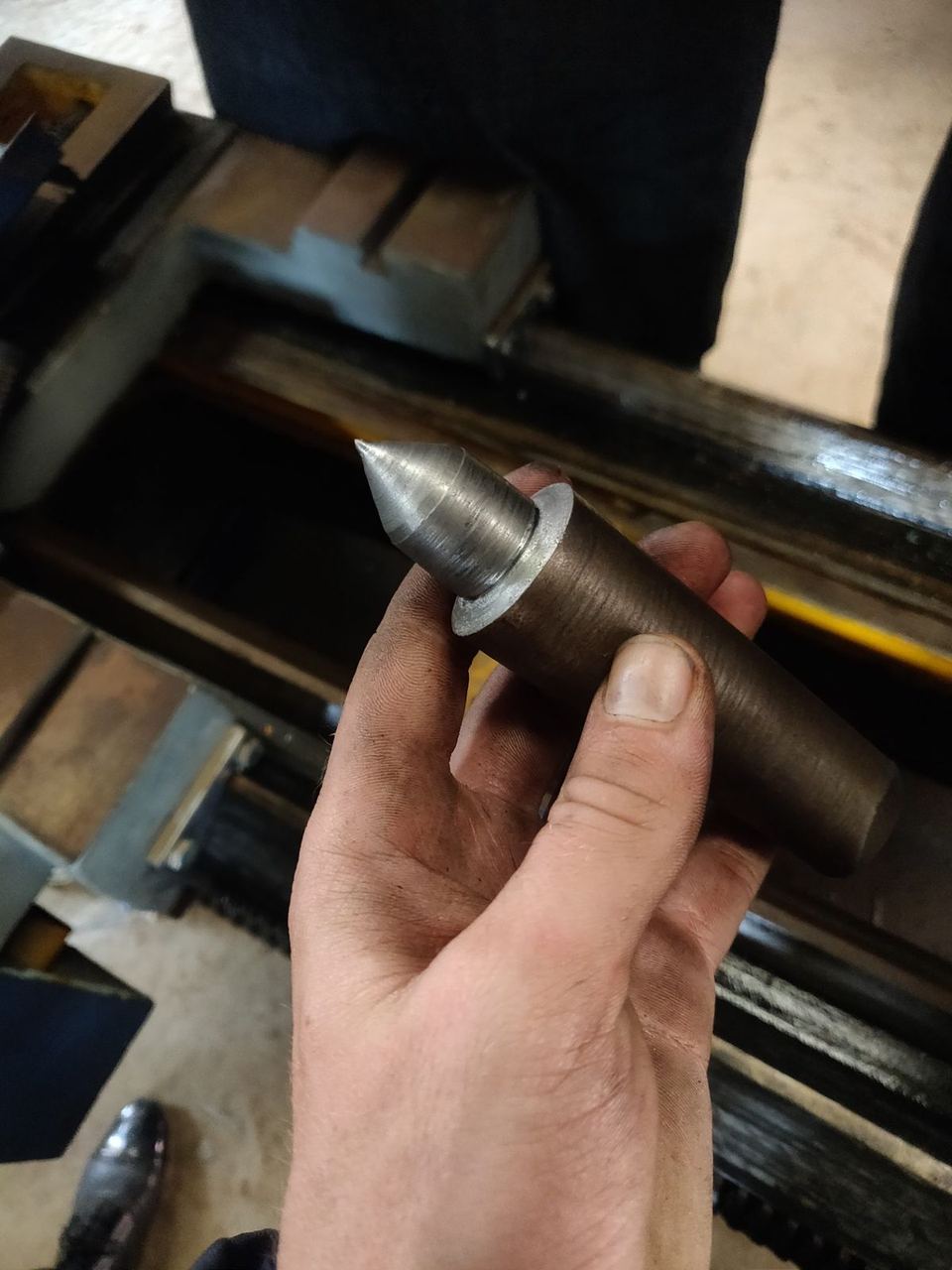
Once the machine was usable and reasonably safe, I created teaching materials and taught on it several times a week. With one class, which I looked after for a week, five hours a day, we started with the theory and the safety risks and finished with hands-on work. We also got various cars that had been donated to the school running – or at least tried very hard to.
Besides teaching on and with the lathe, I was asked to rework the layout of the main workshop and add machines and tools that I felt were missing.
For that, I analysed the framework curricula of the training programmes and arranged the machines and workstations accordingly.

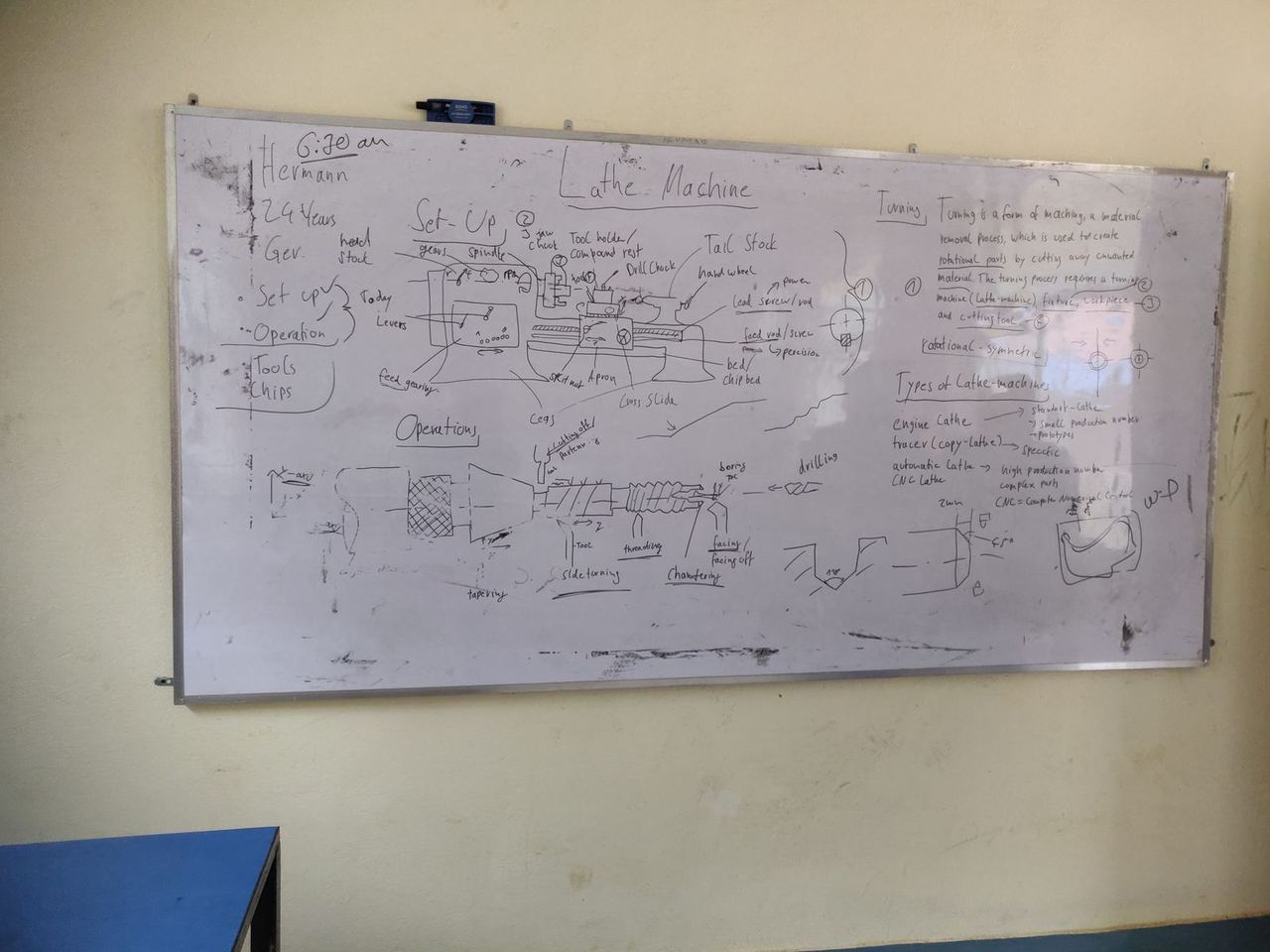
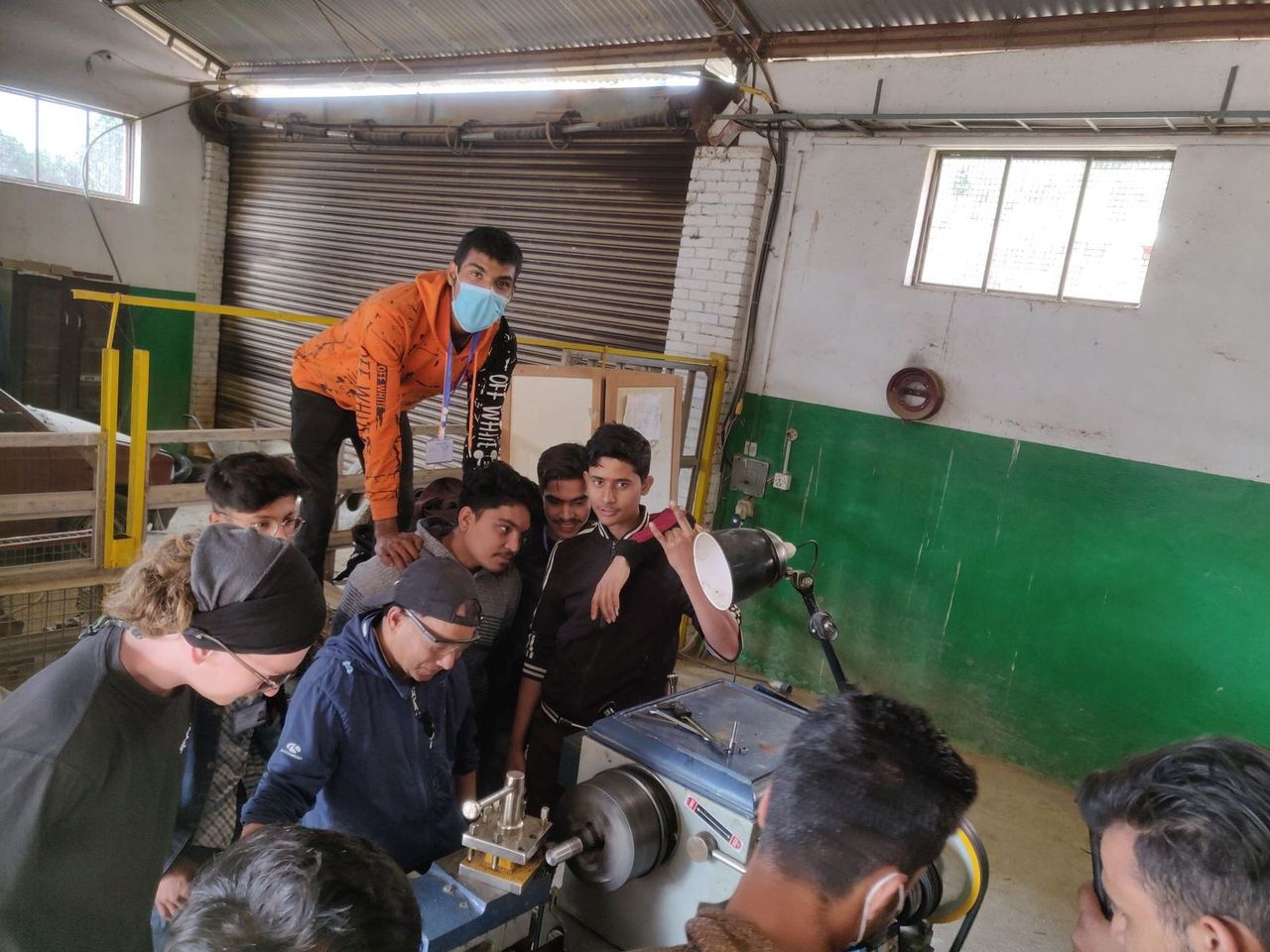
Since I lived on the school grounds and the school was open from 6 am to 5 pm, there was always plenty going on. Apart from the lessons, I could organise my own work. I worked about six hours a day and often pursued my own projects on the machine until 5 pm. The Nepali working week is six days, as Sunday isn't a day off.
Still, I used my free time to explore the area or go to Kathmandu to visit friends.
I really enjoyed working at the school. It was great to apply and share what I'd learned. Despite the language barrier, explaining things in simple English, with sketches and by writing down the technical terms worked pretty well.
The staff made me feel very welcome, and we went out for dinner together several times – team-building, you might call it.
The technical and educational standard is of course much lower than in German training centres. Work ethic, organisation and structure are also different and less efficient than in Germany, so the whole process and the level of the graduates can't be compared with ours. But the hands-on practice shapes the students enormously. I met some gifted craftsmen there.
On my last day I presented my findings, suggestions for improvement and the layout.
The farewell and the official gift from the government institution also made me feel that my work and time were appreciated. Two weeks after I finished, I saw an official call for tenders on social media for various masonry works in the main workshop. So some of my concept is already being put into practice.
I'm very grateful that I got to spend this time there and was welcomed so warmly.