
By train through India – from Delhi to Goa
India borders Nepal directly and influences the highest country on earth in many ways. Its proximity and the incredible cultural diversity of the world's most populous country made me want to go there.
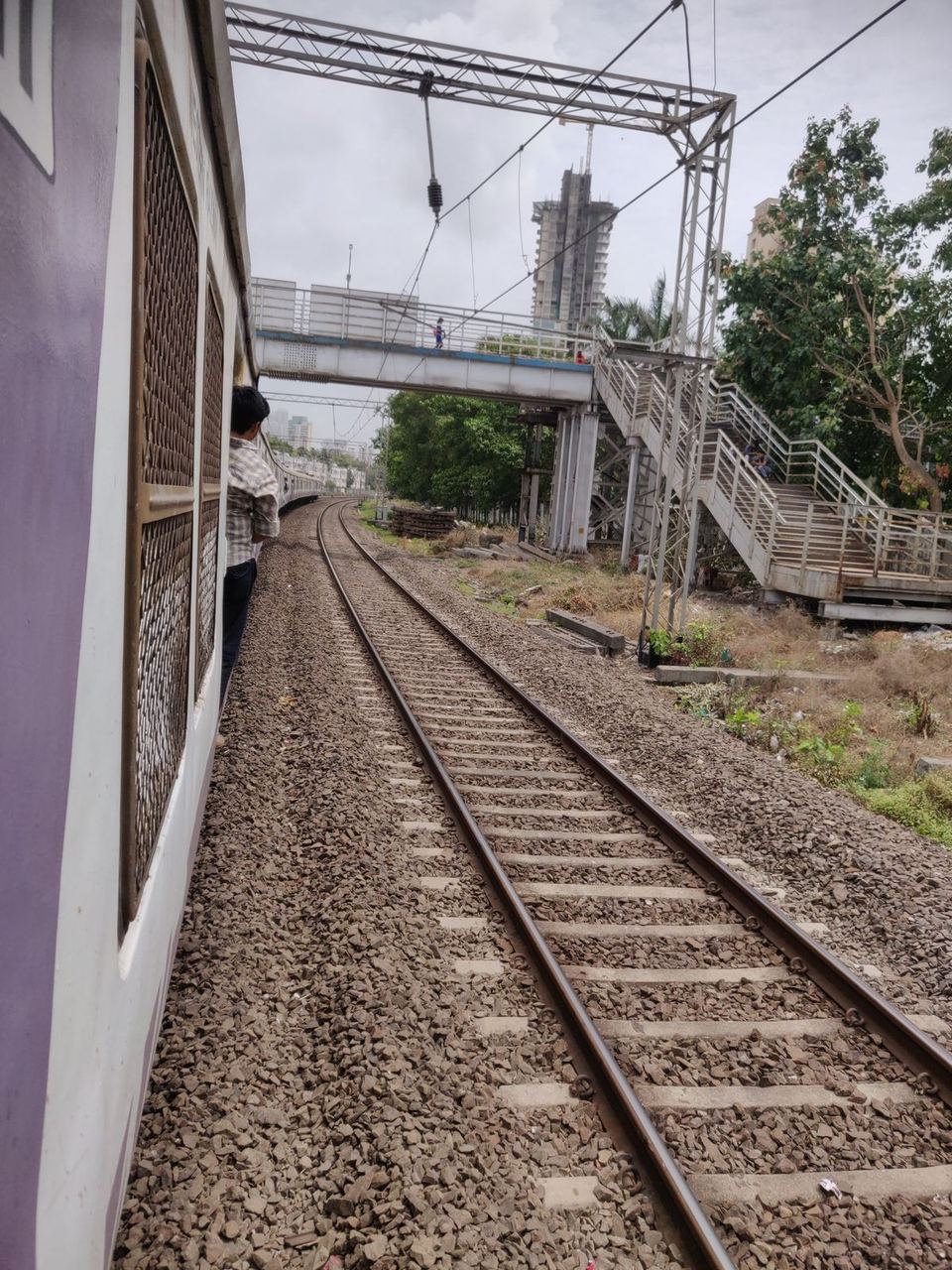
At first I wanted to enter India overland via the Sonauli border crossing (the one I'd have taken with the bus too), as it's near Bharatpur, where I wanted to say goodbye to friends I'd made through my Nepali travel companion. But that wasn't possible: entering overland requires a physical visa in your passport, and the e-visa isn't enough. Unfortunately I found that out too late to get an appointment at the embassy to have the visa stuck in. So I had to fly to Delhi.
At that time (end of April) the tourist visa was valid for a maximum of 30 days, so I planned about three weeks of travelling through India. I asked a few friends and acquaintances and put together this route:
- Delhi
- Agra
- Jaipur
- Ajmer
- Jodhpur
- Jaisalmer
- Udaipur
- Mumbai
- Goa
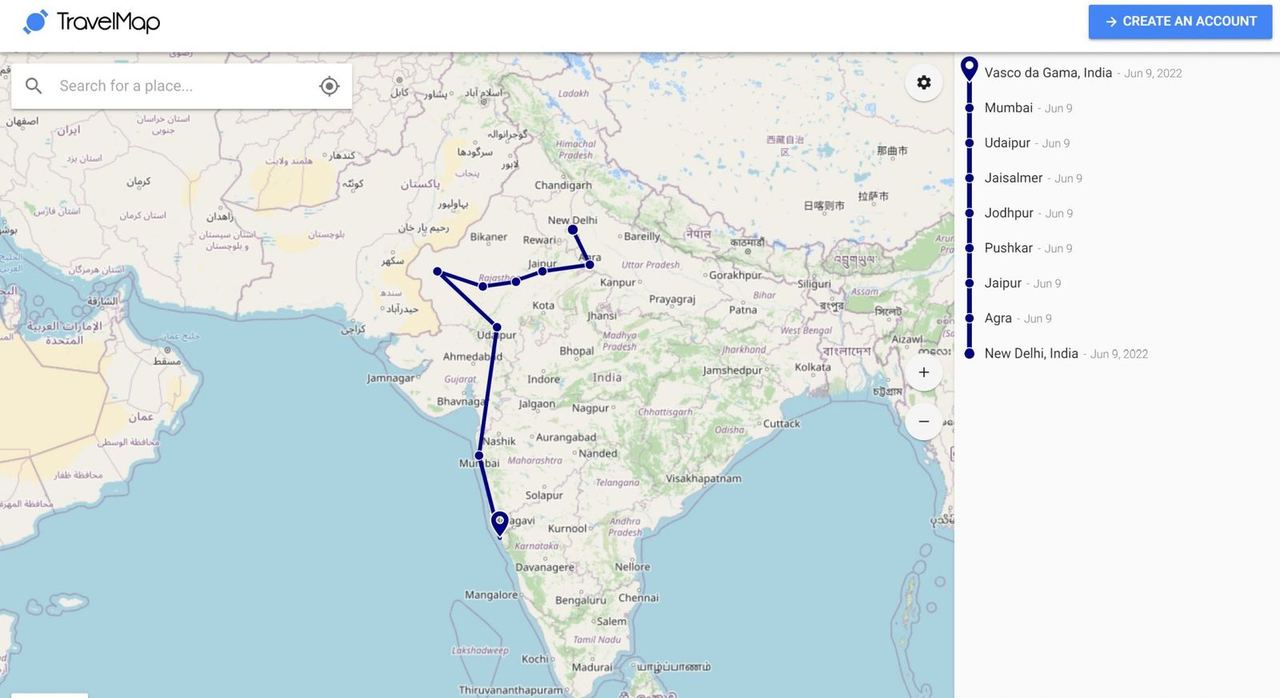
As I was travelling alone, I was open to changes depending on who I met. I wanted to take the train for the whole trip, as it's supposed to be fairly cheap.
Along the way I wanted to use Couchsurfing and also stay in hostels to meet other travellers.
Many people said my destinations were wrong for the time of year and I should rather stay in the north of India, where it's a bit cooler. In Delhi, and later in the desert state of Rajasthan, it was over 40 °C almost every day.
The India adventure got off to an exciting start. I landed in Delhi around 9 pm, where I met two other Western travellers. The two Dutch guys were a bit younger than me and heading for the same neighbourhood – both had come straight from Kathmandu, like me. We got SIM cards, which would only be activated the next day by a phone call. That came back to bite us later.
Many people had warned that there's a lot of scamming in Delhi in particular – whether you're a tourist or from southern India. There are different tricks for different groups. Auto-rickshaw drivers (called tuk-tuks in Sri Lanka), for example, take you to a shop or bazaar to buy things without being asked. Or they take an incredible detour because something is supposedly closed, so they can charge more.
With that knowledge in mind, four of us set off for the tourist district – besides the two Dutch guys, we'd picked up a Spanish woman who seemed a little lost. As it turned out, she had a booking at the same hostel as me.
From the airport we took the train into the centre, from where we planned to walk 20 minutes. But several Indians tried to talk us out of it, because it was dark and as obvious backpackers we could get robbed. After many people independently told us not to walk, the four of us took a rickshaw for the equivalent of 50 cents.
The driver took us to the district (Paharganj). But as we turned into the narrow streets, we were stopped and told that because of rising Covid numbers the district had been sealed off, and since there are many hotels there, it had been turned into a quarantine district. Odd … The numbers really were rising – I'd checked before leaving. To enter the district as a tourist you needed a licence, available free at a tourist information office. Two different people at different places told us the same.
At the next tourist office we were told we couldn't get a licence because it was too late (by now 10 pm). We had no internet, and the office had no Wi-Fi. We called various hotels, but they were fully booked. The rickshaw driver took us 15 minutes to a hotel further away, and there in the lobby we were told it was also fully booked because of a trade fair. The next hotel offered us a room for the equivalent of €70. By now it was 11:30 pm, we were all tired, and we agreed.
The strange thing was that I was only given the correct Wi-Fi password after we'd paid and checked in.
Then, in the room, we found out it had all been a scam. All of it: the district wasn't closed, you don't need a licence, and there was no trade fair. And of course the hotel was far too expensive. We contacted our hostels and arranged a driver to pick us up. We confronted the hotel employee about the huge scam, and of course he was unimpressed. After the hostel owner came to collect us and we threatened to call the police, we got our money back.
It was the best scam I've ever experienced. Several people had coordinated, we were denied Wi-Fi the whole time until we'd paid, and they exploited our late arrival, as we were offline and clueless until then. What a great first impression of the capital.
We reached our accommodation in the night, and everything was sorted.
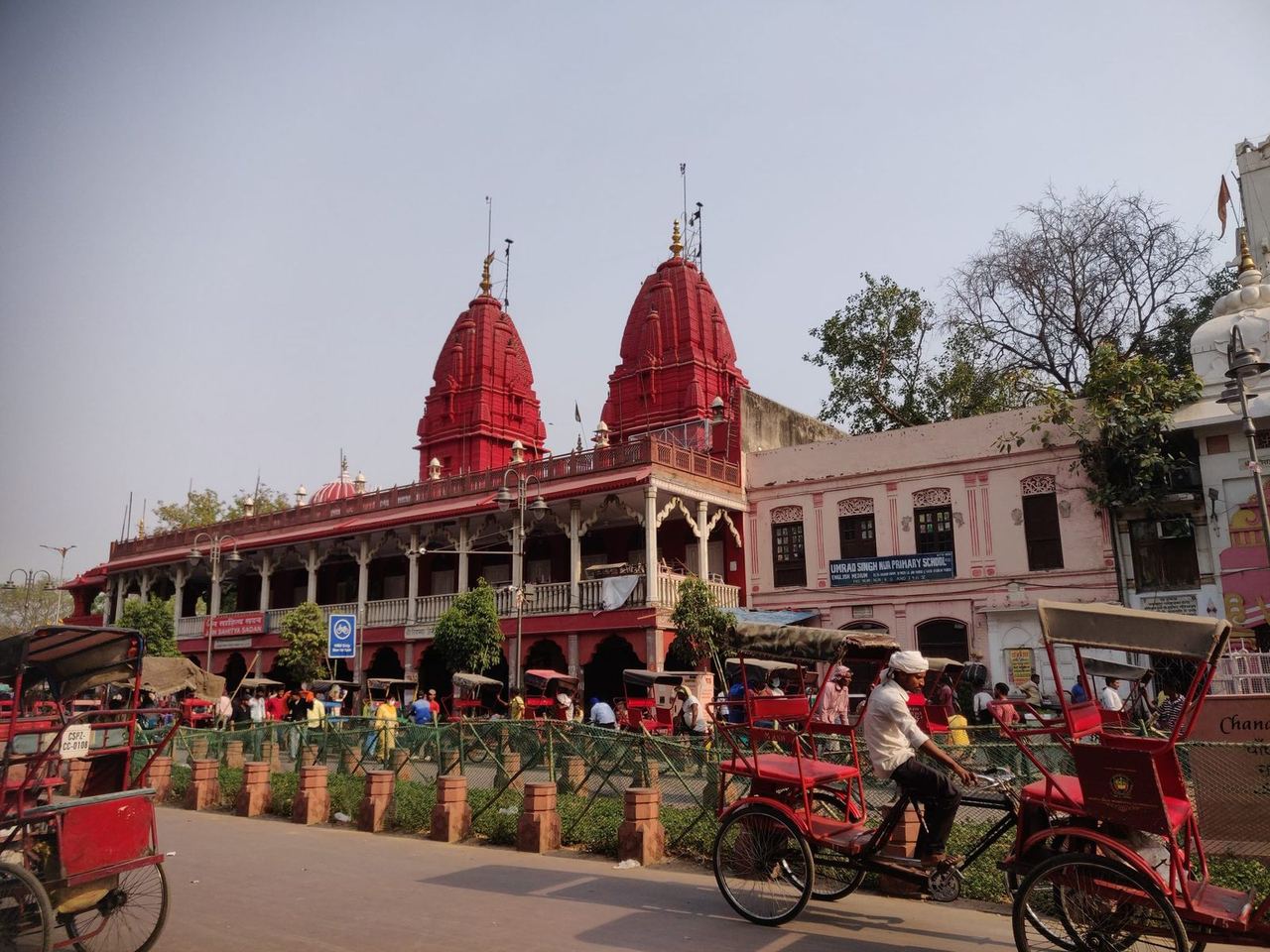
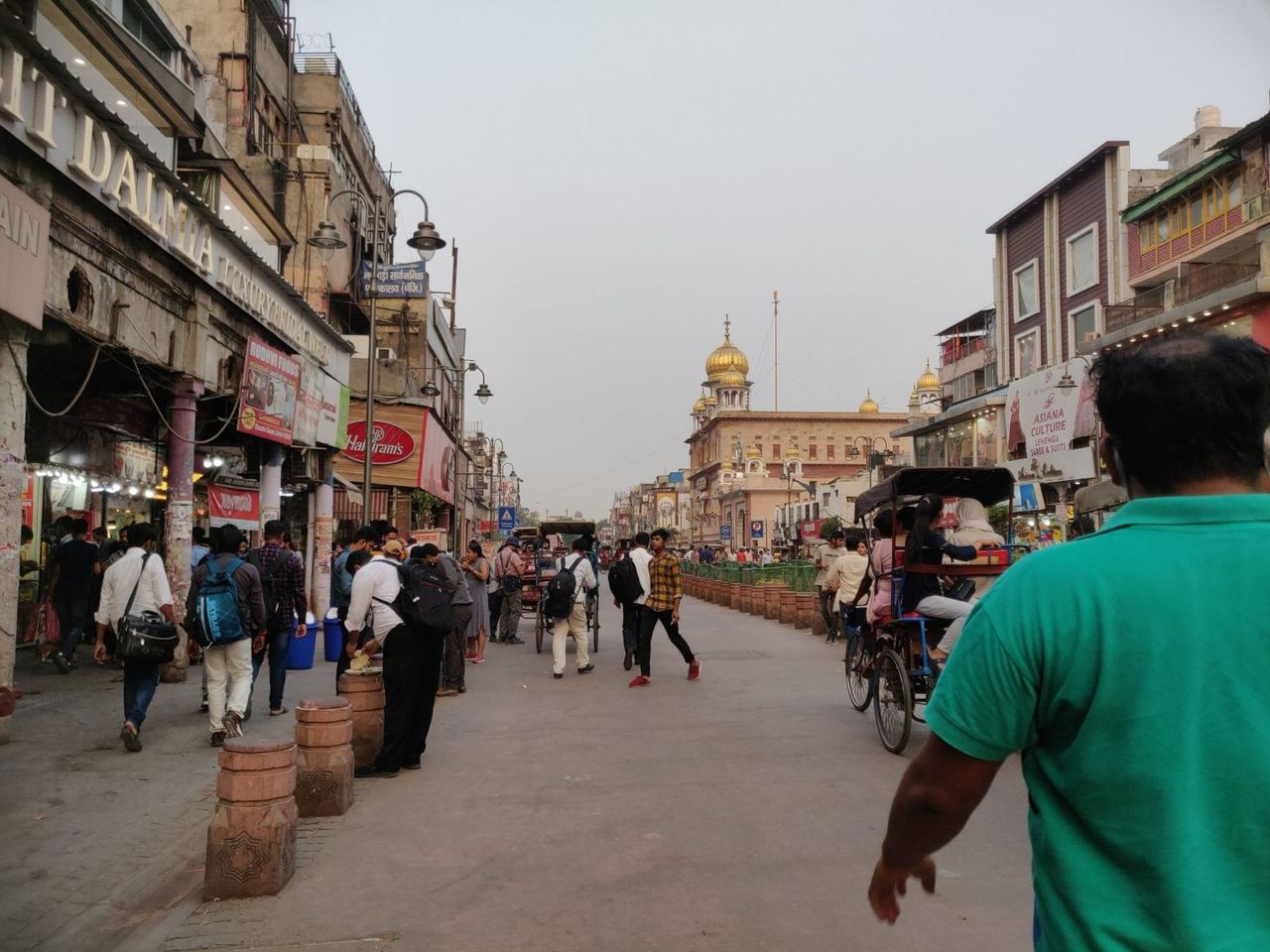
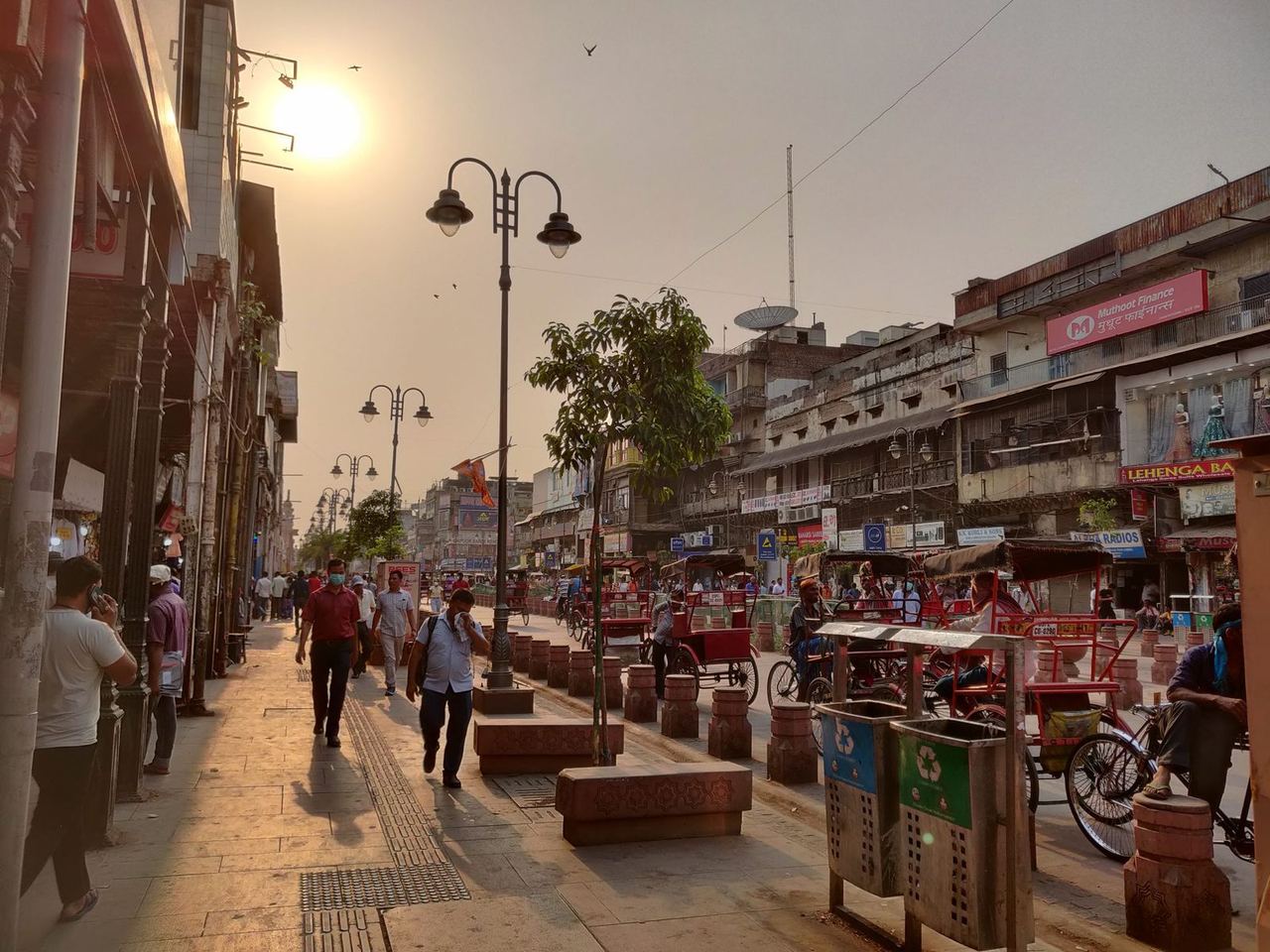
I spent three days in Delhi altogether, exploring the city and planning what to do next.
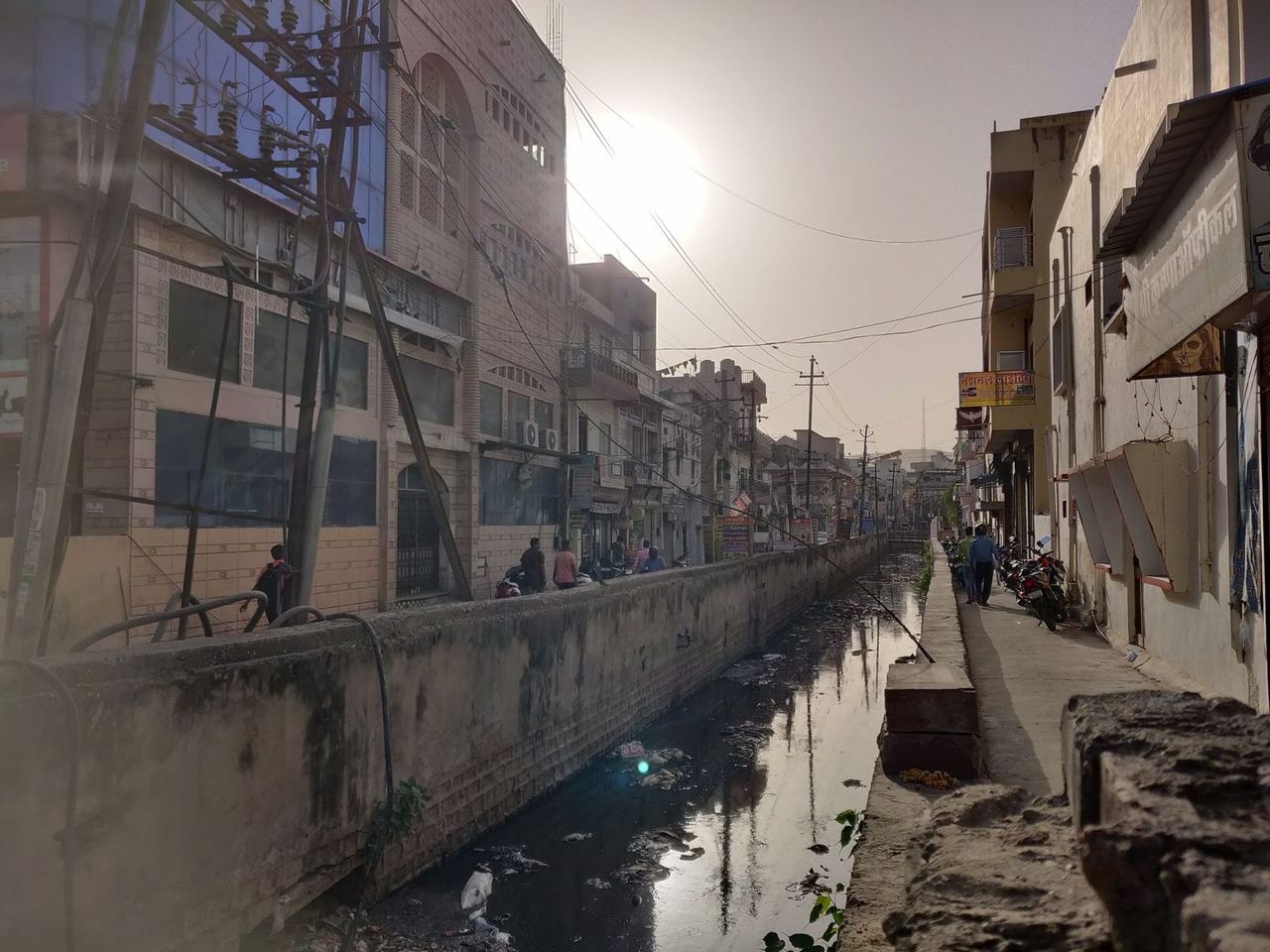
In Delhi, as a white person with blond hair, you really stand out – especially since people rarely wear short clothes despite a sweltering 44 °C. So people often approached me, as a solo traveller was an easy target. People wanted to sell me fake train or bus tickets, lure me back into those fake tourist offices to book something, or flog me postcards, magnets, weed or other stuff.
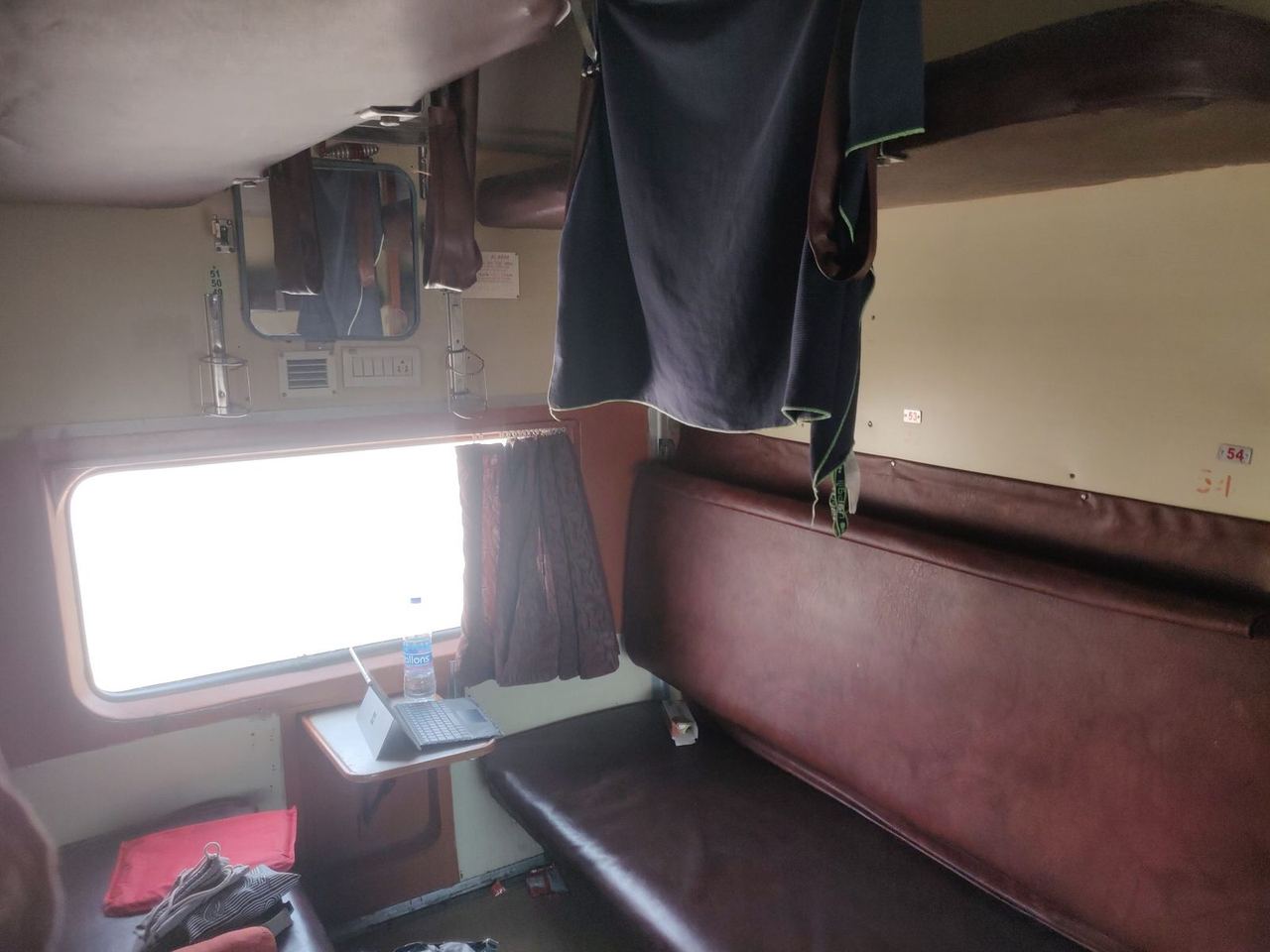
After Delhi I took the train to Agra, home of the Taj Mahal, one of the New Seven Wonders of the World. As a tourist you really couldn't book train tickets online, which several people confirmed to me over the three weeks. To book, you had to go to the station, fill in a form with your travel details beforehand and queue, like lots of other people, at one of often eight counters. Since I did this seven times during my time in India, I got used to the pushy people who jump the queue for no reason and look for body contact.
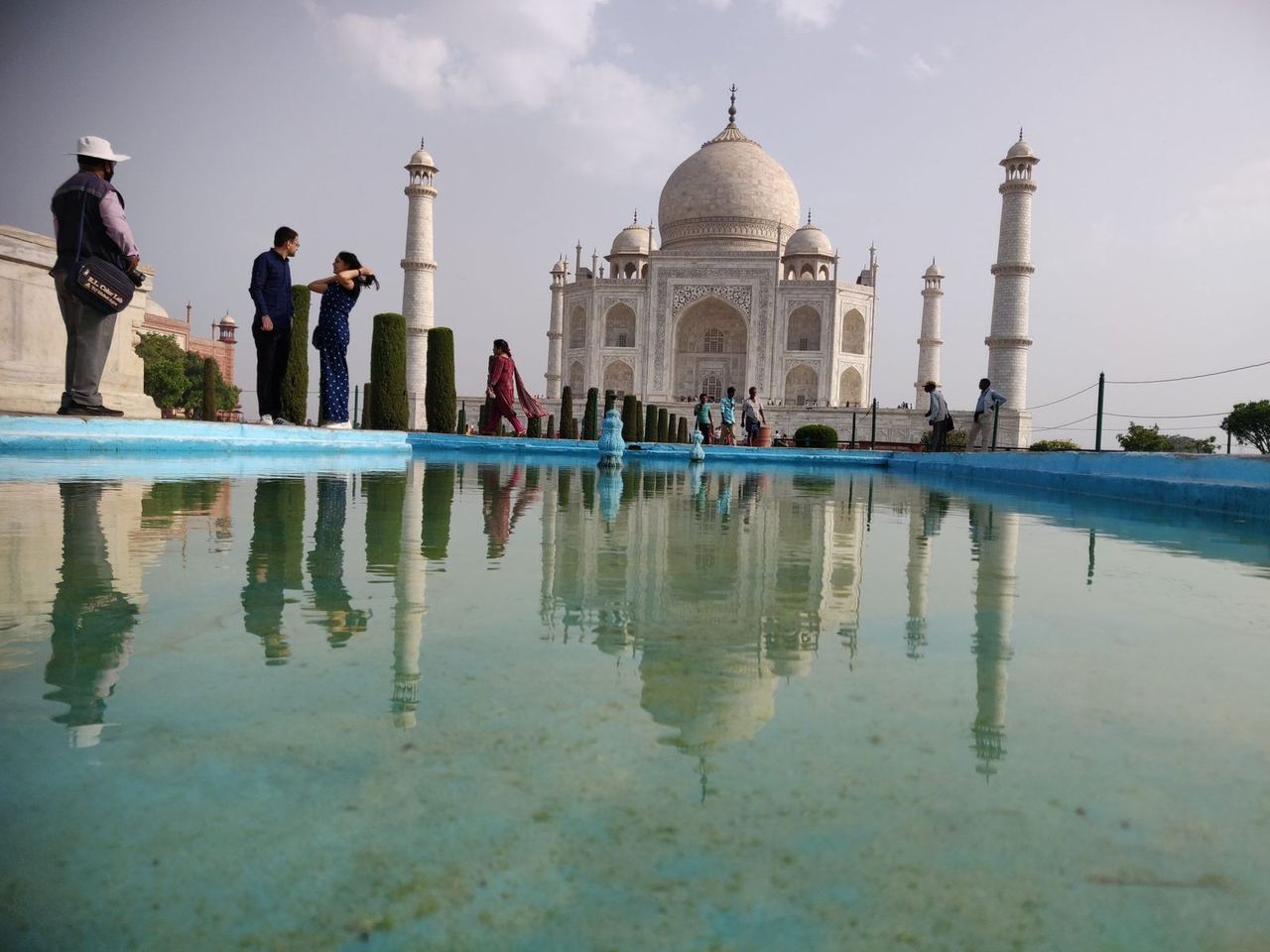
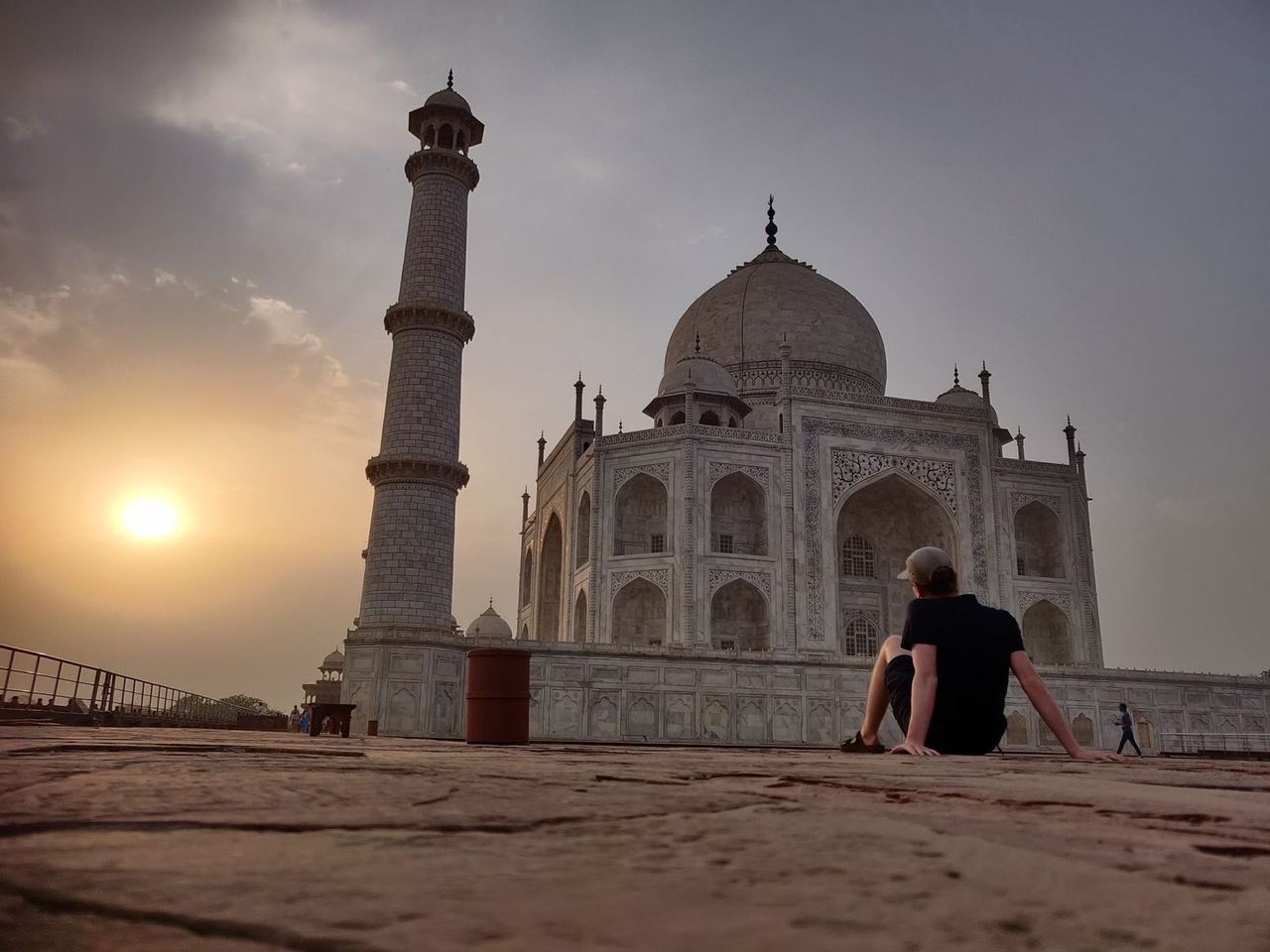
I stayed one day in Agra. In hindsight that was enough – three hours at the Taj Mahal were plenty for me. The gates open at 7 am, and shortly after sunrise it's really worth taking in this monument. With its symmetry and details it's simply indescribably beautiful.
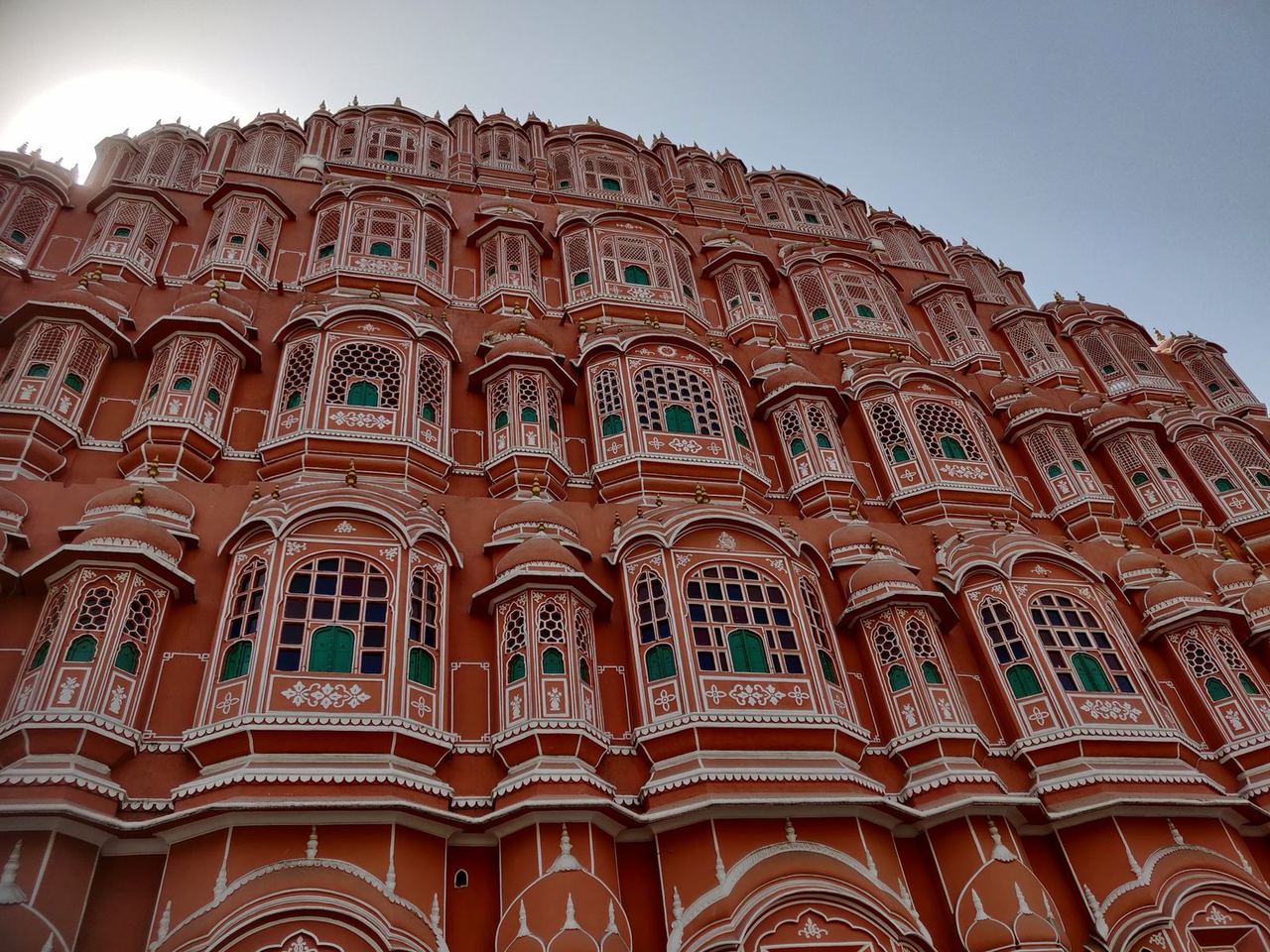
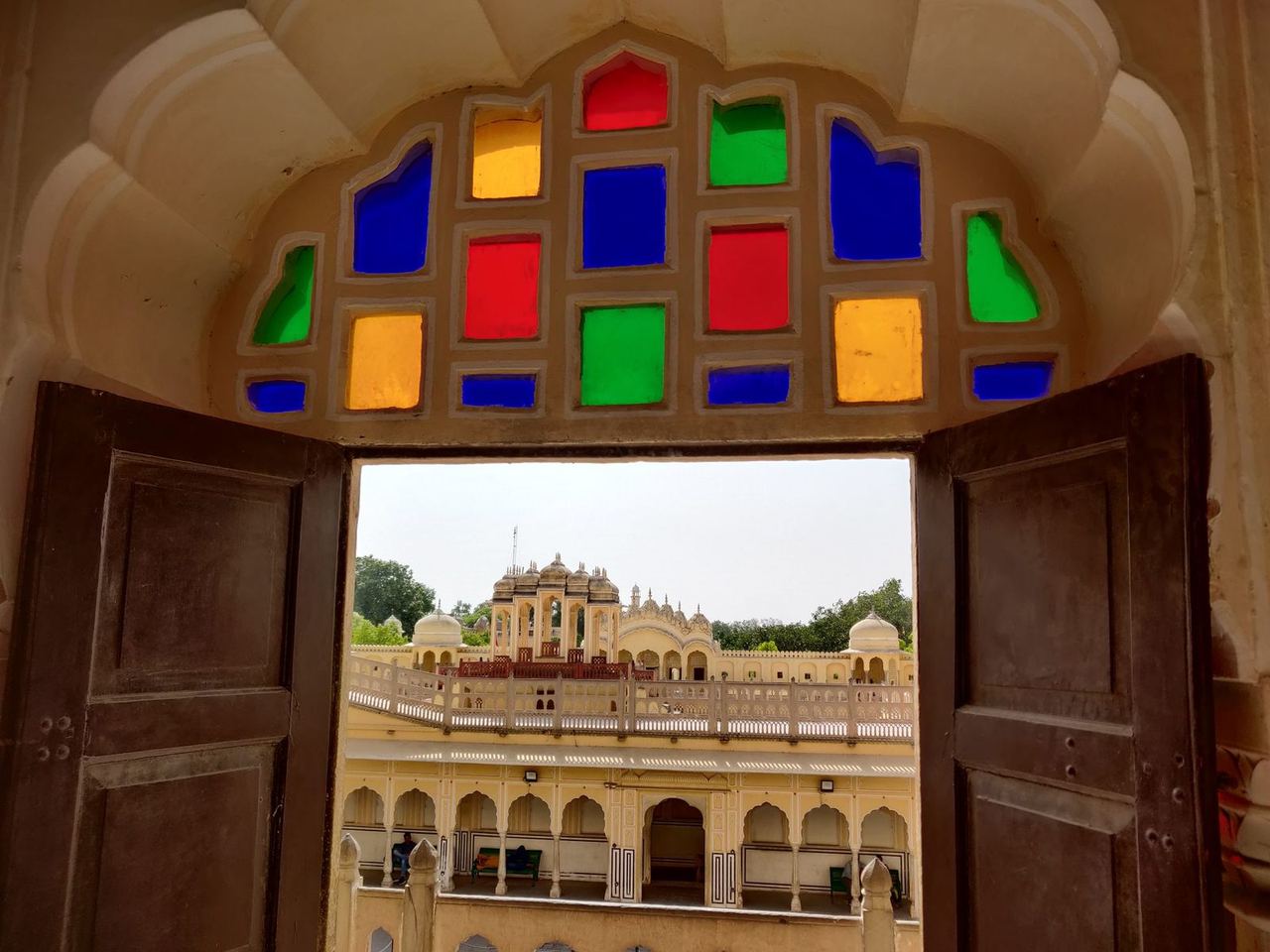
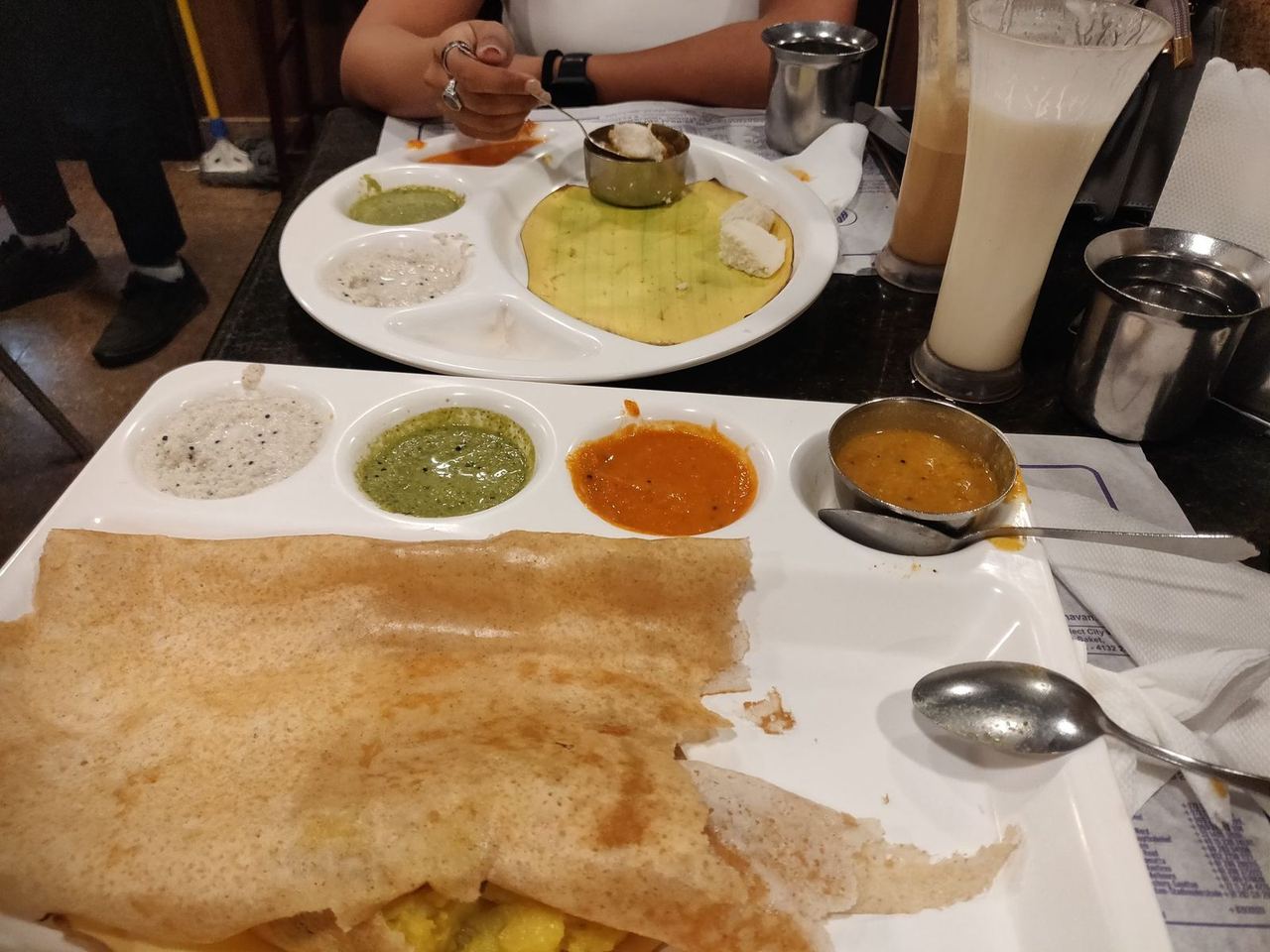
The next morning I travelled from Agra to Jaipur – also 44 °C. I booked all the trains on my trip in the cheapest air-conditioned class. The price was always around €10, which is very fair for six- to eight-hour journeys. In Jaipur, the capital of Rajasthan, I stayed two nights. I explored the city and accepted the offer of a guide who took me to several sights and explained everything in great detail. I spent four hours with the guide, who's from Jaipur and had just opened a hostel, which he showed me before inviting me for tea. Through Couchsurfing I met several Indians and spent the next day with them. It was nice to be out with people who speak Hindi, as it made me a less attractive target for sellers. The food there is similar to Nepali food: thali is like dal bhat – rice with lentil soup, vegetables and pickles.
As expected, India was cheaper than Nepal. A meal in a not-too-touristy restaurant costs about €2.30. Unfortunately, after only four days in India I got to know "Delhi belly", so I had stomach problems for practically the whole first week – even though I'd hardly eaten any street food and only drank water from bought, sealed bottles.
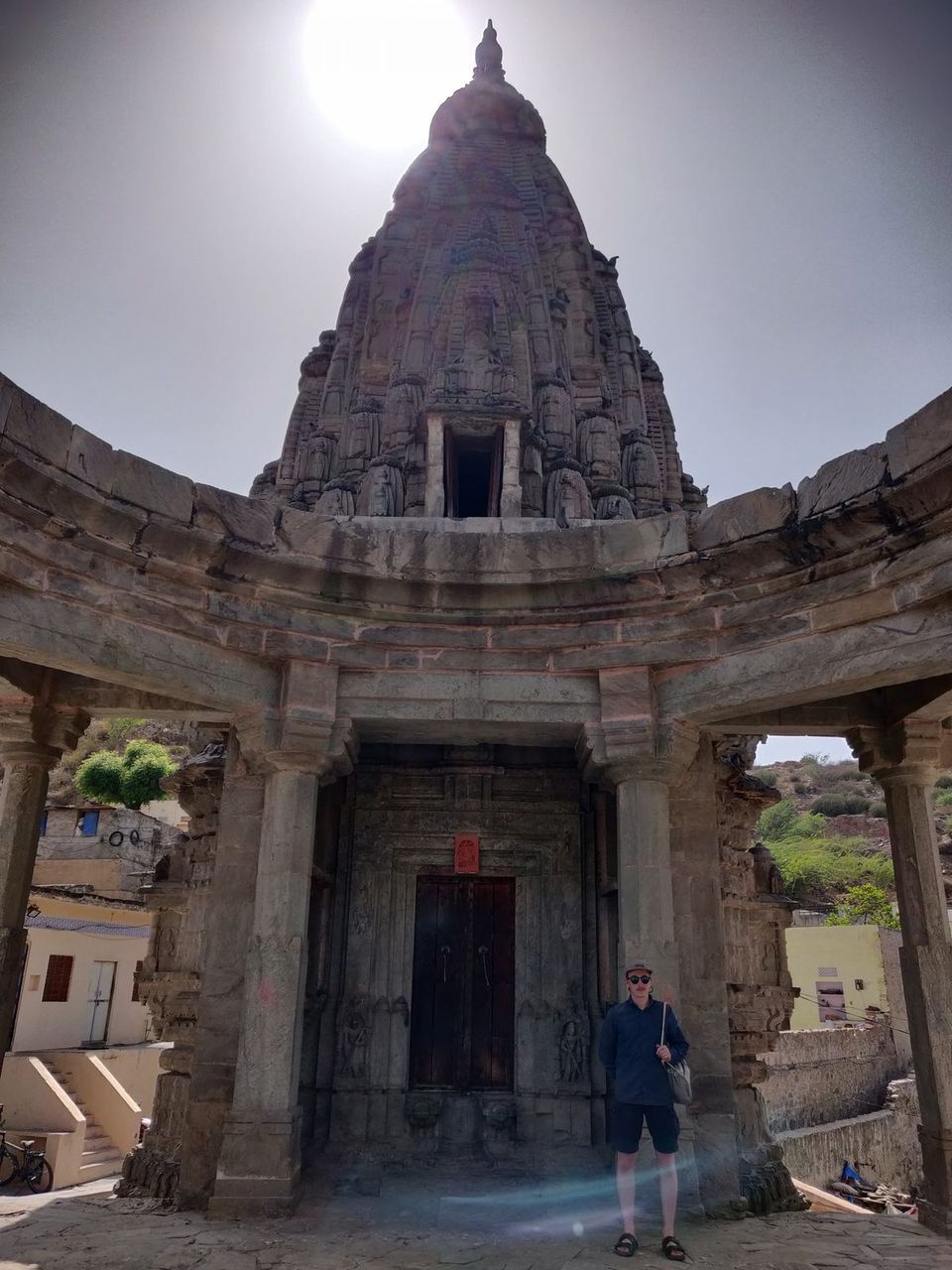
Ajmer – or rather Pushkar – was the next stop on my trip. Pushkar is very important in Hinduism. Many Hindus make pilgrimages there, as the Brahma Temple stands by Pushkar Lake, and there are other old temples in the small town too. I stayed one night in Pushkar and was the only guest at the hostel. The little town is beautiful, but here too lots of people try to get money out of your pockets with blessings or by having you take part in ceremonies.
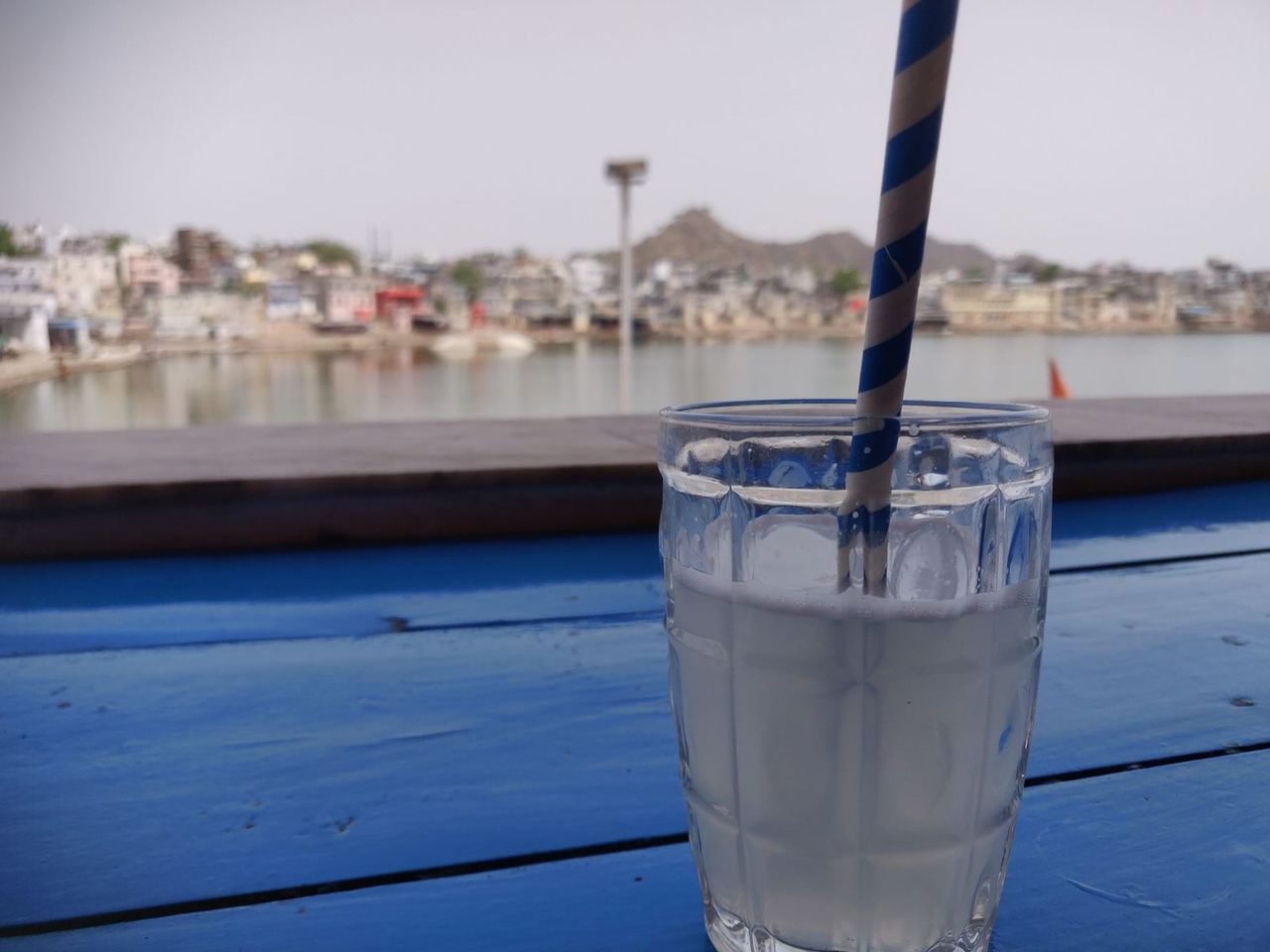
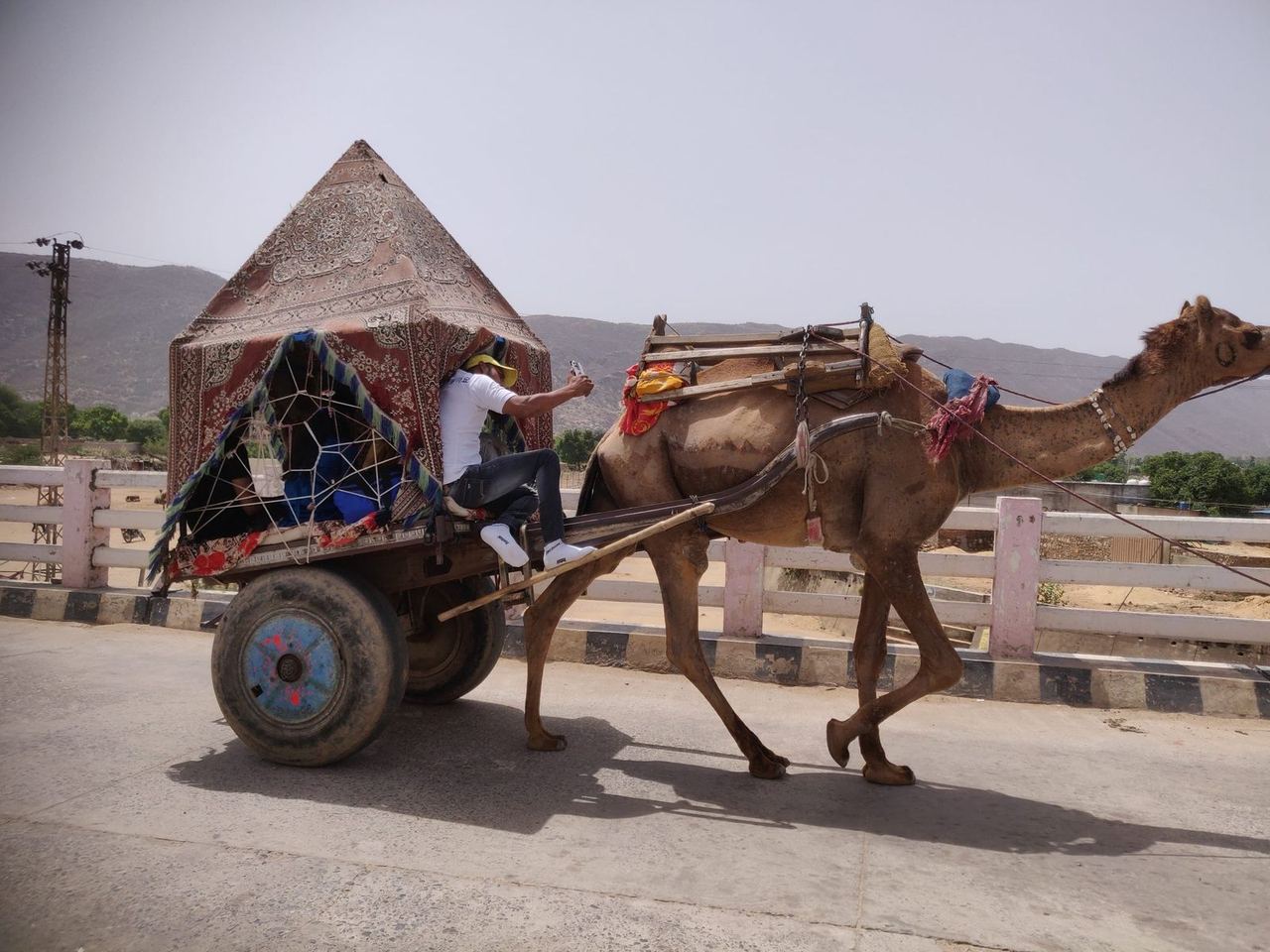
From Pushkar I went back to Ajmer, where the railway station is. The bus was cheap, and after my bus journeys in Nepal I was used to the chaotic system on buses and at bus stations.
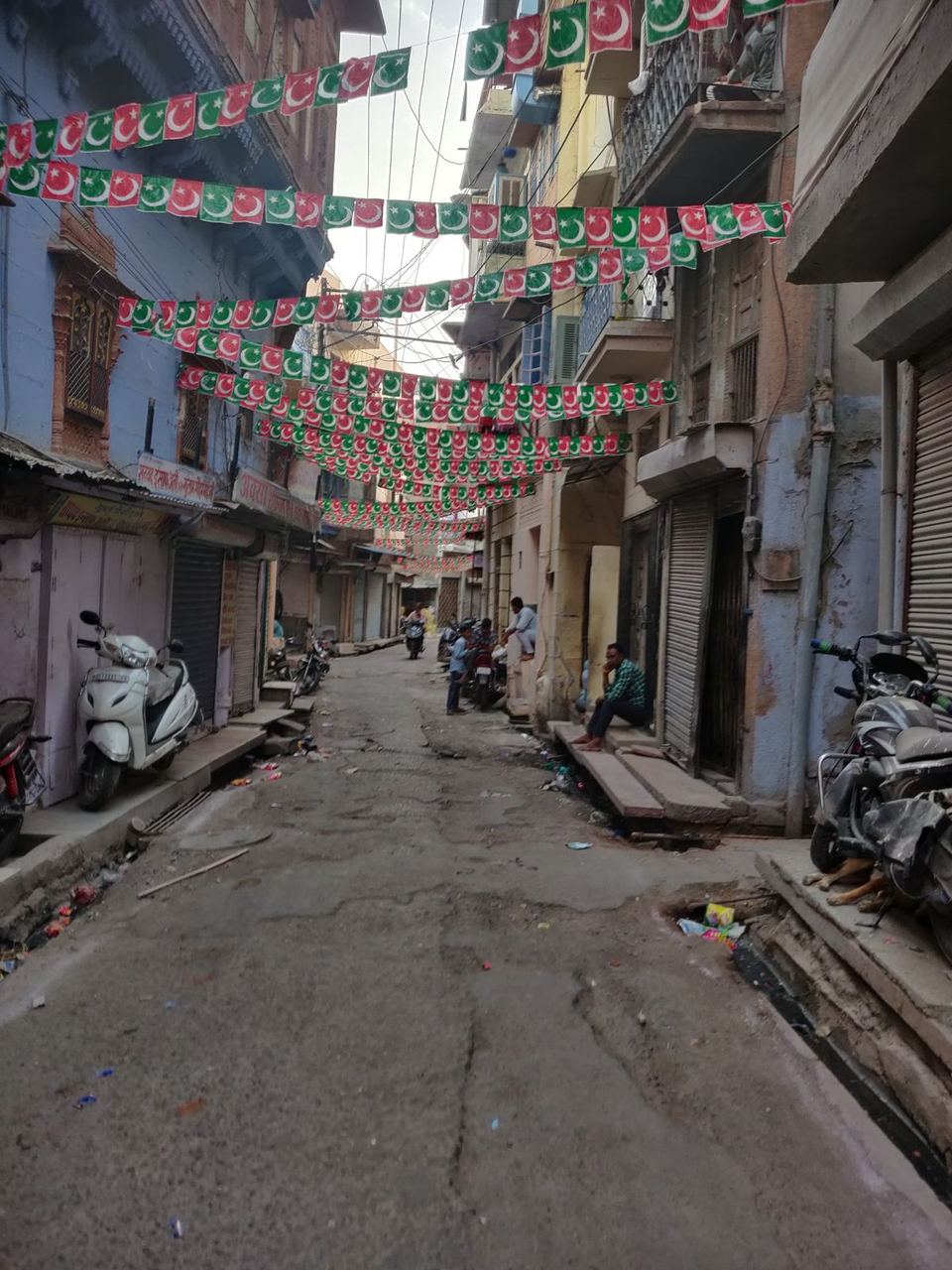
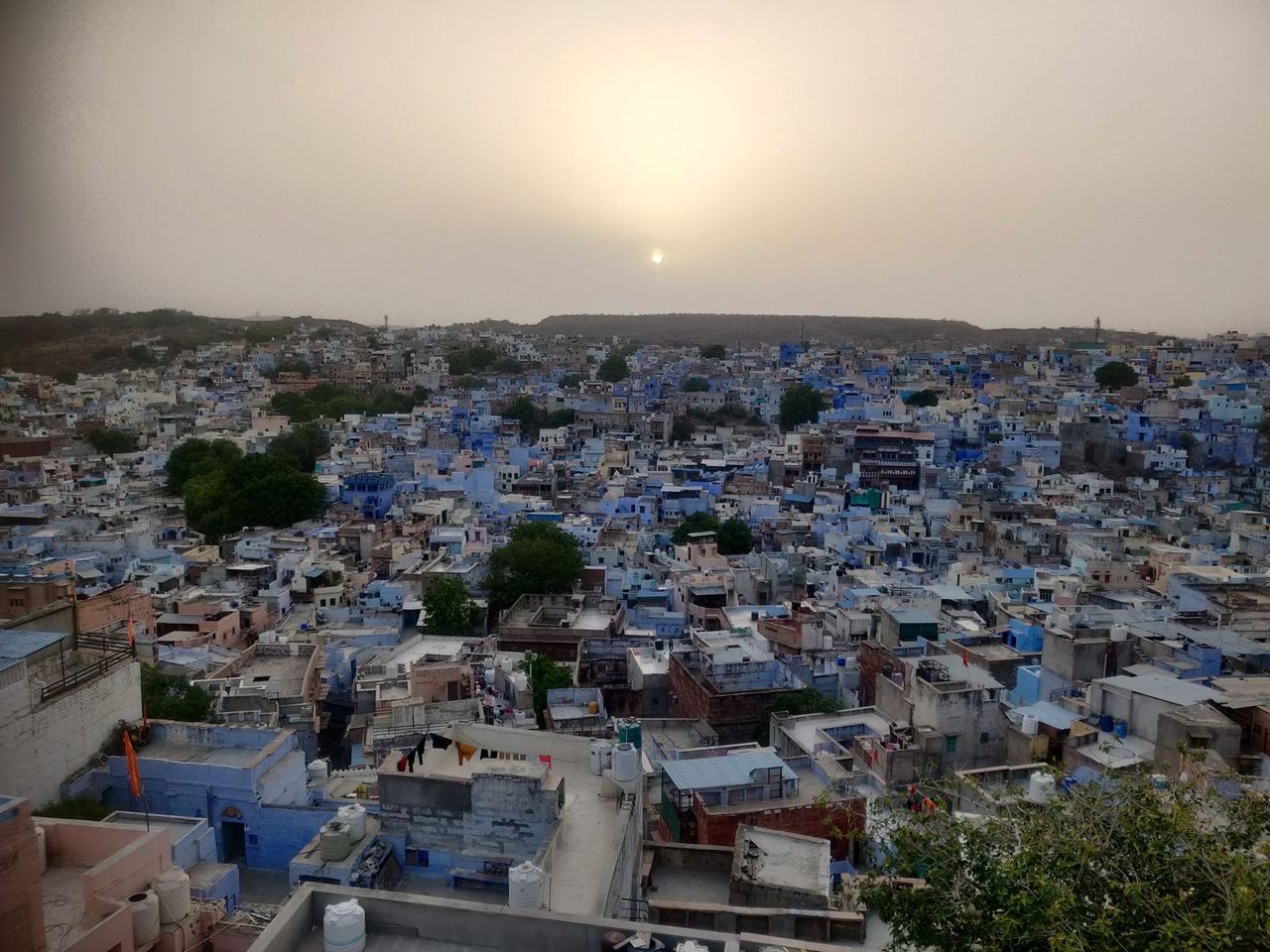
From Ajmer I went on to Jodhpur, arriving around 10 pm. I wanted to walk from the station to the hostel, as it was only 25 minutes. I was a bit surprised that all the shops were closed and there were unusually many police on the empty streets. I was one of four tourists at the hostel. There they explained that there was a curfew: there had been riots at the end of Ramadan, and the whole city was in lockdown for four days. So the next day there really was nothing going on. Everyone was at home and the streets were deserted apart from the many police. Since I only wanted to spend one day in Jodhpur, I used the time despite the curfew to buy my train ticket and see the sights that weren't closed. The other travellers and I spent the rest of the day at the hostel, as there was nothing else to do, it was very hot again and many streets were closed.
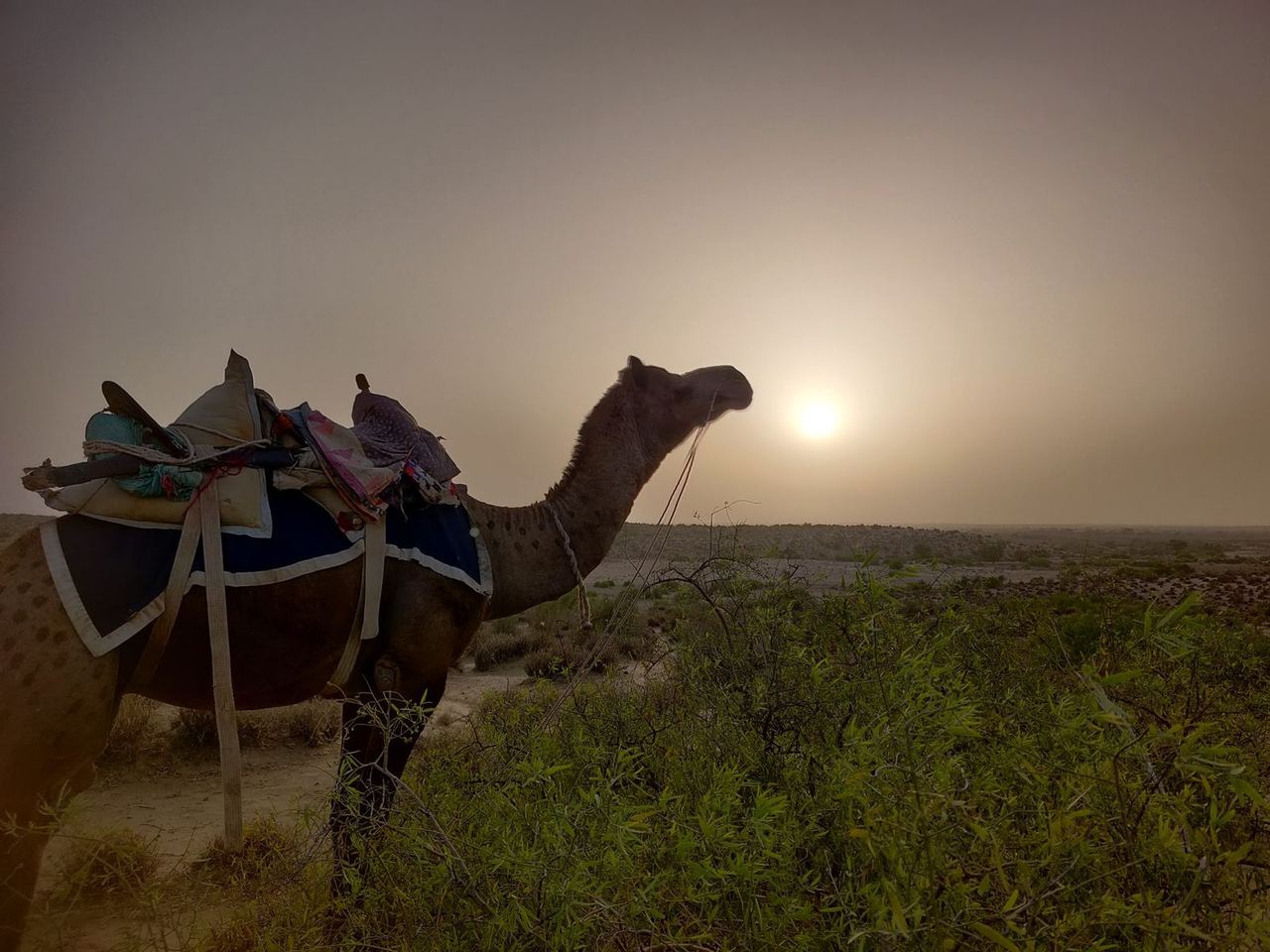
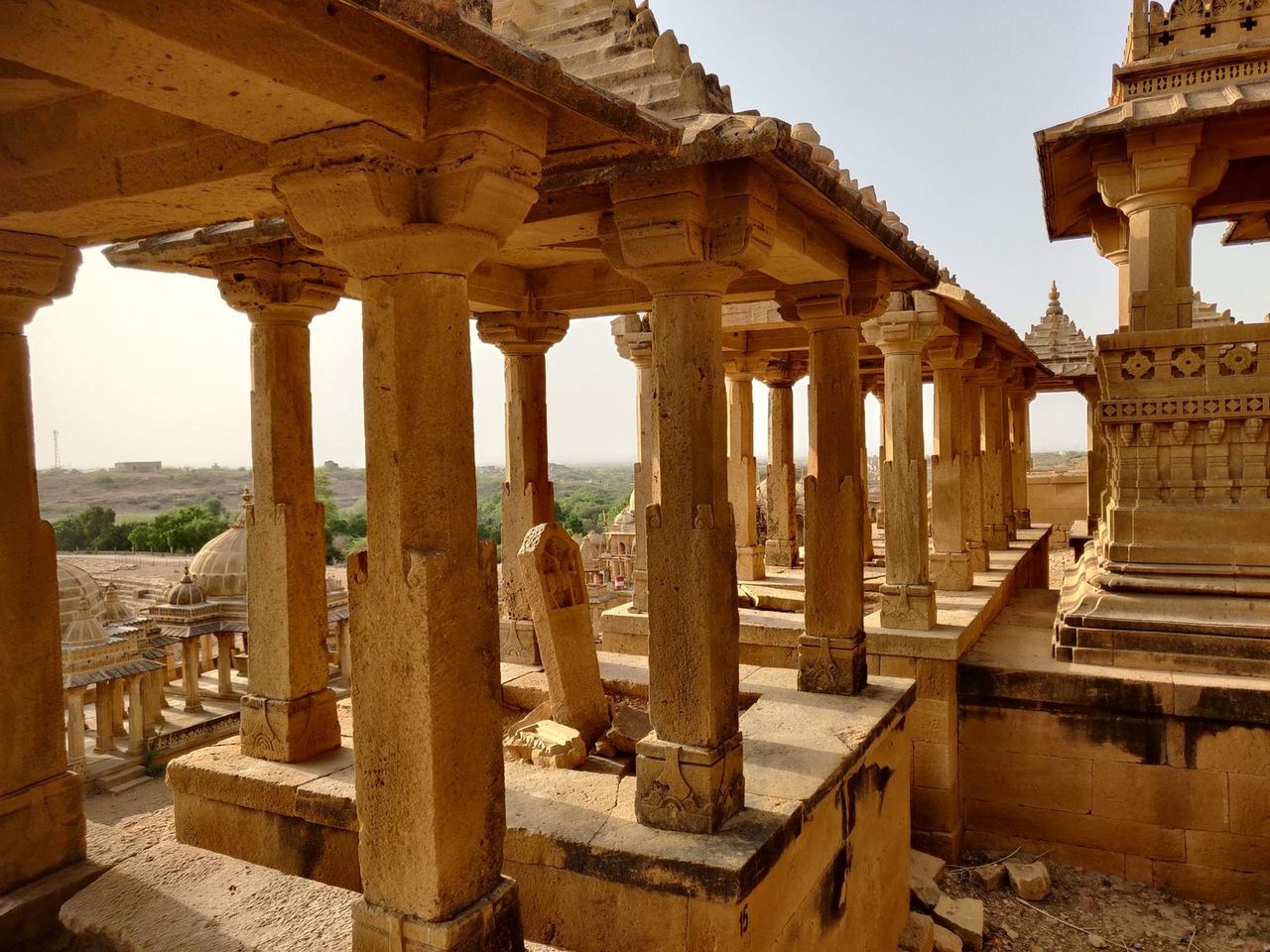
I spent two days in Jaisalmer, the westernmost larger city in India. Thanks to my Couchsurfing host I had the chance to sleep in the Thar Desert and see his village. Conditions there were very poor. The mostly Muslim population lives from farming and tourism. In the desert we could sleep under the open sky, which was very bearable thanks to a light breeze. During the day the temperature rose to 45 °C again. As my host also owns two camels, I was able to ride them for a little money. In the city I met an Indian who spoke pretty good English and showed me around a bit. We spent a day together; he took me on his motorbike to a cultural site in the desert and showed me the daily light show at Jaisalmer Lake. It was an interesting encounter, as he couldn't read or write and yet seemed to have his life well under control.
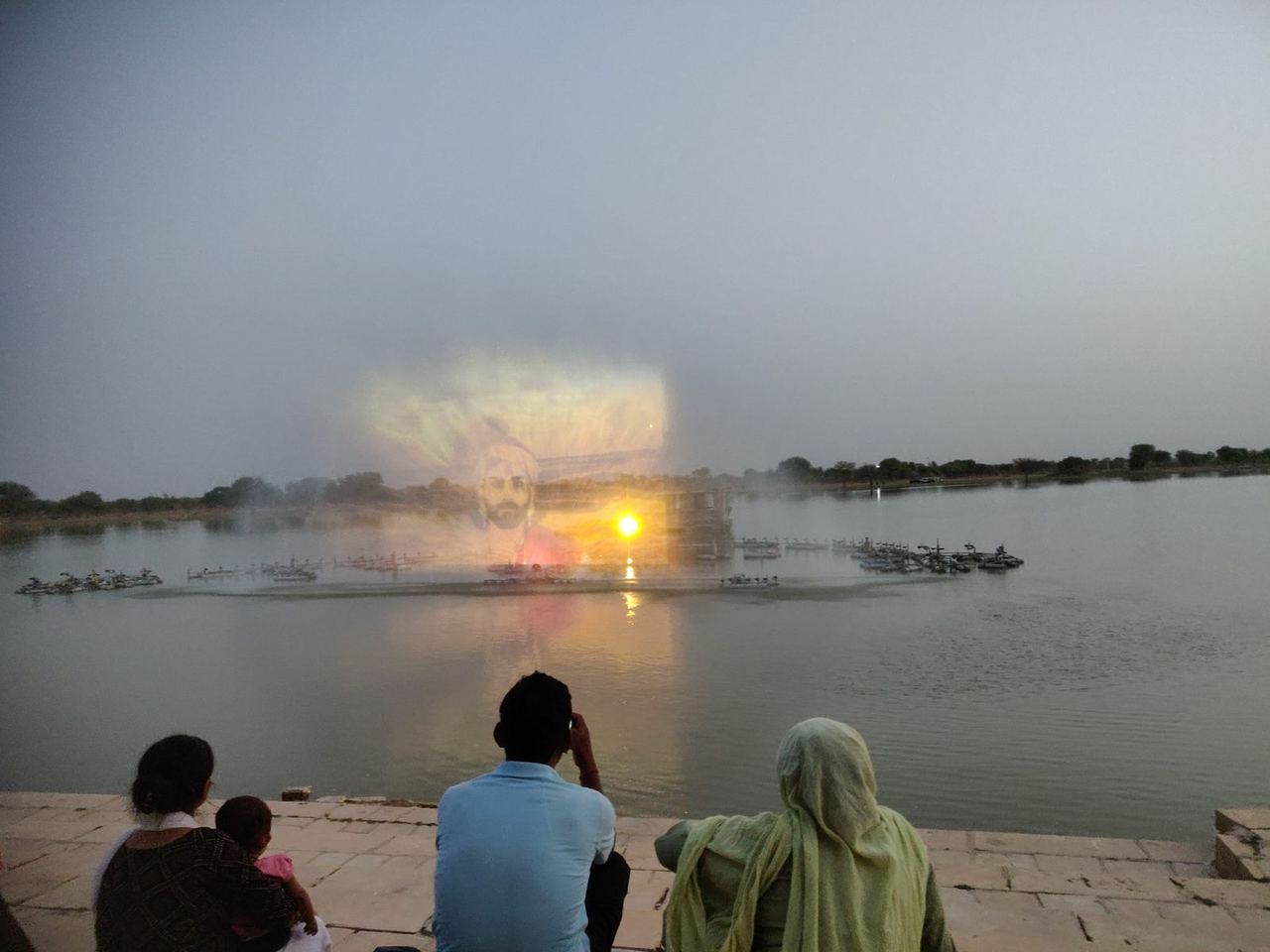
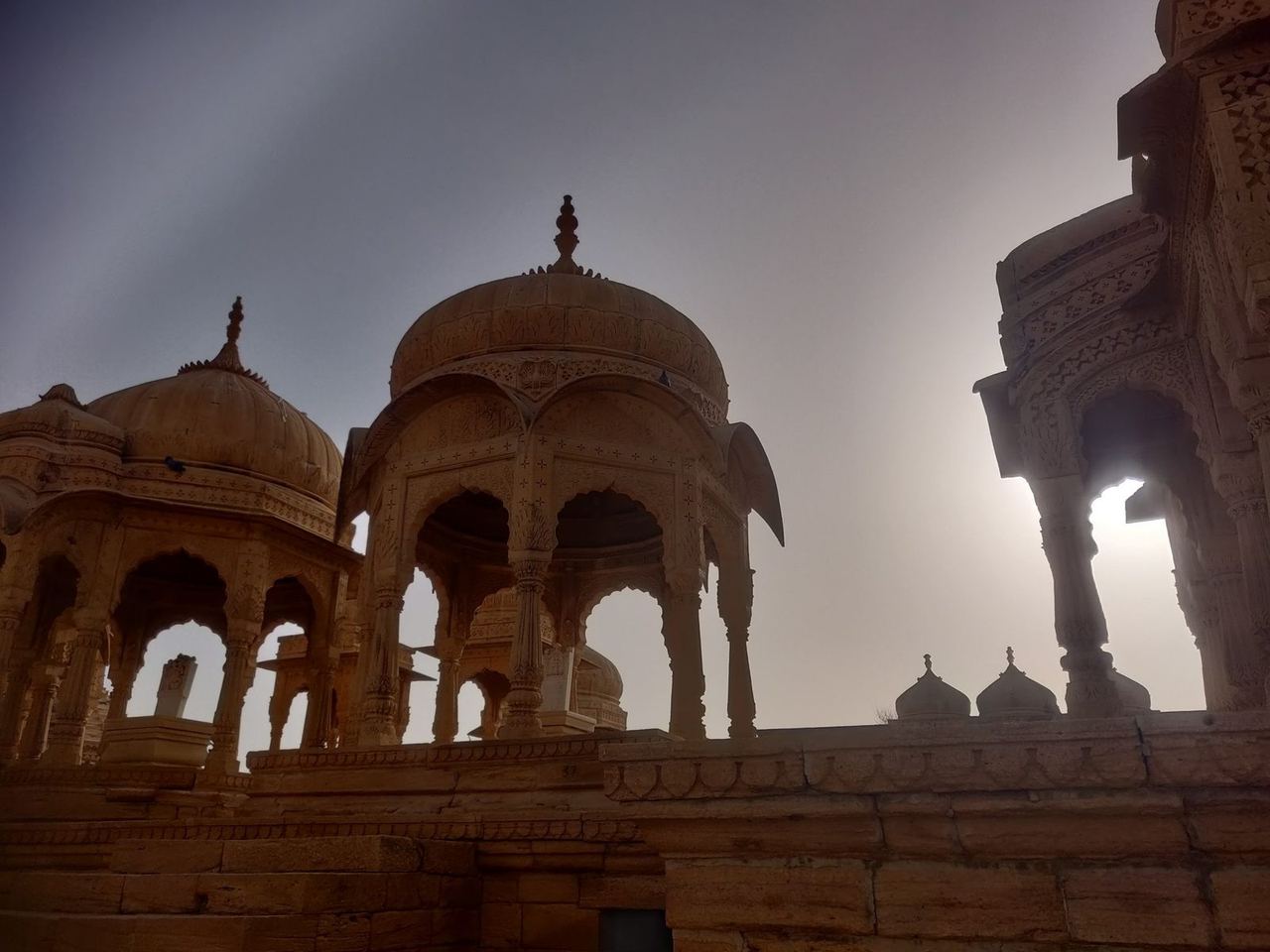
After Jaisalmer I took an overnight sleeper bus to Udaipur.
The bus ride was different from what I'd expected. Each passenger has a cabin of about 2 × 0.7 × 0.7 m, so you travel lying down. Contrary to my expectations, the air-conditioned compartment was very comfortable, so despite the breakneck driving I got some sleep. On the bus I met an Italian, and at 4 am we walked together from the station to the hostel in Udaipur. Later we met up to explore the city.
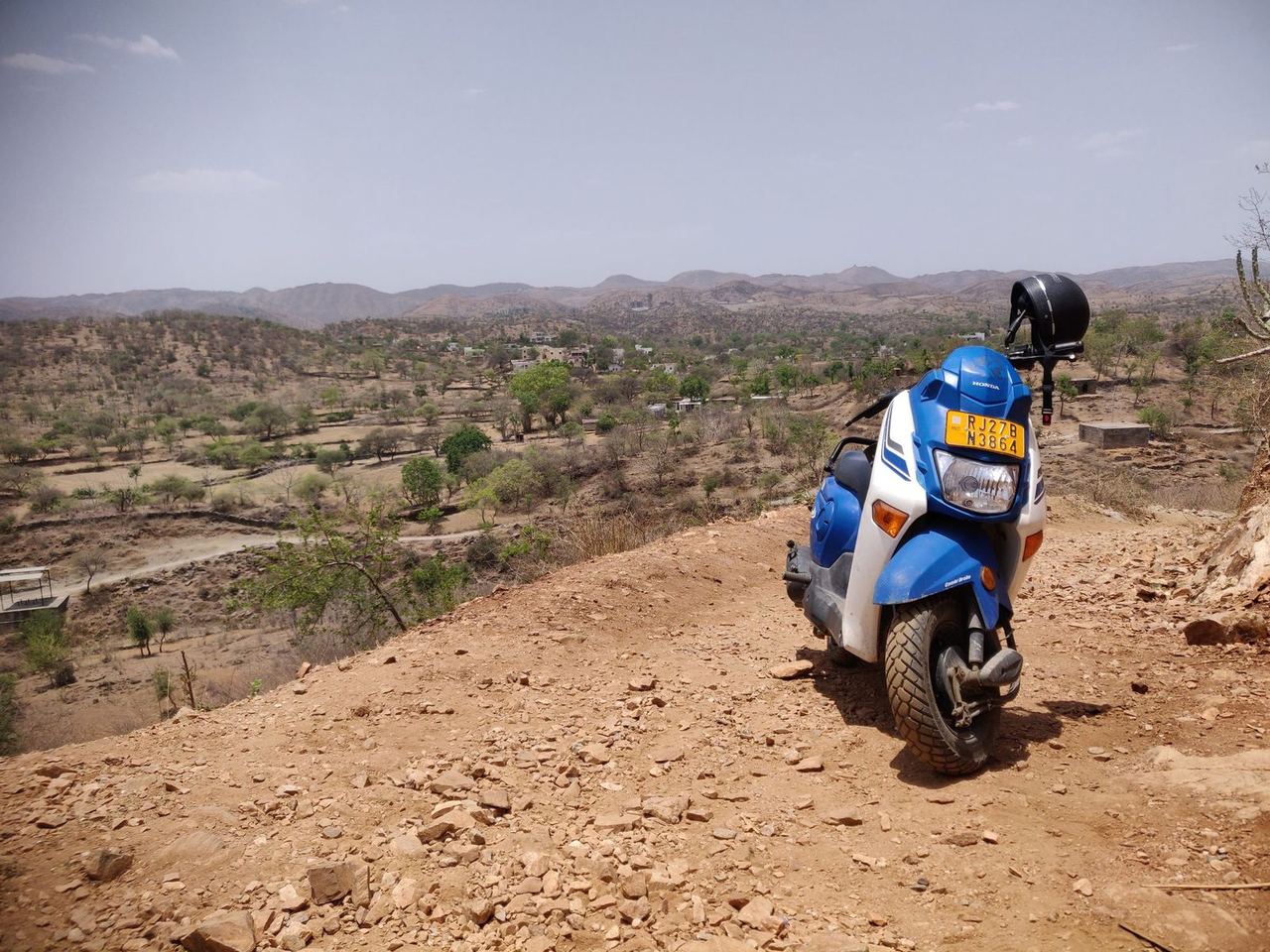
There I hired a scooter and we rode through the now slightly less barren countryside of Rajasthan. The two days in Udaipur were very bearable despite the high temperatures, as I got on really well with the Italian and it was nice to talk to someone from a Western cultural background. I'm still in touch with him. Later he followed my recommendation to come to the Caucasus, where we met again.
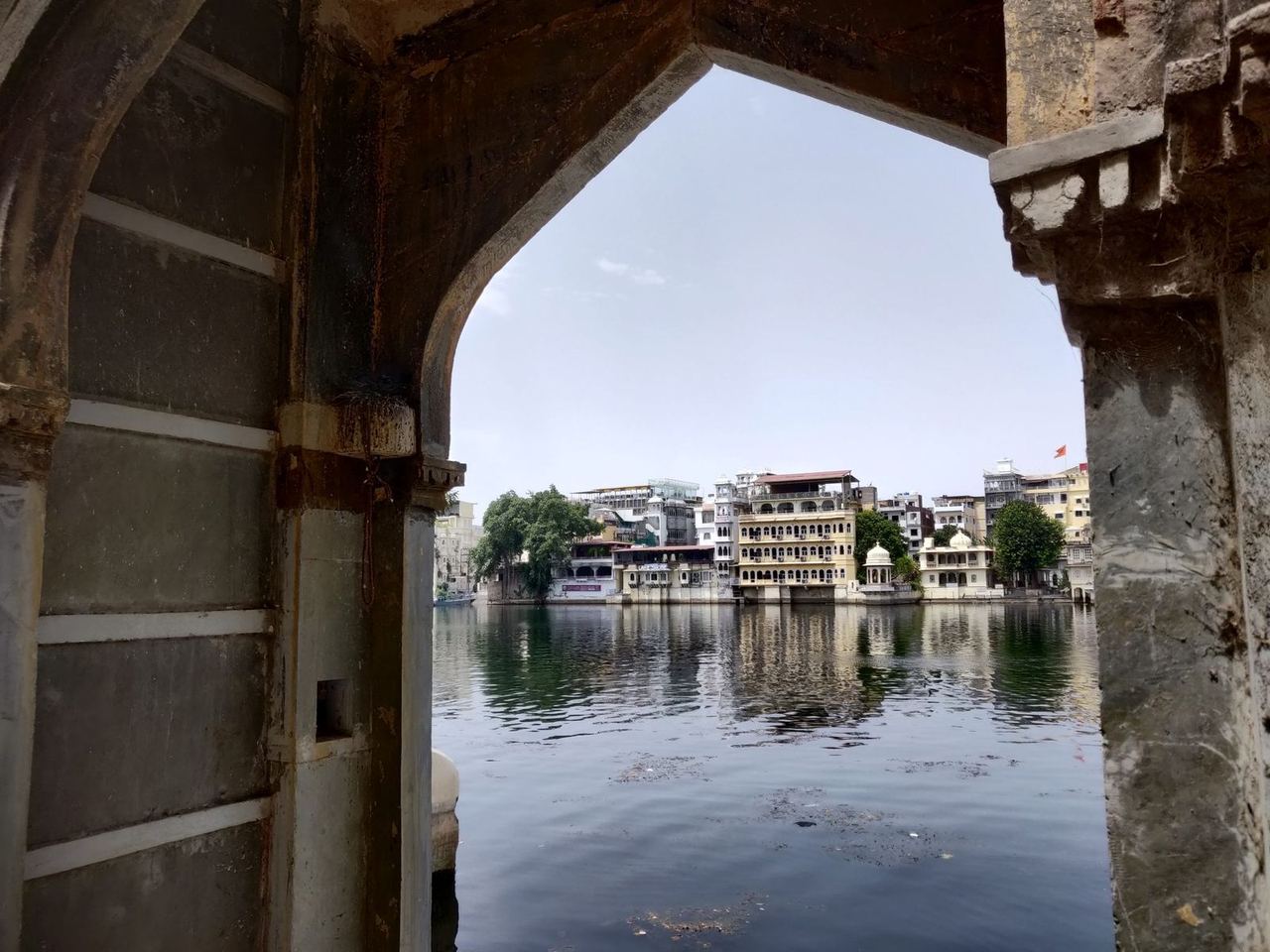
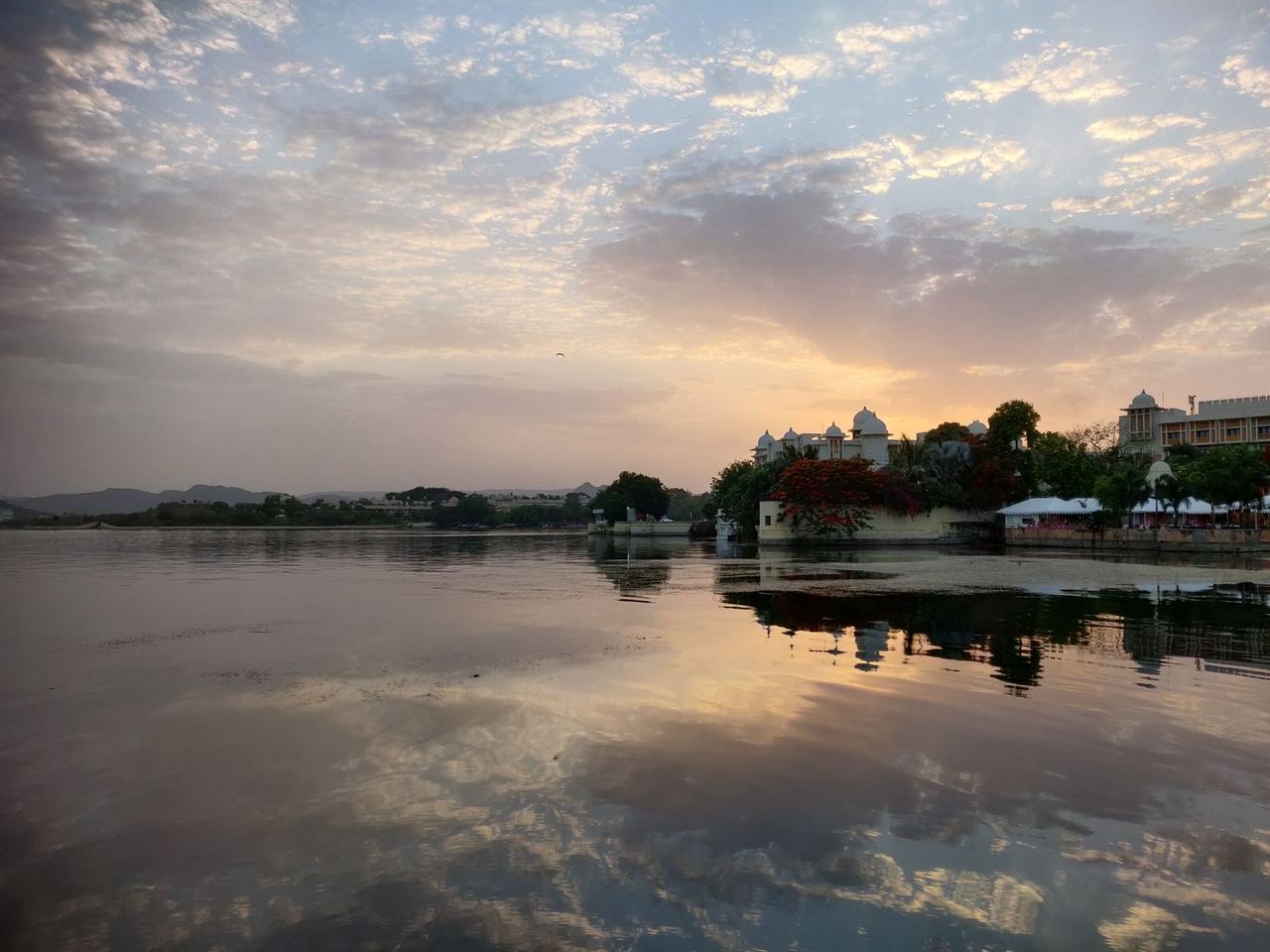
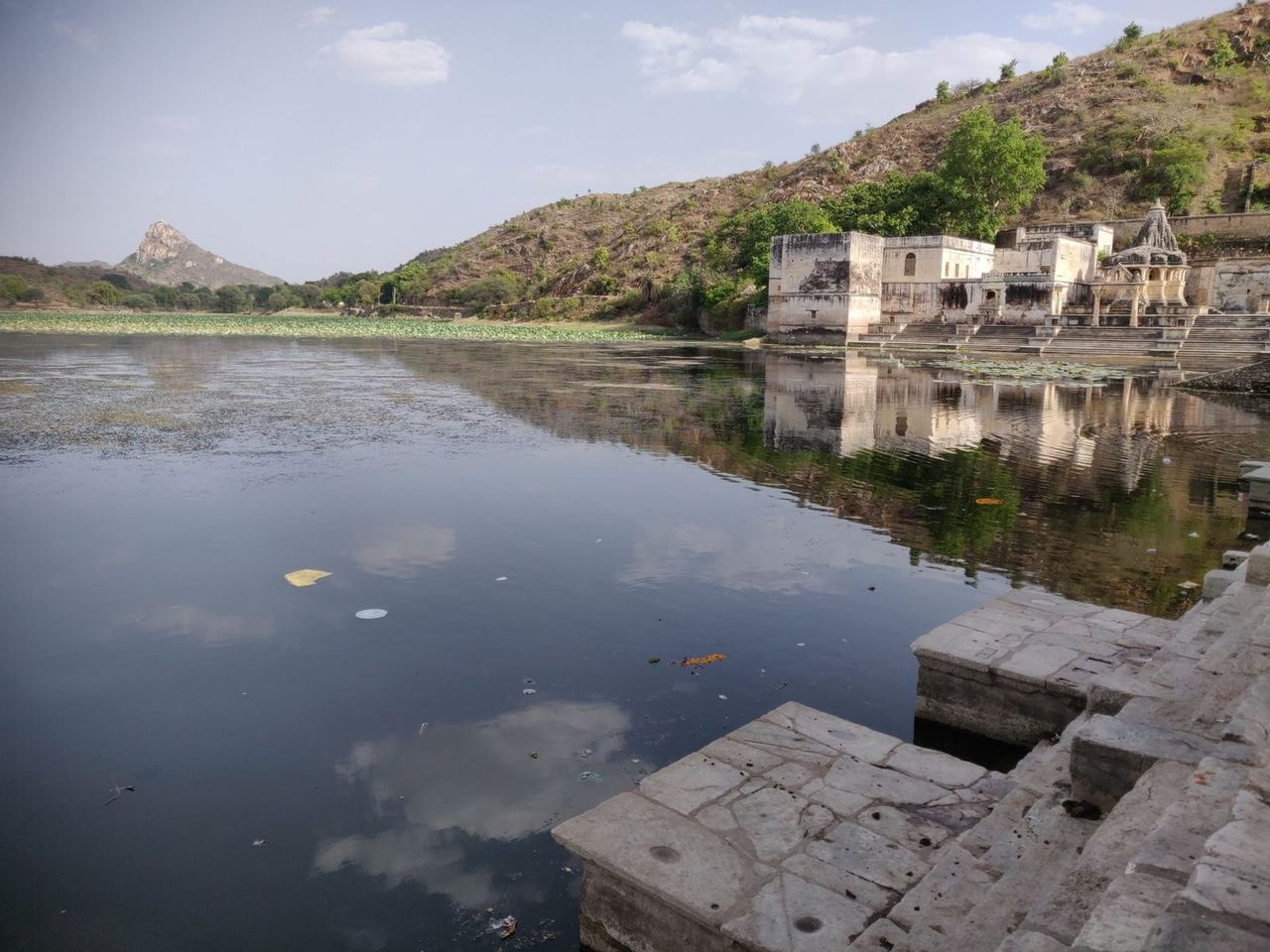
From Udaipur I took the train to the big trading city of Mumbai, where I stayed via Couchsurfing again. The two days there were varied – I was back in a big city, which, unlike Delhi, seemed tidier and less pushy. Because of the humid climate, though, it was just as sweaty as the north-west of the country. In Mumbai I got around on my own and stood out here too; passers-by often spoke to me and asked for photos. In Mumbai I bought my last train ticket, to Goa.
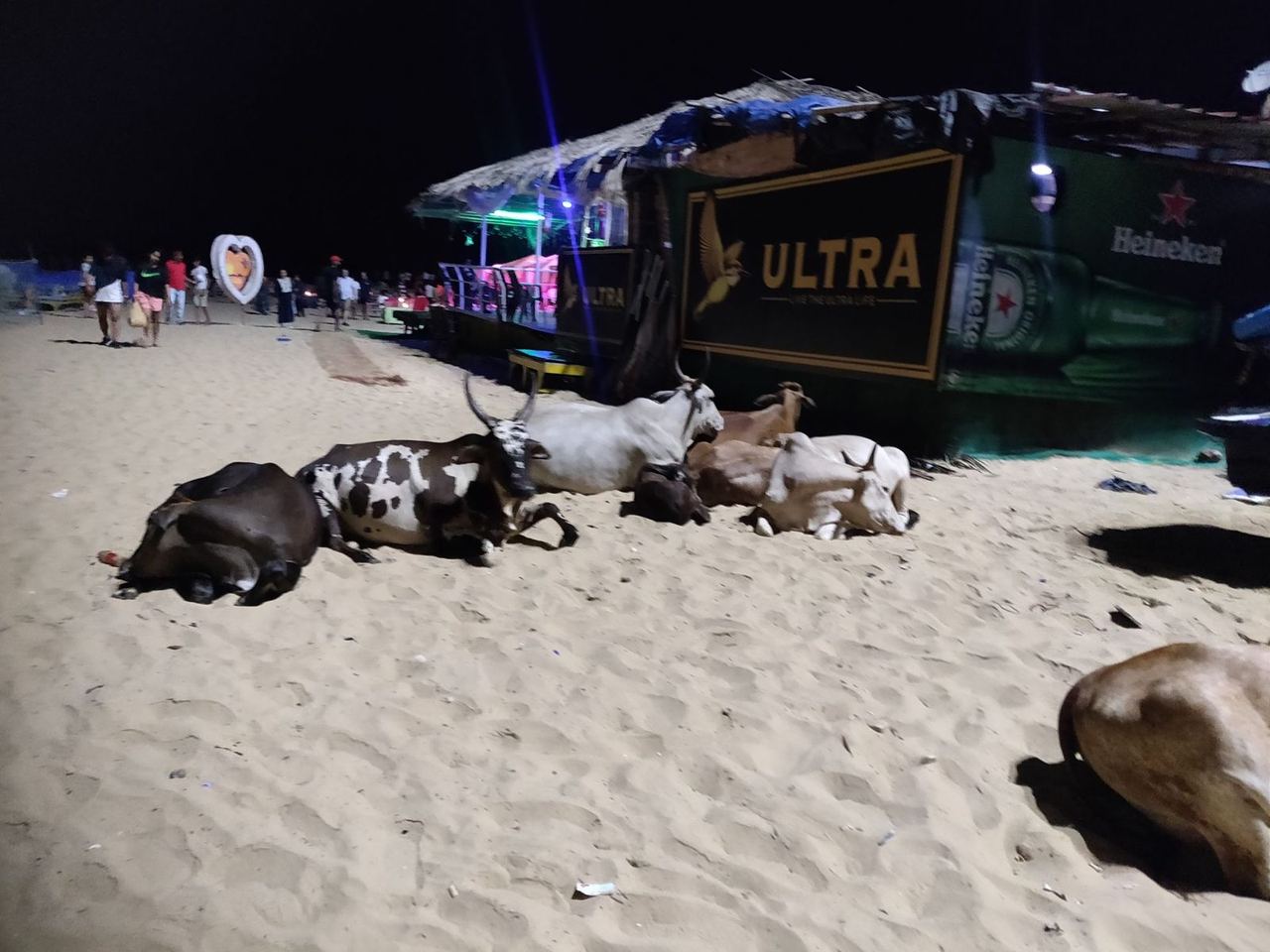
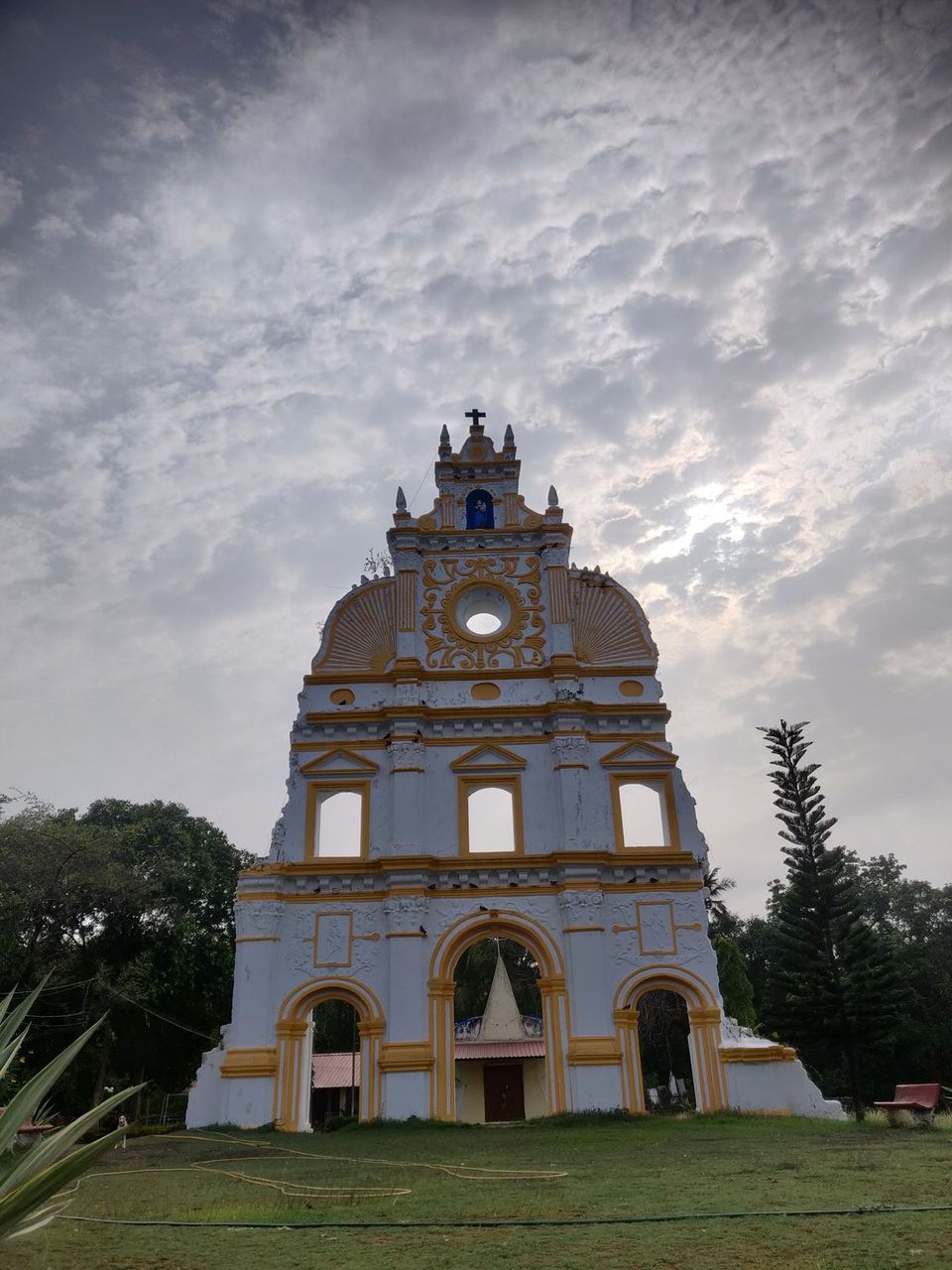
I spent four days in Goa. The country's smallest state was under Portuguese control for a long time and is shaped by that colonial past. Many inhabitants are Catholic, and there are churches all over the state. Goa is also known for the hippie movement, as many Hippie Trail travellers arrived on its beaches from the 1960s onwards – and for Goa trance, the electronic music style that emerged there in the 90s.
I spent my time in the north of the state near Anjuna. As everywhere, the hostel there had few guests and hardly any Western travellers. Goa has changed somewhat because of Covid: in the past it was a typical party destination for both Indians and Western tourists. With travel options restricted over the last two years, it has become all the more attractive to India's middle class. Accordingly, there were lots of families with children there during my stay.
On the train to Goa I met a Tunisian, and we arranged to meet up later. He was staying in Vasco da Gama, though, about 50 km from me. We wanted to meet halfway, each riding a scooter. But the Tunisian had no experience riding a scooter. So it happened that he had an accident on his test ride, damaging another vehicle and the scooter. The rental company's insurance only covers personal injury, so he paid for the damage to the owner of the other scooter and to the rental company. He then went to hospital to have his hip X-rayed. I picked him up there, as by then I'd arrived in Vasco. We rode my scooter to the beach to talk it over with a cold drink. He wasn't hurt, and he wasn't traumatised either. Sadly, the fun cost him about €300. We used the rest of the day to explore the area and ride the scooter through the tropical landscape.
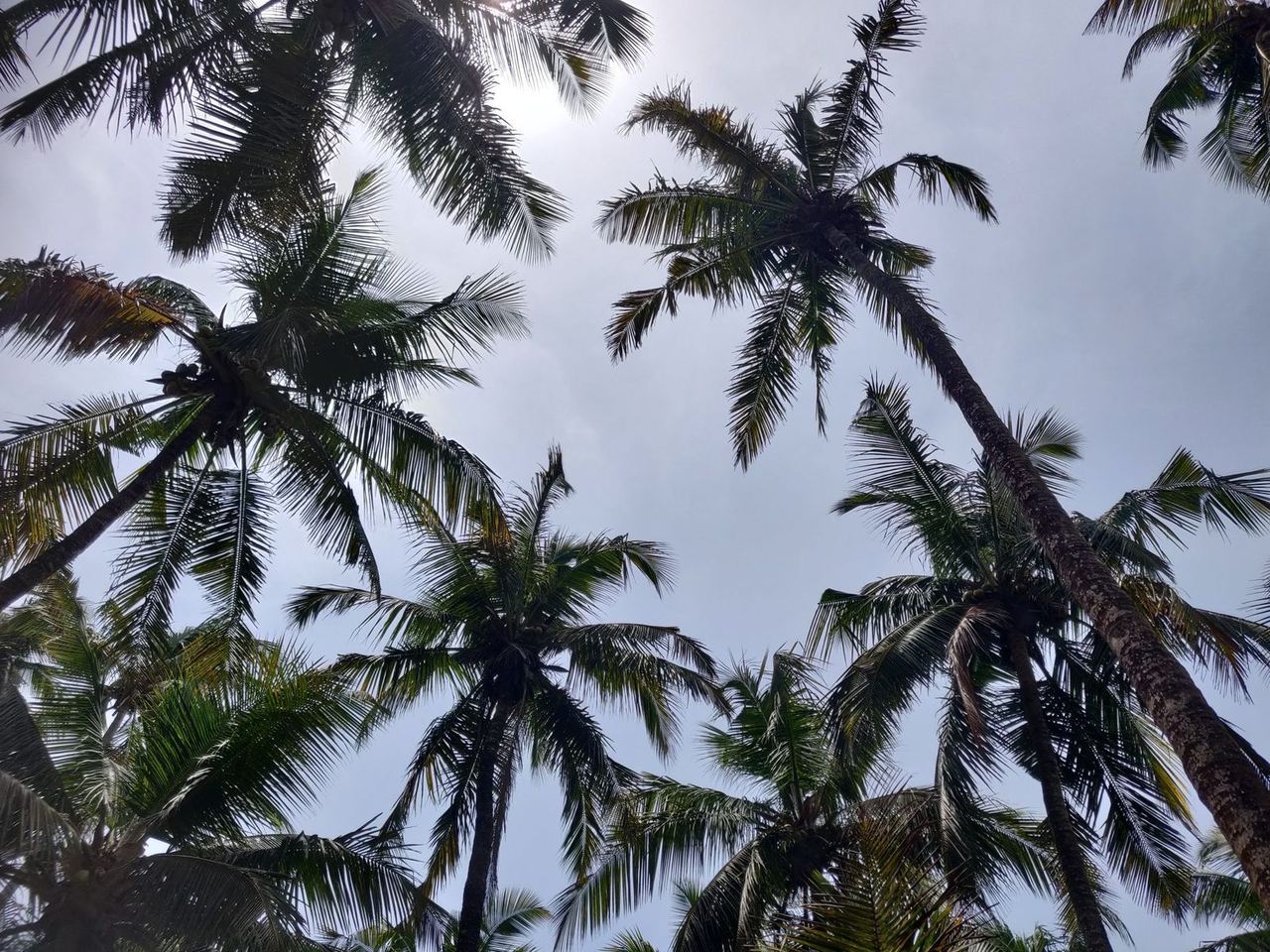
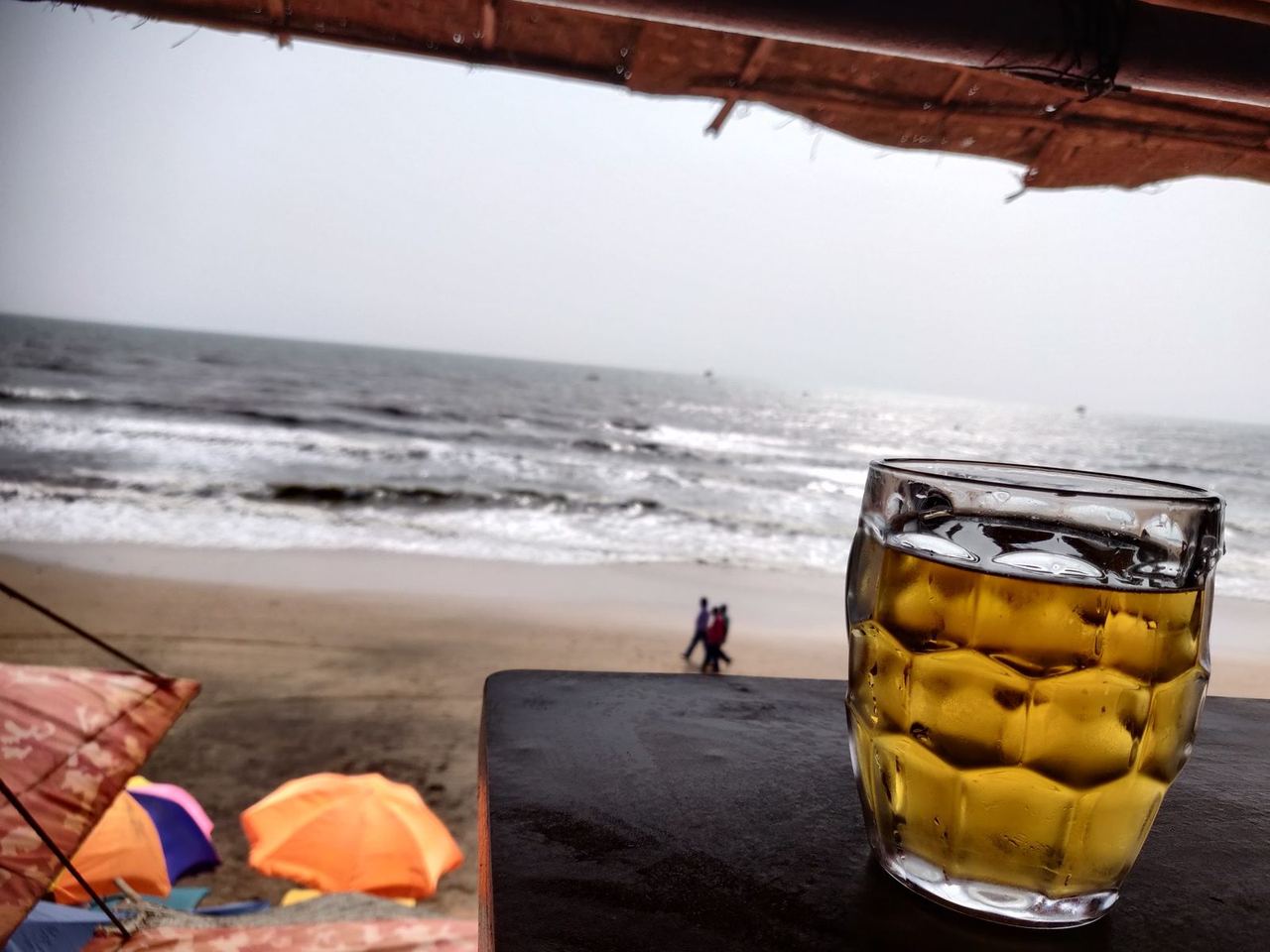
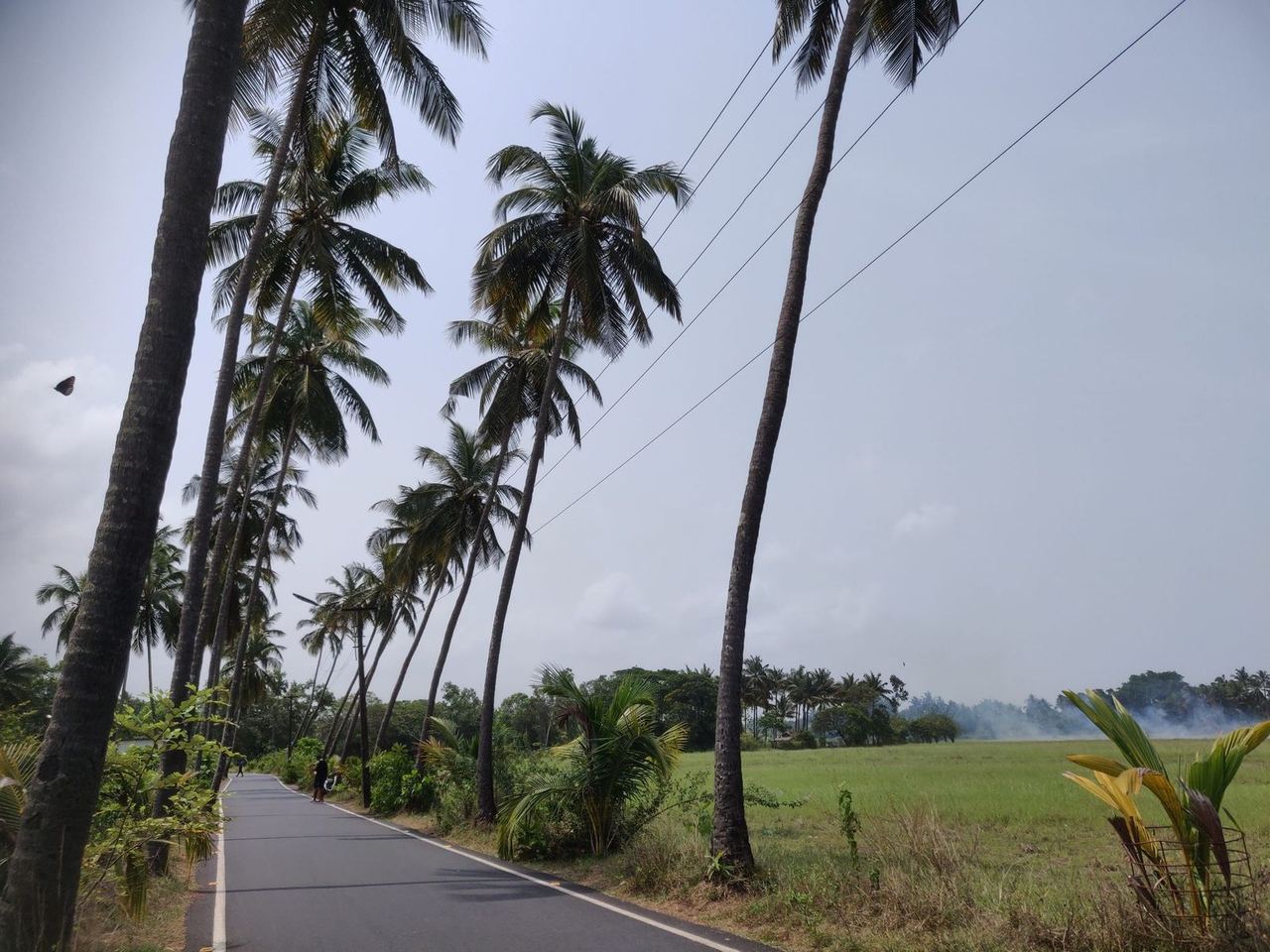
Unfortunately my time in India ended with me seeing the inside of a police station. Because of a mistake by the airline, I had to carry my checked baggage as hand luggage. On the flight from Goa to Mumbai, my pocket knife was taken off me, as expected. In Mumbai, at check-in for Dubai, the scissors were removed from my first-aid kit – and, unfortunately, an empty cartridge case was found that I'd picked up in the Himalayas at 4,000 m. After a lot of back and forth and a ridiculous amount of bureaucracy, I was taken from the airport to a local police station, where I spent two hours until 2 am and had to justify myself several times for carrying a piece of metal. If it hadn't been in my hand luggage, as planned, none of this would have happened. The problem was that the empty cartridge case came from the Indian army. What it was doing on a trekking trail in the middle of Nepal is a mystery to me. Of course I missed my connecting flights to Armenia. Under time pressure – family members were coming to visit me in Armenia the next day – at 3 am I managed to rebook all my flights so that within 24 hours I flew to Yerevan, got to the VW bus, started it after four months, moved into a flat and then picked up those family members from the airport at 3 am.
All's well that ends well.
Travelling alone through India shaped me, and I really enjoyed it. Once again it confirmed that there are lots of good, open people who are ready to help.
But this travel experience doesn't come close to Nepal.
A shot of the Indian Ocean.
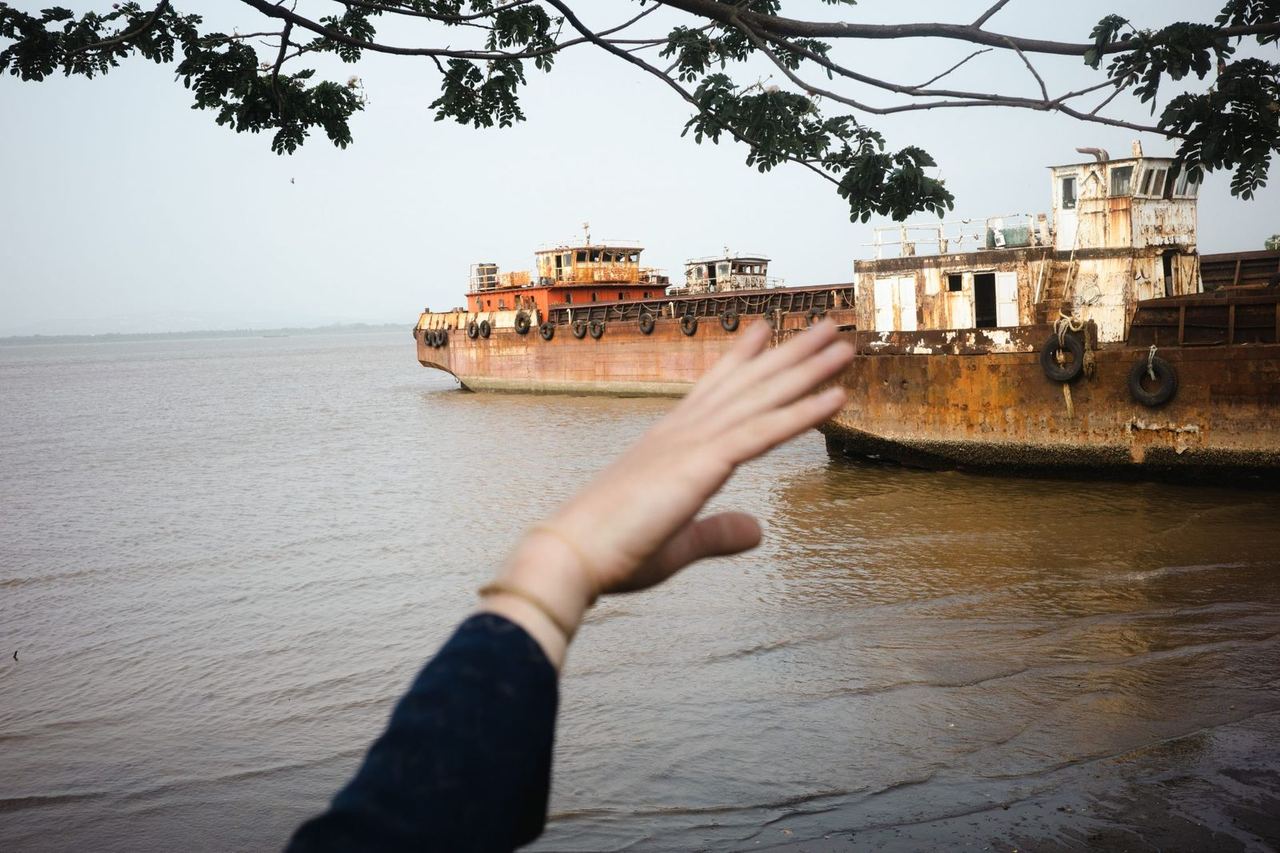
Title: Timeline of life: growing up, living, dying
The hand looks like a hand in the wind on a drive. It stands for freedom and life, as does the seagull. The sea shows possibilities and openness. The shipwreck stands for death – which, however, lies at the edge of the sea and ends there. And it's all framed by nature, which sets the limits of everything. The journey, the hand, is uncertain, as it's out of focus. The only certain thing is death.
Video for this post: