Week 12 – Namaskar Nepal
Armenia – Nepal (Kathmandu, Sauraha)
I left Armenia with good memories. The flight to Kathmandu wasn't until 3 am, so I didn't want to look for accommodation for half a night. The owner of the holiday flat I'd been staying in kindly let me stay until 11 pm, so I didn't have to wait around in cafés in Yerevan until I could go to the airport.
With a stopover in Doha, the flight to Kathmandu took six hours in total, and with a time difference of 1 h 45 min there was no jet lag. In Kathmandu I got my visa on arrival, a SIM card and cash.
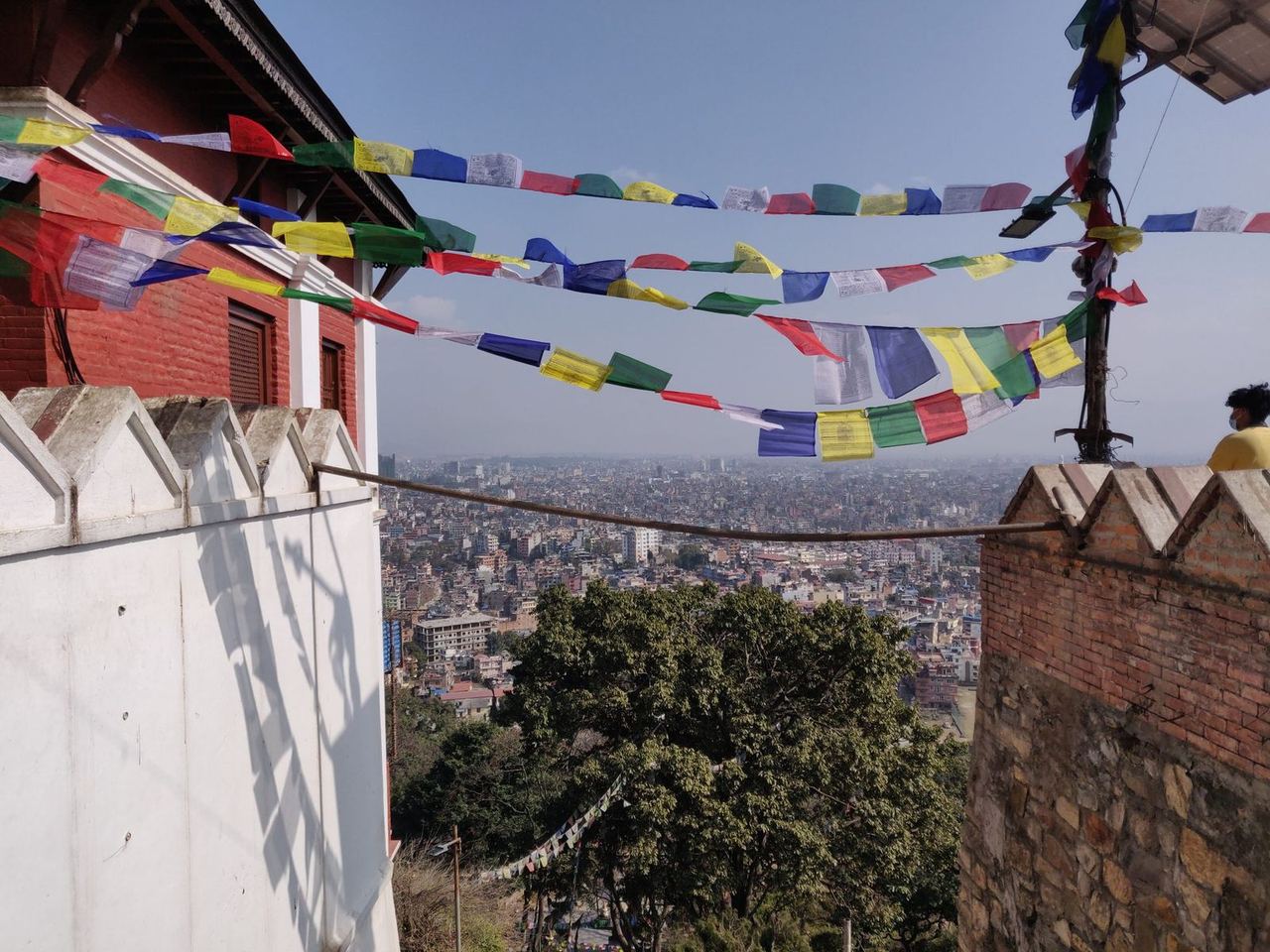
At first I was surprised by the pleasantly warm climate and the tropical vegetation. On the way to the hostel I realised how big this city of 1.5 million is. It's just as I'd imagined: crowded, loud, dusty and chaotic. Still, on the day I arrived I had several good experiences with different people, and their hospitality and friendliness surprised me.
I stayed in the central district of Thamel, which is mostly full of tourists. I was probably met with so much friendliness because it isn't the usual travel season and, because of Covid, there are few tourists about. During my four-day stay I saw very few white tourists, and I felt that I stood out even in this big city.
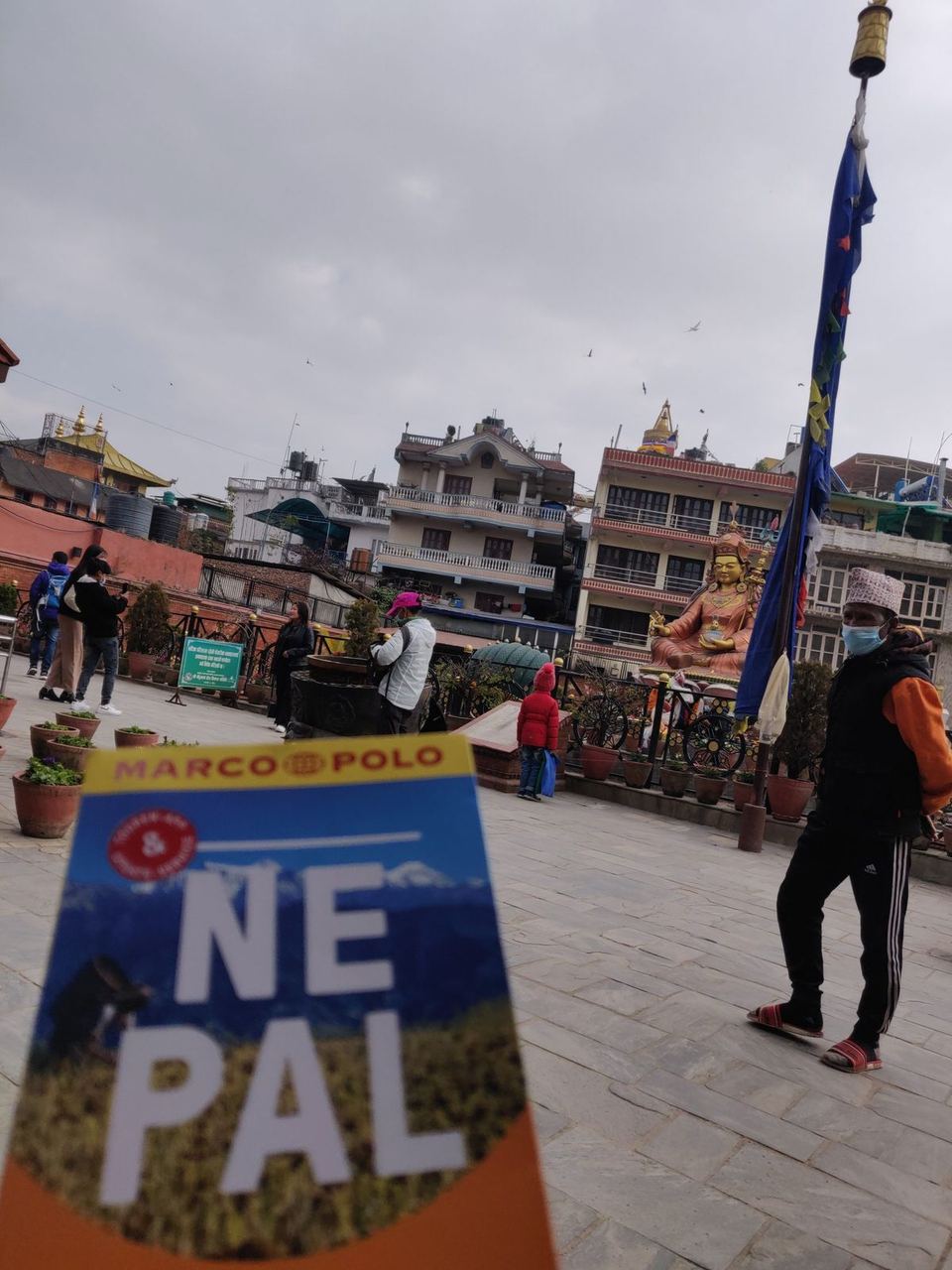
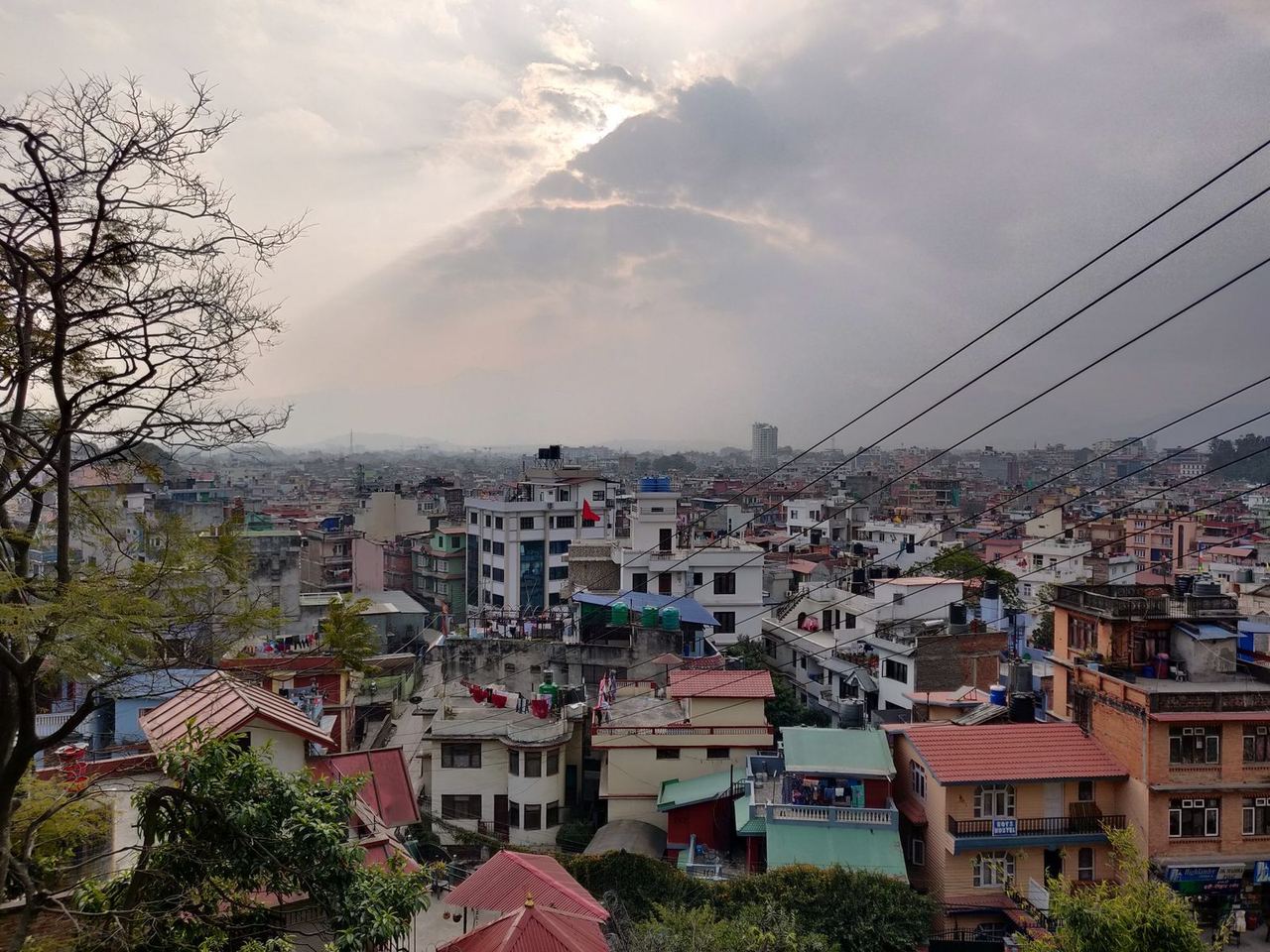
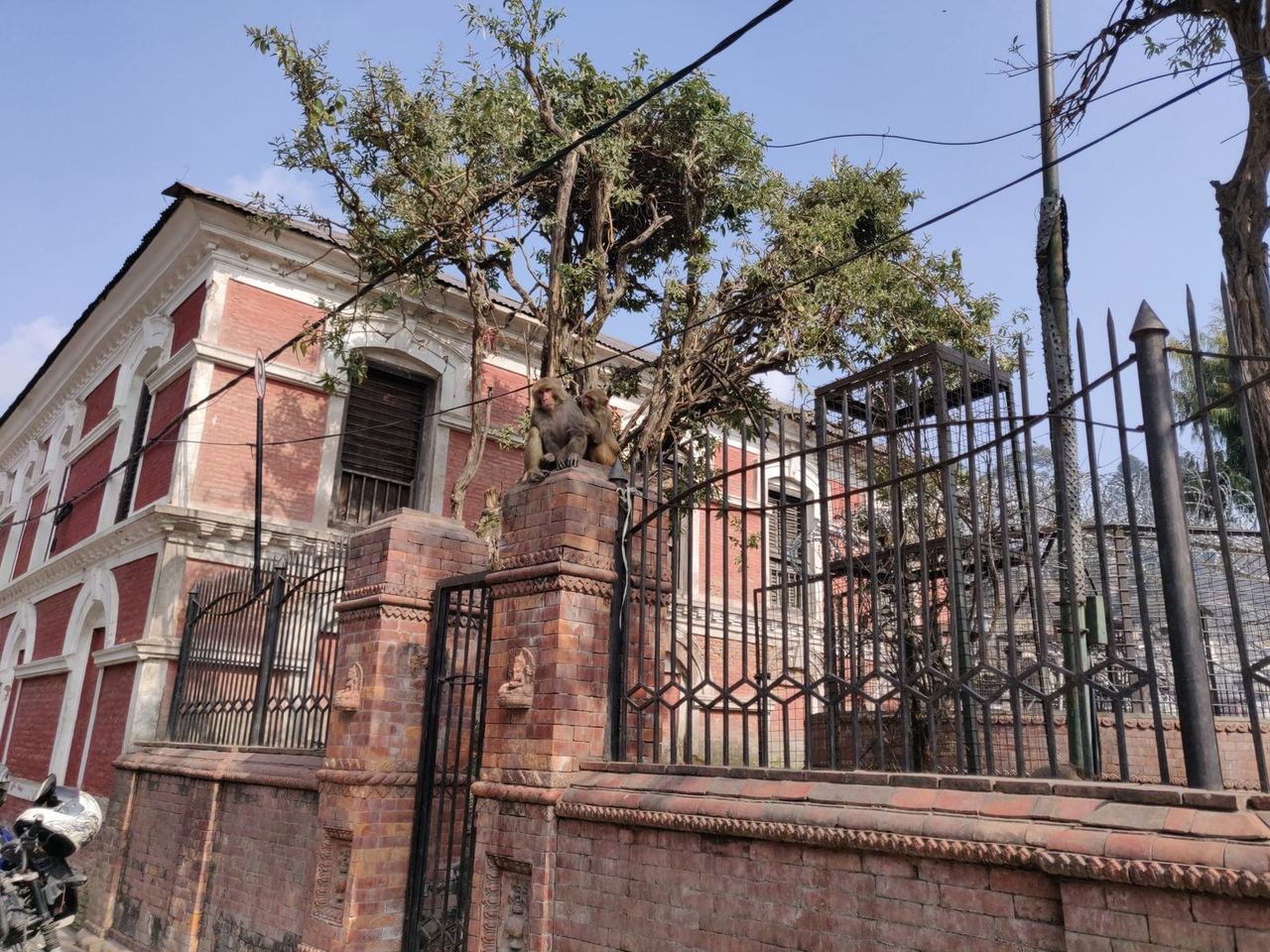
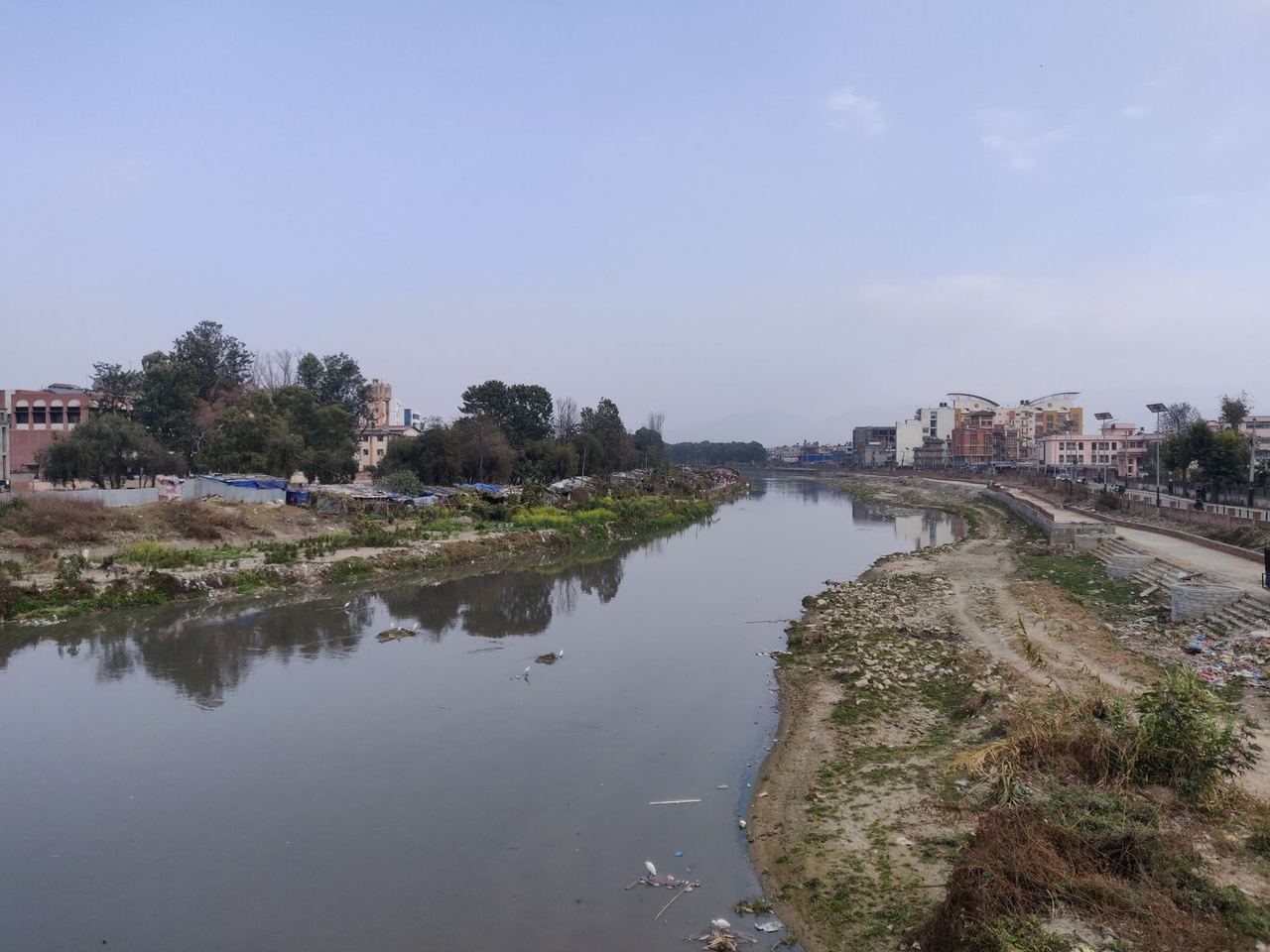
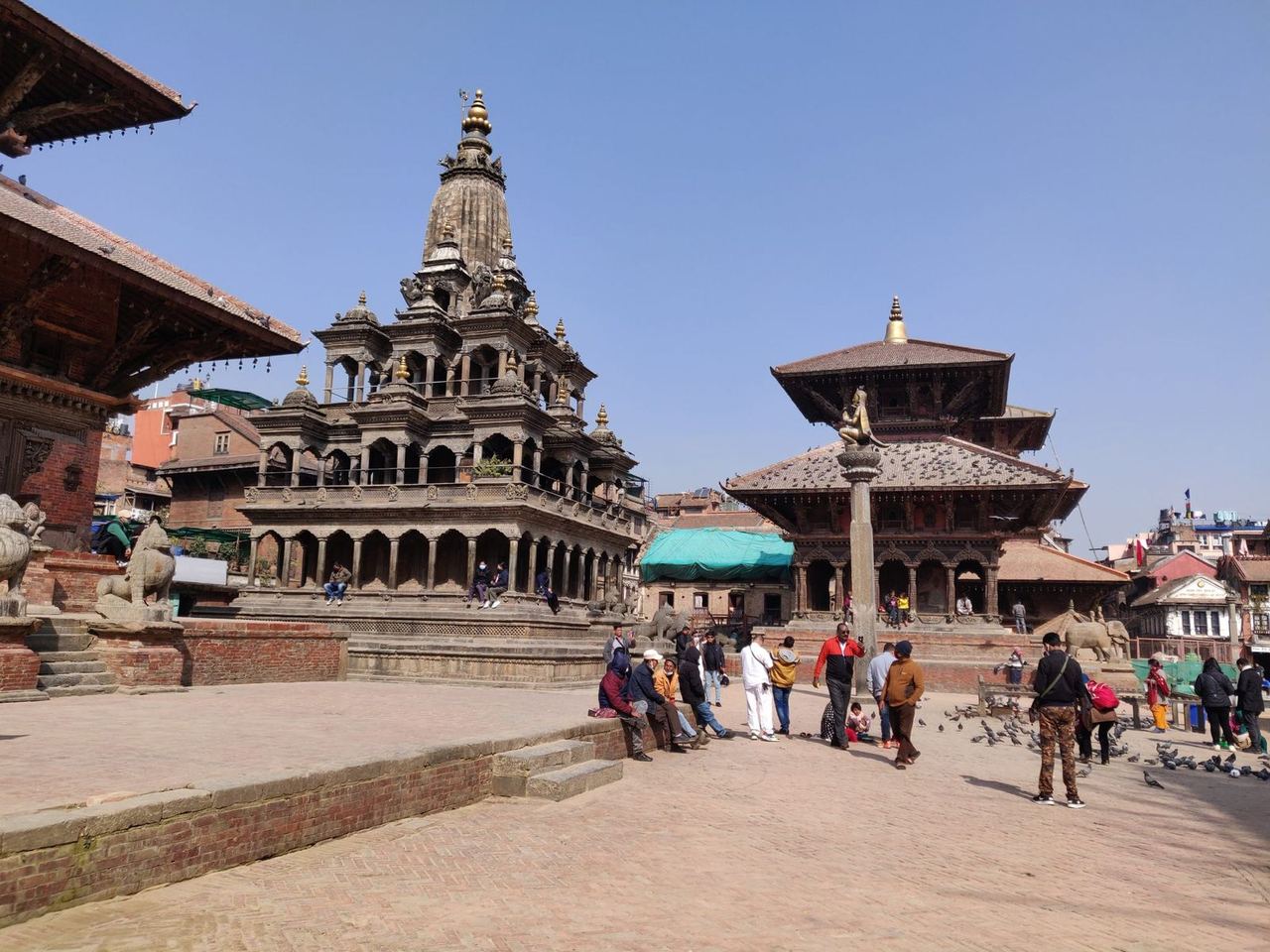
During this time I explored the city mainly on foot. On Saturday I joined a free walking tour of Patan Durbar Square – and was the only one on it. This part of the Kathmandu Valley is home to the city of Lalitpur. Its centre has several centuries-old temples and stupas (originally burial mounds). The religious sites bear the scars of earthquakes and some are being restored.
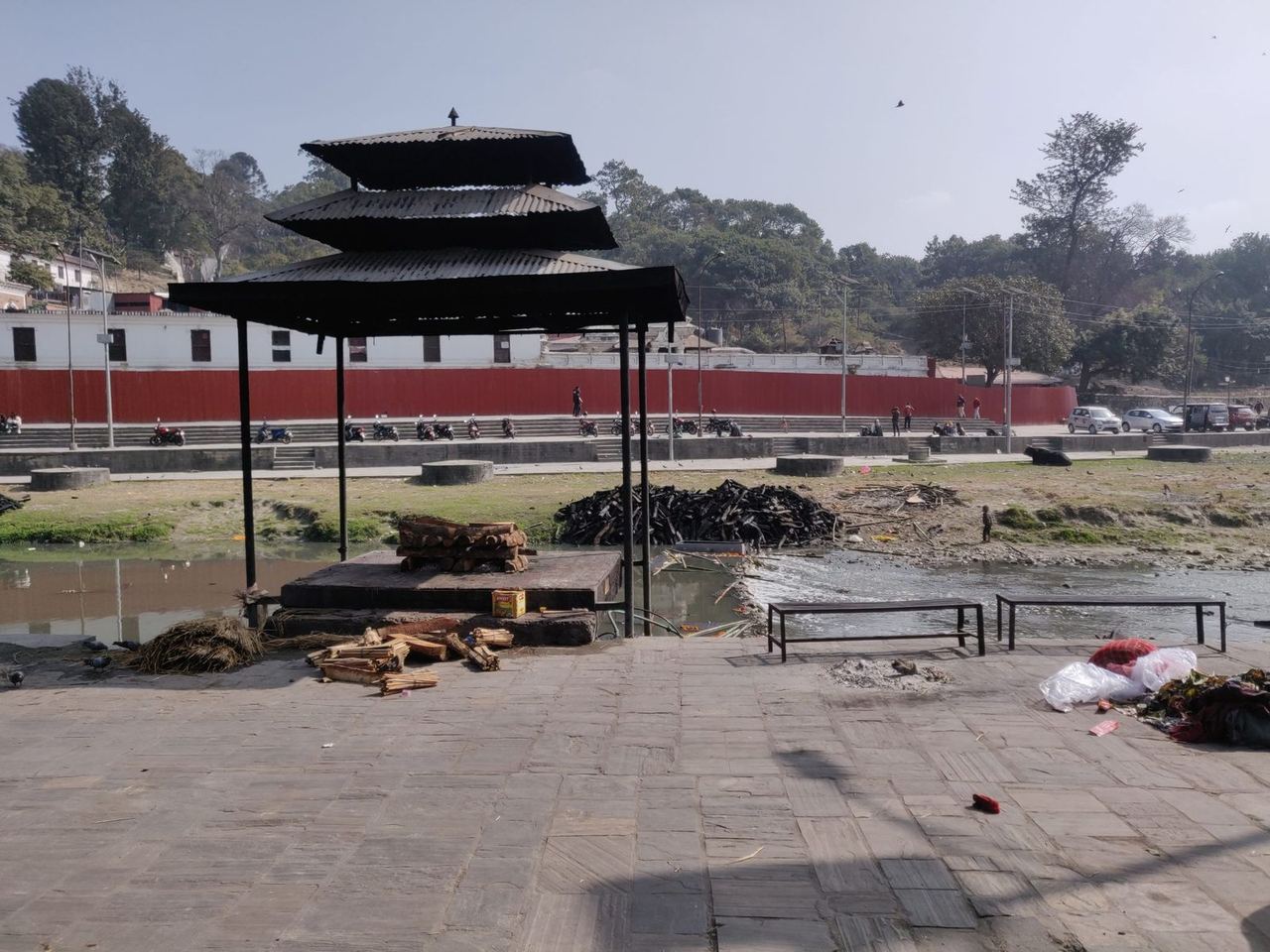
At one of the largest Hindu temples, Pashupatinath, I was able to watch – at a respectful distance – the cremations carried out there. The ceremony on the Bagmati River is very solemn and fascinating. The body, wrapped in yellow cloth, is burned on a pyre, covered with straw.
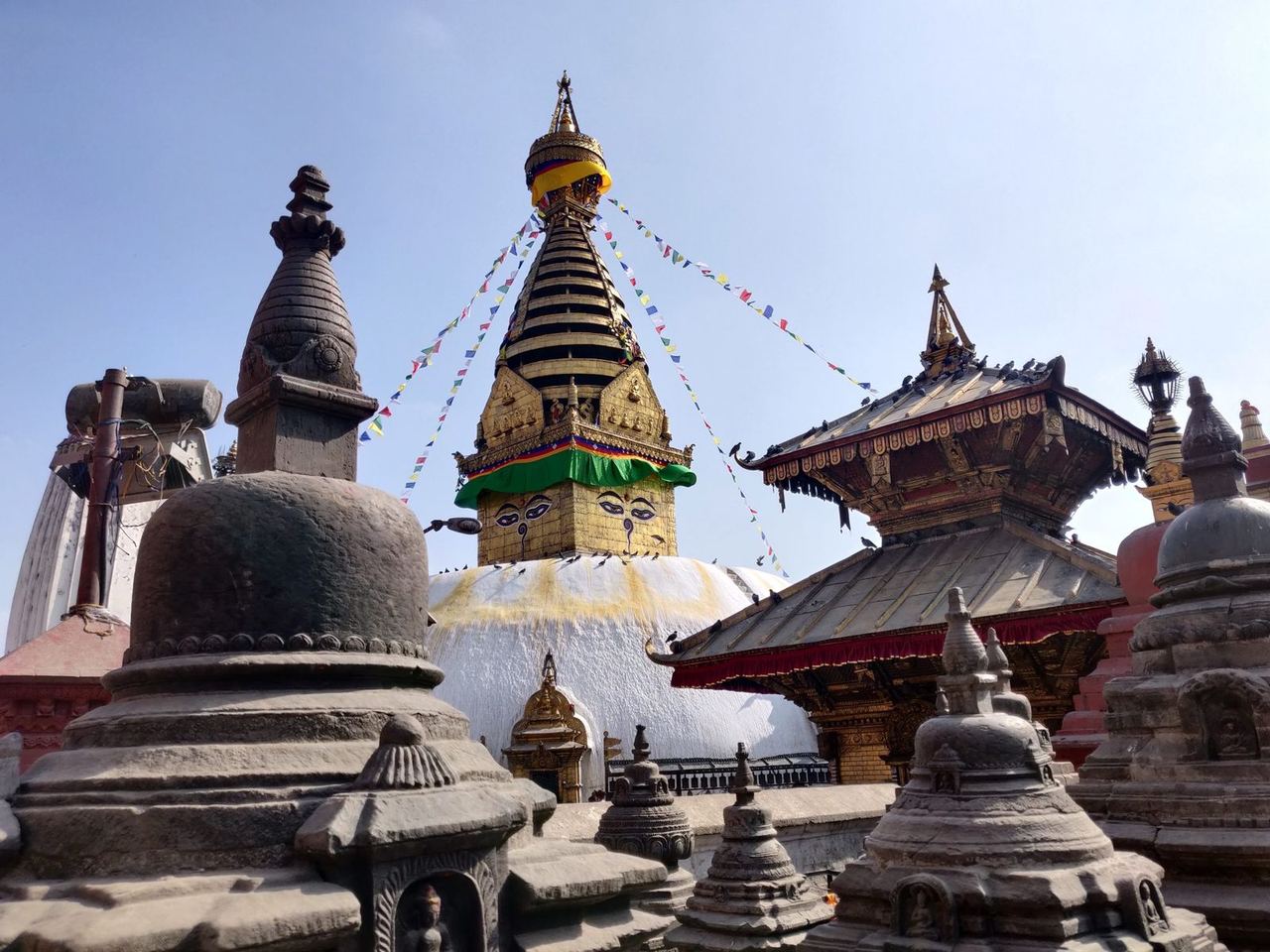
I also visited several other UNESCO World Heritage sites, such as Swayambhunath, also known as the Monkey Temple. It towers over the city centre and is really a stupa surrounded by jungle – hence the many rhesus monkeys.
After my time in the capital I travelled to the city of Bharatpur, 90 km away, to visit my companion and his family. The journey took six hours, as the bus crawled along the only road because of the bad road conditions and the traffic.
Bharatpur lies in Chitwan District, whose tourist centre is the town of Sauraha, which borders Chitwan National Park. It's about 400 m above sea level and has a tropical climate.
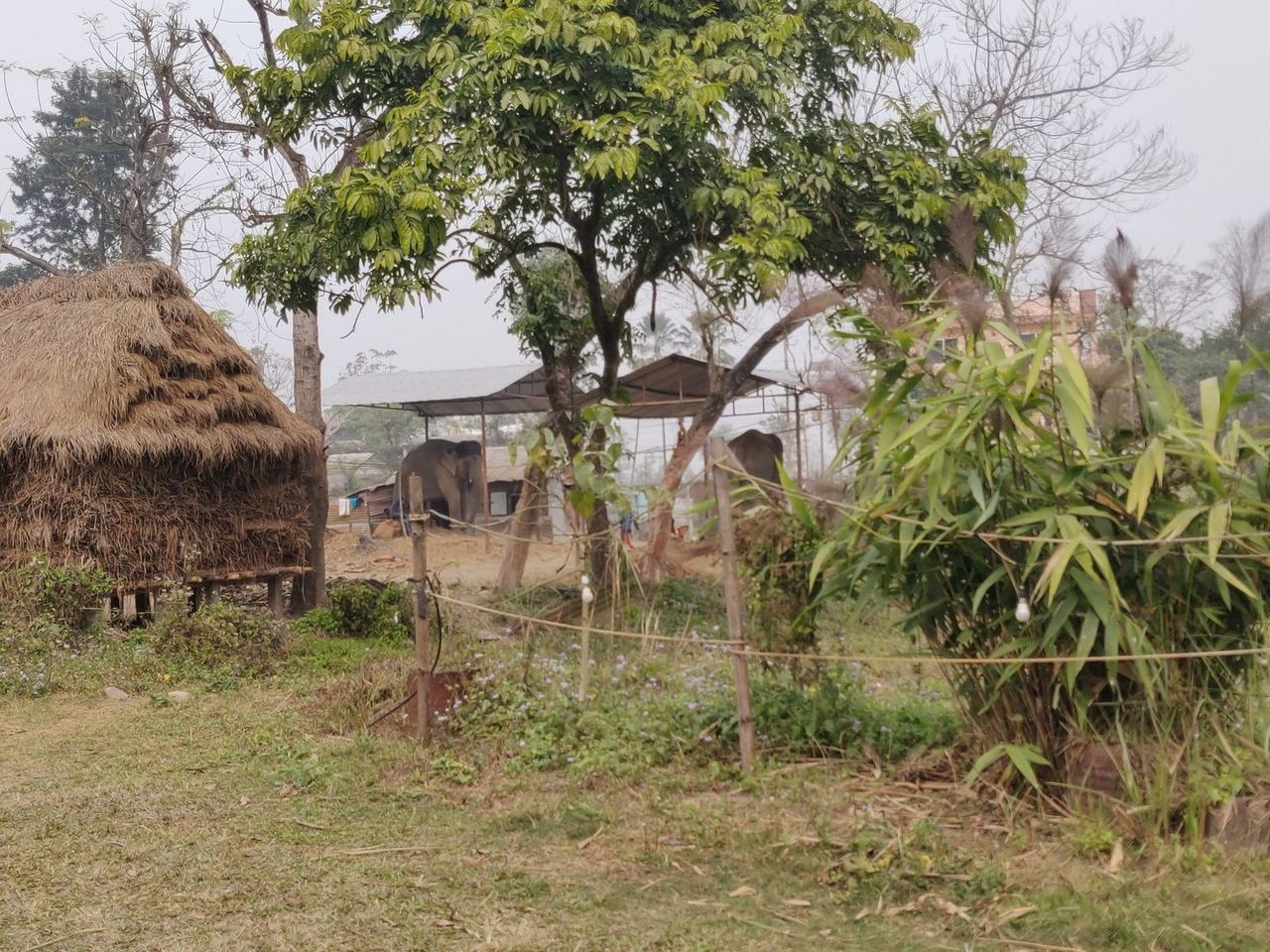
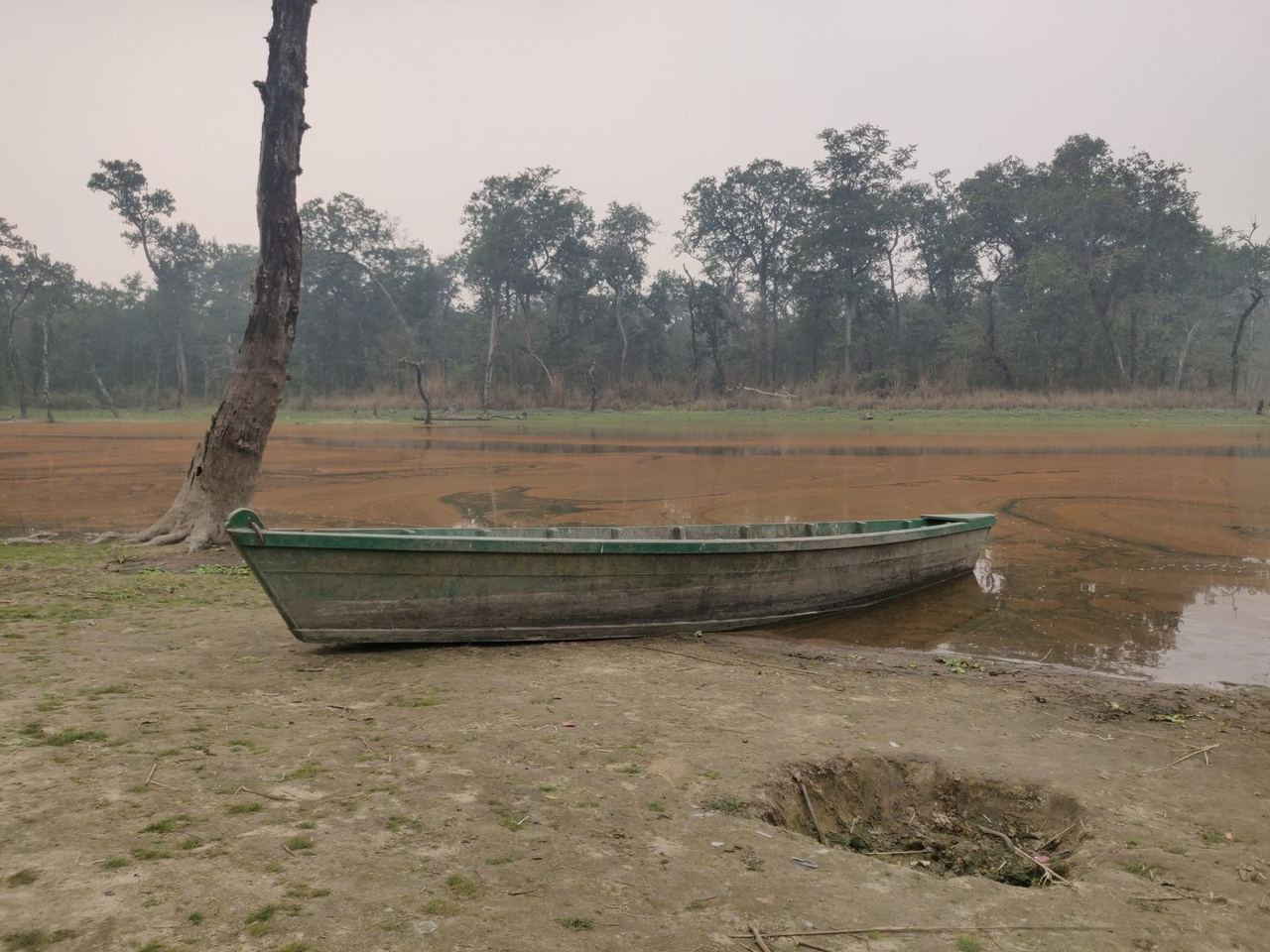
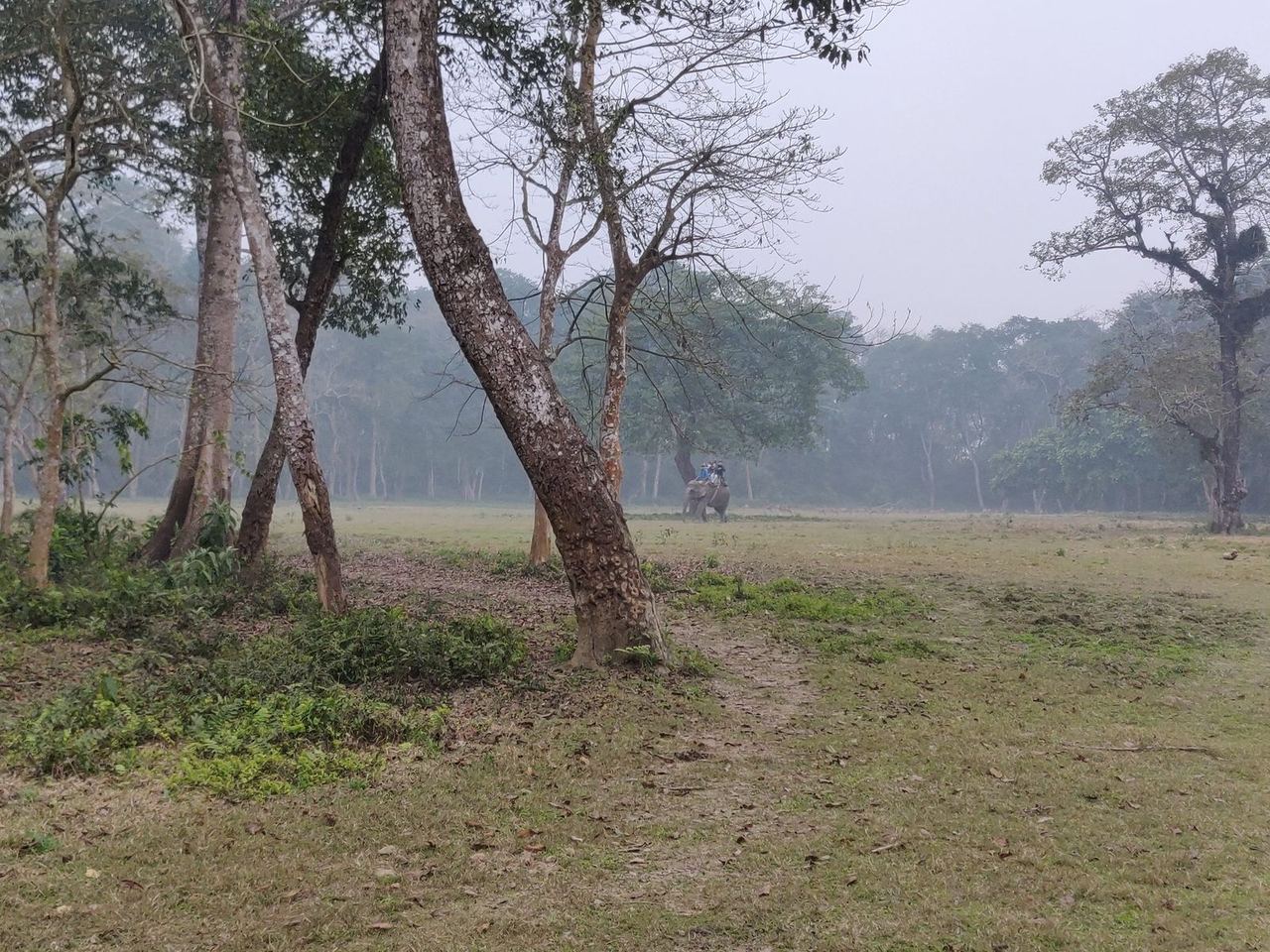
I spent the days there with other Nepalis who are friends of my travel companion. Together we went into the jungle to see the different tropical animals – rhinos, elephants, crocodiles, peacocks and many other kinds of birds.
We spent one night in a tower built in the jungle. Under a guide's supervision we lit a fire in the evening, had a barbecue and then slept there. Pretty interesting to wake up in a rather dangerous area where tigers, sloth bears, leopards and rhinos might be right around you. In the morning we saw a rhino next to a herd of deer.
Since the Nepalis grew up in the region, it was nothing special for them. Despite the language barrier, it was lovely spending the time like this. A rhino in the street is almost normal there.
The world here seems different, and not just because of the climate. Besides the different meals (there are only two a day, morning and evening), the lifestyle is much more relaxed. Many people do simple jobs or work in farming, though the region also lives a lot from tourism. People's mentality is far more relaxed too: punctuality isn't such a big deal, and how people act or what they do seems fairly spontaneous. Of course the country, or the region, isn't as developed, and life there seems simple.
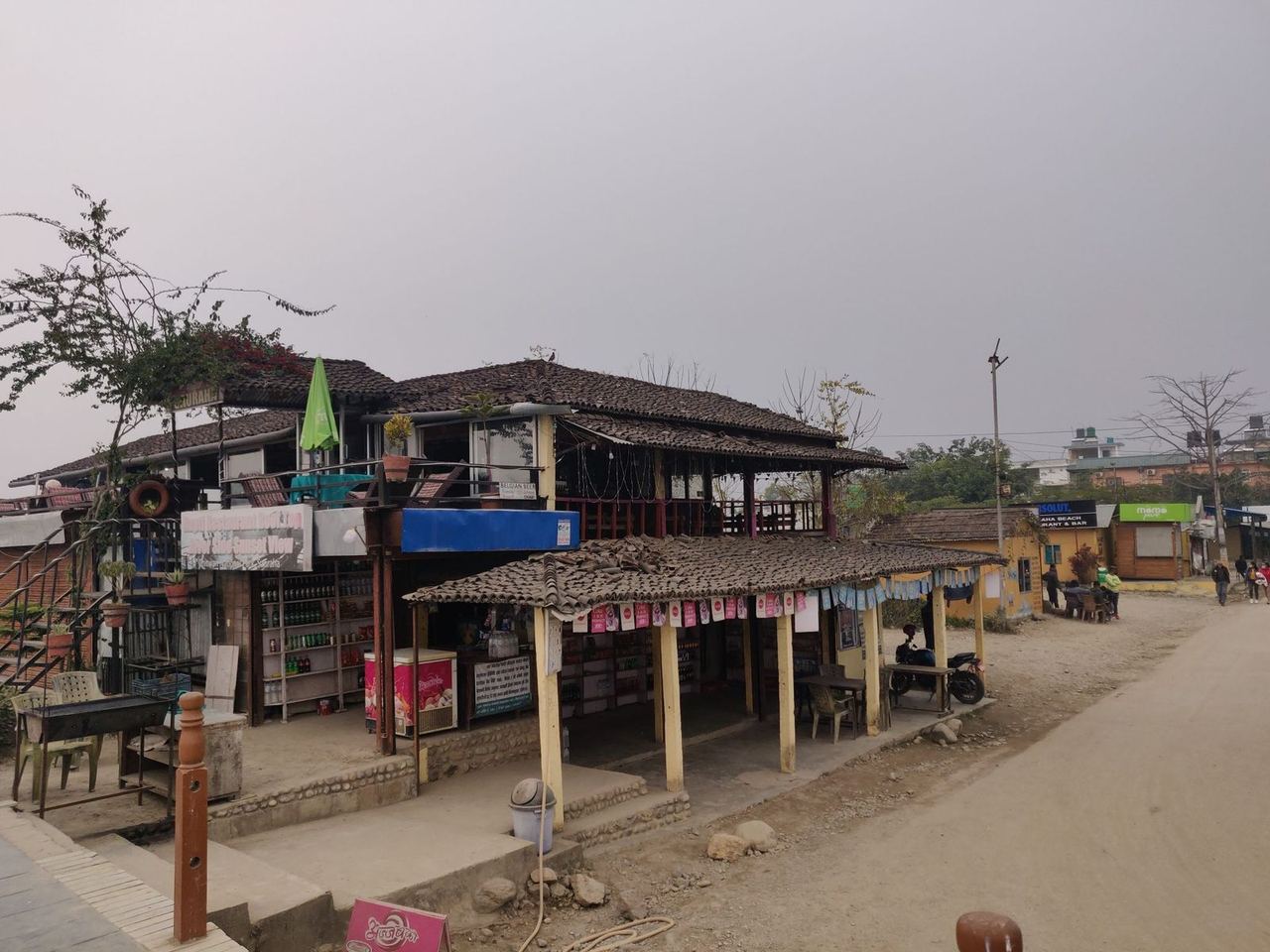
Through the short time with the family and my friend's friends, I was able to dive a little deeper into another culture – whether through shared meals, traditionally eaten with the right hand, or by picking up and using phrases and words.
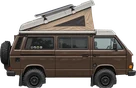
I'm glad to have arrived here, even though it would have been really nice to explore the area in the T3. Then a safari for four in the bus might have been possible too. 😀
Next week it's back to Kathmandu, where we'll prepare for the trek to Everest Base Camp. It'll take two weeks to reach our goal at about 5,500 m. I'm curious how it'll go …
Journey from Germany to Nepal - Kathmandu / Chitwan Week 12Watch the video on YouTube