Week 13 – To the roof of the world
Nepal (Bharatpur – Kathmandu – Lukla)
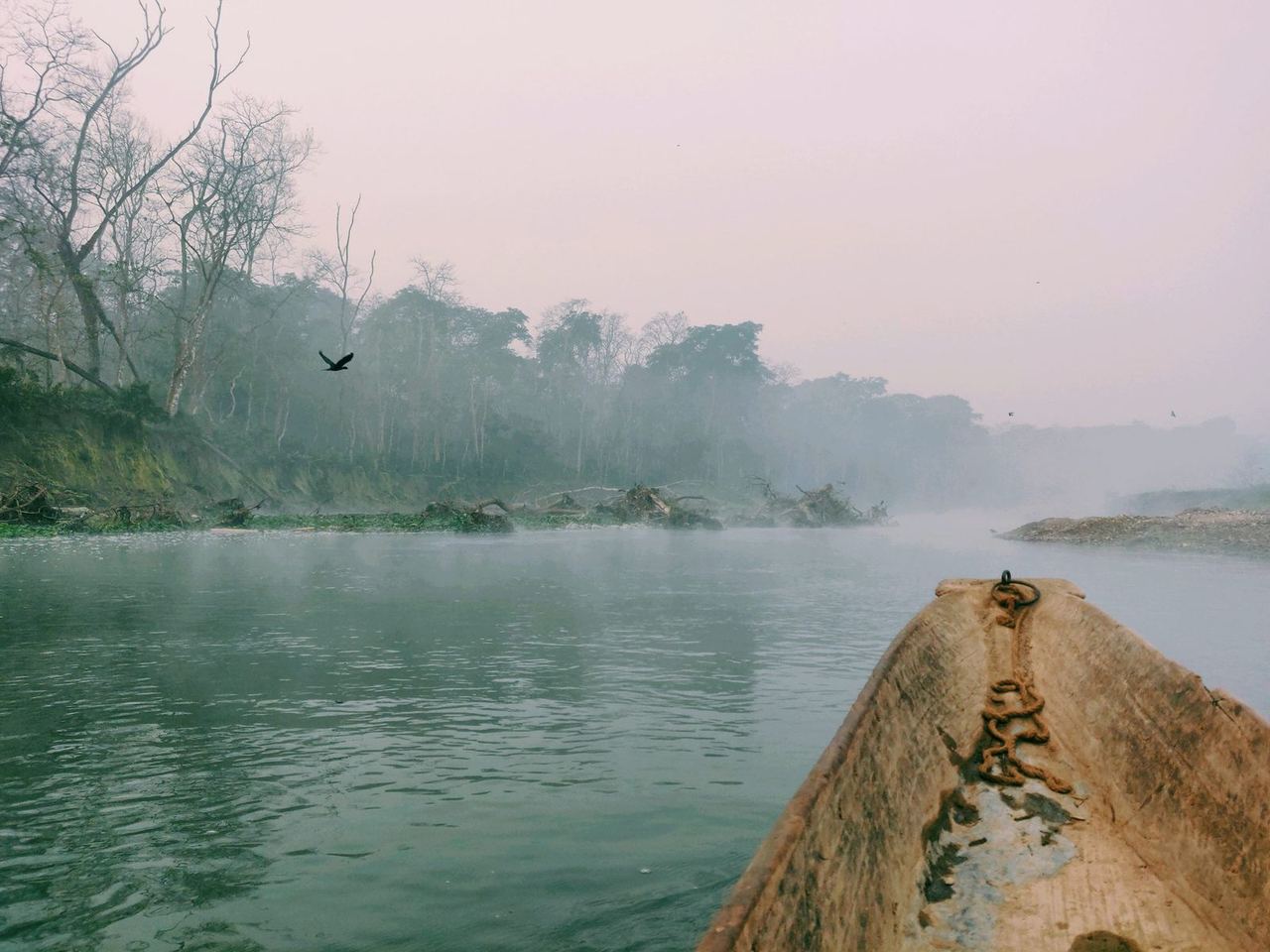
Week 13 began in Chitwan National Park. After our night in a tower in the park, we took a tuk-tuk to the Rapti River, where we rode a traditional dugout canoe to the elephant breeding centre. Despite the morning mist we saw various crocodiles and birds on the way.
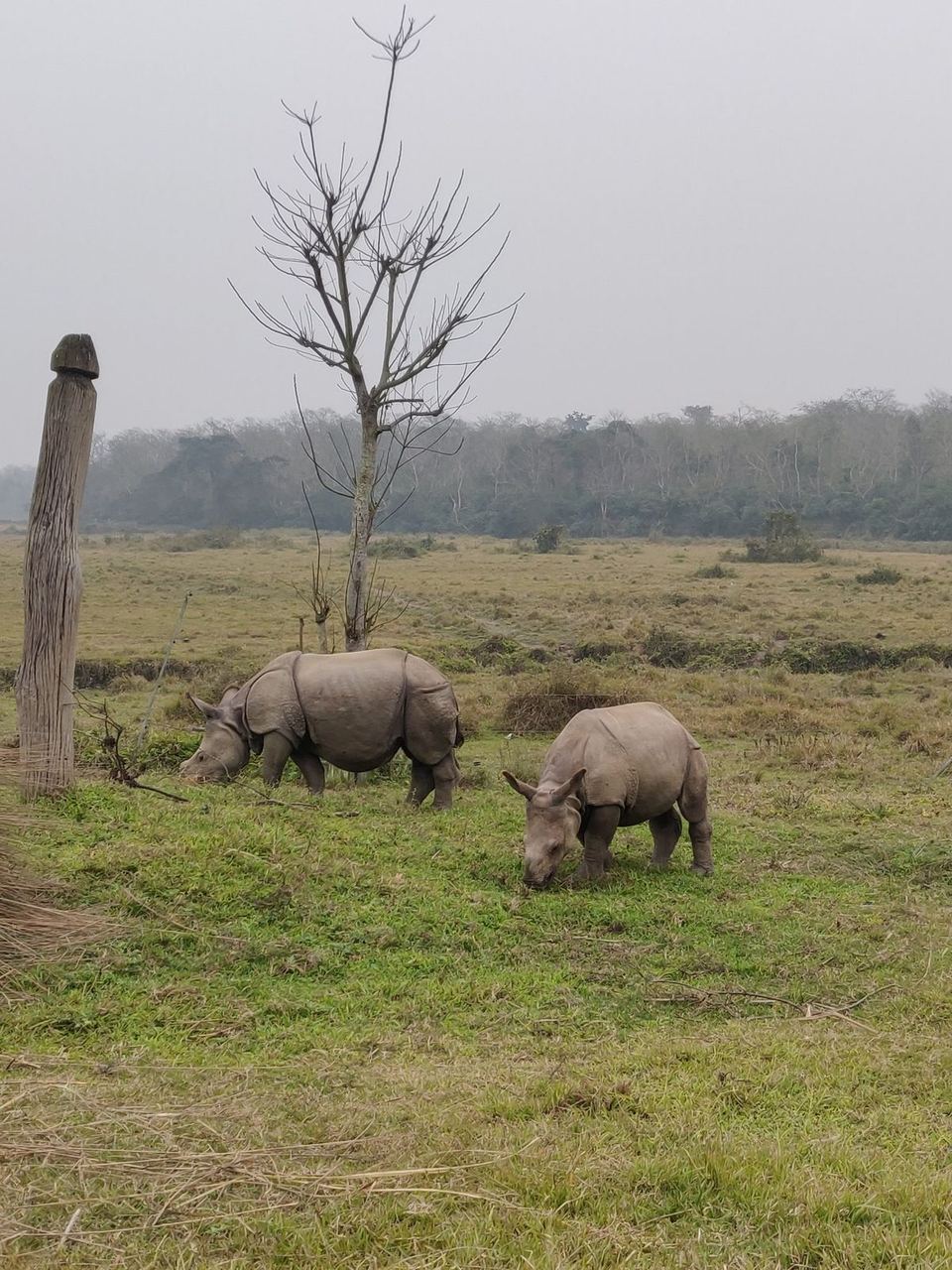
About six elephants are born at the breeding centre each year. They belong to the government and are then released into the national park or taken to other parts of Nepal. We were doubly lucky: the day before, a baby elephant had been born, which we got to see. And one of the few male elephants came to the centre. The males live free and aren't brought into the safe station by the staff in the evening. This one is called Ronaldo and has already killed several people, as he's unpredictable, especially in spring. He's known all over the country because he's often in the news. Wild that we got to see this giant so close.


While still in Bharatpur, in Chitwan District, we bought equipment and thermal clothing for the trek to Everest Base Camp. Friends of my companion gave us lots of helpful tips. We – or rather I – had wanted to do the 14-day trek without a guide, since it's much cheaper and blogs and videos provide all the information you need. But talking to friends and Nepalis who had done it made it clear that it could be dangerous, as we'd be doing it in winter with no experience above 3,000 m. On top of that, only a few lodges are open.
The trek is usually offered by various agencies as a package including all accommodation and meals, often with a guide and a porter. Porters are Nepalis who carry up to 30 kg of gear. The guides are often Sherpas – people who originally came from Tibet and migrated about 500 years ago to the slightly more southern Himalayas, where they settled. Sherpas are used to extreme altitude; of course, if you're born above 3,000 m your body copes completely differently from people like me who grew up practically at sea level.
These package treks for 14 days start at around €800. Since we wanted to travel freely and more cheaply, we decided against a package. Through Sherpa friends of my travel companion, though, we were able to contact an experienced Sherpa who did the trek with us and, thanks to the mutual friendship, charged a fair price.
Another risk is altitude sickness. It occurs when you climb too quickly without letting your body adjust to the falling oxygen level. It can start as low as 2,500 m and shows itself through headaches, blurred vision or nausea. It can develop into high-altitude pulmonary or cerebral oedema, which can be fatal – but only if you ignore the early signs and don't act on them. That's another reason an experienced guide is a good idea.
You can help your body adapt by climbing slowly. Each night's sleeping place shouldn't be more than 500 m higher than the previous one, and every 1,000 vertical metres or three days you should take a rest day at the same altitude. Your body can also take in more oxygen if drinking plenty makes your blood less viscous. Garlic also helps dilate the blood vessels and thin the blood.

We then went from Chitwan to Kathmandu, where we had to prepare various things for the trek, which took two full days. We had to be ready for temperatures down to -25 °C, so we hired most of the equipment – sleeping bags, crampons, gaiters, gloves, trekking poles and head torches, for example. Besides the thick clothing we also needed medical supplies, as altitude sickness can be a big problem.
The flight from Kathmandu to Lukla was supposed to be on Tuesday. Because of bad weather, our trip to the world's most dangerous airport was delayed a little, so we took off at 8 am instead of 6 am. Unfortunately the 20-seater plane couldn't land, as Lukla, at 2,800 m, was too foggy. So we flew back to Kathmandu. The following flight didn't go either. The next day we came back to the airport, and once again both flights were cancelled. Together with other travellers heading for the same place, we booked a helicopter flight. Helicopters are safer and can fly in bad weather too. This solution was fairly expensive, but I saw no alternative, as the weather wasn't due to improve until the weekend.


So we flew to Lukla, where we met our guide and stayed at his place.
Over the next few days we'll climb about 2,700 vertical metres and walk about 80 km in total. Let's see how it goes.
Journey from Germany to Nepal - Chitwan Week / Lukla 13Watch the video on YouTube