Week 14 – Goal reached.
Nepal (Lukla – Namche – Gorak Shep)
We set off from Lukla on Thursday morning, aiming to reach the region's largest village, Namche, by evening. The trek is usually planned for 14 days, going to EBC (Everest Base Camp) via the beautiful Gokyo Lakes and the Cho La Pass and returning by a different route via Pangboche. Unfortunately this loop wasn't possible right now, for two reasons:
- As it's currently the off-season, the lodges on the way up via Gokyo are closed or only sparsely staffed, so daily stages of 8 hours or more would be needed.
- As it's still winter, the snow is very deep, especially on the Cho La Pass, and there's no trail – you'd have to break it yourself.
So we chose the route shown here.

On the first day we walked for about seven hours, stopping at lunchtime at a small guesthouse where we ate what would turn out to be our main source of energy: dal bhat – rice with lentil soup and spinach.
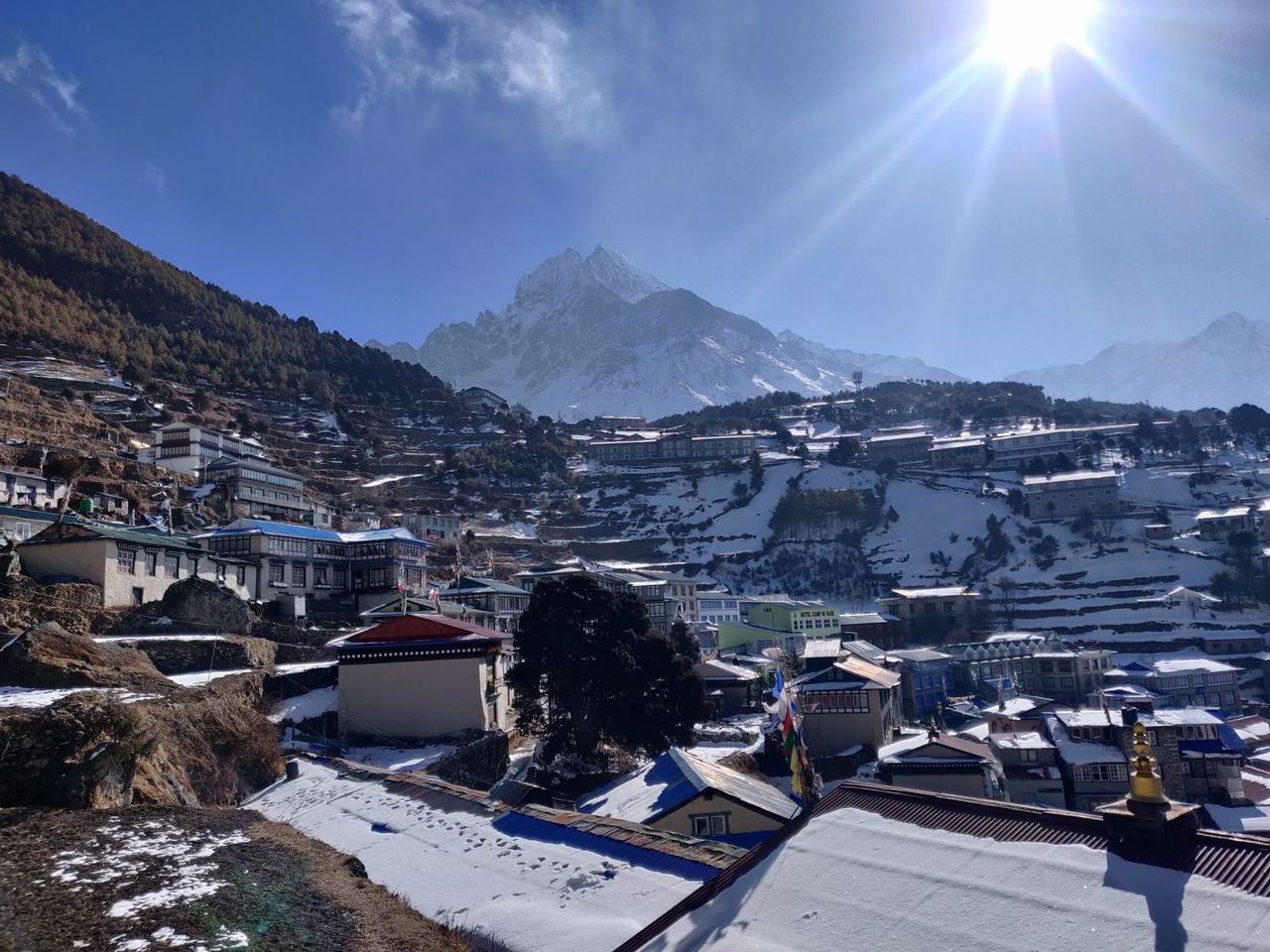
We spent a day in Namche to get used to the altitude of around 3,400 m. From the museum near Namche, at 3,550 m, we caught our first glimpse of Mount Everest. (The world's highest mountain is also called Sagarmatha.)
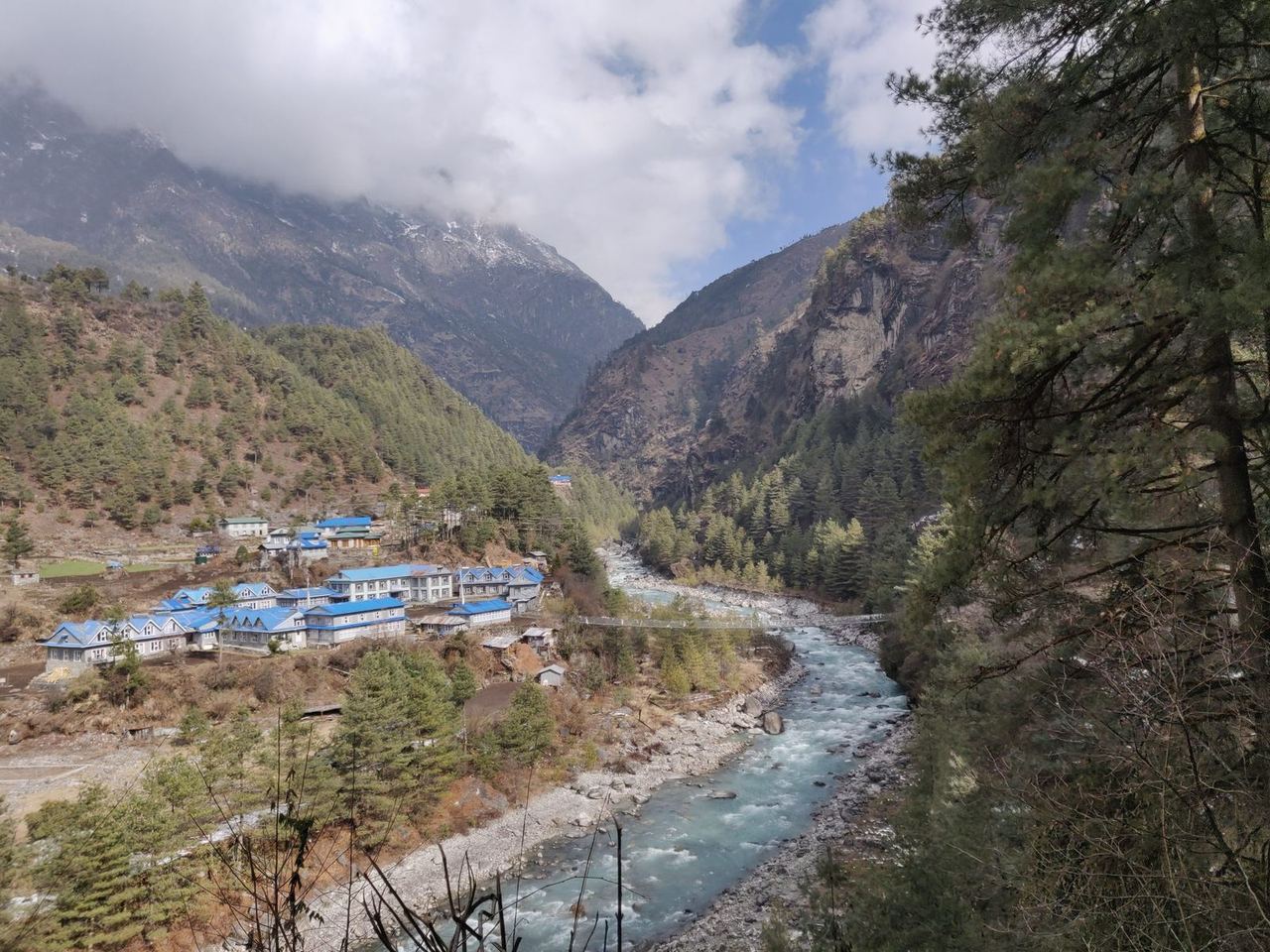
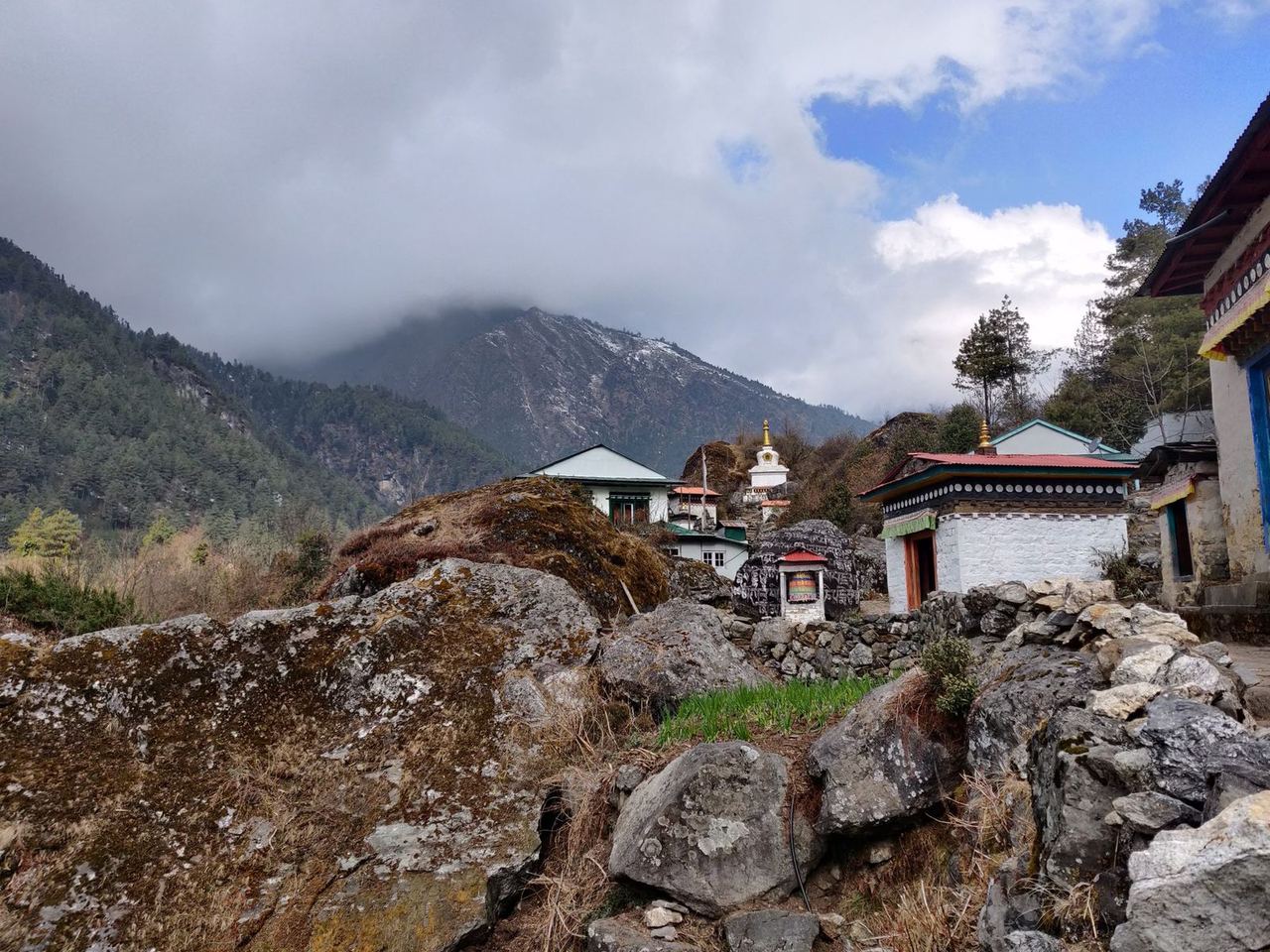
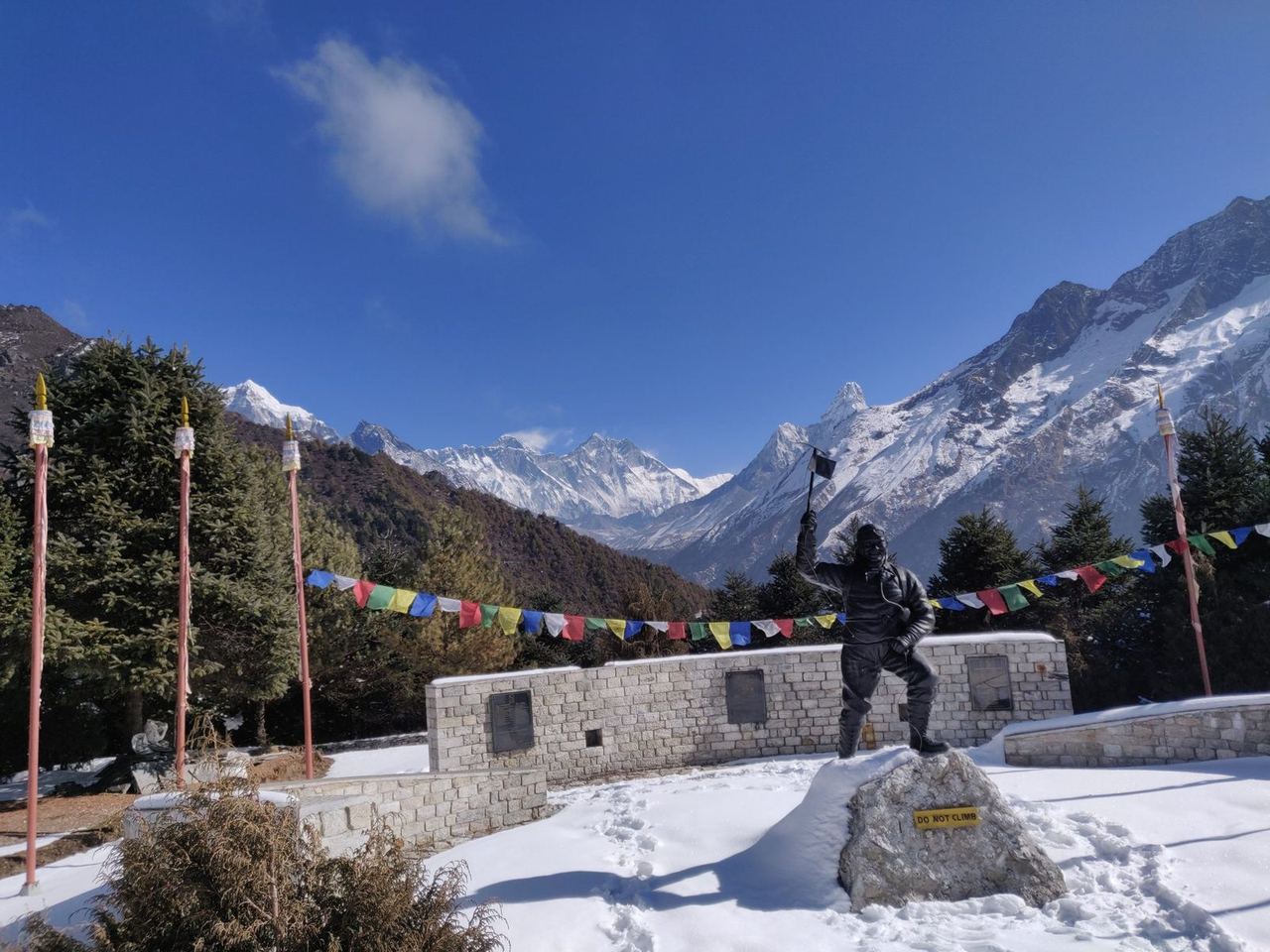
There's no motorised transport in the villages. Everything is carried on foot or by donkey. Some special or bulky goods are flown in by helicopter. It's quite impressive that at these altitudes there's water, electricity, internet and, in Namche, even small shops.
We stayed at the same lodge as the other travellers we'd met at the airport and with whom we'd organised the helicopter flight from Kathmandu to Lukla. In the evening we sat together around the stove to warm up – which, funnily enough, Nepalis call sunbathing. Of course, the houses up there have no heating, and the walls are practically uninsulated, so inside it's almost as cold as outside. At that altitude it was still -5 °C at night.
In the lodges you mostly pay in cash, so you have to stock up in Lukla or Namche – after that there are no more cash machines.
From Namche we hiked to Tengboche. The trek was moderate up to this point: the lower oxygen level wasn't very noticeable yet, and the trail was easy to follow despite some snow. The nice thing about the trekking days was that you almost only saw locals and very few tourists, whom you'd often then meet in the evening at the lodge. That's how we met a Brazilian couple who more or less accompanied us for three days.
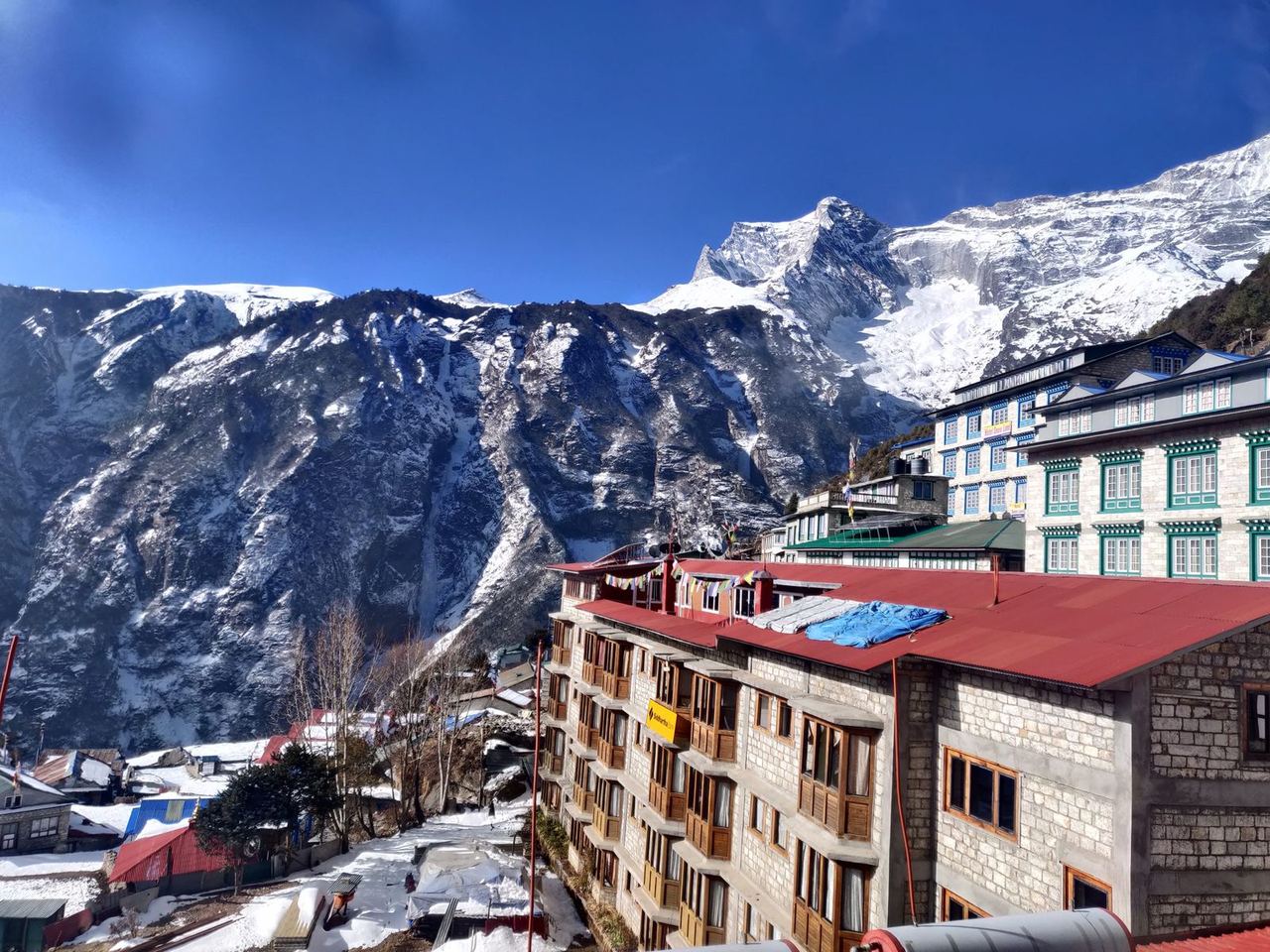
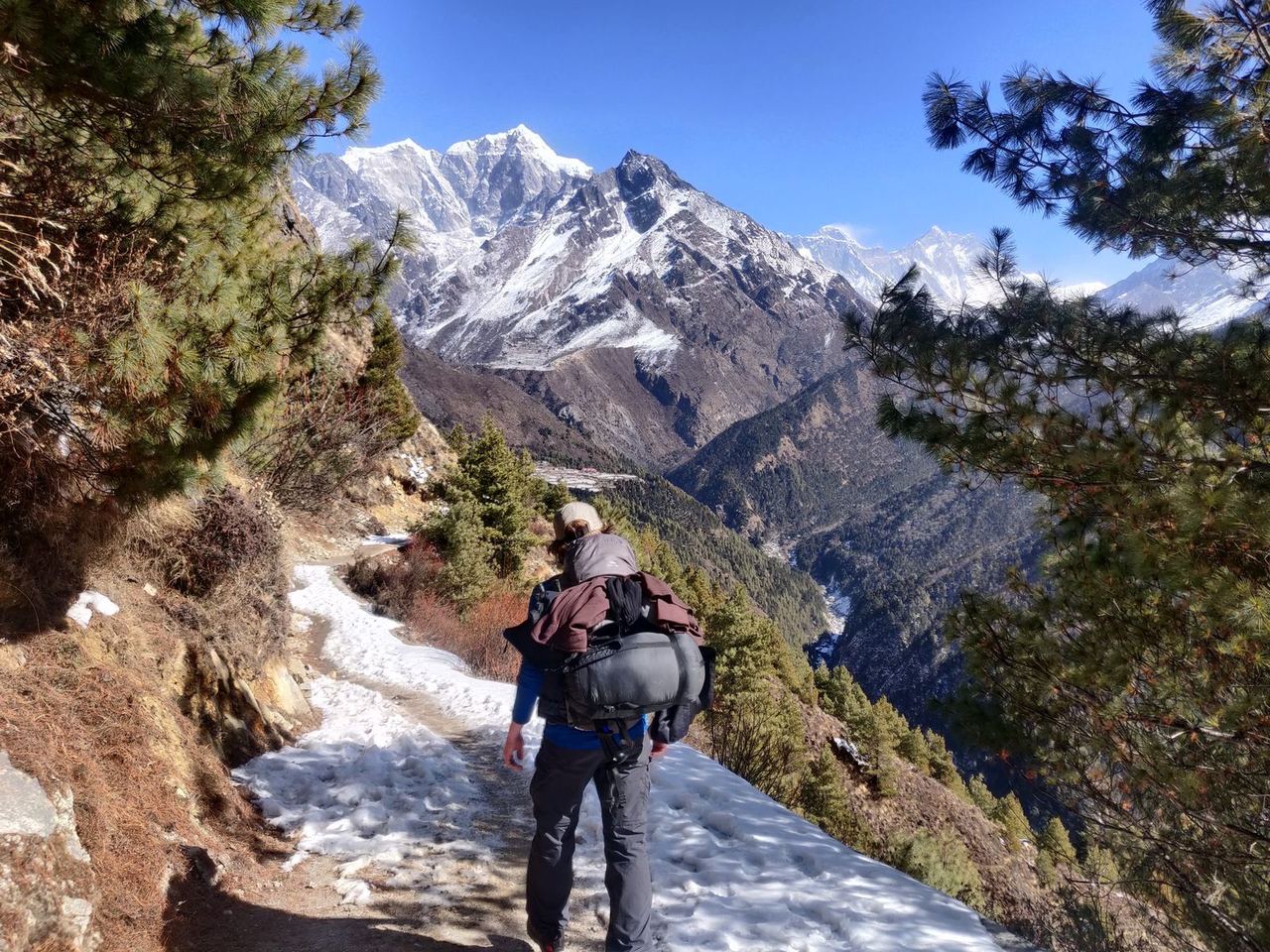
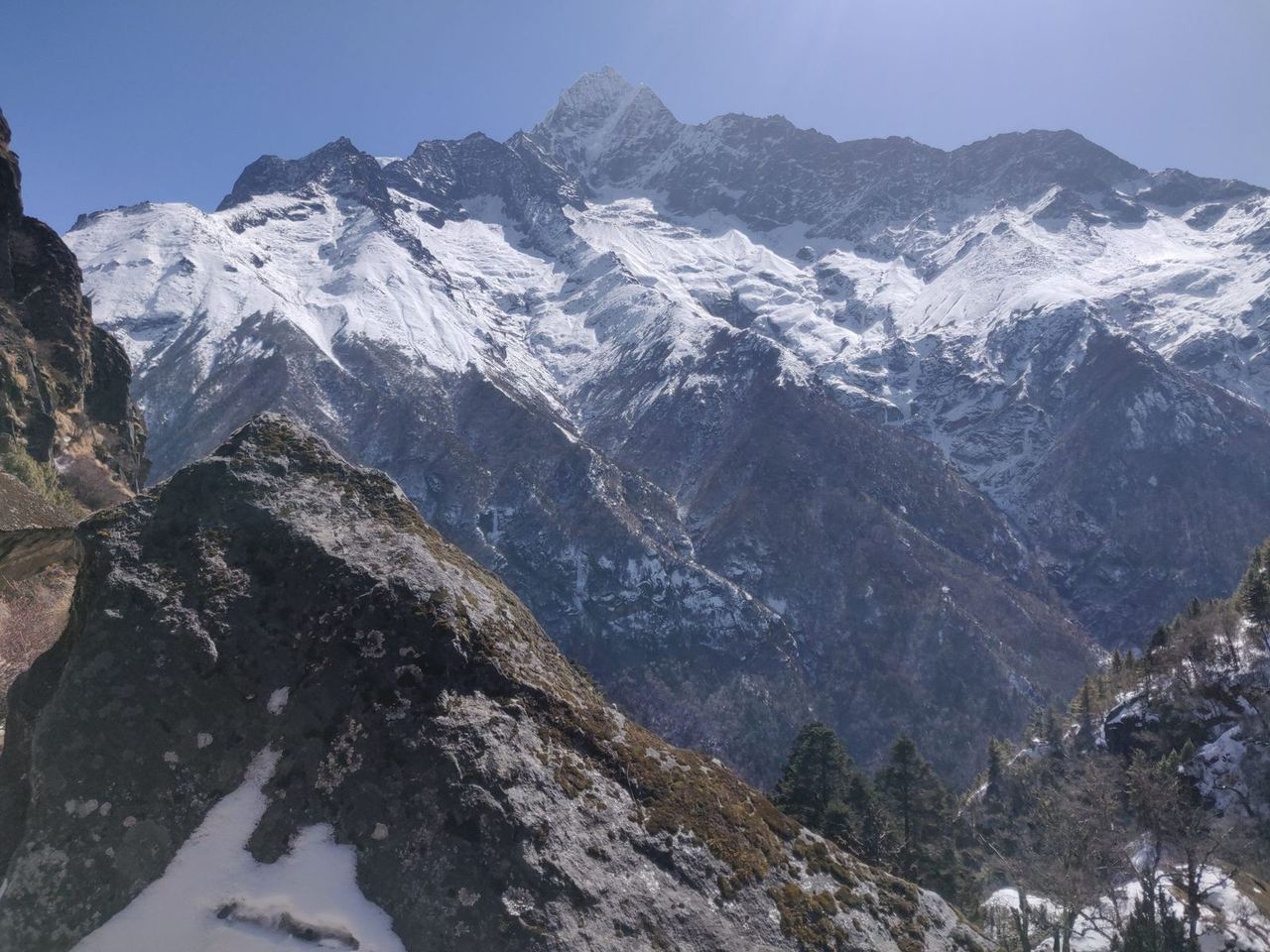
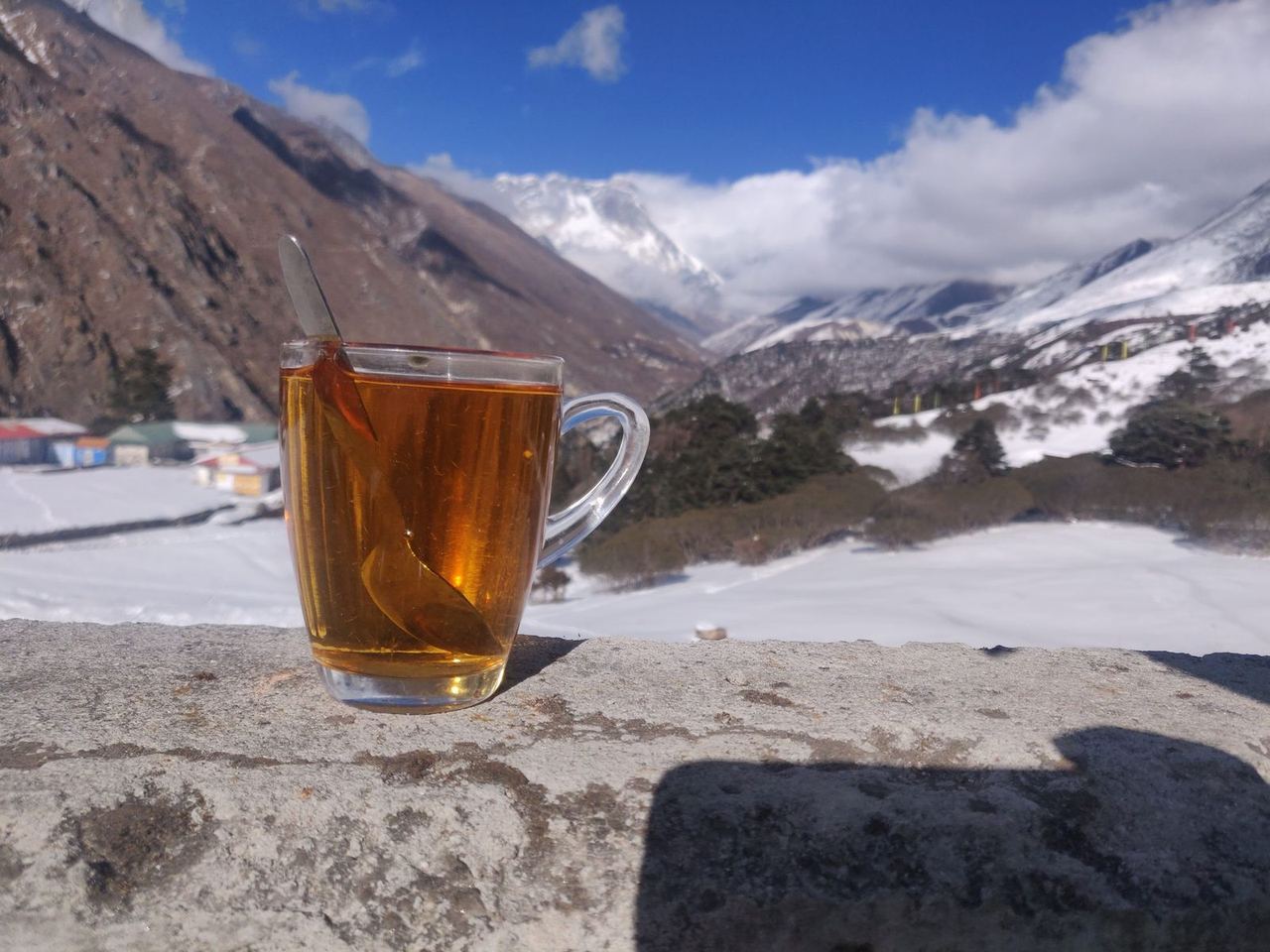
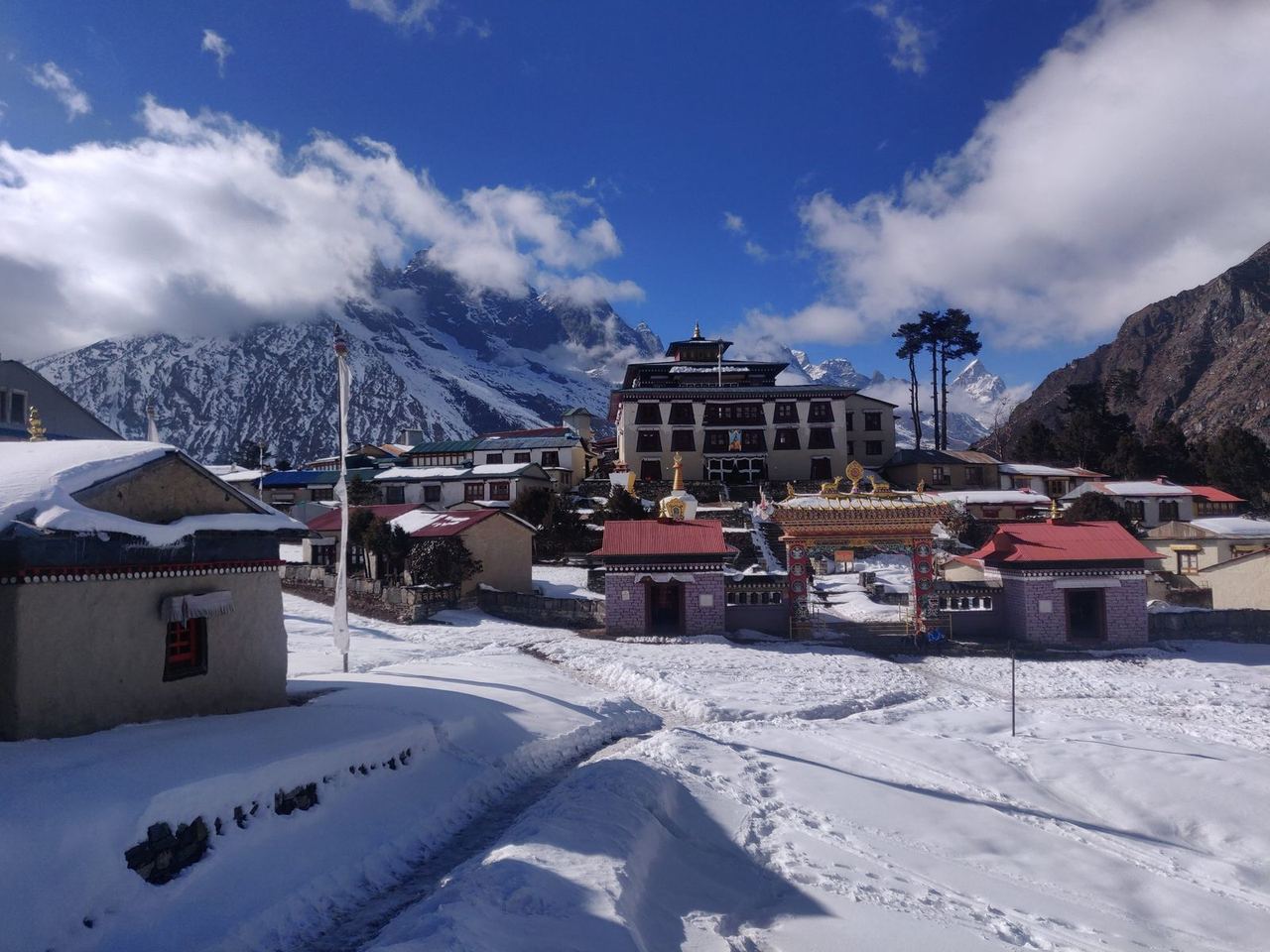
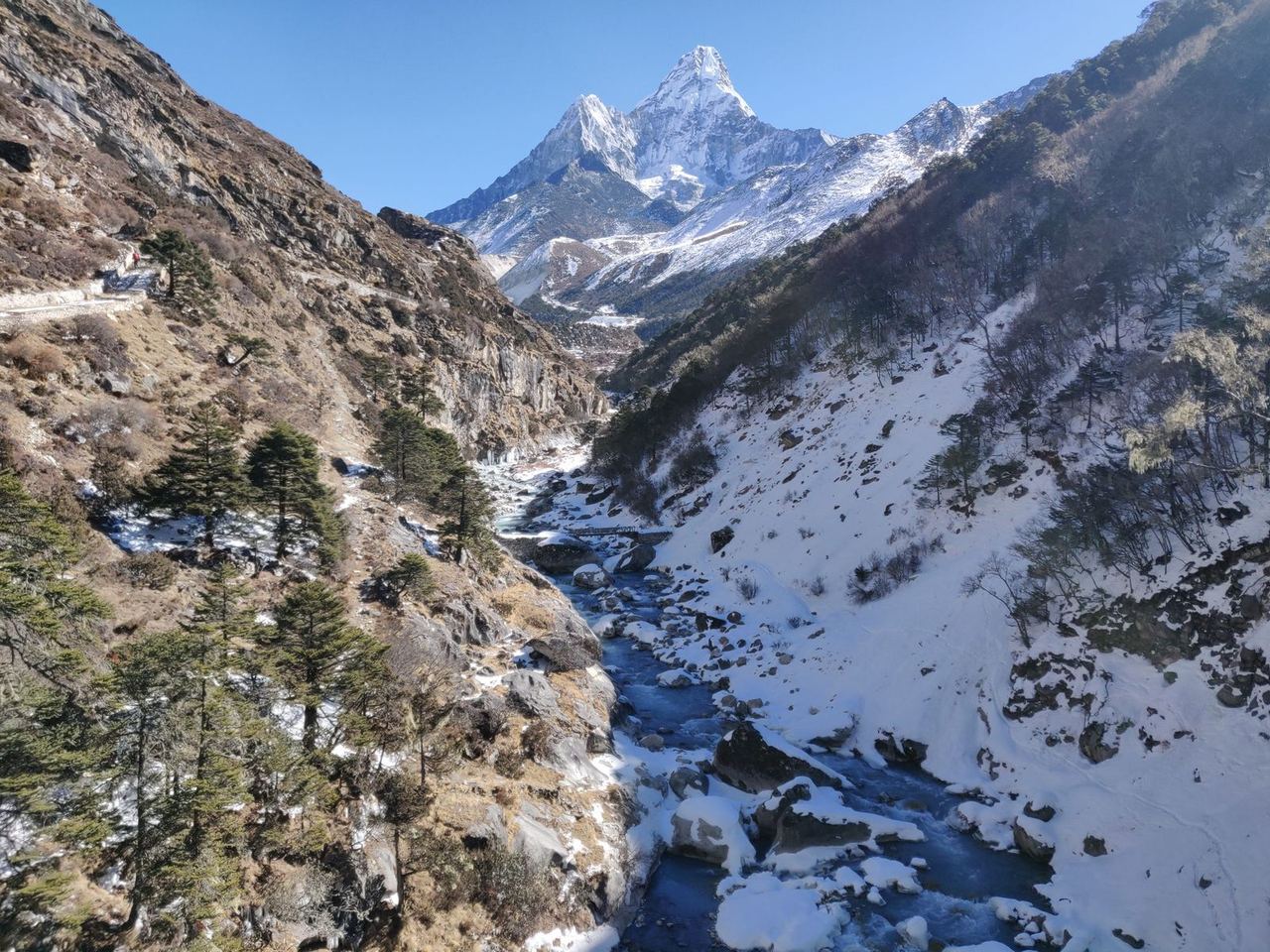
The hike from Pangboche to Dingboche was more draining: we crossed the 4,000 m mark, which also meant leaving the tree line behind, and now the lower oxygen level was noticeable. Dingboche lies at about 4,400 m. There, the first person we knew from the helicopter showed the first symptoms of altitude sickness: she complained of headaches and blurred vision. We spent a day acclimatising in Dingboche. As for hygiene, it's like alpine treks: sometimes there's a chance to shower, which of course is cold – and with indoor temperatures sometimes below zero, not ideal. At the lodge in Dingboche you could have a hot shower for €8.
Electricity in the mountain villages comes mainly from hydropower or solar.
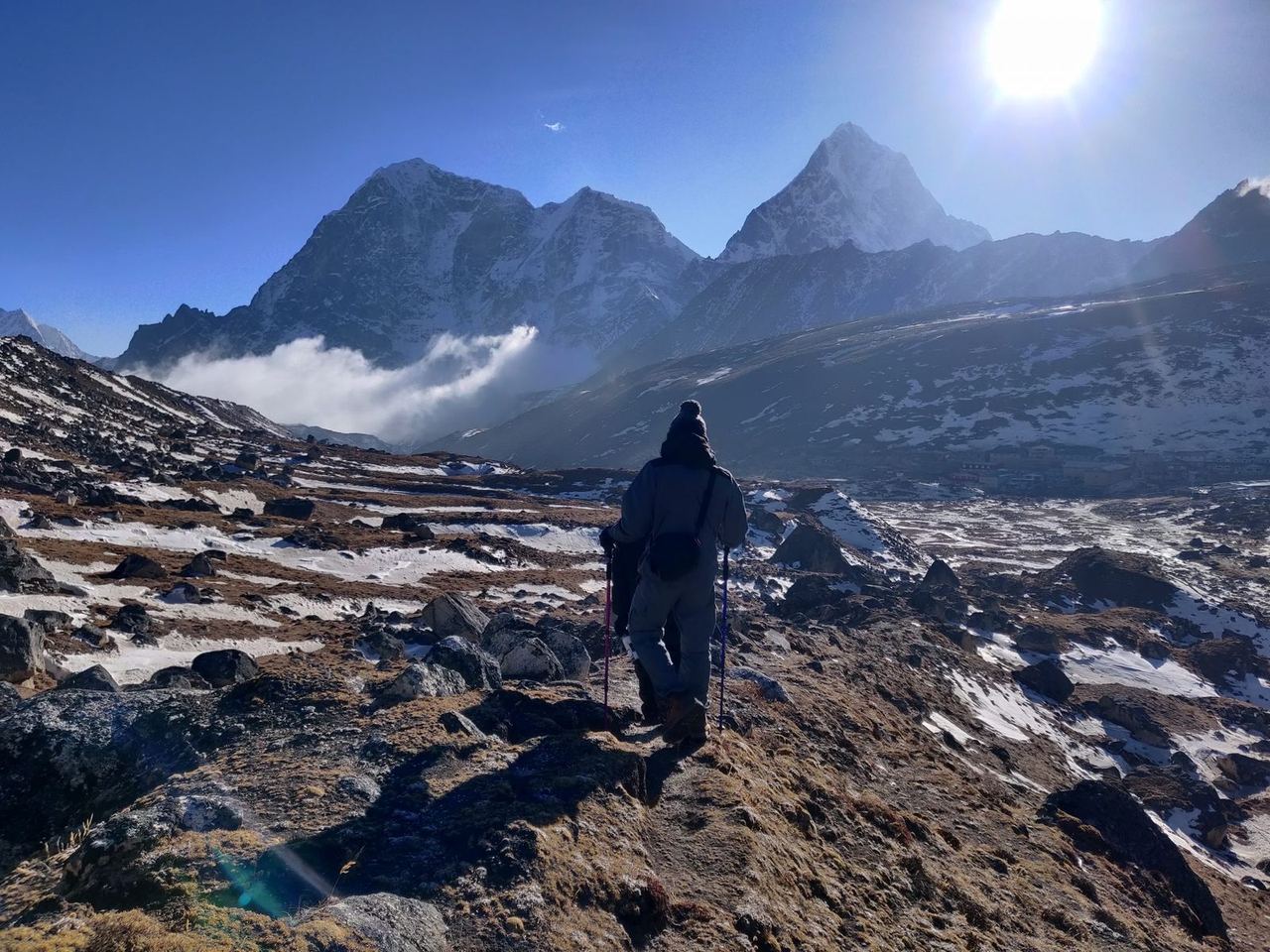
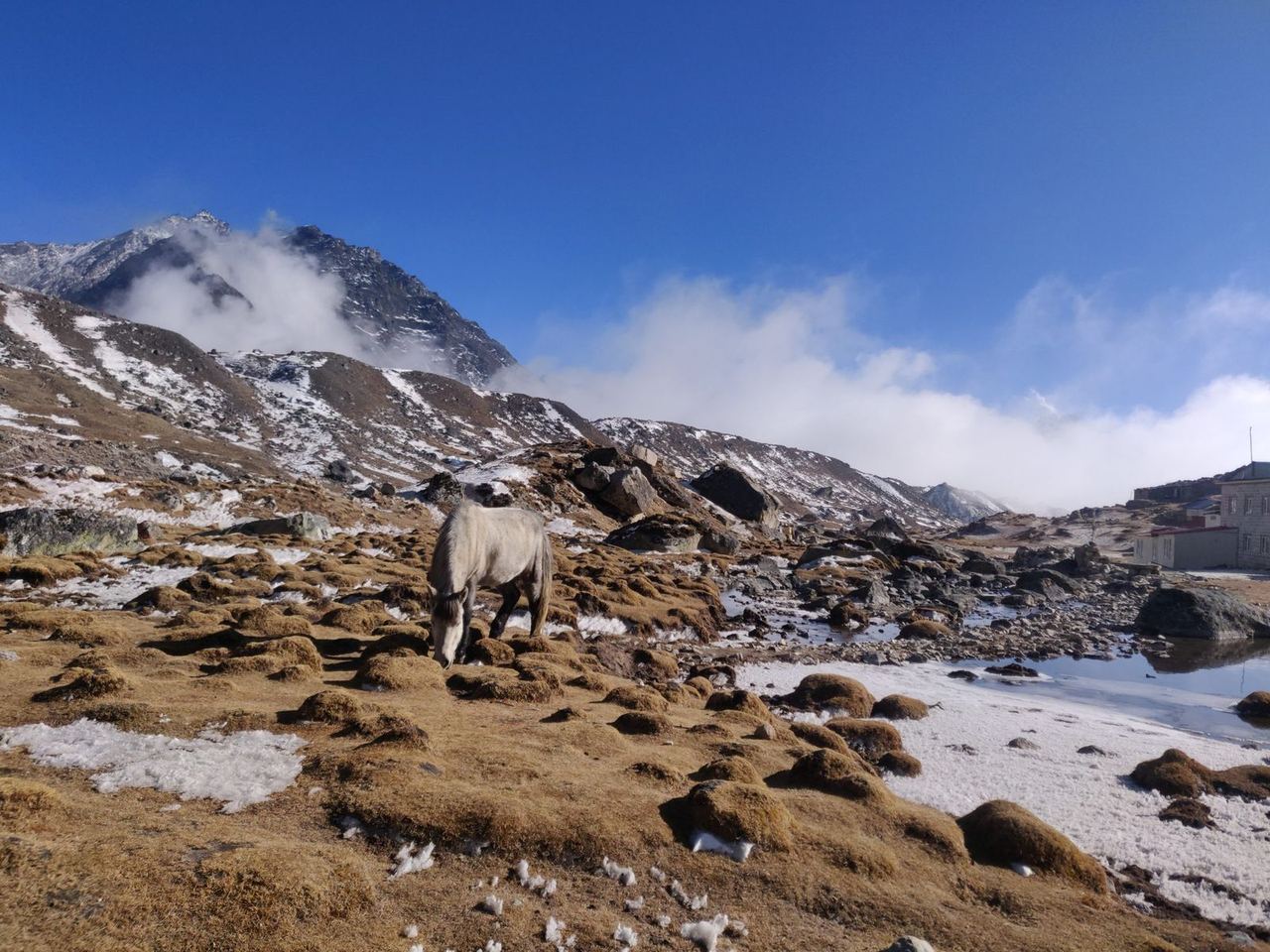
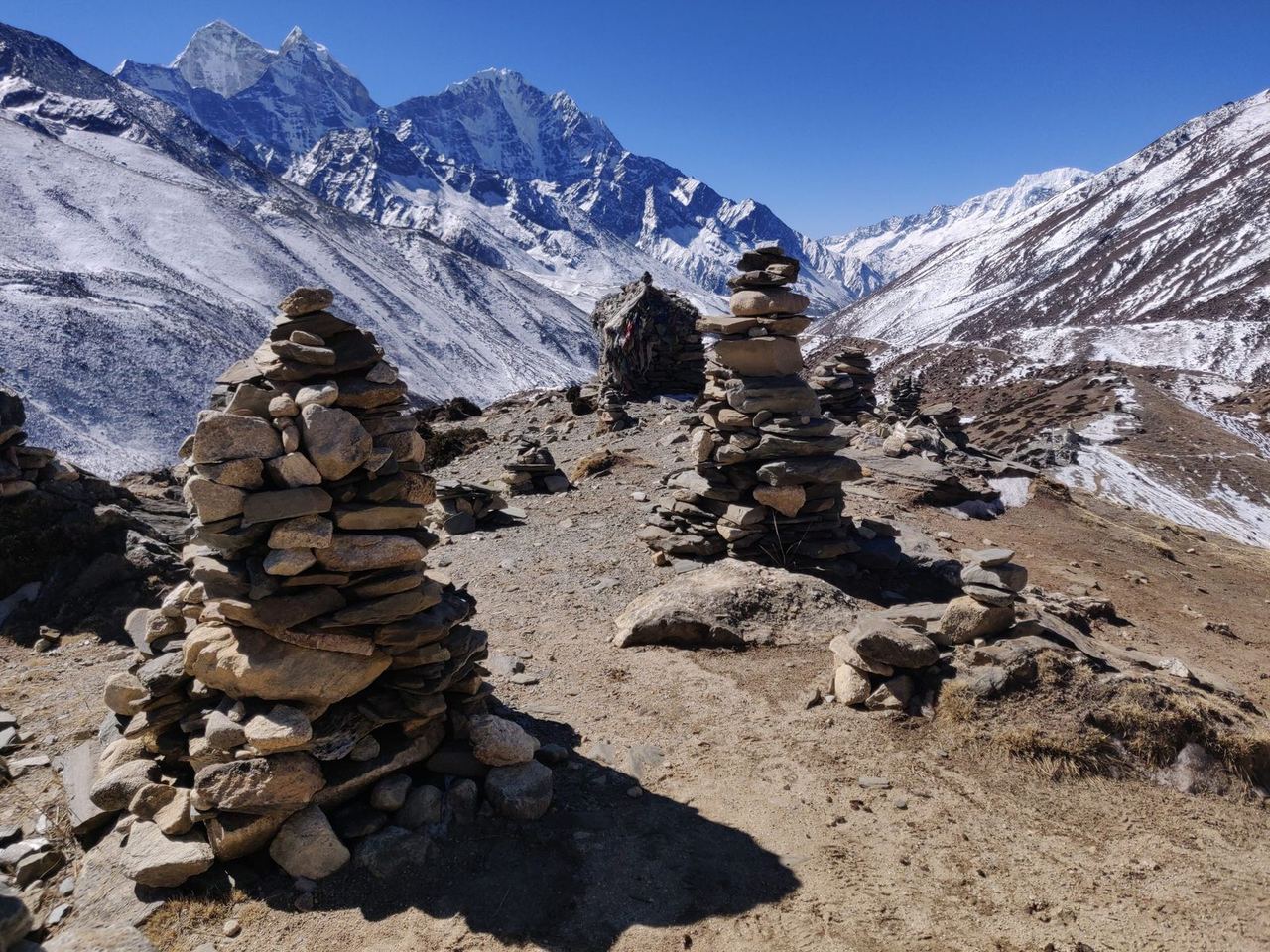
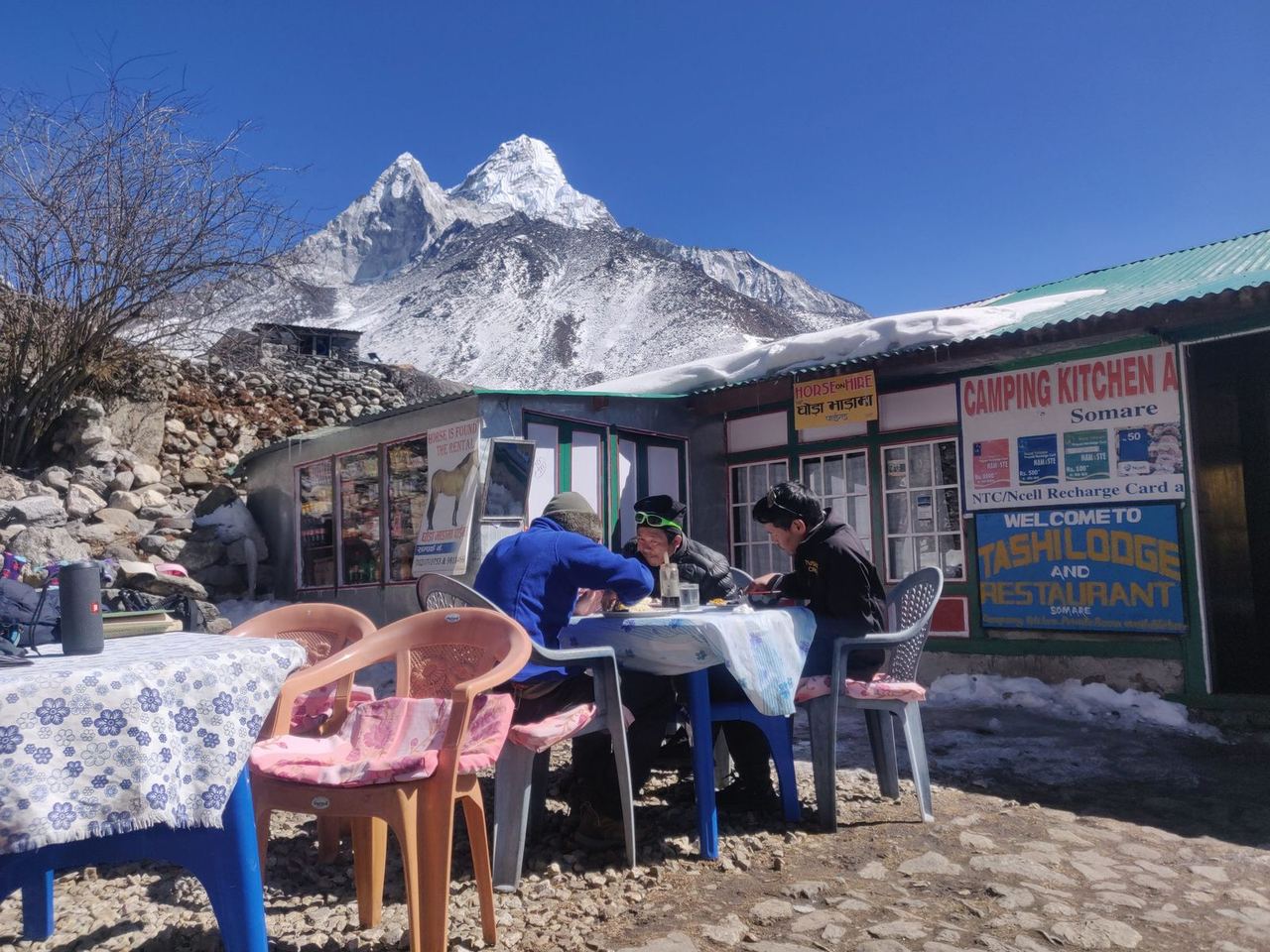
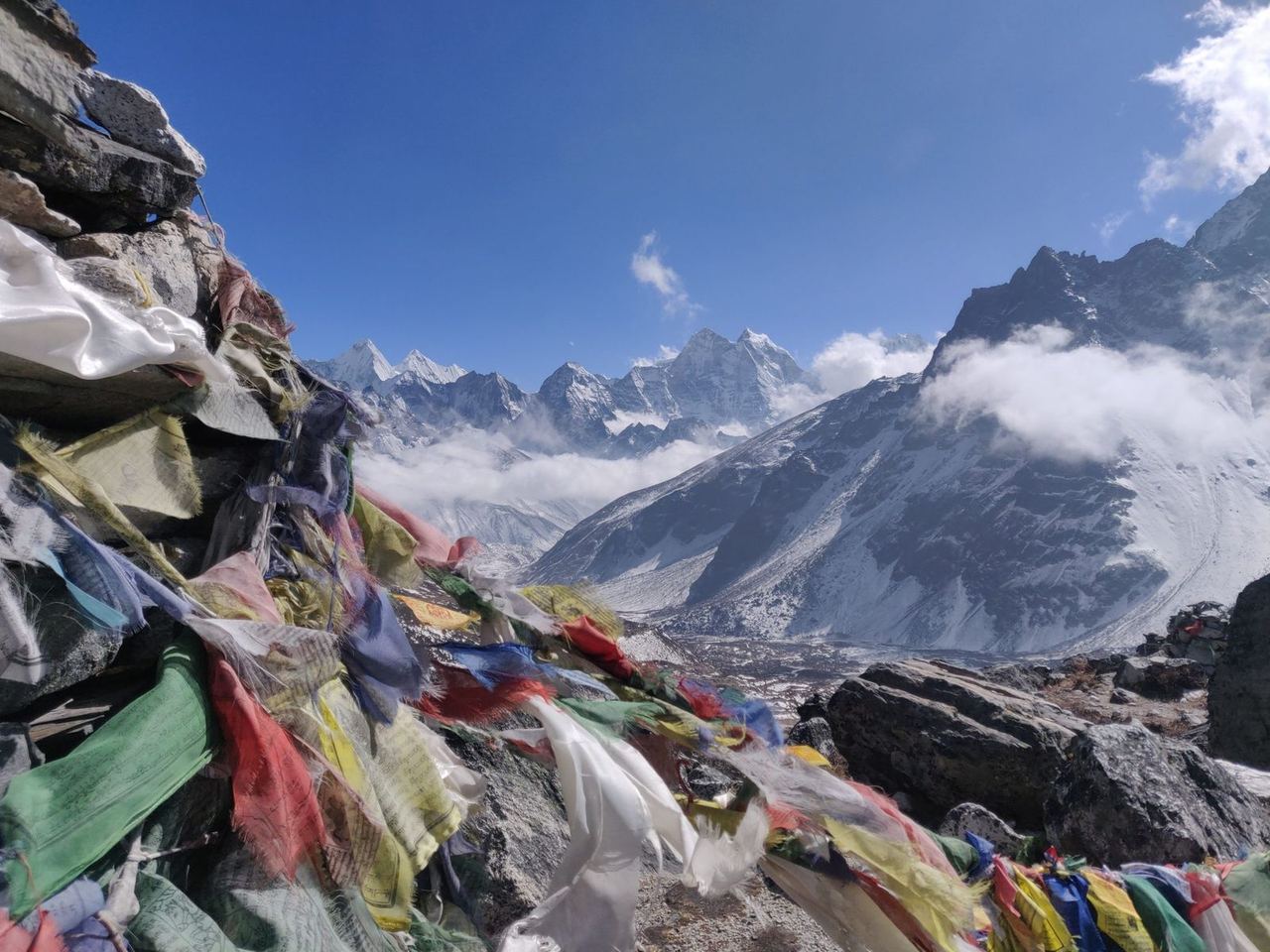
Our Sherpa guide, of course, had no problems with the altitude, and it's remarkable how he carried his roughly 14 kg uphill without much effort, while we were already puffing with our 11 kg. In the lodges, tourists order whatever they like, and once they've finished, the porters and guides get a set meal – soup in the morning and dal bhat in the evening, which they all eat together. I always found this literal two-class society a little uncomfortable. Thanks to my Nepali friend, though, we got to know other Nepalis better by sitting around the fire together and playing cards. Some evenings we also played Ludo, the international equivalent of the German board game "Mensch ärgere Dich nicht", which is played everywhere in Nepal – in the streets and on smartphones.
I wasn't spared headaches at altitude either when we hiked on to Lobuche, at 4,900 m. With medication it was manageable, though. Despite drinking 4 litres of water a day and eating lots of raw garlic, the early signs didn't ease.
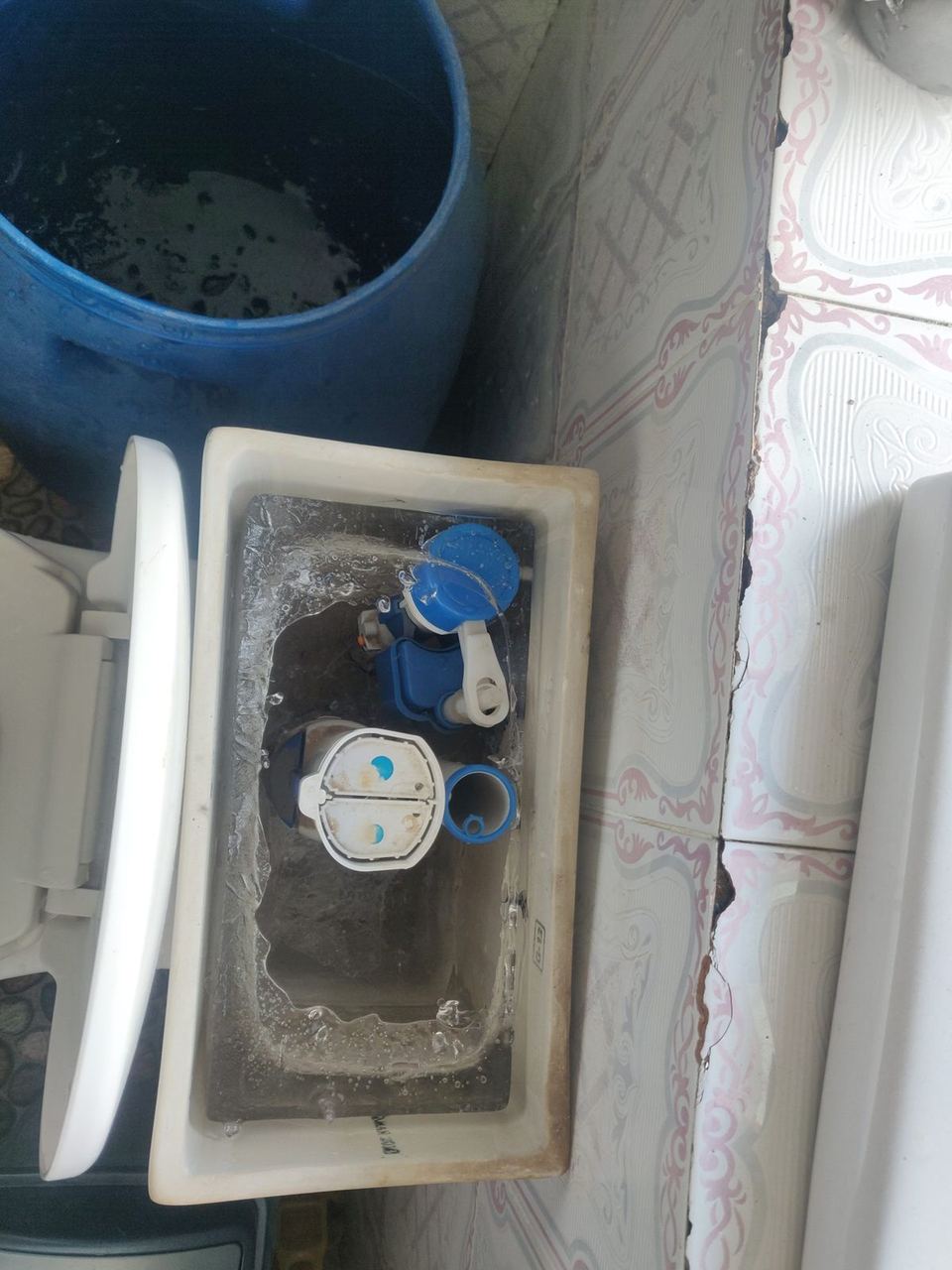
On Wednesday, after an easy hike, we reached Gorak Shep. At 5,200 m it's the last village before Everest Base Camp, and we spent our highest and last night there. From Namche onwards running water was rare, so every morning became an adventure – first thawing the toilet with warm water or breaking the ice off the water barrel next to it to flush.
In almost every village, Gorak Shep included, there was mobile reception and internet – not particularly fast, but enough to stay in touch. At the last lodge it got down to -20 °C at night, which you didn't notice thanks to the good sleeping bag.
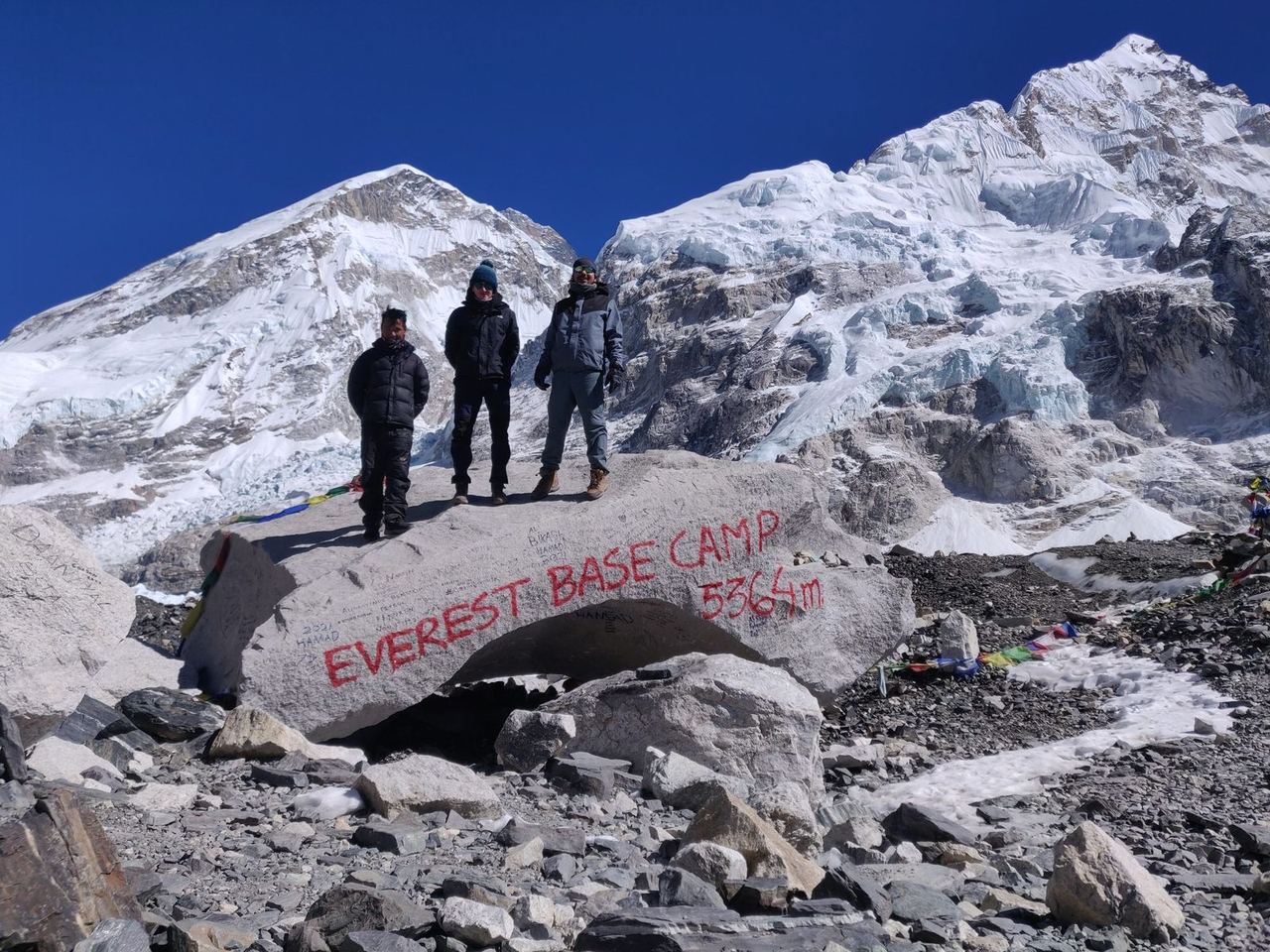
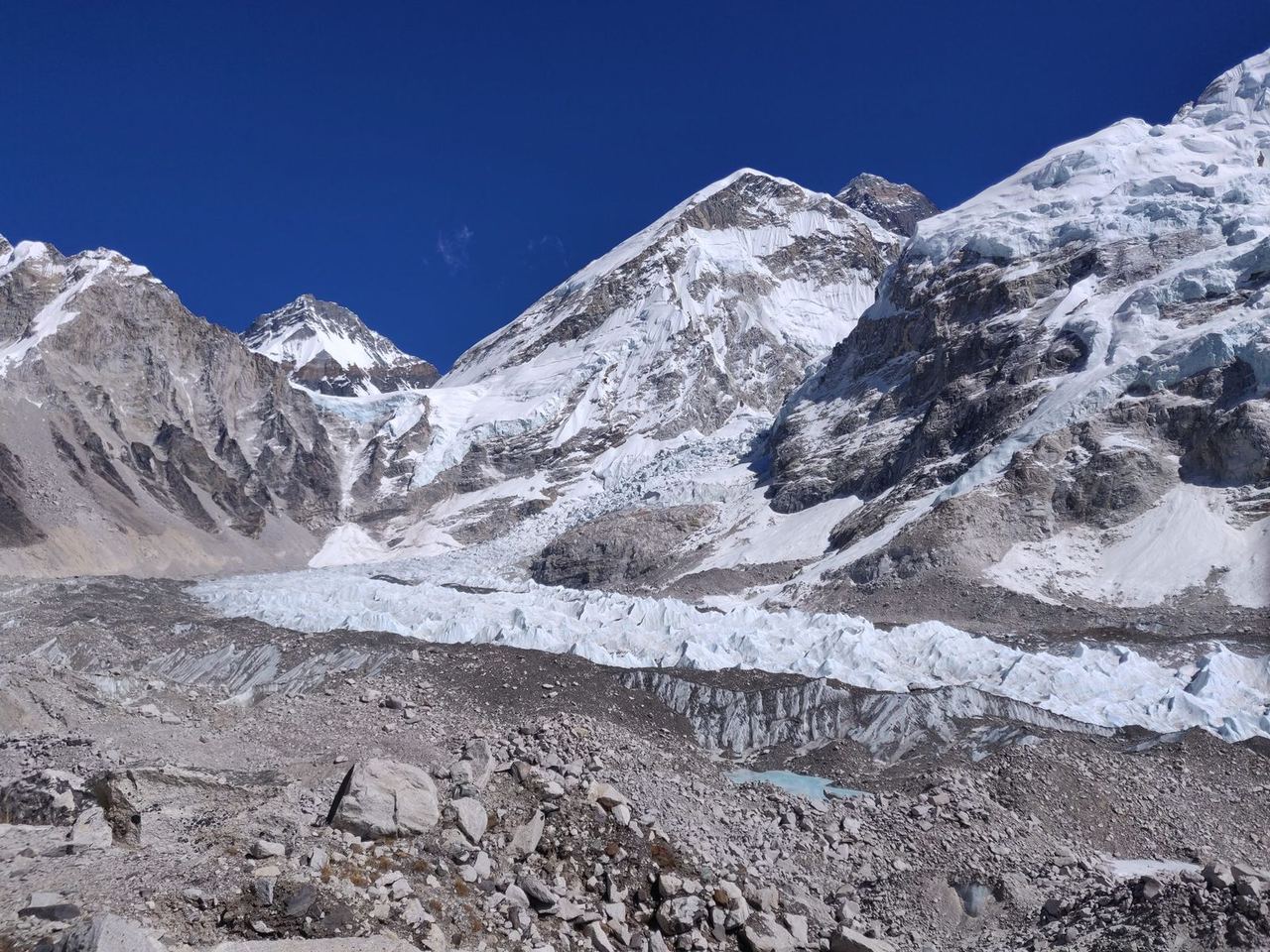
From there we set off for EBC. The landscape up there is fairly barren. The trail runs parallel to the Khumbu Glacier. The ice only starts shortly before you reach EBC; before that you see almost nothing but rock. At Base Camp there was just a single typical yellow tent, and the camp seemed really unspectacular. In the main seasons, spring and autumn, a real tent city is set up there. The only thing that marks the base camp is the familiar inscribed rock.
After the hike to Base Camp we climbed the 5,500 m Kala Patthar. In the evening we were the only guests in the highest accommodation of my life and wound down from the climb – harder than expected – by the stove. As there's no wood up here, dried yak dung is used as fuel.
The descent will probably be very easy and beautiful, so we'll be back in the capital in five days.
Journey from Germany to Nepal - Lukla Namche EBC Himalaya Week 14Watch the video on YouTube