Week 2 – Sea to Sky
Countries: Croatia – Montenegro – Albania
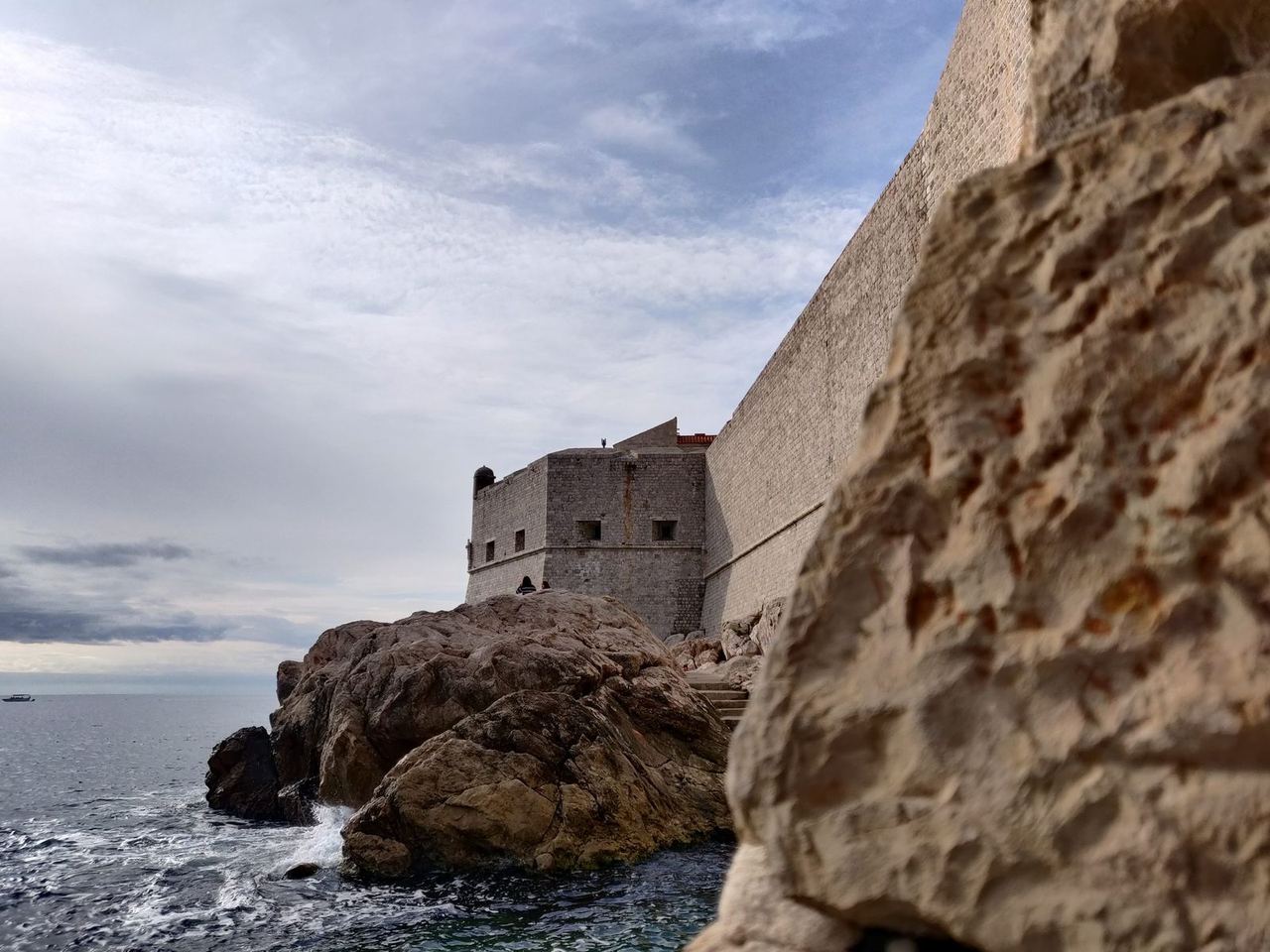
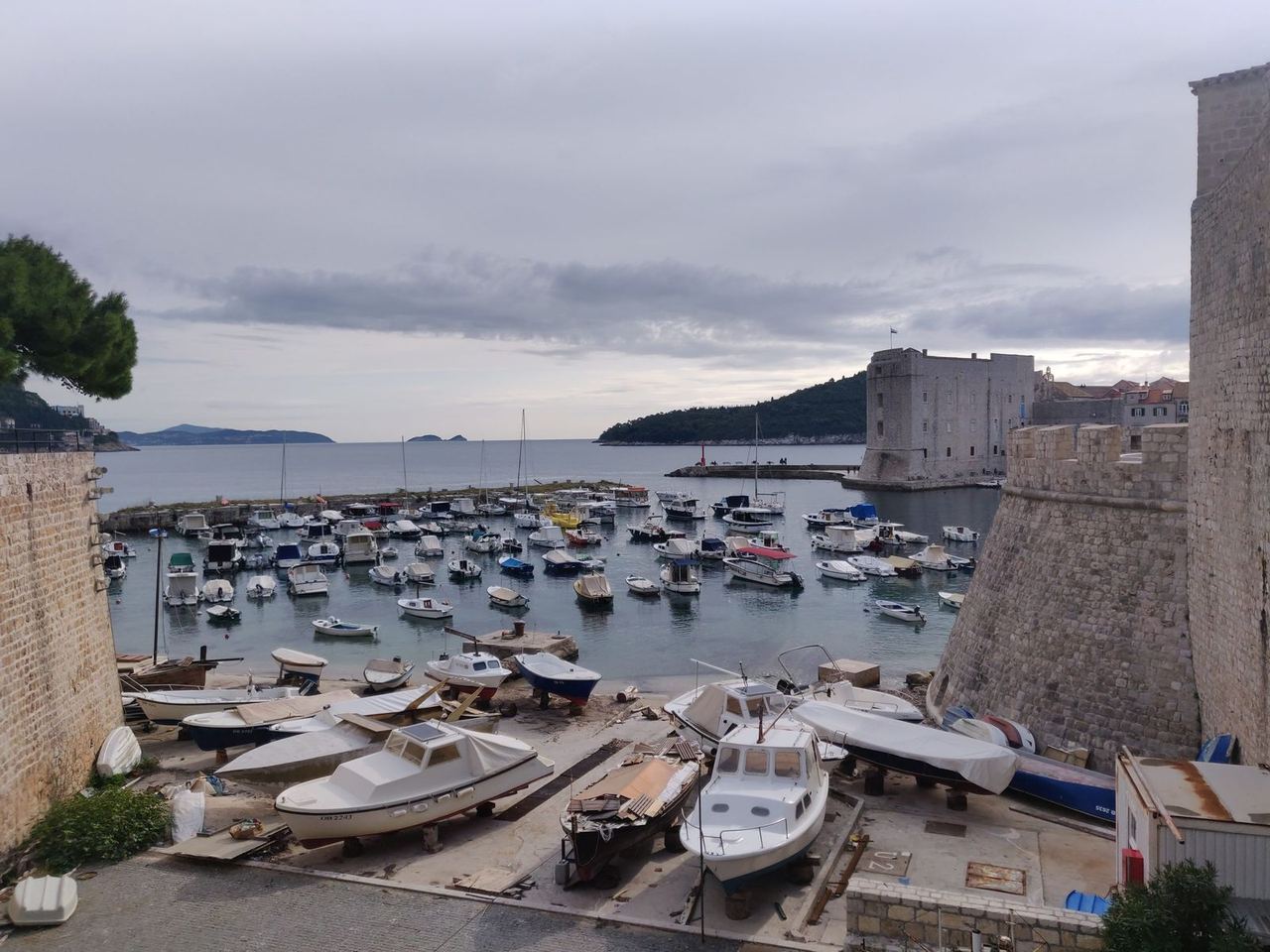
Thursday began with leaving our spot and heading for Dubrovnik's old town. The fact that Game of Thrones was filmed there is everywhere. Because it was the off-season there were few tourists, and we could stroll through the lanes in good weather without any crowds. The plan was then to spend the night on a remote beach in Montenegro. The roughly 270 km drive there was incredibly beautiful.
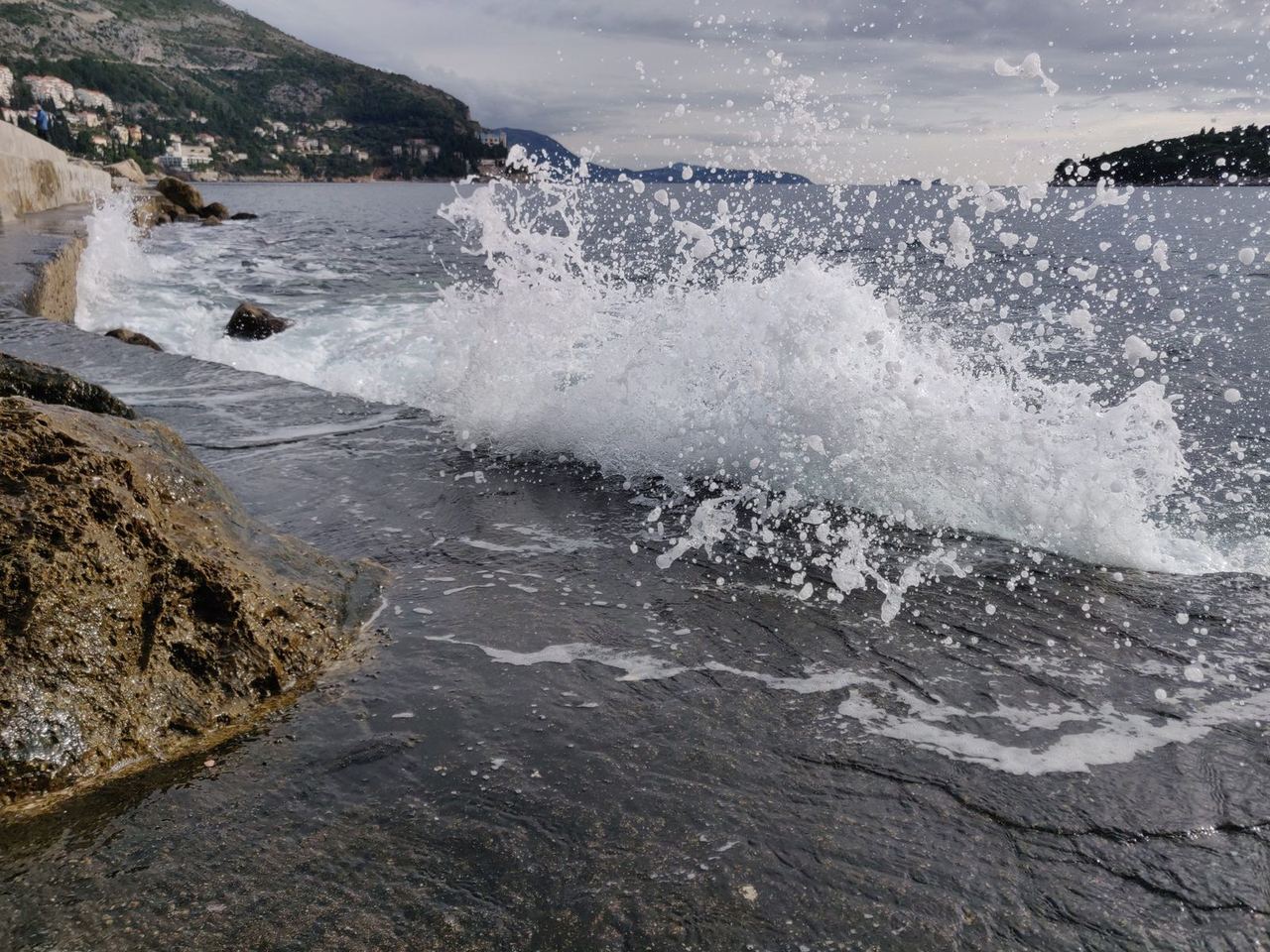
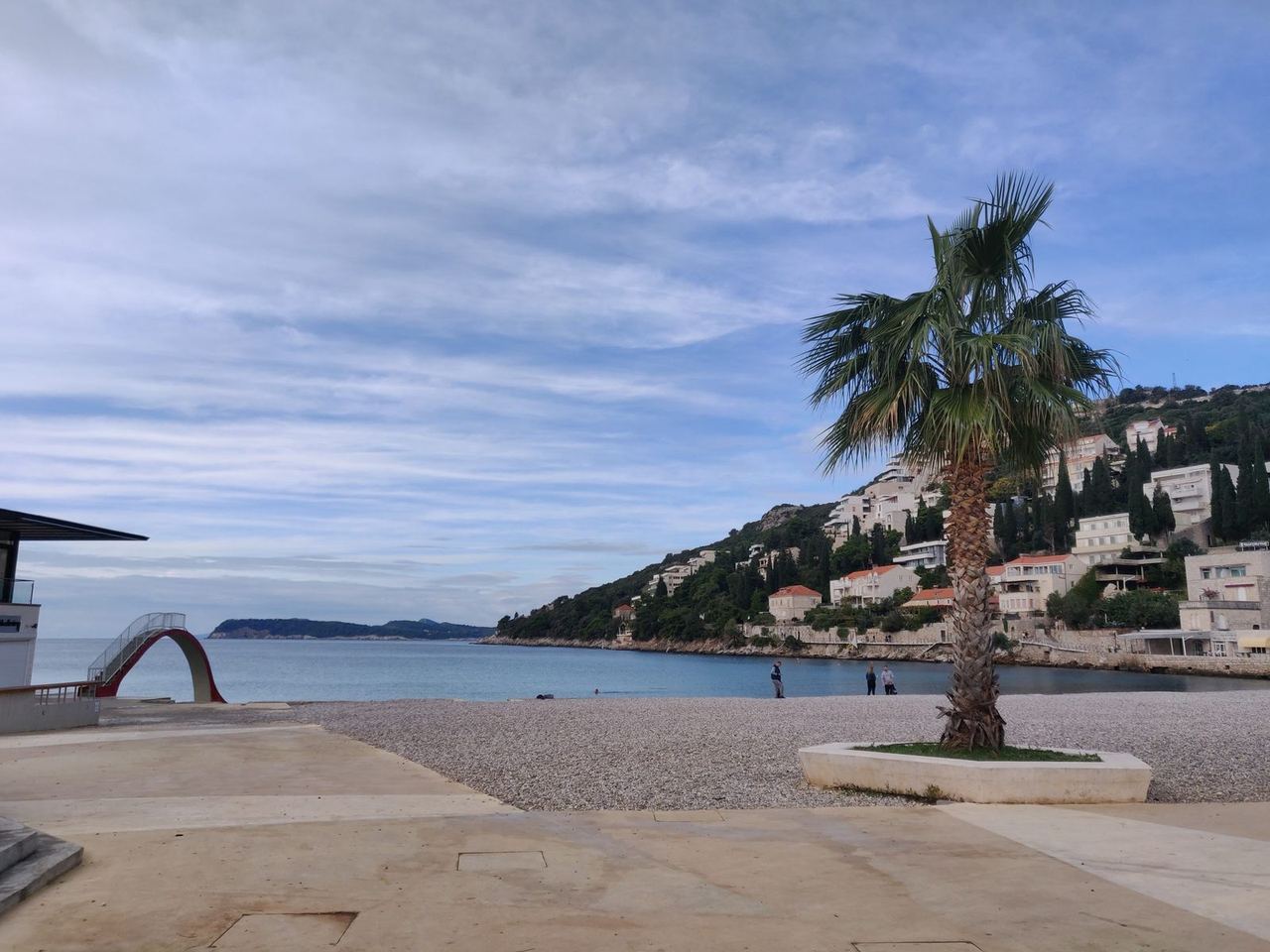
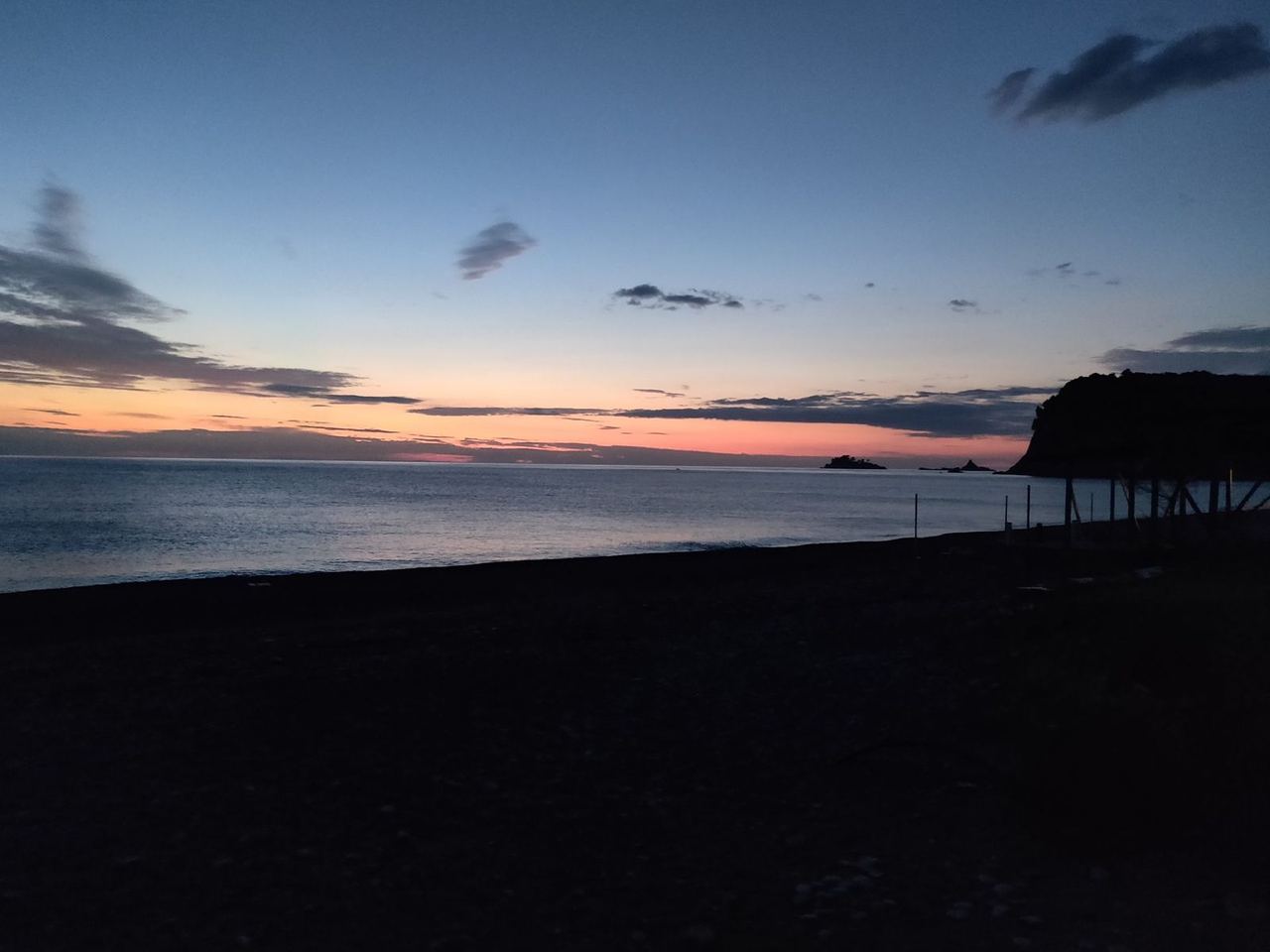
I found out the painful way that although Montenegro uses the euro, it isn't part of the European Union. So I had to pay €60 for mobile data. The country also seemed visibly poorer than touristy Croatia. On the way to the beach we came across several street dogs, but they weren't aggressive towards us. We arrived at the beach in the dark. We felt safe until a car stopped in front of us at around 9 pm and a man got out. He walked over to the bus and looked around, but then drove off again. We had taken the number plates off beforehand so they wouldn't reflect if a car came down the track.
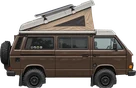
The next morning I wanted to test the T3's off-road ability. So I tried driving a little way along the beach, which worked really well here … in theory. After a few metres, as expected, the rear wheels dug in. So we used the sand ladders we'd brought for the first time. They helped a lot – but only until the bus dug itself in again a metre later … I repeated the sand ladder routine six times until the bus was finally back on firm ground. A local couple kindly helped us push. The load on the rear axle is simply too much, and it is and remains not a Syncro – not a four-wheel-drive bus – but just a "syncNo". (Update: it is one now – see the Syncro conversion.)
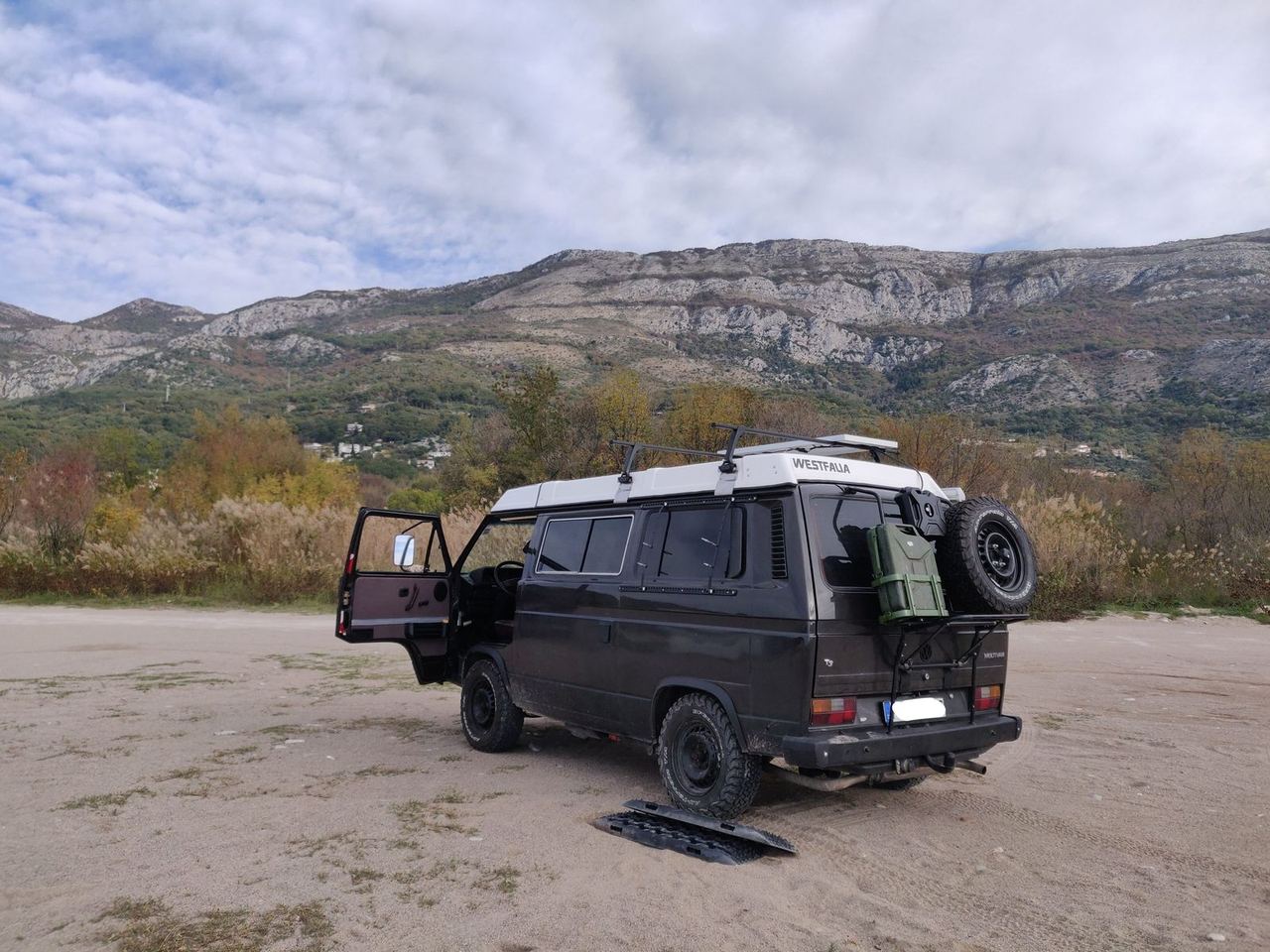
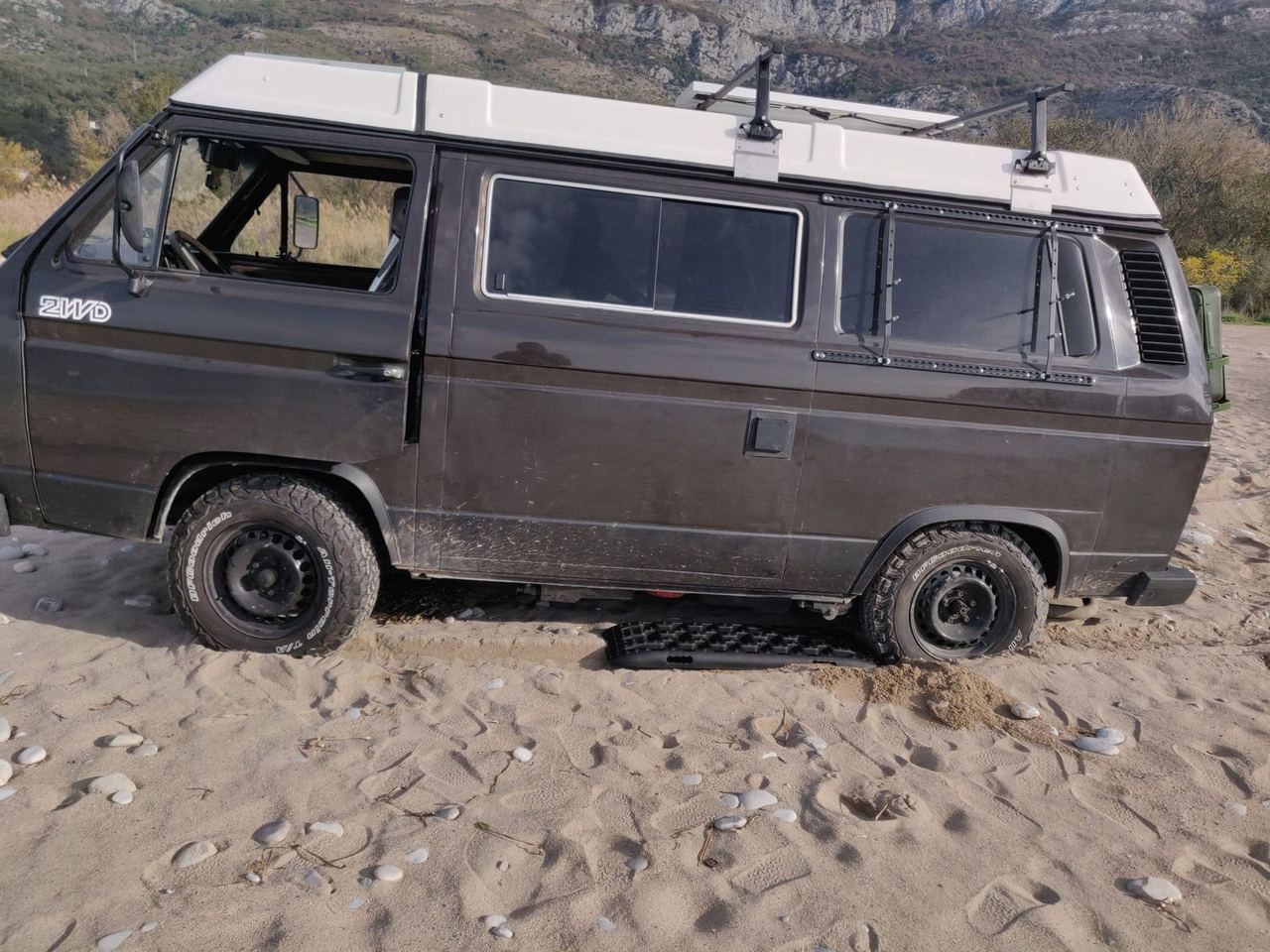
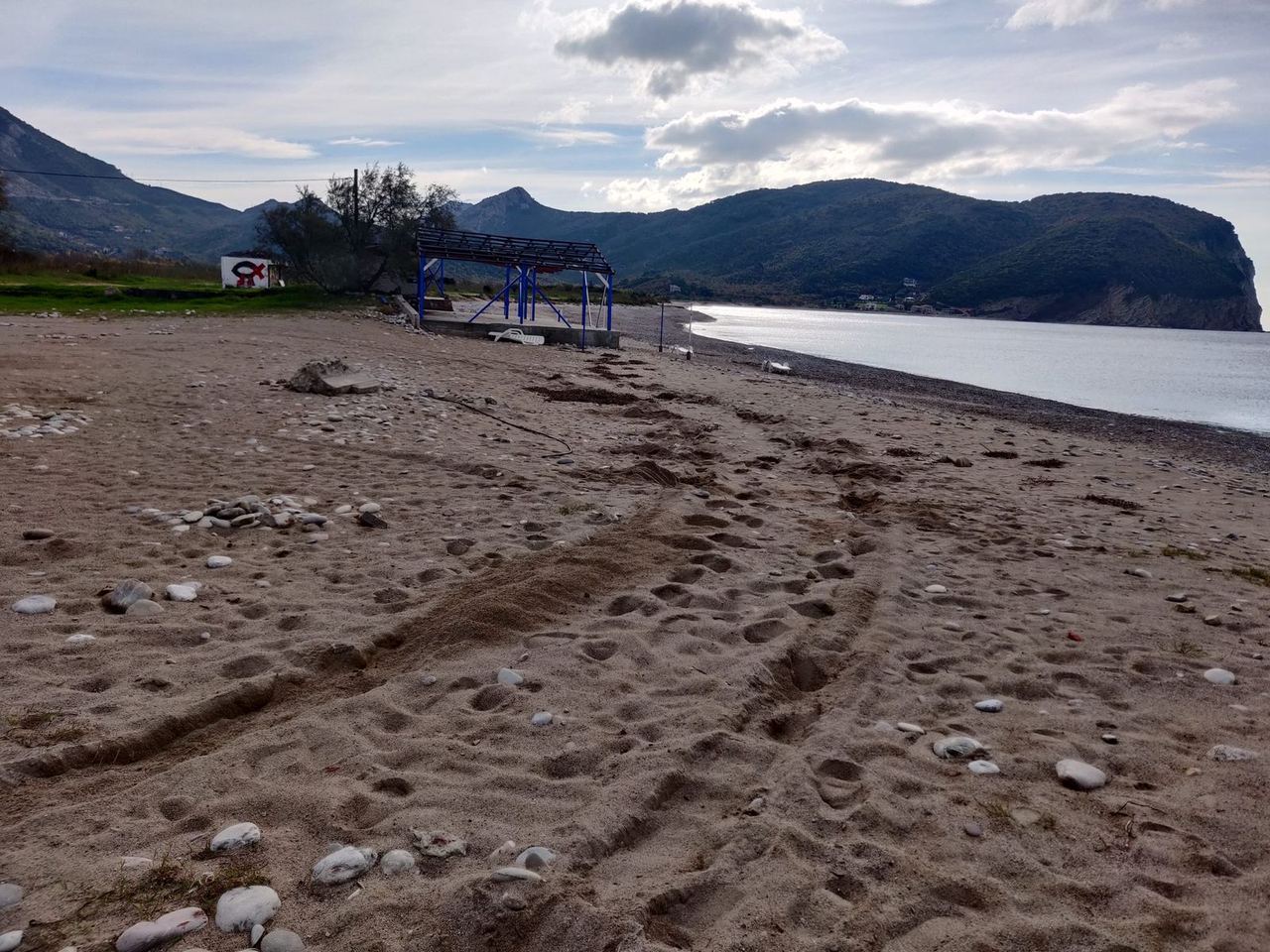
What I learned in general: in sand it's best to let some air out of the tyres and try not to stop. Let's see if it goes better next time.
We then drove to the capital, Podgorica. The first part of the drive was quite hard work, as we went straight from the coast up into the 900 m mountains and then down again into the valley where the capital lies.
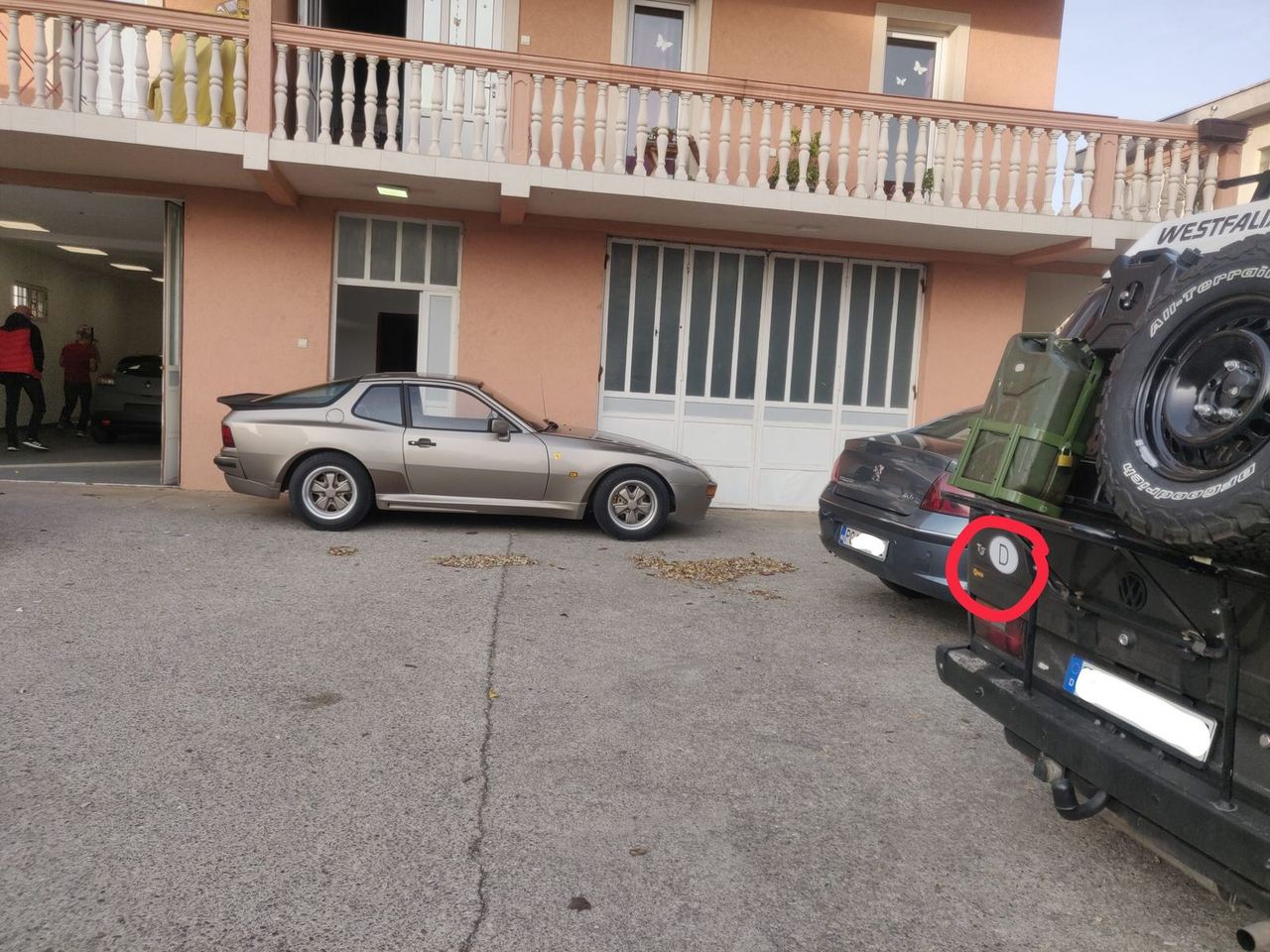
In Podgorica we went looking for the required D sticker – the country sticker that goes on the back of the vehicle. It's compulsory outside the EU. But we couldn't find this German sticker in DIY stores, petrol stations or car accessory shops. A friendly owner of a shop for starter motors and alternators asked us where we were from and what kind of special T3 this was. He sent us to a friend who owns a company that professionally wraps cars – and who also has a T3 (a Blue Star Hannover Edition in original condition, immaculate).
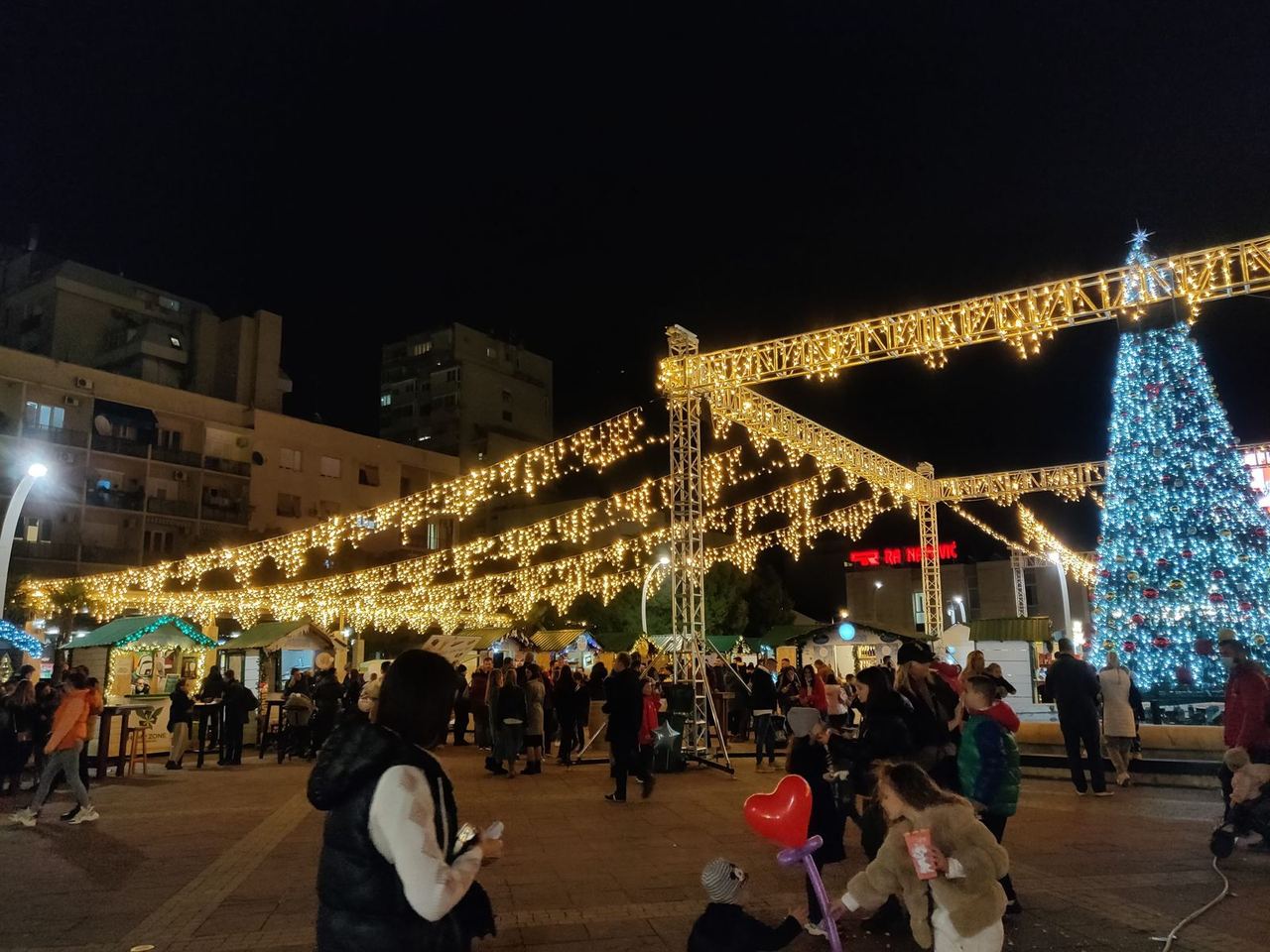
That friend then made the sticker for us for free. We chatted a bit about T3s and German beer, then drove to the car park where we spent the night. It was very central and even guarded. In the evening we went to the Christmas market in Podgorica at a pleasant 15 °C. It felt strange to hear "Last Christmas" and drink mulled wine in those temperatures and in such a culturally different world …
Saturday's destination was Albania's capital, Tirana. The city, about 250 km away, was easy to reach: the road was very good and flat, and instead of proper villages there was a constant trickle of houses, so the speed limit was 60 km/h at most. Compared with Montenegro, Albania has far more cars on the roads – and above all one brand: Mercedes … Almost every second car is a three-pointed star from the 90s or 2000s. They're very robust, many Albanians import them cheaply from Germany or Italy, and they're also something of a status symbol.
We've now left the more western part of Europe behind and notice that this Muslim-influenced country is very different from the previous ones. Everything is more chaotic, louder and a bit dirtier. Tirana itself is a beautiful city, though, and we stayed four days in total to get travel documents and visas, make copies, do laundry and slow down a bit.
In Tirana it feels as if Covid-19 doesn't exist: no masks in shops, everything packed and crowded. Even so, on Saturday evening we discovered that all bars and restaurants close at 11 pm. In a bar we happened to meet various travellers from the USA, England and Montenegro and spent the evening with them.
As luck would have it, one of them is also travelling by camper and has a group of friends currently climbing in Albania. All camper owners whose route also takes them through Greece, Turkey and Iran. So we'll probably meet up in Greece soon.
Apart from that we explored Tirana and did our own thing. On our landlady's recommendation we went to a local, traditional Albanian restaurant. There we tried the typical grape brandy, "raki", and dishes made from lamb intestines and offal. The taste was different from what we'd expected – and surprisingly very good. There we happened to meet more travellers from New Zealand and the USA. Over raki and conversations about New Zealand's variety and Covid, our last evening in Tirana came to an end.
The next morning we set off for Berat, a small town south of Tirana. Its castle and one particular street are UNESCO World Heritage sites. Despite the three-day break the bus started beautifully, and after we'd put the roof rack back on – the vehicle would otherwise have been too tall – we drove through the bustling city.
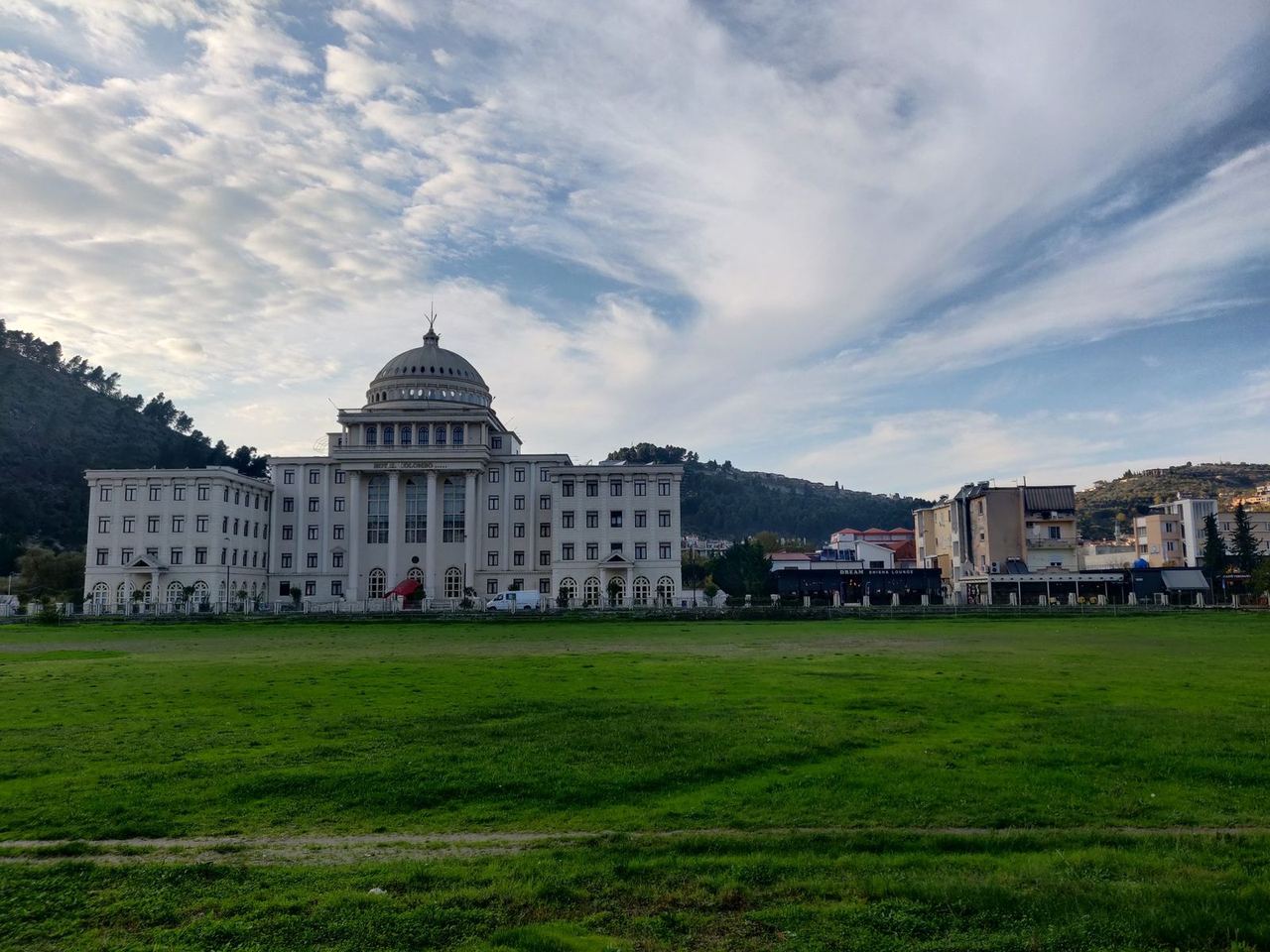
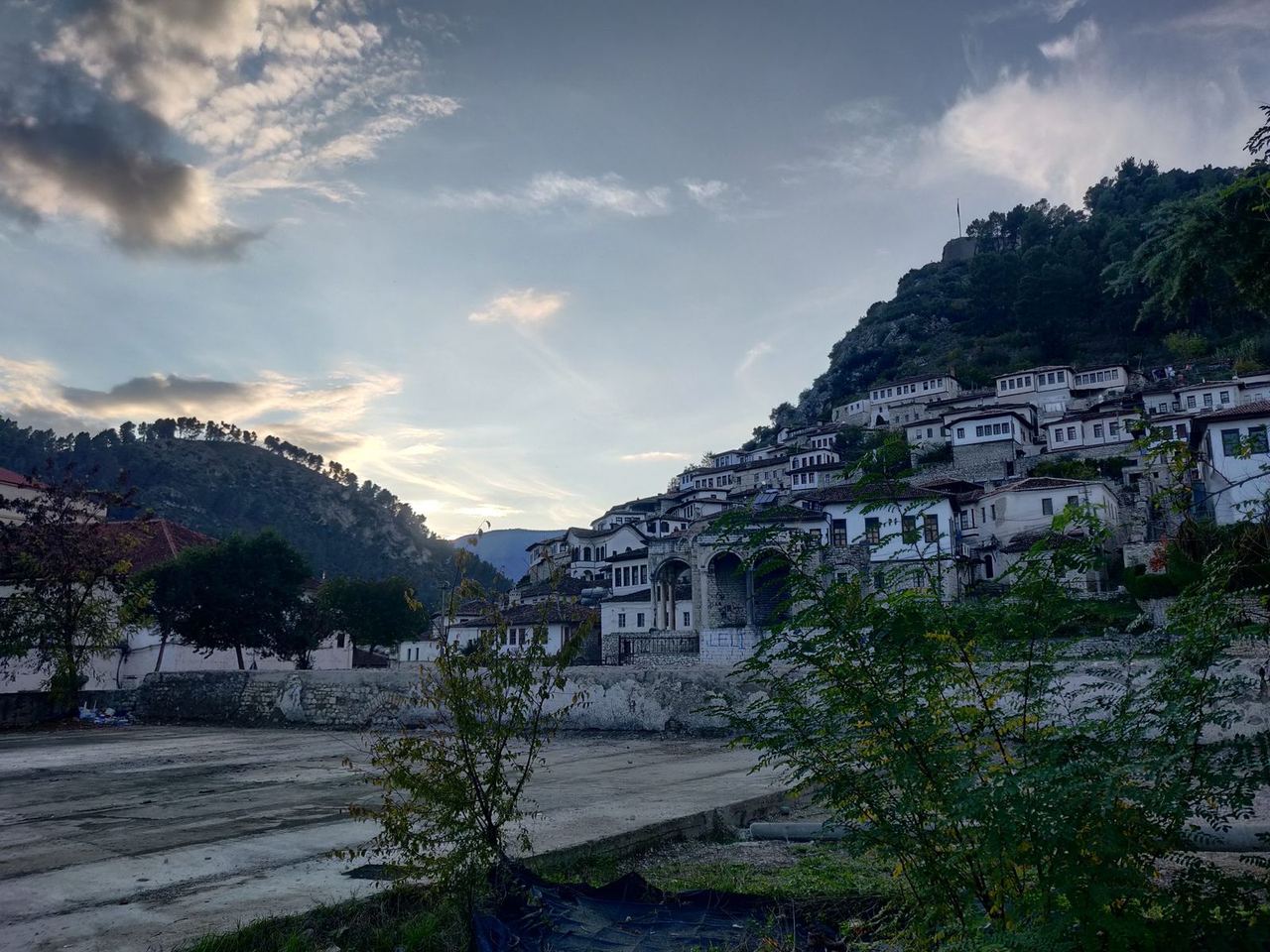
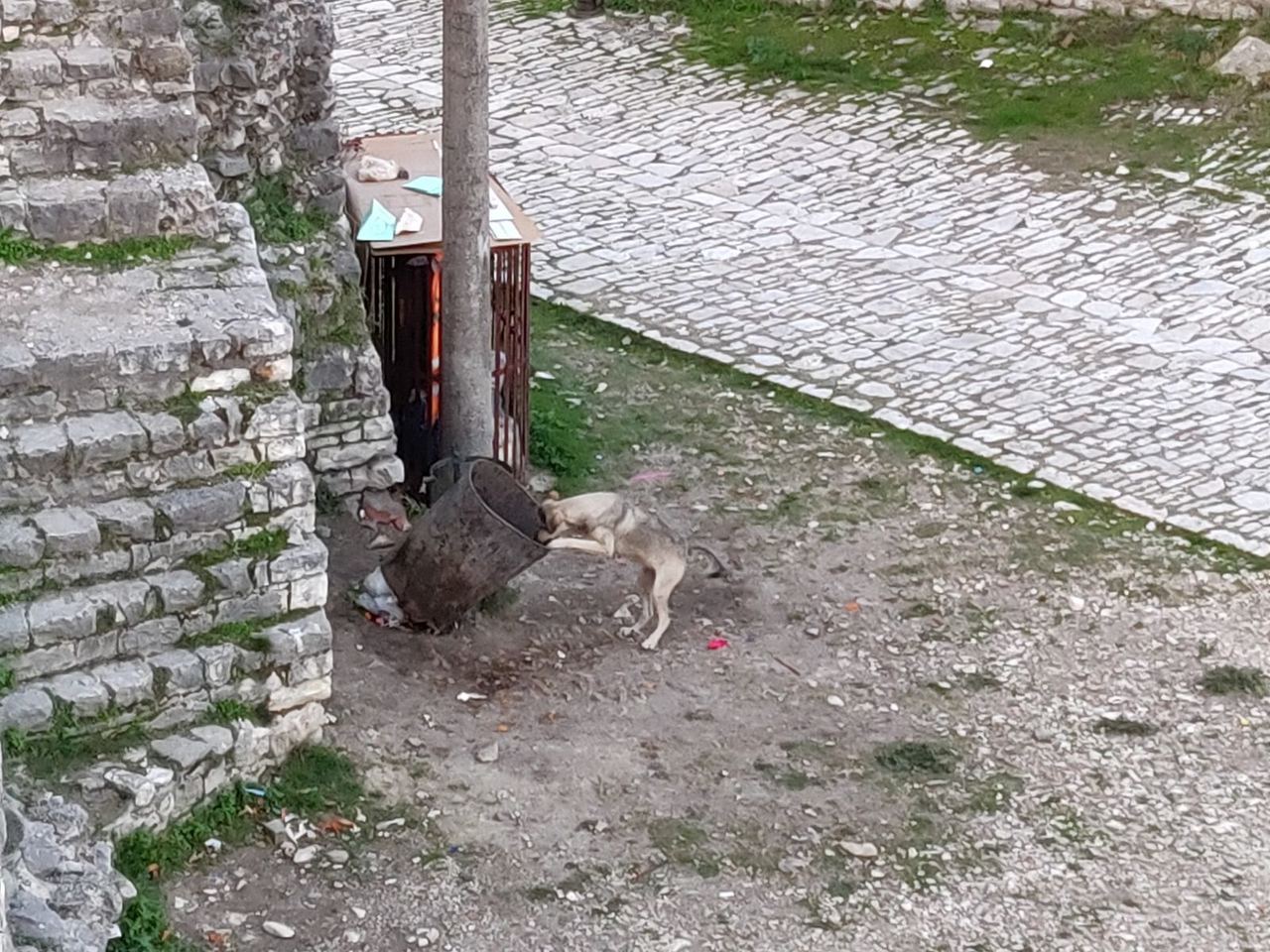
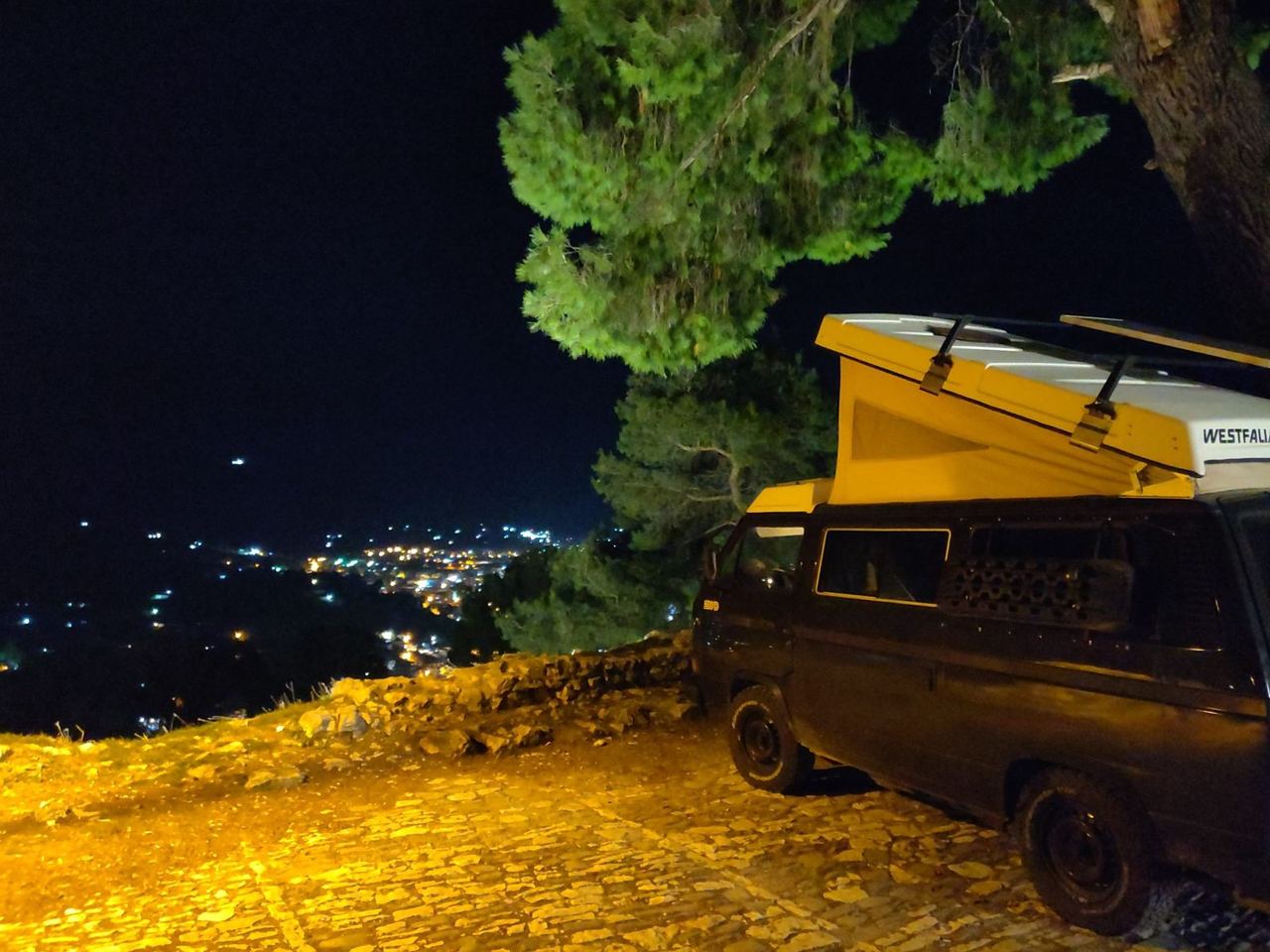
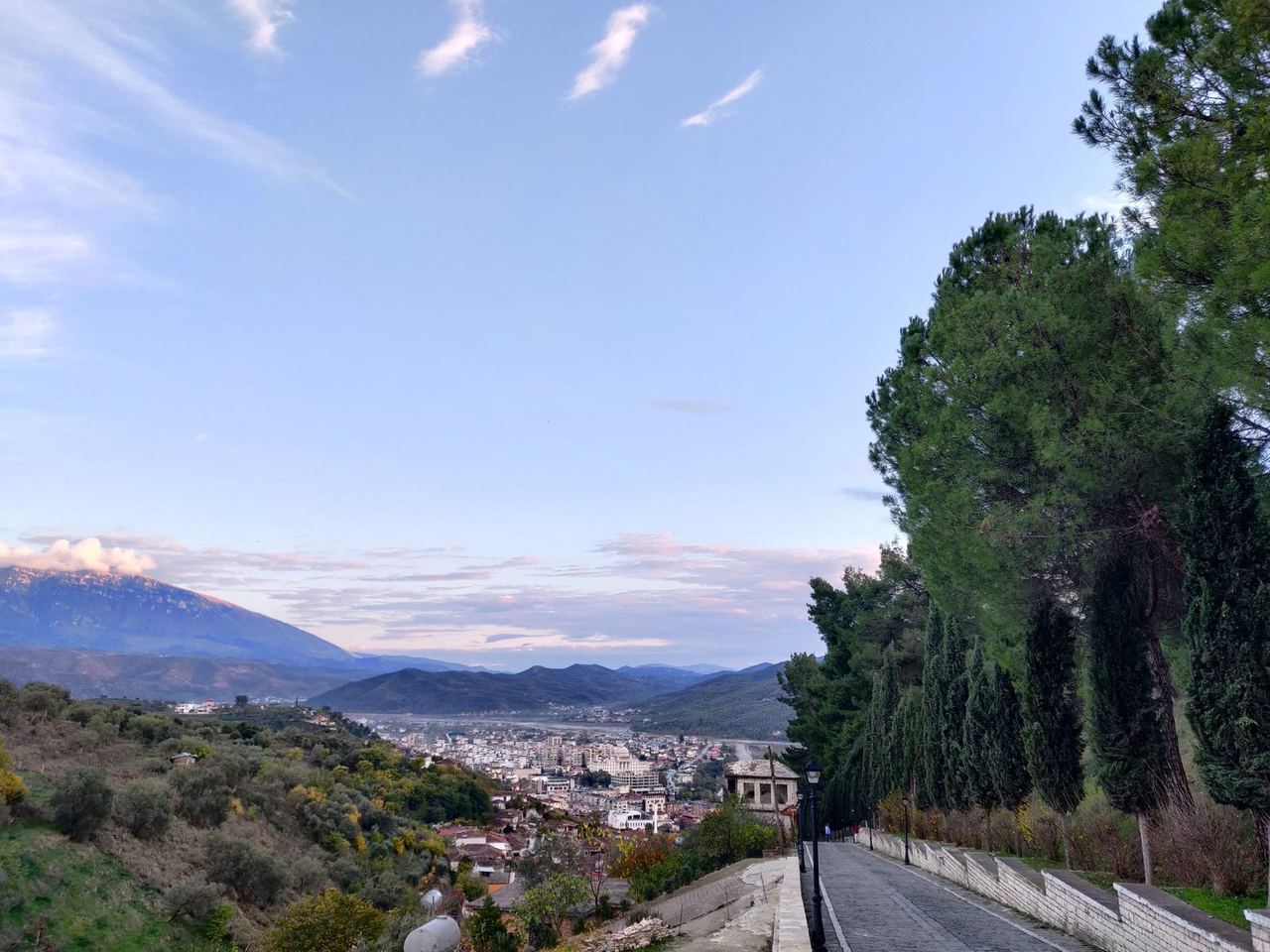
The drive was very varied, through both mountainous and flat parts of the country. We explored Berat and its castle, the old town and the pompous Hotel Colombo (a reminder of golden times gone by). Afterwards we decided not to stay on the campsite, which was too expensive by Albanian standards, but to spend the night inside the castle walls. By Albanian standards I mean that it's out of proportion when a holiday flat costs €12 – around 1,500 lek – a night and a camper pitch costs €15.
Now we're heading further south to Greece 😊
Journey from Germany to Nepal - VW T3 - Week 2Watch the video on YouTube